Best Everest Base Camp Trek Guide
Best Everest Base Camp Trek Guide – Everything you need to plan the Adventure of a Lifetime. The Everest Base Camp (EBC) Trek is one of the world’s most iconic trekking adventures. Every year, thousands of trekkers travel to Nepal to follow the legendary trail through the heart of the Khumbu region, home to the Sherpa people and the world’s highest mountain—Mount Everest (8,848.86 m).
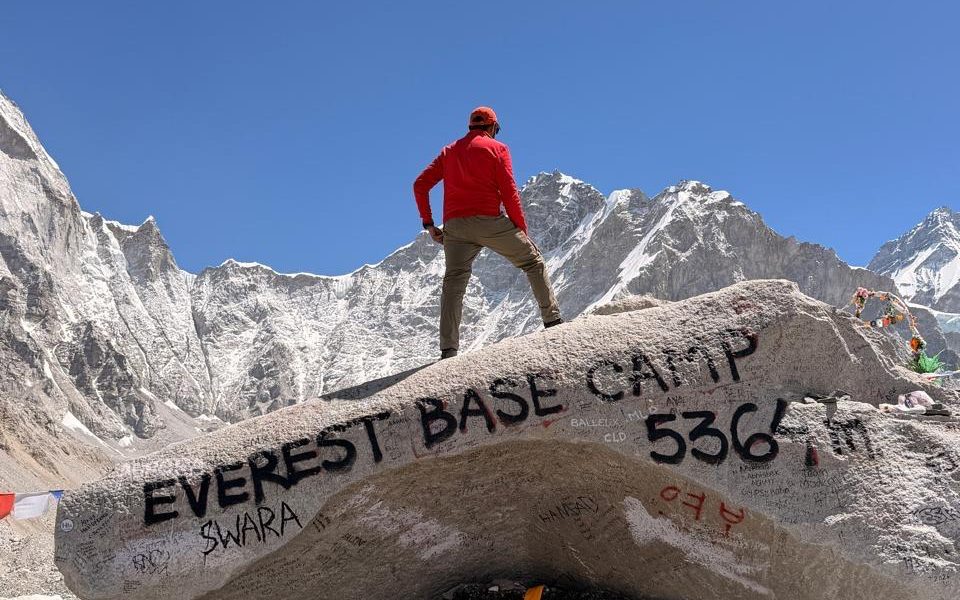
More than just reaching Everest Base Camp at 5,364 meters, this trek is about experiencing breathtaking Himalayan landscapes, crossing thrilling suspension bridges, exploring ancient monasteries, meeting friendly Sherpa communities, and witnessing unforgettable sunrises over snow-covered peaks.
Whether you are an experienced hiker or planning your first high-altitude adventure, this guide covers everything you need to know—from the best trekking season and daily itinerary to costs, permits, altitude sickness prevention, packing tips, and essential travel advice.
If you’re dreaming of standing beneath the mighty Everest, this guide will help you prepare for one of the greatest journeys on Earth.
Why Trek to Everest Base Camp?
The Everest Base Camp Trek is much more than a mountain hike. It is an unforgettable journey through one of the most spectacular mountain regions on the planet.
Here are some of the top reasons why people choose the Everest Base Camp Trek:
Walk in the Footsteps of Legendary Climbers
The trail follows the same route used by famous mountaineers preparing to climb Mount Everest. Walking through villages such as Namche Bazaar, Tengboche, Dingboche, and Gorakshep gives trekkers a true sense of Everest’s rich mountaineering history.
Incredible Mountain Views
Throughout the trek, you’ll enjoy panoramic views of some of the highest peaks in the world, including:
Mount Everest (8,848.86 m) Lhotse (8,516 m) Nuptse (7,861 m) Ama Dablam (6,812 m) Thamserku (6,623 m) Pumori (7,161 m) Lobuche Peak, Island Peak, Khumbutse, Kongde Ri etc.
Every day offers a different mountain perspective, making each section of the trail unique.
Experience Sherpa Culture
The Khumbu region is home to the Sherpa people, known worldwide for their hospitality, mountaineering skills, and deep Buddhist traditions.
You’ll visit colorful monasteries, spinning prayer wheels, chortens, mani walls, and prayer-flag-covered mountain passes while learning about local customs that have remained unchanged for centuries.
Visit Sagarmatha National Park
The Everest Base Camp Trek passes through Sagarmatha National Park, a UNESCO World Heritage Site famous for its alpine forests, glaciers, wildlife, and towering Himalayan peaks.
If you’re lucky, you may spot Himalayan tahr, musk deer, colorful pheasants, Himalayan monal, snow pigeons, and even elusive wildlife such as the snow leopard at higher elevations.
Where is Everest Base Camp?
Everest Base Camp is located in Nepal’s Khumbu region within Sagarmatha National Park.
The trekking route begins with a scenic flight (or drive and helicopter combination during certain seasons) to Lukla before continuing through beautiful mountain villages toward Everest Base Camp.
Quick Facts
Country: Nepal
Region: Khumbu (Everest Region)
National Park: Sagarmatha National Park
Everest Base Camp Altitude: 5,364 meters (17,598 ft)
Kala Patthar Viewpoint: 5,545 meters (18,192 ft)
Trek Duration: 12–14 days
Total Trek Distance: Approximately 130 km round trip
Highest Sleeping Point: Gorakshep (5,164 m)
Everest Base Camp Trek Highlights
This trek offers countless unforgettable experiences.
Some of the major highlights include:
1, Scenic flight to Lukla
2, Crossing high suspension bridges above the Dudh Koshi River
3, Exploring Namche Bazaar, the Sherpa capital
4, Visiting the famous Tengboche Monastery
5, Walking beneath Ama Dablam
6, Entering the Khumbu Glacier
7, Standing at Everest Base Camp
8, Sunrise from Kala Patthar
9, Visiting memorials dedicated to Everest climbers
10, Learning Sherpa culture and traditions
11, Staying in authentic Himalayan tea houses
Everest Base Camp Trek Route Overview
Guide to classic Everest Base Camp Trek follows this route:
Kathmandu → Lukla → Phakding → Namche Bazaar → Tengboche → Dingboche → Lobuche → Gorakshep → Everest Base Camp → Kala Patthar → Pheriche → Namche Bazaar → Lukla → Kathmandu.
The trail gradually gains elevation, allowing trekkers to acclimatize properly before reaching higher altitudes.
Although the route is physically demanding, it does not require technical climbing skills.
Everest Base Camp Trek Difficulty
Many people ask whether the Everest Base Camp Trek is difficult.
The answer depends on your fitness level, preparation, and ability to adapt to high altitude.
The trail includes:
Long walking days of 5–8 hours.
Continuous uphill and downhill sections.
Rocky mountain paths.
High altitude above 5,000 meters.
Cold temperatures, especially during the mornings and nights.
The trek is considered moderately difficult rather than technically challenging. Anyone with reasonable fitness, proper acclimatization, and determination can complete it successfully.
The biggest challenge is altitude rather than the walking itself.
How Fit Should You Be?
You do not need to be an athlete, but preparing before your trip will make the experience far more enjoyable.
A good training plan includes:
Walking 8–15 km several times each week.
Hiking with a light backpack.
Climbing stairs.
Strengthening your legs and core.
Improving cardiovascular endurance through cycling, jogging, or swimming.
Start training at least two to three months before your trek.
Best Time for the Everest Base Camp Trek
Choosing the right season greatly influences your trekking experience.
Spring (March to May)
Spring is one of the most popular seasons.
Advantages include:
Stable weather
Comfortable temperatures
Rhododendron forests in bloom
Excellent mountain visibility
Busy trekking atmosphere
Autumn (September to November)
Autumn is considered the best overall season. Explore the Everest Region in autumn
Benefits include:
Crystal-clear skies
Dry trails
Comfortable daytime temperatures
Outstanding mountain photography
Peak trekking season
Winter (December to February)
Winter offers peaceful trails and stunning snow-covered landscapes.
However, expect:
Very cold nights
Snow on higher passes
Fewer trekkers
Clear mountain views
Monsoon (June to August)
Monsoon is the least popular season because of:
Frequent rain
Cloudy mountain views
Slippery trails
Flight delays
Leeches in lower forests
Despite this, some trekkers enjoy the lush green landscapes and quieter trails.
How Long Does the Everest Base Camp Trek Take?
Most trekkers complete the journey in 12 to 14 days.
A typical itinerary includes two acclimatization days:
Namche Bazaar and Dingboche.
These rest days are essential for reducing the risk of altitude sickness and increasing your chances of successfully reaching Everest Base Camp.
Rushing the itinerary is not recommended, as proper acclimatization is the key to a safe and enjoyable trek.
The Everest Base Camp Trek is more than reaching a destination—it’s about embracing the rhythm of the Himalayas, connecting with local culture, and discovering your own resilience. Careful planning, the right pace, and respect for the mountains will help make this journey one of the most rewarding experiences of your life.
In the next part of this guide, we’ll cover the complete day-by-day itinerary, altitude profile, accommodation, food, permits, and transportation to help you prepare with confidence.
Everest Base Camp Trek – 12 Days Itinerary (Kathmandu to Kathmandu with Personal guide)
Day 1: Fly to Lukla (2,846m) and Trek to Phakding (2,610m)
Take an early morning scenic flight from Kathmandu (or from Ramechhap during peak seasons) to Lukla. Meet your trekking crew and begin your hike through traditional Sherpa villages to Phakding. Walking: 3–4 hours (7–8 km)
Day 2: Trek from Phakding to Namche Bazaar (3,440m)
Follow the Dudh Koshi River, cross several suspension bridges, and enter Sagarmatha National Park. A challenging climb brings you to the vibrant Sherpa town of Namche Bazaar. Walking: 6–7 hours (10–11 km)
Day 3: Acclimatization Day at Namche Bazaar
Spend the day adjusting to the altitude. Hike to the Everest View Hotel or Khumjung Village for stunning views of Mount Everest, Ama Dablam, Lhotse, and Thamserku before returning to Namche. Walking: 3–4 hours
Day 4: Trek from Namche Bazaar to Tengboche (3,860m)
Walk along a scenic ridge with panoramic mountain views before descending to the Dudh Koshi River and climbing to Tengboche, home to the region’s largest Buddhist monastery. Walking: 5–6 hours (9–10 km)
Day 5: Trek from Tengboche to Dingboche (4,410m)
Descend through rhododendron forests, cross the Imja Khola, and continue through Pangboche and Somare to Dingboche, surrounded by spectacular Himalayan peaks. Walking: 5–6 hours (10–11 km)
Day 6: Acclimatization Day at Dingboche
Take a short hike to Nangkartshang Peak (around 5,080m) for excellent views of Makalu, Lhotse, Ama Dablam, and Island Peak. Return to Dingboche for the night. Walking: 3–4 hours
Day 7: Trek from Dingboche to Lobuche (4,910m)
Gradually ascend through alpine terrain to Thukla, visit the memorials dedicated to Everest climbers, and continue to Lobuche. Walking: 5–6 hours (8 km)
Day 8: Trek to Everest Base Camp (5,364m) and Return to Gorakshep (5,164m)
Hike to Gorakshep, leave your bags at the lodge, and continue to Everest Base Camp explore via the Khumbu Glacier. After celebrating at Base Camp stone, return to Gorakshep. Walking: 7–8 hours (12–14 km)
Day 9: Sunrise at Kala Patthar (5,545m), Then Trek to Pheriche (4,240m)
Start early to reach Kala Patthar for the best sunrise views of Mount Everest and surrounding peaks. Descend to Gorakshep for breakfast before trekking down to Pheriche. Walking: 7–8 hours (13–14 km)
Day 10: Trek from Pheriche to Namche Bazaar
Descend through Pangboche, Tengboche, and Phunki Tenga before climbing gently back to Namche Bazaar. Walking: 6–7 hours (18–19 km)
Day 11: Trek from Namche Bazaar to Lukla
Retrace your steps through Monjo and Phakding before the final climb to Lukla. Celebrate completing your Everest Base Camp Trek with your team. Walking: 6–7 hours (18 km)
Day 12: Fly from Lukla to Kathmandu
Take an early morning flight back to Kathmandu (or Ramechhap during peak seasons). Enjoy your final views of the Himalayas and transfer to your hotel, marking the end of your unforgettable Everest Base Camp adventure.
Everest Base Camp Trek Cost, Permits, Flights, Accommodation & Food (2026 Guide)
After choosing the right itinerary, it’s important to understand the cost, permits, transportation, accommodation, and meals along the Everest Base Camp trail. Proper planning helps you enjoy the trek without unexpected surprises.
How Much Does the Everest Base Camp Trek Cost?
The cost of an Everest Base Camp Trek depends on the itinerary, group size, level of service, accommodation, and whether you join a group or book a private trek.
A standard 12-day guided Everest Base Camp Trek Costs usually between USD 1,200 and USD 1,800 per person. Luxury packages with premium hotels in Kathmandu, helicopter return options, or upgraded lodges can cost considerably more.
Complete Guide to Everest Base Camp Trek
A typical package generally includes:
Airport transfers
Two nights hotel accommodation in Kathmandu
Domestic flights between Kathmandu (or Ramechhap) and Lukla
Sagarmatha National Park Entry Permit
Khumbu Pasang Lhamu Rural Municipality Permit
Licensed English-speaking trekking guide
Experienced porter (shared between two trekkers)
Tea house accommodation during the trek
Breakfast, lunch, and dinner during the trek
Government taxes and company service charges
First-aid kit and emergency support
Usually not included are:
Nepal entry visa
International airfare
Personal travel insurance
Drinks and snacks
Hot showers
WiFi and charging fees
Tips for guides and porters
Personal trekking equipment
Everest Base Camp Trek Permits
An important part of any Everest Base Camp Trek guide is understanding the permits required to enter the region. All trekkers need two permits.
Khumbu Pasang Lhamu Rural Municipality Permit
This local permit is checked at Lukla and Monjo. It helps support local tourism infrastructure, community development, and conservation efforts in the Khumbu region.
Sagarmatha National Park Entry Permit
This permit allows access to Sagarmatha National Park, a UNESCO World Heritage Site renowned for its glaciers, forests, wildlife, and spectacular Himalayan scenery.
If you book with a registered trekking company, your guide or operator will usually arrange both permits before or during the trek.
Flights to Lukla
No Everest Base Camp Trek guide would be complete without mentioning the famous flight to Lukla, widely regarded as one of the world’s most scenic mountain flights.
Kathmandu to Lukla
Outside the busiest trekking seasons, flights generally operate directly between Kathmandu and Lukla.
Ramechhap to Lukla
During the peak spring and autumn trekking seasons, many flights depart from Ramechhap Airport to reduce congestion at Kathmandu Airport. Travelers usually drive from Kathmandu to Ramechhap very early in the morning or the day before their flight.
Because mountain weather changes quickly, flight delays are common. This guide recommends allowing one or two extra days in your Nepal itinerary in case of weather-related disruptions.
Accommodation on the Everest Base Camp Trek
This Everest Base Camp Trek guide recommends staying in traditional Himalayan tea houses, which are operated by local Sherpa and mountain families.
Rooms are simple but comfortable and usually include:
- Twin beds
- Mattress, pillow, and blanket
- Shared toilets at lower elevations
- Limited private rooms in some villages
- A warm dining hall with a stove during the evenings
As you gain altitude, accommodation becomes more basic because supplies must be transported by porters or yaks.
This guide also recommends booking accommodation early during the spring and autumn seasons, as popular lodges fill up quickly.
Food on the Everest Base Camp Trek
A good Everest Base Camp Trek guide should prepare you for the variety of meals available along the trail. Tea houses serve a surprisingly diverse selection of food.
Popular breakfast options include:
- Tibetan bread
- Toast with jam or honey
- Pancakes
- Porridge
- Eggs
- Muesli
- Tea or coffee
Lunch and dinner choices often include:
- Dal Bhat (rice, lentils, vegetables, and curry)
- Fried rice
- Noodles
- Pasta
- Momos
- Fried potatoes
- Pizza
- Soups
- Traditional Sherpa stew
Dal Bhat is often considered the best choice because it is fresh, nutritious, filling, and usually comes with free refills in many tea houses.
Drinking Water
Staying hydrated is essential at high altitude. This guide recommends drinking at least 3–4 liters of water each day while trekking.
Trekkers have several safe options:
- Boiled drinking water
- Filtered water stations
- Water purification tablets
- Portable water filters
Buying bottled water is discouraged because it creates plastic waste and becomes increasingly expensive at higher elevations.
Electricity, WiFi, and Mobile Network
As highlighted in this guide, most villages along the trail have electricity, but charging electronic devices usually requires a small additional fee.
WiFi is available in many tea houses, although connection speeds are generally slow and become less reliable above Dingboche.
Nepal Telecom (NTC) and Ncell mobile networks work in some areas, but coverage becomes limited at higher elevations.
This guide also recommends carrying a power bank and spare camera batteries, as cold temperatures significantly reduce battery life.
Money and ATMs
This Everest Base Camp Trek guide advises withdrawing enough cash in Namche Bazaar, which is the last reliable location with ATM services.
After leaving Namche, cash is required for personal expenses such as drinks, snacks, hot showers, WiFi, charging electronic devices, and tips.
Bring enough Nepalese Rupees before starting the trek. Credit cards are accepted in only a few places and often incur additional transaction fees.
Travel Insurance
Comprehensive travel insurance is strongly recommended for the Everest Base Camp Trek. Your policy should cover:
High-altitude trekking up to at least 5,500 meters, Emergency helicopter evacuation, Medical treatment, Trip cancellation or interruption, Flight delays and Lost or delayed baggage.
Always carry a printed or digital copy of your insurance details and emergency contact information.
Planning these practical details in advance allows you to focus on what truly matters—enjoying the incredible scenery, Sherpa hospitality, and the unforgettable journey to the foot of the world’s highest mountain.
Altitude Sickness, Fitness, Packing List, Weather & Safety for the Everest Base Camp Trek
Reaching Everest Base Camp is a dream for many travelers, but trekking above 5,000 meters requires careful preparation. Understanding altitude, training properly, packing wisely, and following safety guidelines will greatly improve your chances of completing the trek safely and comfortably.
Understanding Altitude on the Everest Base Camp Trek
The biggest challenge on the Everest Base Camp Trek is not the distance or steep trails—it’s the altitude. As you climb higher, the air contains less oxygen, making every step more demanding.
Here are the key elevations along the route:
Lukla 2,846 m
Phakding 2,610 m
Namche Bazaar 3,440 m
Tengboche 3,860 m
Dingboche 4,410 m
Lobuche 4,910 m
Gorakshep 5,164 m
Everest Base Camp 5,364 m
Kala Patthar 5,545 m
Above 3,000 meters, altitude sickness can affect anyone regardless of age or fitness. The best way to reduce the risk is to follow a well-planned itinerary with acclimatization days and avoid ascending too quickly.
What Is Altitude Sickness?
Altitude sickness, also known as Acute Mountain Sickness (AMS), occurs when your body does not have enough time to adapt to higher elevations.
Common symptoms include:
Headache
Loss of appetite
Nausea or vomiting
Difficulty sleeping
Dizziness
Fatigue
Shortness of breath while resting
If symptoms become severe, immediate descent is essential. Ignoring serious altitude sickness can lead to life-threatening conditions.
How to Prevent Altitude Sickness
The following tips can significantly reduce your risk:
Walk slowly and maintain a steady pace.
Drink at least 3–4 liters of water daily.
Avoid alcohol and smoking during the trek.
Eat regular, carbohydrate-rich meals.
Never skip acclimatization days.
Sleep well whenever possible.
Inform your guide immediately if you feel unwell.
Only take altitude medication under the advice of a qualified healthcare professional.
Remember the golden rule of high-altitude trekking: “Climb high, sleep low whenever possible, and never ignore symptoms.”
Physical Fitness for the Everest Base Camp Trek
The Old Everest Base Camp Trek is suitable for anyone with a good level of fitness and determination. You do not need technical climbing skills, but you should be prepared to walk 5–8 hours each day on uneven mountain trails.
A training program should begin at least 8–12 weeks before your trip and include:
Long walks or hikes
Stair climbing
Cycling or running
Strength training for legs and core
Flexibility and stretching exercises
If possible, complete several hikes while carrying a daypack weighing 5–7 kg to simulate trekking conditions.
Essential Packing List
Packing light while bringing the right gear is one of the keys to a successful trek.
Clothing
Waterproof trekking jacket
Down jacket
Fleece jacket
Thermal base layers
Trekking shirts
Trekking pants
Waterproof trousers
Warm hat
Sun hat
Neck gaiter or buff
Gloves (inner and insulated)
Wool socks
Comfortable underwear
Footwear
Waterproof trekking boots
Camp shoes or sandals
Gaiters (optional)
Trekking Equipment
Backpack (30–40 liters)
Duffel bag (if using a porter)
Trekking poles
Headlamp with spare batteries
Sleeping bag (rated to at least -10°C)
Rain cover
Personal Items
Sunglasses with UV protection
Sunscreen (SPF 50+)
Lip balm
Water bottles or hydration bladder
Water purification tablets or filter
Personal medications
Toiletries
Quick-dry towel
Power bank
Camera and spare batteries
Pack only what you truly need, as every extra kilogram makes trekking more difficult.
Weather by Season
Spring offers mild temperatures, blooming rhododendron forests, and excellent mountain views. It is one of the busiest trekking seasons.
Average daytime temperatures:
Lower elevations: 10–20°C
Higher elevations: -5 to 10°C
Summer/Monsoon (June to August)
Expect frequent rain, cloudy skies, and slippery trails. Flights to Lukla are more likely to be delayed, but the hills are lush and green.
Autumn (September to November)
Autumn is widely considered the best season for the Everest Base Camp Trek. The weather is generally stable, the skies are clear, and visibility is outstanding.
Average daytime temperatures:
Lower elevations: 10–18°C
Higher elevations: -8 to 8°C
Winter (December to February)
Winter brings fewer trekkers and crystal-clear mountain views, but temperatures can drop well below freezing at higher elevations.
Safety Tips for the Everest Base Camp Trek
A safe trek begins with proper planning and responsible decision-making.
Follow these important guidelines:
Trek with a licensed guide whenever possible.
Purchase comprehensive travel insurance.
Stay hydrated throughout the trek.
Wear sunscreen every day, even when cloudy.
Listen to your body and never ignore altitude symptoms.
Keep warm, especially in the evenings.
Carry extra snacks for energy.
Follow your guide’s advice regarding weather and trail conditions.
Respect local culture and religious sites.
Leave no trace by carrying your rubbish out whenever possible.
Responsible Trekking
The Everest region is one of Nepal’s most treasured natural environments. Every trekker has a responsibility to help preserve it for future generations.
You can make a positive impact by:
Refilling reusable water bottles instead of buying plastic bottles.
Staying on marked trails.
Supporting locally owned tea houses and businesses.
Respecting Sherpa traditions and Buddhist customs.
Avoiding unnecessary waste.
Asking permission before photographing local people.
Responsible tourism helps protect the fragile Himalayan environment while supporting the local communities who make this incredible journey possible.
Final Preparation Checklist
Before leaving Kathmandu, make sure you have:
Passport and permits
Travel insurance documents
Enough Nepalese cash
Trekking gear checked and packed
Flight tickets
Extra passport photos
Copies of important documents
Emergency contact information
Positive attitude and adventurous spirit
The Everest Base Camp Trek is as much a mental journey as it is a physical one. Good preparation, patience, and respect for the mountains will reward you with unforgettable memories, lifelong friendships, and the incredible achievement of standing at the foot of the highest mountain on Earth.
Frequently Asked Questions About the Everest Base Camp Trek
A well-informed trekker is a confident trekker. Below are answers to the most common questions travelers ask before booking an Everest Base Camp Trek.
How difficult is the Everest Base Camp Trek?
The trek is considered moderately challenging. It does not require technical climbing, but you should be prepared to walk 5–8 hours daily on mountain trails at high altitude.
Can beginners trek to Everest Base Camp?
Yes. Many first-time trekkers successfully complete the trek each year with proper preparation, a gradual itinerary, and adequate acclimatization.
How many days are needed for the Everest Base Camp Trek?
A classic itinerary takes 12–14 days from Kathmandu to Kathmandu. The 12-day itinerary is ideal for trekkers with limited time while still allowing proper acclimatization.
What is the highest point of the trek?
Kala Patthar, at 5,545 meters, is the highest point most trekkers reach. It offers the best close-up view of Mount Everest.
Is Everest visible from Everest Base Camp?
The summit of Everest is partially hidden from Base Camp by surrounding mountains. The best panoramic view is from Kala Patthar.
When is the best time to trek?
The best seasons are:
* Spring (March–May)
* Autumn (September–November)
These months usually provide stable weather and clear mountain views.
Do I need a guide for Everest Base Camp Trek?
While regulations and requirements can change, hiring a licensed guide is highly recommended for safety, navigation, local knowledge, and assistance in emergencies.
How much cash should I carry?
Bring enough Nepalese Rupees for personal expenses such as drinks, snacks, WiFi, charging, hot showers, and tips. ATMs are only reliably available in Namche Bazaar.
Can I charge my phone?
Yes, most tea houses offer charging facilities for a small fee.
Is WiFi available?
WiFi is available in many villages but becomes slower and less reliable at higher elevations.
What kind of food is available?
Tea houses serve Dal Bhat, noodles, pasta, rice dishes, soups, potatoes, pancakes, eggs, porridge, momos, and a variety of hot drinks.
Is drinking water safe?
Avoid untreated water. Drink boiled or filtered water, or purify water using tablets or a portable filter.
What happens if Lukla flights are delayed?
Mountain weather can delay flights. Keeping one or two extra days in your travel schedule is strongly recommended.
Do I need travel insurance?
Yes. Your insurance should include high-altitude trekking and emergency helicopter evacuation.
What wildlife might I see?
You may encounter Himalayan tahr, musk deer, Himalayan monal, pheasants, yaks, and many species of alpine birds.
Are there hot showers?
Yes, many tea houses provide hot showers for an additional fee, although availability decreases at higher elevations.
What temperatures should I expect?
Depending on the season, daytime temperatures may range from 10–20°C at lower elevations, while nighttime temperatures above 4,000 meters can fall below -10°C.
Is altitude sickness guaranteed?
No. Many trekkers experience no symptoms, while others may develop mild altitude sickness. Proper acclimatization greatly reduces the risk.
Can children complete the trek?
Yes. Fit and experienced children have completed the Everest Base Camp Trek with careful planning and a suitable pace. Parents should consult with their trekking company before booking.
Is the Everest Base Camp Trek worth it?
Absolutely. Combining breathtaking mountain scenery, Sherpa culture, Buddhist heritage, and the achievement of reaching Everest Base Camp makes this one of the world’s most rewarding trekking experiences.
Why Choose Himalaya View Treks?
Choosing the right local trekking company can make a significant difference to your overall experience.
At Himalaya View Treks, we are committed to providing safe, authentic, and memorable adventures throughout Nepal. Our experienced local Guide team understands the Himalayas, the culture, and the importance of personalized service.
Why trek with us?
Licensed and experienced local guides. Friendly and reliable porter team. Small private and group departures. Carefully planned itineraries with proper acclimatization. Transparent pricing with no hidden costs. 24/7 support before and during your trip. Flexible itineraries to suit your schedule. Strong focus on safety and responsible tourism. Excellent customer satisfaction and repeat guests.
Whether you are traveling solo, with friends, as a couple, or with your family, we are dedicated to making your Everest Base Camp adventure safe, enjoyable, and unforgettable.
Final Thoughts
The Everest Base Camp Trek is more than just a journey to the foot of the world’s highest mountain. It is an unforgettable adventure through ancient Sherpa villages, peaceful monasteries, dramatic valleys, and breathtaking Himalayan landscapes.
This guide has introduced the essential information you need to prepare for the trek, from understanding the route and choosing the right season to packing properly and staying safe at high altitude. Every suspension bridge crossed, every mountain sunrise witnessed, and every step taken brings you closer not only to Everest but also to a deeper appreciation of nature, culture, and your own determination.
With proper preparation, the right equipment, a sensible pace, and the support of an experienced local guide and trekking team, the Everest Base Camp Trek is achievable for many people with a reasonable level of fitness.
If standing beneath the towering peaks of the Himalayas has always been your dream, use this guide as the first step toward planning your adventure. The memories, challenges, and spectacular views waiting on the trail will stay with you for a lifetime.
Start Your Everest Adventure Today with Our Export Guide
Ready to experience one of the world’s greatest trekking journeys?
Book your 12-Day Everest Base Camp Trek with Himalaya View Treks and let our experienced local guides lead you safely through the heart of the Khumbu region.
From your arrival in Kathmandu to your return after reaching Everest Base Camp, we’ll take care of every detail so you can focus on enjoying the adventure of a lifetime.
We look forward to welcoming you to Nepal and helping you create memories that will last forever.