Exploring the Everest Region: A Comprehensive Guide to Trekking
Exploring the Everest Region reveals breathtaking landscapes and towering Himalayan peaks. It offers trekking routes for every experience and fitness level. Popular options include the Everest Base Camp Trek and Ama Dablam Base Camp Trek. Adventurers also enjoy the Everest Three Passes Trek. Shorter choices include the Everest Base Camp Short Trek. Trekkers can begin from Lukla or Kharikhola. Each route offers unique mountain views and cultural experiences. Every trek showcases the natural beauty and rich heritage of Nepal.
 Exploring the Everest Base Camp Trek
 Exploring the Everest Base Camp Trek
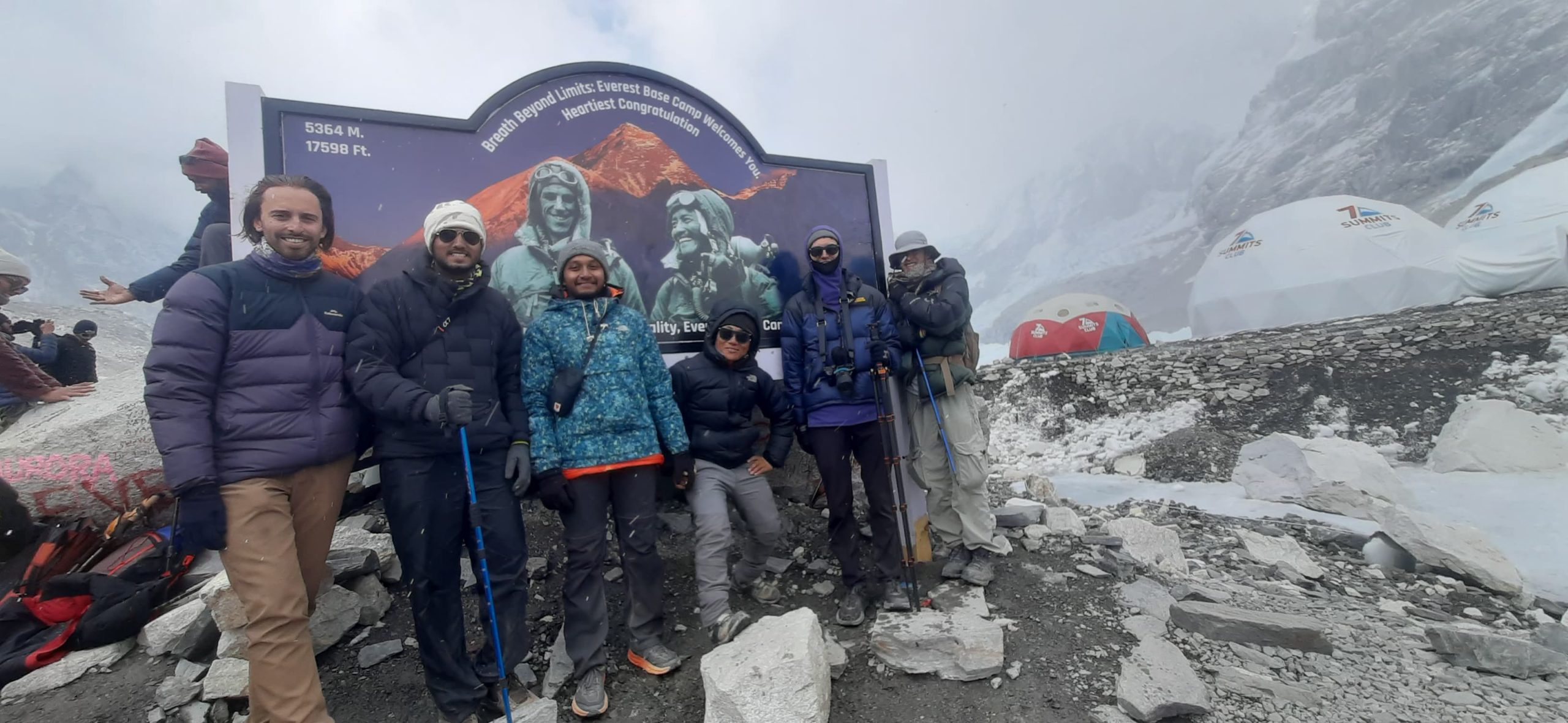
The Everest Base Camp Trek is arguably the most famous trekking route in the world. Moreover, this classic trek takes you through the heart of the Khumbu region, offering stunning views of Everest and surrounding peaks. Starting from the vibrant town of Lukla, trekkers journey through picturesque Sherpa villages, lush forests, and rugged terrain.
In addition, the trek typically spans 12–14 days, allowing time for acclimatization to prevent altitude sickness. Key highlights include Namche Bazaar, Tengboche Monastery, and Kala Patthar. Standing at Everest Base Camp, surrounded by the world’s highest mountains, is an unforgettable experience.
To begin with, the Everest Base Camp Trek is the quintessential trekking experience in the Everest region. This iconic journey takes you deep into the Khumbu Valley with breathtaking Himalayan views. The trek usually begins with a flight from Kathmandu to Lukla.
From there, trekkers pass through Sherpa villages such as Namche Bazaar, the bustling heart of the Khumbu region. Along the way, prayer flags, Buddhist monasteries, and friendly locals enrich the cultural experience.
As you ascend higher, the landscape shifts from green forests to barren alpine terrain. The air becomes thinner, increasing the challenge of the trek. However, the reward is unmatched—the opportunity to reach Everest Base Camp, where climbers prepare for their ascent.
For those with limited time, the Everest Base Camp Short Trek offers a condensed version of this classic route. It includes major highlights in a shorter timeframe, making it ideal for busy travelers.
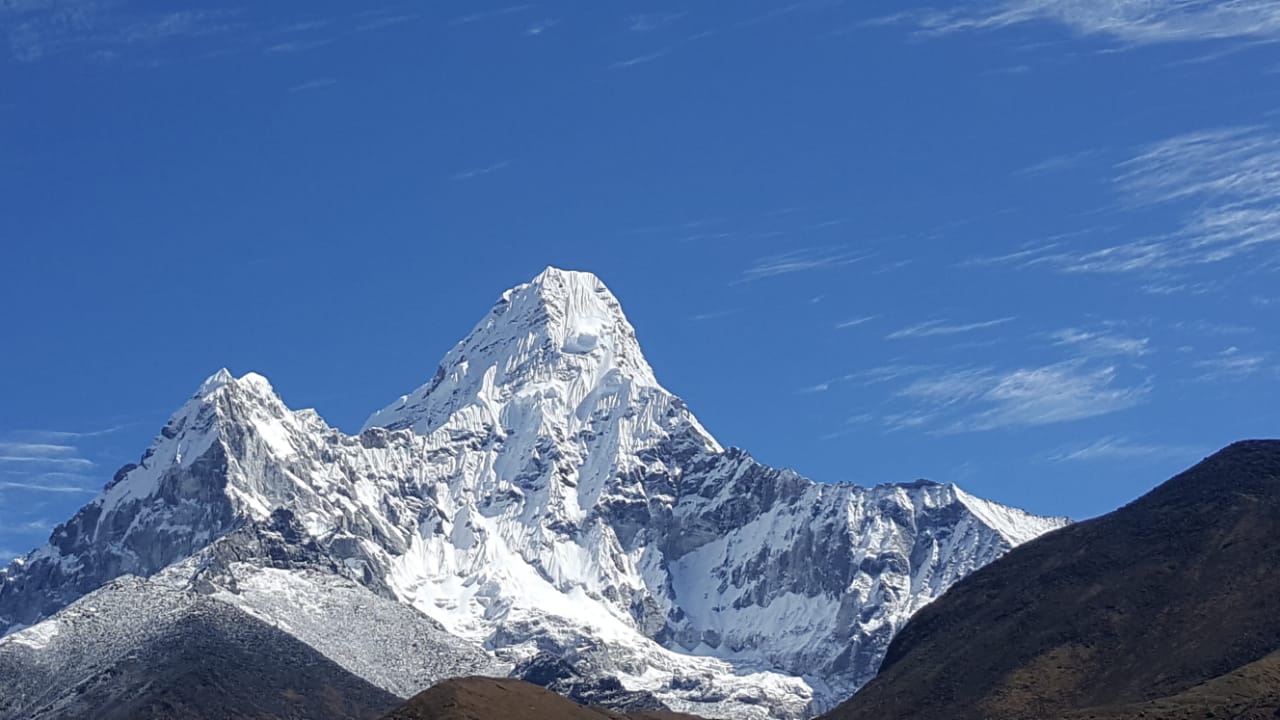
Explore Ama Dablam Base Camp Trek also in Everest region
For those seeking a slightly less crowded route, the Ama Dablam Base Camp Trek is an excellent choice. Ama Dablam, often referred to as the “Matterhorn of the Himalayas,” is one of the most stunning peaks in the region. This trek offers a more intimate experience with the local culture and the pristine natural environment.
Starting from Lukla, the trek follows the same initial route as the Everest Base Camp Trek, but diverges towards the stunning Ama Dablam. The journey takes you through lush forests, quaint villages, and terraced fields. The base camp itself, situated at 4,570 meters, provides a close-up view of the majestic Ama Dablam. The trek is moderately challenging, making it suitable for trekkers with some experience.
If you’re looking to explore a less crowded but equally stunning part of the Everest region, consider the Ama Dablam Base Camp Trek. Ama Dablam, known as the “Matterhorn of the Himalayas,” is a striking peak that rises to 6,812 meters (22,349 feet) above sea level. The trek to its base camp takes you through remote Sherpa villages and pristine alpine forests, offering a more intimate glimpse into local life and culture.
Along the way, you’ll pass through Pangboche, home to one of the oldest monasteries in the Khumbu region. The trail then ascends gradually towards Ama Dablam Base Camp, where you’ll be treated to panoramic views of the peak and its surrounding glaciers. This trek is perfect for those seeking a quieter, off-the-beaten-path adventure without sacrificing the awe-inspiring beauty of the Himalayas.
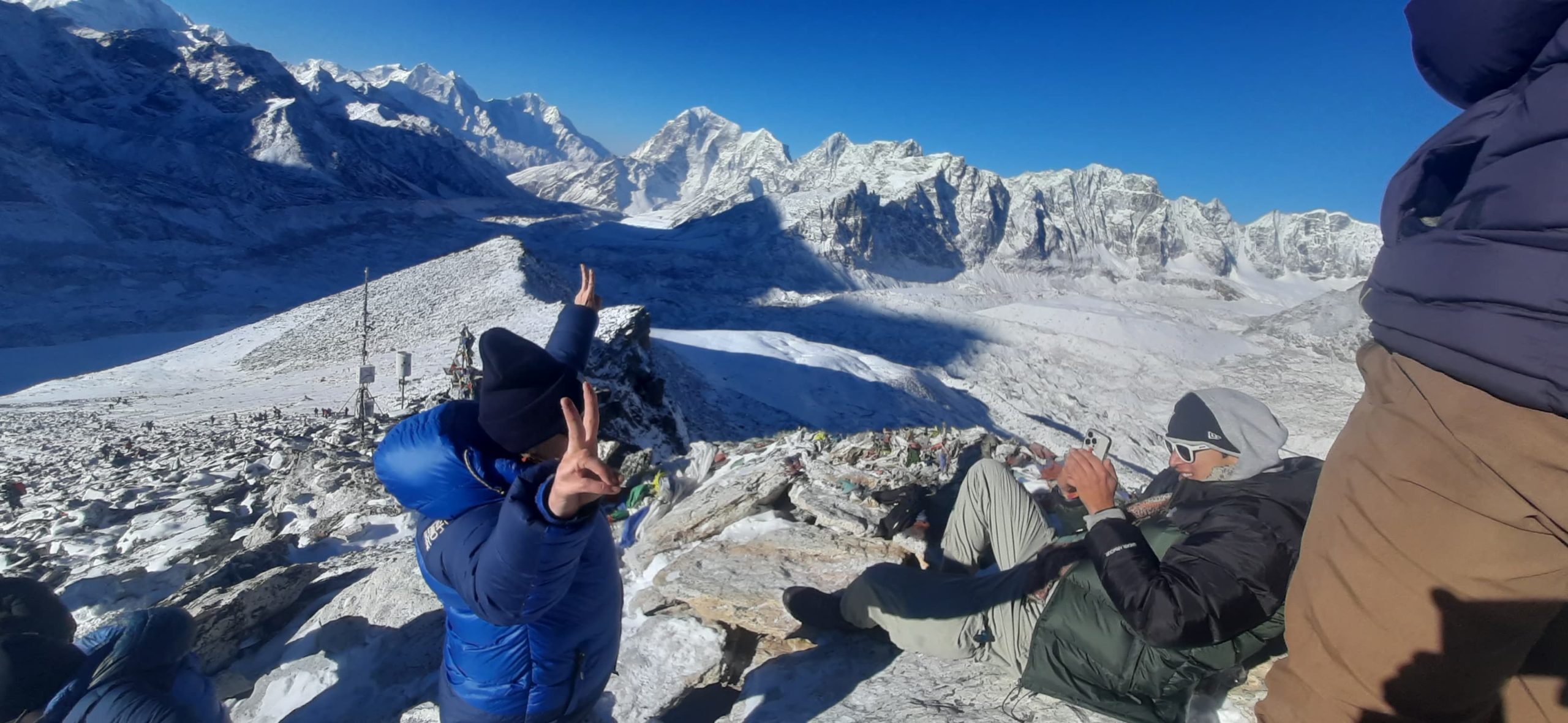
Explore the Everest Three Passes Trek
The Everest Three Passes Trek is a challenging and exhilarating adventure for experienced trekkers. This trek covers the three high passes of the Khumbu region: Kongma La (5,535 meters), Cho La (5,420 meters), and Renjo La (5,340 meters). Each pass offers spectacular panoramic views of the Everest range and beyond.
This trek is a circuit that includes the main attractions of the Everest Base Camp Trek, but with the added thrill of crossing high-altitude passes. It typically takes around 18-20 days to complete and requires a good level of physical fitness and acclimatization. The trek provides a comprehensive experience of the Everest region, including less-visited areas that offer solitude and raw beauty.
For the ultimate challenge in the Everest region, consider embarking on the Everest Three Passes Trek. This demanding route takes you over three high mountain passes—Kongma La (5,535m), Cho La (5,420m), and Renjo La (5,360m)—each offering jaw-dropping views of Everest, Lhotse, Makalu, and other towering peaks.
The Everest Three Passes Trek is not for the faint of heart. It requires a good level of fitness, as well as experience trekking at high altitudes. However, the sense of achievement and the unparalleled vistas make it a bucket-list adventure for many trekkers.
Everest Base Camp Short Trek
For those with limited time but still wanting to experience the grandeur of Everest, the Everest Base Camp Short Trek is an ideal option. This condensed version of the classic trek can be completed in 10-12 days, offering a quicker but equally rewarding adventure.
The trek follows the same route as the standard Everest Base Camp Trek, starting from Lukla and passing through Namche Bazaar, Tengboche, and Dingboche. Despite the shorter duration, trekkers still have the opportunity to witness the iconic views from Kala Patthar and experience the unique Sherpa culture. Proper acclimatization is crucial, even on this shorter trek, to ensure a safe and enjoyable journey.
Everest Base Camp Trek from Lukla
The Everest Base Camp Trek from Lukla is the traditional route taken by most trekkers. Lukla, accessible by a short flight from Kathmandu, serves as the gateway to the Everest region. From here, the journey unfolds through a series of picturesque landscapes and cultural experiences.
The trek is designed to gradually acclimatize trekkers to the high altitude, with key stops at Namche Bazaar, Tengboche, Dingboche, and Lobuche. Along the way, trekkers can explore monasteries, enjoy views of towering peaks, and immerse themselves in the vibrant Sherpa culture. The highlight, of course, is reaching Everest Base Camp and the panoramic vistas from Kala Patthar.
Everest Base Camp Trek from Kharikhola
For those seeking a less conventional route. the Everest Base Camp Trek from Kharikhola offers a unique alternative. Starting from the village of Kharikhola, this trek follows a more remote and less-traveled path to Everest Base Camp. This route provides a deeper immersion into the local culture and an opportunity to explore off-the-beaten-path areas.
The trek from Kharikhola is longer and more demanding, typically taking around 15-17 days. Trekkers will pass through traditional villages, dense forests, and alpine meadows, encountering fewer tourists along the way. This route also offers stunning views and a sense of adventure as you journey towards the iconic Everest Base Camp.
Preparation and Tips for Exploring the Everest Region
Regardless of which trek you choose, proper preparation is essential to ensure a safe and enjoyable experience. Here are some tips to help you prepare for your adventure:
- Physical Fitness: Trekking in the Everest region requires a good level of physical fitness. Engage in regular cardiovascular and strength training exercises to build endurance and strength.
- Acclimatization: Proper acclimatization is crucial to avoid altitude sickness. Plan for rest days at higher elevations and listen to your body.
- Gear and Clothing: Invest in high-quality trekking gear and clothing. Essential items include a good pair of trekking boots, thermal layers, a down jacket, and a reliable backpack.
- Permits: Ensure you have all the necessary permits, such as the Sagarmatha National Park entry permit and the TIMS card (Trekkers’ Information Management System).
- Guides and Porters: Hiring a local guide and porter can enhance your trekking experience. Everest Base Camp Trek Guides provide valuable insights into the local culture and environment, while porters help carry your heavy load.
- Health and Safety: Carry a basic first aid kit and familiarize yourself with the symptoms of altitude sickness. Stay hydrated, eat well, and avoid alcohol during the trek.
Logistics and Considerations
Before embarking on any trek in the Everest region, it’s important to consider a few practicalities:
- Permits: Obtain the necessary permits for trekking in the Sagarmatha National Park and, if applicable, for entering the Everest region.
- Guides and Porters: While it’s possible to trek independently, many trekkers opt to hire local guides and porters. Not only do they provide valuable insight into the local culture and geography, but they also help with navigation and logistics.
- Altitude Acclimatization: Take your time to acclimatize properly to avoid altitude sickness. This might involve scheduling rest days or shorter hiking days as you ascend higher into the mountains.
- Packing List: Pack appropriate gear for varying weather conditions, including sturdy hiking boots, warm layers, and a good quality sleeping bag. It’s also advisable to carry some basic first aid supplies and water purification tablets.
Khumbu Glacier:
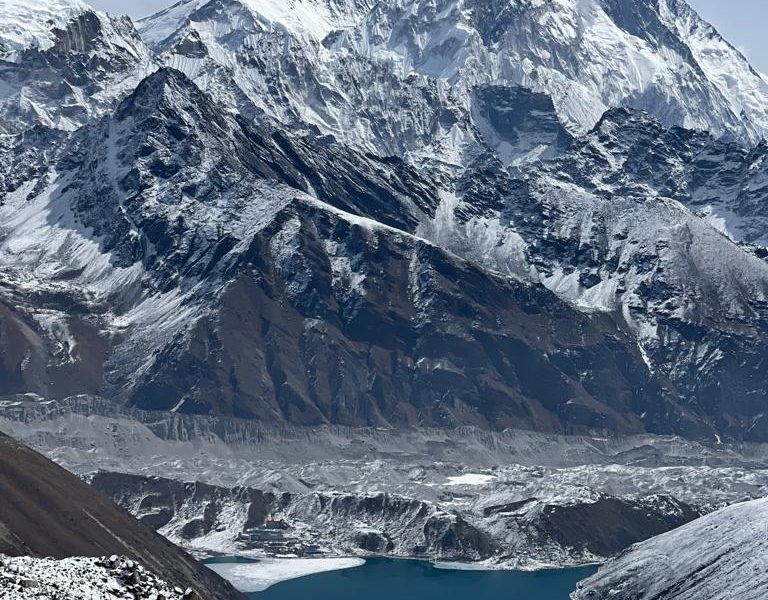
The Khumbu Glacier, located in the Everest region of Nepal, is one of the most iconic glaciers in the world. Originating from the Western Cwm, the glacier flows down the slopes of Mount Everest and the surrounding peaks, making its way to the Khumbu Valley. Stretching approximately 17 kilometers, the Khumbu Glacier is renowned for its rugged beauty and challenging terrain.
Trekkers and climbers on their way to Everest Base Camp traverse the Khumbu Glacier, encountering its dramatic icefalls, crevasses, and seracs. The most famous section, the Khumbu Icefall, is considered one of the most dangerous stages of the climb to Everest’s summit due to its constantly shifting ice.
The glacier plays a crucial role in the local ecosystem and culture. Meltwater from the glacier feeds into the DudhKoshi River, sustaining the agricultural practices of the Sherpa communities in the region. Additionally, the Khumbu Glacier holds significant spiritual importance for the Sherpa people, who consider the mountains and glaciers sacred.
As climate change impacts the Himalayas, the Khumbu Glacier is retreating, raising concerns about the long-term sustainability of water resources in the area. Nonetheless, the glacier remains a vital and awe-inspiring feature of the Everest region, drawing adventurers from around the globe.
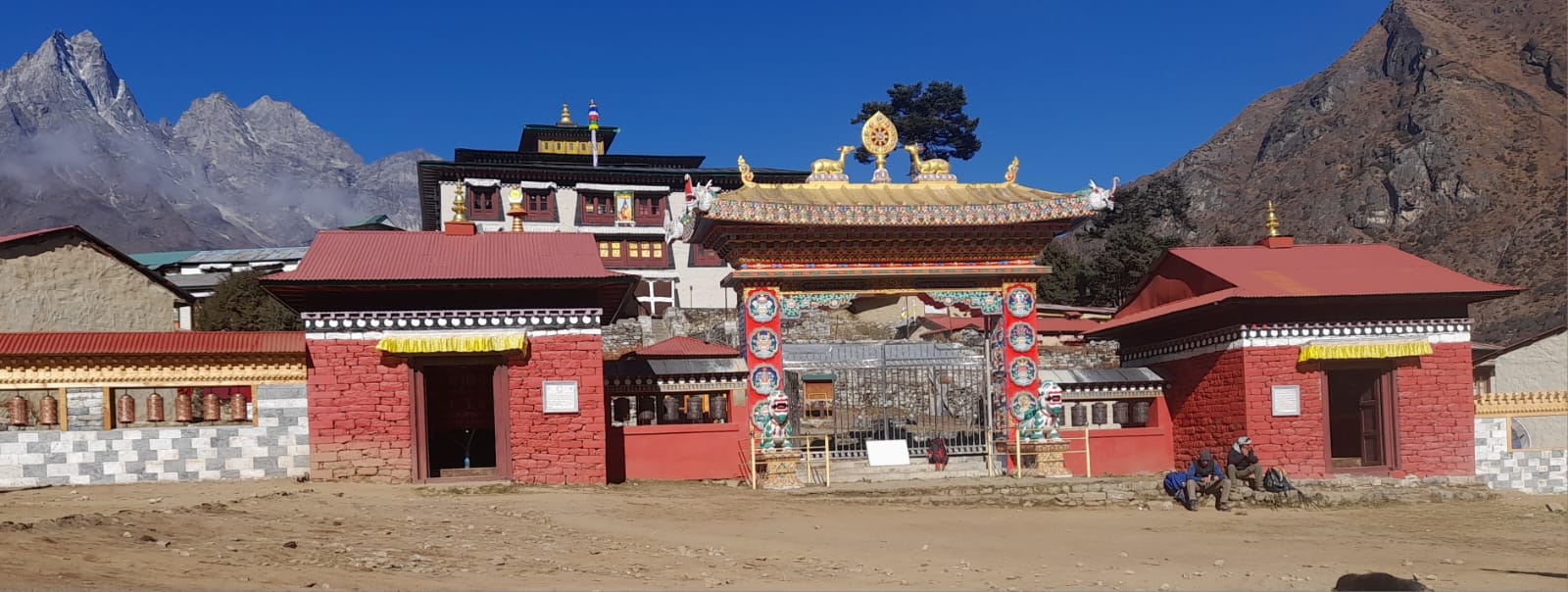
About Tengboche Monastery and About Sherpa Culture:
Tengboche Monastery
Tengboche Monastery, also known as DawaCholingGompa, is the largest and most significant monastery in the Khumbu region of Nepal. Located at an altitude of 3,867 meters, it sits on a ridge with panoramic views of Mount Everest, AmaDablam, and other Himalayan peaks. Founded in 1916 by Lama Gulu, the monastery has been a spiritual center for the Sherpa people and a vital stop for trekkers heading to Everest Base Camp.
The monastery is renowned for its vibrant Mani Rimdu festival, held annually in October or November, which features colorful masked dances, rituals, and prayers. This festival attracts both locals and trekkers, offering a unique insight into Tibetan Buddhism and Sherpa traditions. The serene atmosphere, combined with the stunning backdrop, makes Tengboche Monastery a spiritual and cultural highlight of the Everest region.
Explore The Sherpa Culture
The Sherpa people, indigenous to the Everest region, are famed for their mountaineering skills and resilient spirit. Originating from Tibet over 500 years ago, they have developed a rich culture deeply intertwined with Tibetan Buddhism. The Sherpa lifestyle revolves around their faith, with monasteries and prayer flags adorning the landscape.
Sherpas are known for their hospitality, and their villages, such as Namche Bazaar and Khumjung, offer a warm welcome to trekkers. Traditional Sherpa food includes dishes like thukpa (noodle soup) and tsampa (roasted barley flour). Their festivals, such as Losar (Tibetan New Year) and Dumji, are vibrant celebrations filled with rituals, music, and dance.
Sherpa culture emphasizes respect for nature and the mountains, which they consider sacred. Their expertise as high-altitude guides and climbers has been crucial in numerous Everest expeditions, earning them global recognition and admiration.
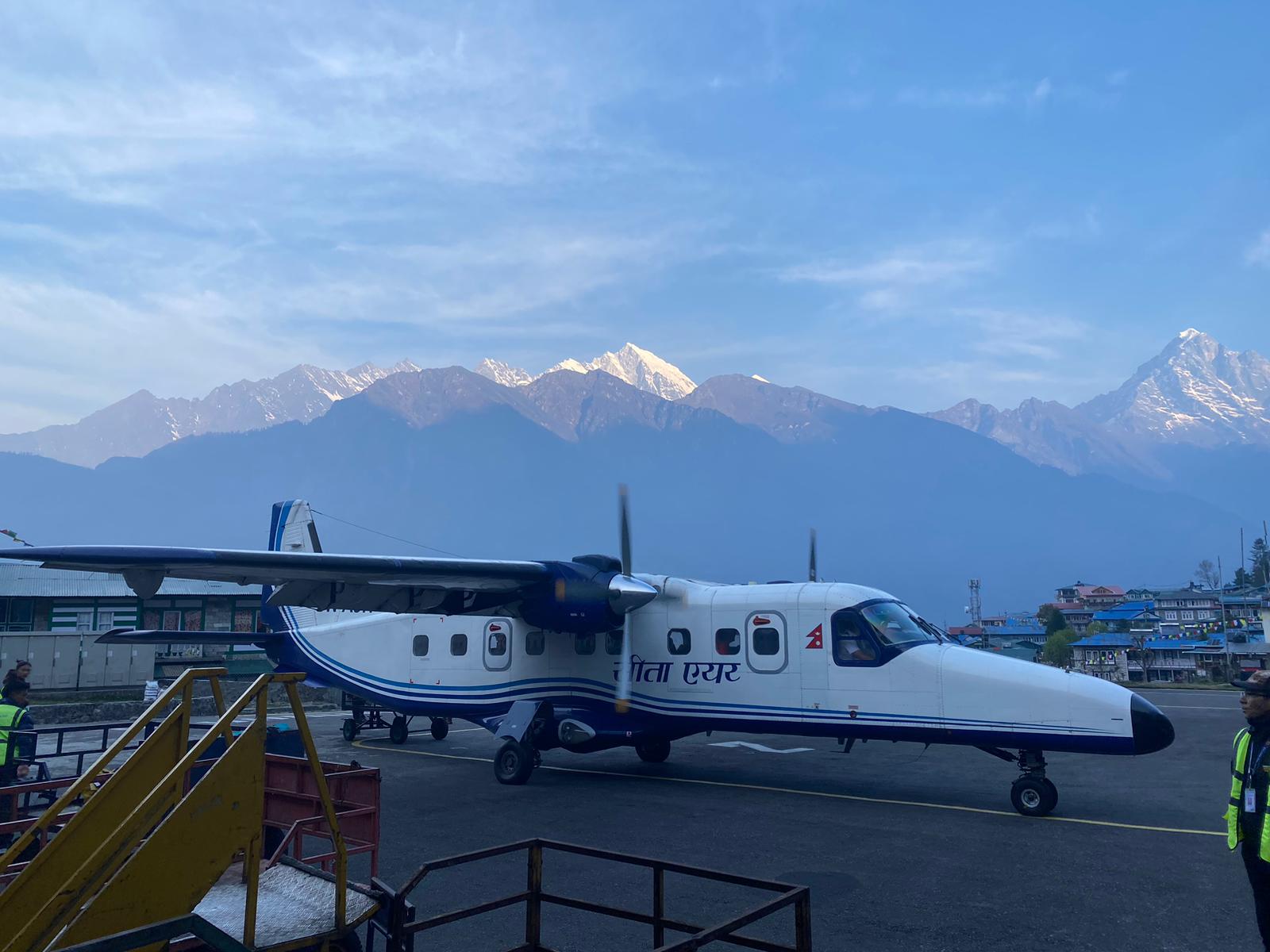
Lukla Airport
Lukla Airport, officially known as Tenzing-Hillary Airport, is a vital gateway to the Everest region in Nepal. Situated at an altitude of 2,845 meters, this small yet significant airport is named in honor of Sir Edmund Hillary and Tenzing Norgay, the first climbers to reach Mount Everest in 1953. Moreover, the airport is renowned for its unique and challenging characteristics, making it one of the most thrilling airports in the world.
In addition, the runway at Lukla Airport is only 527 meters long and 30 meters wide, sloping steeply from north to south. This short runway ends abruptly at a cliff, creating a dramatic takeoff and landing experience. Furthermore, the surrounding high peaks and unpredictable weather conditions increase the difficulty, requiring highly skilled pilots.
As a result, Lukla Airport serves as the starting point for most trekkers and climbers heading to Everest Base Camp and the Khumbu region. Daily flights from Kathmandu bring adventurers to this remote Himalayan area, saving several days of trekking.
Despite its remote location, Lukla Airport has basic facilities for travelers. It includes a small terminal, shops, and eateries for waiting passengers. However, operations depend heavily on weather conditions, so delays and cancellations are common. Therefore, patience and flexibility are essential for travelers.
In conclusion, Lukla Airport’s stunning scenery and thrilling landings make it an unforgettable part of the Everest trekking experience.
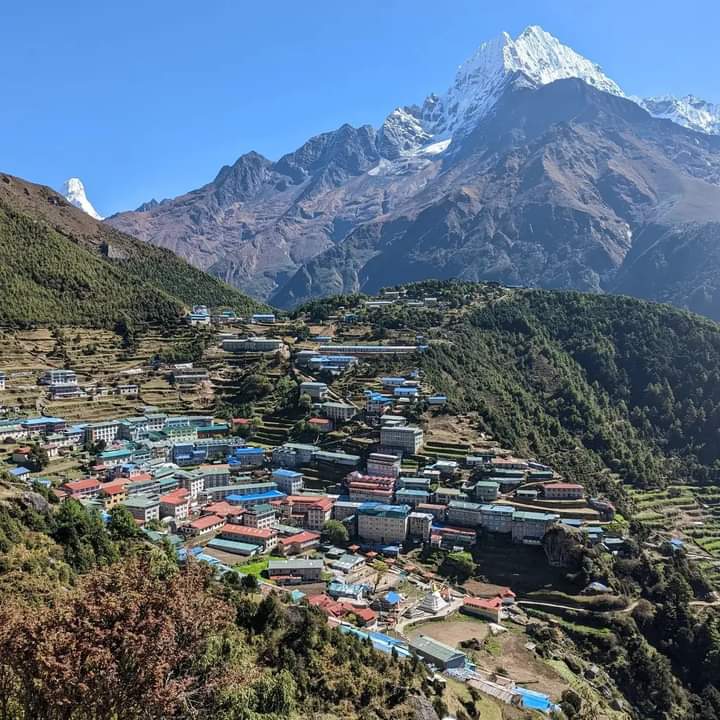
Explore The Namche Bazaar
Namche Bazaar, often referred to as the gateway to Everest, is a vibrant Sherpa town nestled in the Khumbu region of Nepal at an altitude of 3,440 meters. This bustling hub is a crucial acclimatization stop for trekkers and climbers en route to Everest Base Camp, offering a blend of cultural richness and modern amenities.
Moreover, the town is strategically located on a horseshoe-shaped slope with stunning views of Kongde Ri, Thamserku, and the distant Himalayan peaks. Additionally, it is accessible via a two-day trek from Lukla, the region’s main entry point. Along the way, the journey to Namche involves crossing suspension bridges over the Dudh Koshi River and passing through lush pine forests, providing a scenic introduction to the trek.
Namche Bazaar is the world meeting point in the Everest Region
Namche Bazaar is renowned for its vibrant Saturday market. Traders from nearby villages and Tibet sell traditional crafts and trekking gear. The market reflects the town’s centuries-old trading heritage.
In addition, Namche Bazaar offers accommodations ranging from basic teahouses to comfortable lodges. Cafes, bakeries, and restaurants serve local Sherpa and international dishes. These facilities provide a relaxing stop for trekkers.
Beyond its hospitality, the town features several cultural and historical attractions. The Sherpa Culture Museum highlights local history and traditions. Namche Monastery reflects the region’s strong Buddhist heritage. The Sagarmatha National Park Visitor Center explains local wildlife and conservation efforts.
Furthermore, Namche Bazaar is a popular base for acclimatization hikes. The Everest View Hotel offers spectacular views of Everest, Lhotse, and Ama Dablam. Many trekkers spend an extra day acclimatizing in Namche. Nearby villages include Khumjung and Khunde. Visitors can explore the Edmund Hillary School and Hospital.
Namche Bazaar is more than a trekking stop. It showcases Sherpa culture, warm hospitality, and mountain traditions. The town remains an essential highlight of every Everest region trek.
Sagarmatha National Park
Sagarmatha National Park was established in 1976 and is a UNESCO World Heritage Site. It is located in Nepal’s Solukhumbu District. The park covers 1,148 square kilometers of Himalayan landscapes. It includes Mount Everest, Lhotse, Nuptse, and the famous Khumbu Glacier. “Sagarmatha” means “Forehead of the Sky” in Nepali.
Moreover, the park features rugged mountains, deep gorges, and glacial valleys. Elevations range from 2,845 meters at Lukla to Everest’s 8,848-meter summit. This elevation creates diverse climatic zones and ecosystems. Visitors experience temperate forests, alpine meadows, and high-altitude deserts.
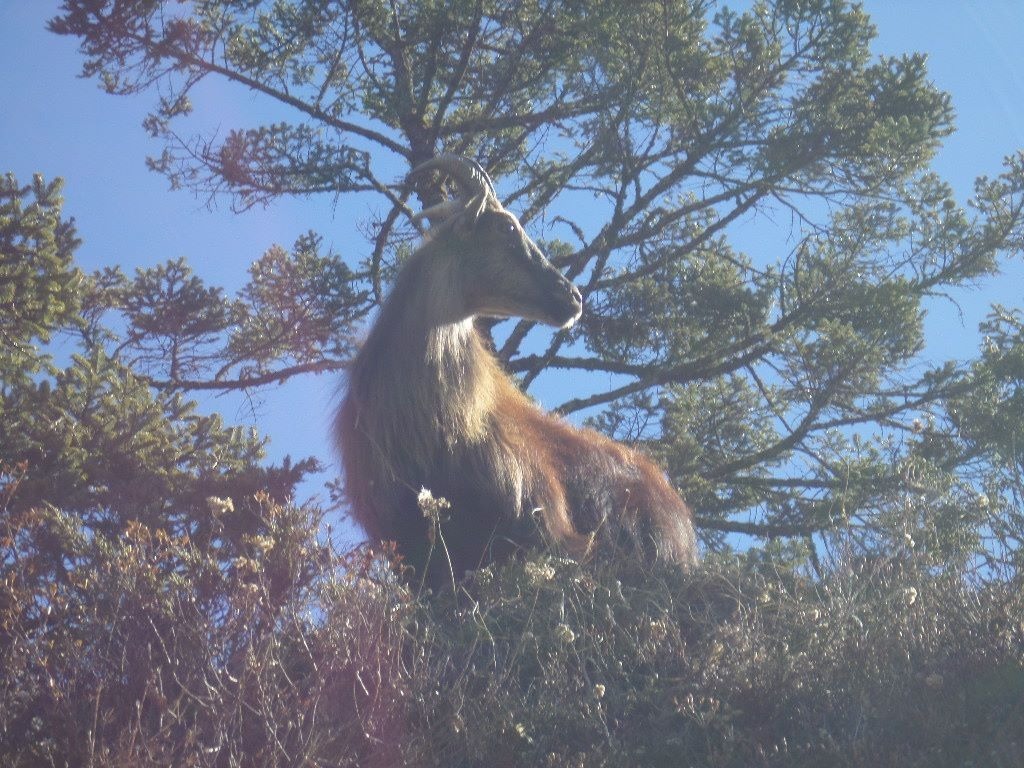
In addition, Sagarmatha National Park supports diverse plants and wildlife. Lower forests contain rhododendron, birch, and juniper trees. Wildlife includes musk deer, Himalayan tahr, and red pandas. Higher elevations provide habitat for the colorful Himalayan monal. Snow leopards and Himalayan black bears inhabit remote mountain areas.
Beyond its natural richness, the park is also a cultural treasure. It is home to the Sherpa people and their vibrant traditions. Sherpa villages and monasteries reflect their rich Himalayan heritage. Prayer flags, mani stones, and chortens decorate the mountain landscapes.
Furthermore, trekkers and climbers from around the world visit the park. The Everest Base Camp Trek passes through this spectacular protected area. Visitors enjoy breathtaking mountain views and authentic Sherpa culture. The visitor center in Namche Bazaar highlights the region’s natural and cultural heritage.
Overall, Sagarmatha National Park inspires adventurers with its natural beauty and cultural significance. It remains one of Nepal’s most iconic trekking and exploration destinations.
Conclusion
Moreover, exploring the Everest Region offers diverse trekking experiences with unique landscapes and challenges. Choose the classic Everest Base Camp Trek or the scenic Ama Dablam Base Camp Trek. Adventurous trekkers can also attempt the challenging Everest Three Passes Trek. Every route promises unforgettable mountain scenery and rewarding experiences. Rich Sherpa culture adds depth to every journey. Reaching your destination brings a strong sense of achievement. Trekking in the Everest region creates lasting memories. Lace up your boots, pack your bags, and begin your Himalayan adventure.
Namche Bazaar, often referred to as the gateway to Everest, is a vibrant Sherpa town nestled in the Khumbu region of Nepal at an altitude of 3,440 meters. This bustling hub is a crucial acclimatization stop for trekkers and climbers en route to Everest Base Camp, offering a blend of cultural richness and modern amenities.
Moreover, the town is strategically located on a horseshoe-shaped slope with stunning views of Kongde Ri, Thamserku, and distant Himalayan peaks. Additionally, it is accessible via a two-day trek from Lukla, the region’s main entry point. Along the way, trekkers cross suspension bridges over the Dudh Koshi River and pass through lush pine forests, creating a scenic introduction to the journey.