
Everest Base Camp Altitude and Difficulty: Complete Guide with Preparation Tips
Everest Base Camp altitude and difficulty: The Everest Base Camp (EBC) Trek is one of the world’s most legendary trekking adventures, attracting thousands of trekkers every year who dream of standing at the base of the highest mountain on Earth—Mount Everest (8,848.86 meters / 29,031 feet). This unforgettable Himalayan journey offers spectacular mountain scenery, authentic Sherpa culture, ancient monasteries, and the personal satisfaction of completing one of the world’s greatest high-altitude treks.
While the Everest Base Camp Trek does not require technical climbing skills, it is a physically demanding adventure due to its high altitude, long walking days, and changing mountain weather. Understanding the altitude, trekking difficulty, and proper preparation is essential for anyone planning this incredible journey. Everest Base Camp Trek Difficulties is similar as Annapurna Thorong La Pass Trek Nepal.
Whether you are a first-time trekker or an experienced hiker, this guide explains everything you need to know about the Everest Base Camp altitude, difficulty level, acclimatization, fitness requirements, and practical preparation tips to ensure a safe and memorable trekking experience.
Everest Base Camp Altitude
The Everest Base Camp is situated at an elevation of 5,364 meters (17,598 feet) above sea level in Nepal’s Sagarmatha National Park, Solukhumbu District. It serves as the starting point for climbers attempting to summit Mount Everest from the Nepalese side.
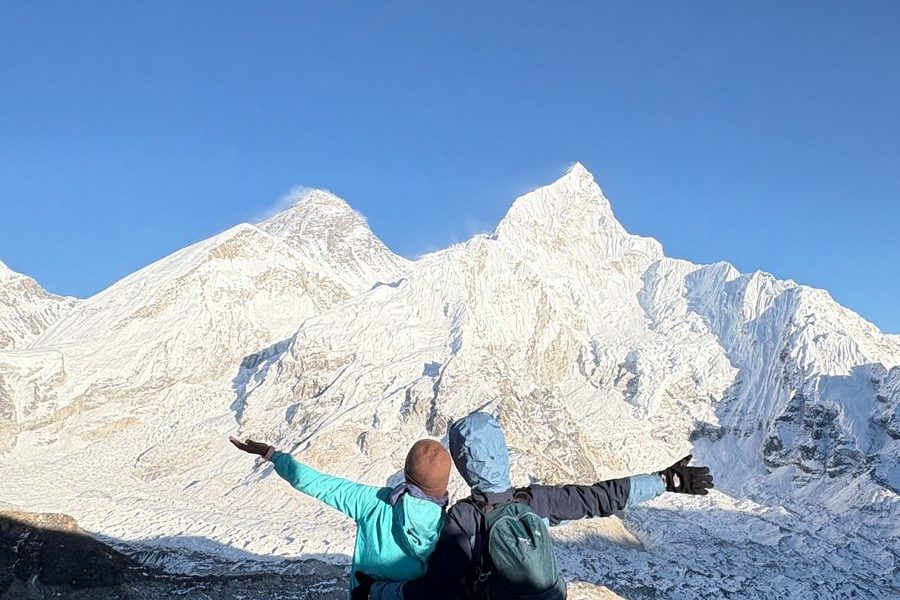
Although reaching Everest Base Camp is a remarkable achievement, many trekkers continue to Kala Patthar (5,545 meters), the highest point of the standard trek. Kala Patthar offers the best panoramic views of Mount Everest, Lhotse, Nuptse, Pumori, and the surrounding Himalayan giants, especially during sunrise.
Unlike mountain climbers, trekkers do not climb Everest itself. Instead, they follow a scenic trail through traditional Sherpa villages, suspension bridges, alpine forests, glaciers, and rugged mountain landscapes.
If you’re planning your adventure, our Everest Base Camp Private Trek – 12 Days provides a well-designed itinerary with proper acclimatization for a safe and rewarding experience.
Everest Base Camp Altitude Breakdown
Below is the typical altitude progression during the trek:
| Destination | Altitude |
|---|---|
| Kathmandu | 1,400 m |
| Lukla | 2,860 m |
| Phakding | 2,610 m |
| Namche Bazaar | 3,440 m |
| Tengboche | 3,867 m |
| Dingboche | 4,410 m |
| Lobuche | 4,910 m |
| Gorakshep | 5,164 m |
| Everest Base Camp | 5,364 m |
| Kala Patthar | 5,545 m |
The gradual gain in elevation allows trekkers to acclimatize while enjoying the changing landscapes of the Everest region.
Why Altitude Matters
Altitude is the biggest challenge on the Everest Base Camp Trek.
As you climb higher, the air pressure decreases, meaning there is significantly less oxygen available. By the time you reach Everest Base Camp, the oxygen level is approximately 50% lower than at sea level.
Because of this, even experienced hikers often notice:
- Faster breathing
- Increased heart rate
- Reduced energy
- Slower walking pace
- Difficulty sleeping
Simple activities such as climbing stairs or walking uphill become noticeably more difficult at higher elevations.
Fortunately, your body gradually adapts through proper acclimatization.
Acclimatization During the Everest Base Camp Trek
Acclimatization is the process of allowing your body to adjust to lower oxygen levels.
Most standard itineraries include two important acclimatization days:
Namche Bazaar (3,440m)
Trekkers spend an extra day exploring nearby viewpoints like:
- Everest View Hotel
- Khumjung Village
- Syangboche
These short hikes help the body adapt while enjoying stunning Himalayan scenery.
Dingboche (4,410m)
A second acclimatization day is usually spent hiking to:
- Nangkartshang Peak
- Chhukung Valley
These hikes improve acclimatization before entering much higher elevations.
Skipping acclimatization significantly increases the risk of altitude sickness.
Everest Base Camp Trek Difficulty
Many people wonder:
Is the Everest Base Camp Trek difficult?
The answer is moderately challenging.
The trek does not require technical climbing, ropes, crampons, or mountaineering experience. However, it demands:
- Good physical fitness
- Mental determination
- Daily hiking endurance
- Ability to trek at high altitude
The challenge comes primarily from the combination of altitude and consecutive trekking days rather than difficult trails.
What Makes the Everest Base Camp Trek Challenging?
1. High Altitude
The biggest challenge is the reduced oxygen level.
Walking becomes increasingly slower after Namche Bazaar, and many trekkers experience mild altitude symptoms despite good fitness.
2. Long Walking Days
Most trekking days involve:
- 5–7 hours of hiking
- Approximately 10–15 km per day
- Continuous ascents and descents
The overall trekking distance is approximately 130 km (round trip).
3. Steep Mountain Trails
The route includes:
- Stone staircases
- Rocky trails
- Suspension bridges
- Glacier moraines
- Uneven terrain
Although technically easy, the constant elevation changes require stamina.
4. Cold Weather
Temperatures vary greatly depending on the season.
At higher elevations, nighttime temperatures may drop below:
- -10°C during spring
- -20°C during winter
Proper clothing is essential for comfort and safety.
Is Altitude Sickness Common?
Altitude sickness is the most common concern during the Everest Base Camp Trek.
The medical term is Acute Mountain Sickness (AMS).
Common symptoms include:
- Headache
- Dizziness
- Fatigue
- Nausea
- Loss of appetite
- Difficulty sleeping
- Shortness of breath
Most cases are mild and improve with rest.
However, severe symptoms require immediate descent and medical attention.
The best prevention methods include:
- Ascend slowly
- Stay hydrated
- Avoid alcohol
- Eat nutritious meals
- Sleep well
- Never ignore symptoms
Physical Fitness for Everest Base Camp
You do not need to be an athlete, but good physical conditioning makes the trek much more enjoyable.
Ideally, begin training 8–10 weeks before your trek.
Focus on:
- Cardiovascular exercises
- Stair climbing
- Hiking
- Running
- Cycling
- Swimming
- Strength training
- Core exercises
Weekend hikes with a backpack are especially beneficial.
Mental Preparation
Mental endurance is just as important as physical fitness.
Weather changes, long walking days, cold mornings, and basic teahouse accommodations can test your patience.
A positive mindset and realistic expectations greatly improve the trekking experience.
Best Time for Everest Base Camp Trek
The two best trekking seasons are:
Spring (March–May)
Advantages:
- Stable weather
- Rhododendron forests in bloom
- Excellent mountain visibility
- Comfortable temperatures
Autumn (September–November)
Advantages:
- Crystal-clear skies
- Dry weather
- Spectacular Himalayan views
- Ideal trekking conditions
Winter and monsoon trekking are possible but involve additional challenges.
Essential Preparation Tips
Preparation is the key to successfully completing the Everest Base Camp Trek.
Train Early
Begin fitness training at least two months before departure.
Pack Properly
Essential gear includes:
- Waterproof hiking boots
- Down jacket
- Sleeping bag
- Trekking poles
- Layered clothing
- Gloves
- Warm hat
- Sunglasses
- Sunscreen
- Reusable water bottles
Stay Hydrated
Drink at least 3–4 liters of water daily.
Proper hydration significantly reduces altitude-related problems.
Walk Slowly
Many first-time trekkers make the mistake of walking too fast.
Experienced Sherpa guides recommend maintaining a slow, steady pace throughout the journey.
Hire a Guide
A professional guide provides:
- Navigation
- Safety
- Local knowledge
- Cultural insights
- Emergency assistance
A porter can also carry your heavier luggage, allowing you to enjoy the trek more comfortably.
Everest Base Camp Trek Itinerary Options
Trekkers can choose from several itineraries depending on available time and fitness level.
If you’re looking for a shorter yet well-paced adventure, consider our Everest Base Camp Trek 11 Days, which is designed for trekkers with limited time while still allowing adequate acclimatization. (Internal Link: Everest Base Camp Trek 11 Days)
For travelers seeking a balanced itinerary with comfortable pacing and acclimatization, the Everest Base Camp Trek – 12 Days is one of the most popular choices.
Before selecting an itinerary, it’s worth reading our Best Everest Base Camp Trek Guide, which covers routes, seasons, permits, accommodations, and practical advice to help you plan the perfect Himalayan adventure.
Things to Know Before Trekking to Everest Base Camp
Proper planning makes a significant difference in your overall trekking experience.
Before starting your journey, make sure you understand:
- Trek permits
- Flight delays to Lukla
- Teahouse accommodations
- Internet and charging facilities
- Drinking water options
- ATM availability
- Travel insurance requirements
- Emergency helicopter evacuation
- Local customs and etiquette
For a complete checklist, read our detailed guide on Things to Know Before the Trekking to Everest Base Camp before your departure.
Looking for Other Trekking Adventures?
If you’re considering another classic Himalayan trek, the Annapurna Base Camp Trek offers incredible mountain scenery at a lower altitude and is an excellent alternative for trekkers who prefer a slightly easier experience.
You can prepare with our helpful Annapurna Base Camp Trek Tips, covering packing advice, fitness recommendations, and the best trekking seasons.
Final Thoughts of Everest Base Camp Altitude and Difficulty
The Everest Base Camp Trek is much more than reaching an altitude of 5,364 meters—it is a journey through some of the world’s most spectacular mountain landscapes, rich Sherpa culture, and the heart of the Himalayas. While the trek is physically demanding due to its high elevation, long walking days, and unpredictable weather, it remains achievable for anyone who prepares properly, follows a sensible acclimatization schedule, and maintains a positive attitude.
Whether you choose an 11-day or 12-day itinerary, careful planning and realistic expectations are the keys to success. By understanding the challenges of altitude, training in advance, packing the right gear, and trekking at a steady pace, you’ll maximize both your safety and enjoyment.
Standing beneath the towering peaks of Everest, surrounded by glaciers and prayer flags, is a once-in-a-lifetime accomplishment that rewards every step of the journey. With the right preparation, the Everest Base Camp Trek will leave you with unforgettable memories and a profound appreciation for the beauty and grandeur of the Nepalese Himalayas.