- Details
- Short Itinerary
Detailed itinerary
Itinerary- Tour Includes/Excludes
- Cost and Dates
- Useful Info
- Map
- Photos
- FAQ
- Reviews
Trip overview
Everest Base Camp Trek Overview
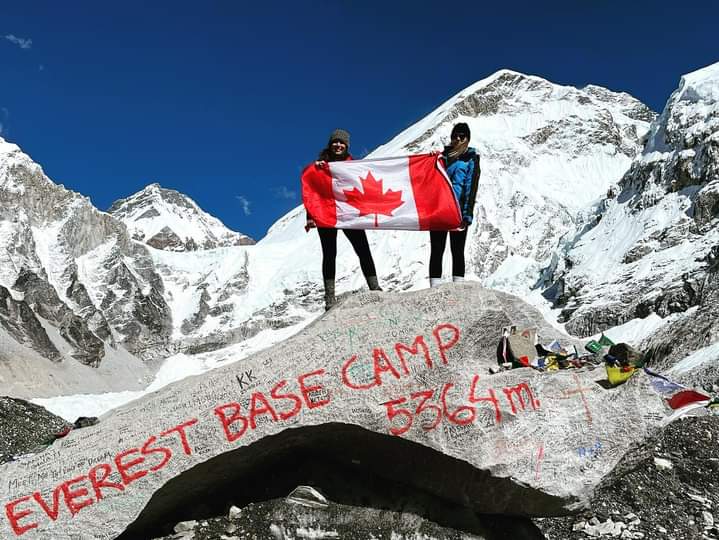
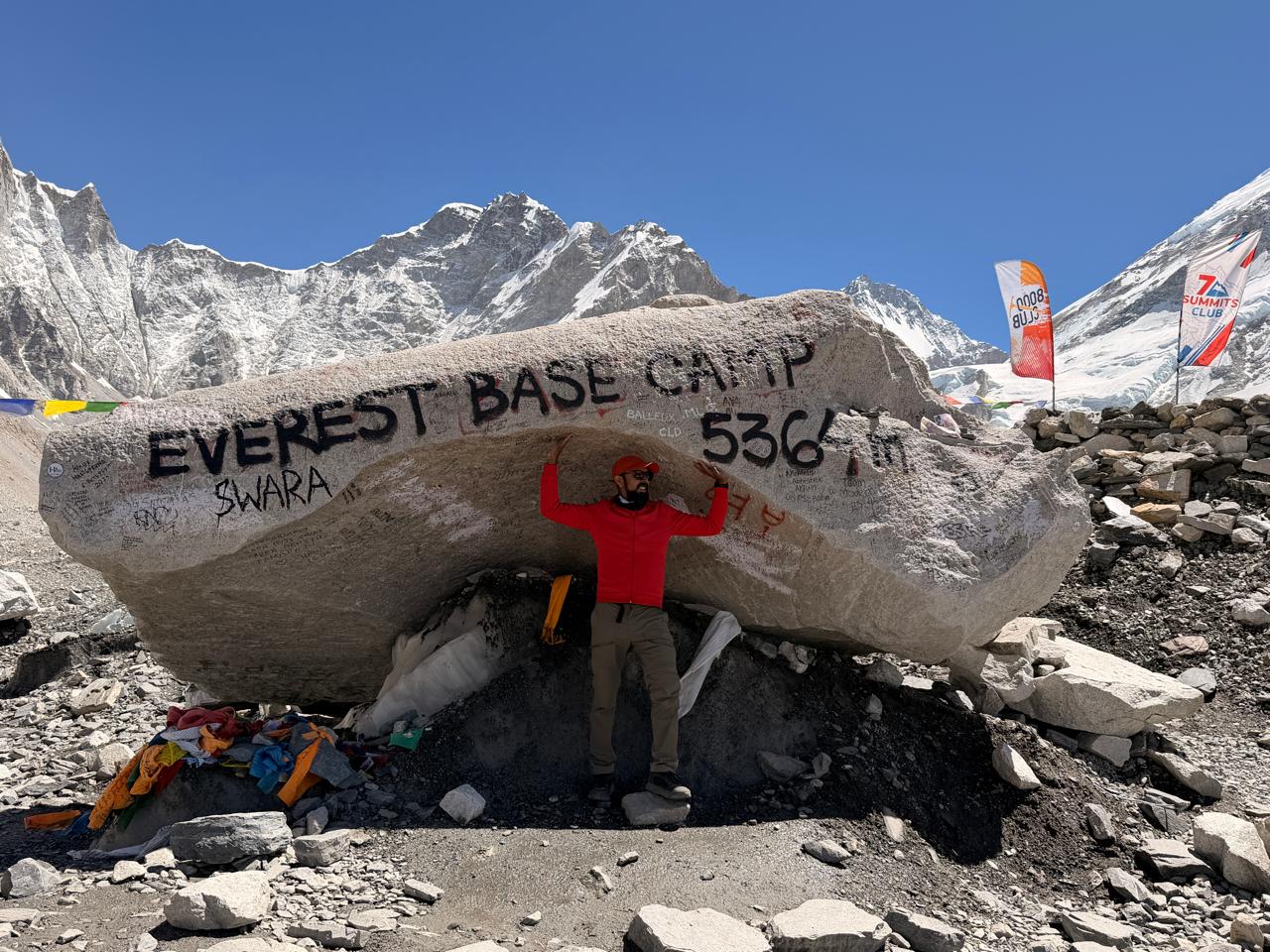
The Everest Base Camp Trek 12 Days is one of Nepal’s most iconic Himalayan adventures. It takes you to the foot of the world’s highest mountain at Everest Base Camp (5,364 m). This carefully designed itinerary by Himalaya View Treks combines breathtaking mountain scenery and authentic Sherpa culture. In addition, it includes well-planned acclimatization to create an unforgettable trekking experience.
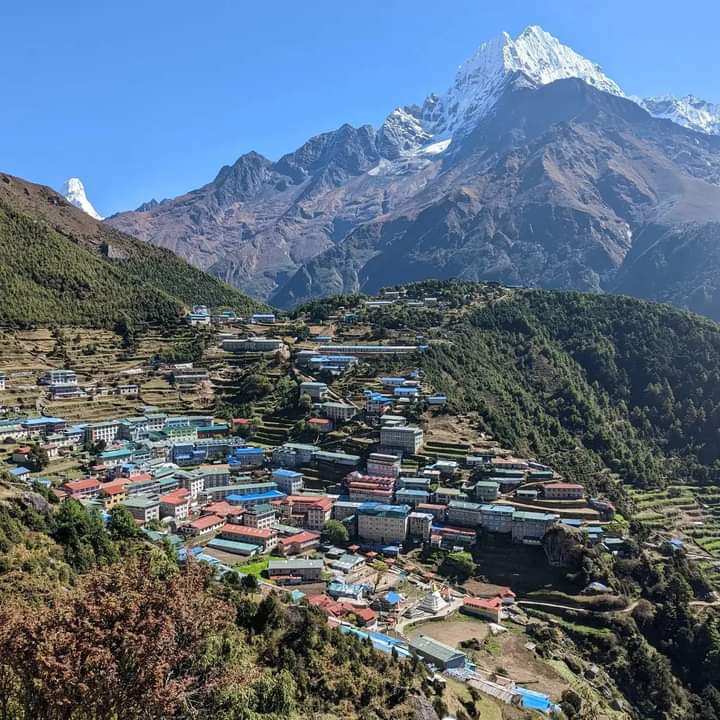
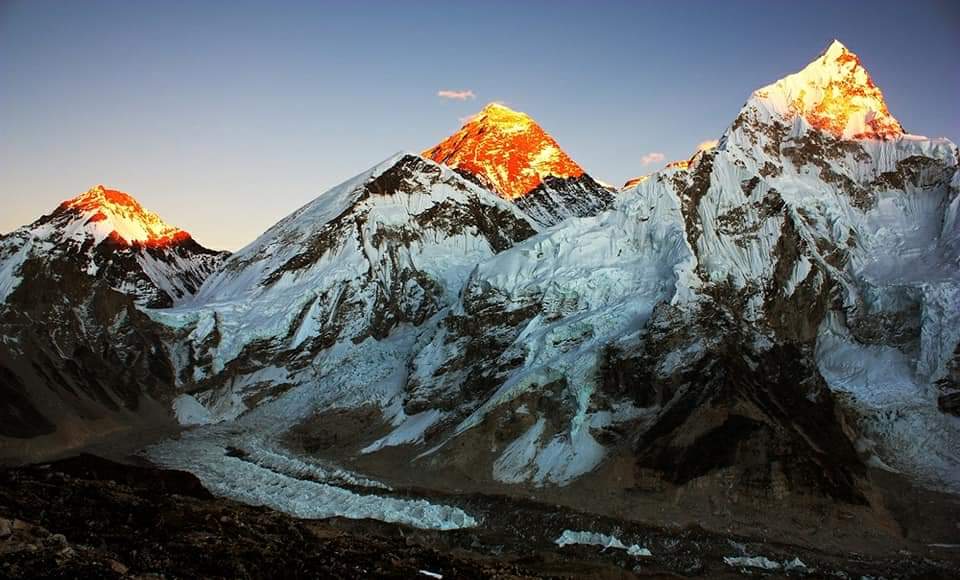
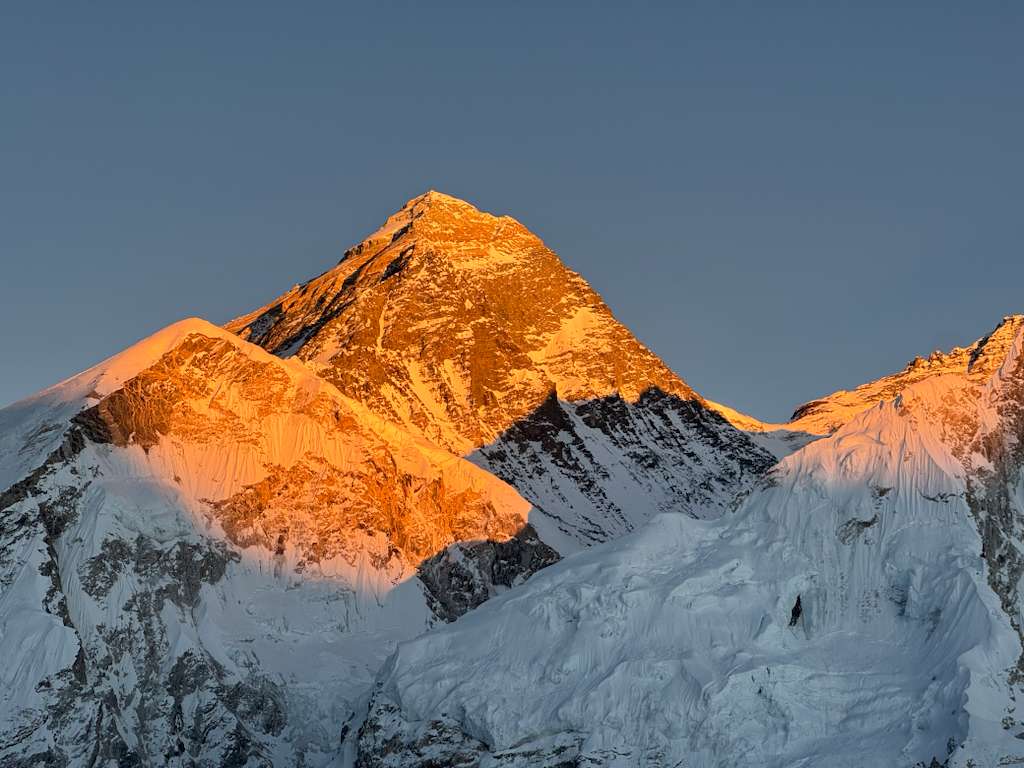
Following the legendary route first explored by Sir Edmund Hillary and Tenzing Norgay, you’ll trek through the vibrant town of Namche Bazaar. Then you will visit ancient Buddhist monasteries, cross thrilling suspension bridges, and enjoy spectacular views of Mount Everest, Lhotse, Nuptse, Ama Dablam, and other Himalayan giants. The trek also includes a sunrise hike to Kala Patthar (5,545 m). This is the best viewpoint for close-up panoramas of Mount Everest.
Whether you’re an experienced trekker or a fit first-time adventurer, the Everest Base Camp Trek 12 Days offers the perfect balance of adventure, culture, and natural beauty. With experienced local guides and comfortable teahouse accommodation, you will be well cared for. Also, a thoughtfully planned itinerary ensures this journey is the ideal way to experience the magic of the Everest region.
Everest Base Camp Trek 2026/2027 Update
* Daily Kathmandu–Lukla flights available in off-season.
* Peak season flights may operate via Ramechhap.
* Private departures available every day.
* Local Sherpa guides and porters from the Everest region.
* Early booking recommended for October and November.
Why Choose the Everest Base Camp Trek?
The Everest Base Camp Trek ranks among Nepal’s most iconic Himalayan adventures. The journey takes you through the Khumbu region to the foot of Mount Everest, the world’s highest mountain.
Our 12-day itinerary combines adventure, Himalayan scenery, Sherpa culture, and carefully planned acclimatization. Whether you are an experienced trekker or a first-time adventurer, our route offers a manageable high-altitude experience. You will explore Namche Bazaar, visit Buddhist monasteries, cross suspension bridges, and experience traditional Sherpa villages. The trail also offers spectacular views of Mount Everest, Lhotse, Nuptse, Ama Dablam, and other Himalayan peaks. We include acclimatization days in Namche Bazaar and Dingboche to help you adjust gradually to higher elevations. Along the way, you can discover Sherpa culture, local traditions, and mountain life in the Khumbu region.
The trail crosses the famous Hillary Suspension Bridge and passes through villages such as Namche Bazaar and Khumjung. You will also visit Tengboche Monastery, an important cultural and spiritual landmark in the Everest region. Our experienced local guides provide support throughout the trek and help you follow the route safely. With comfortable teahouse accommodation and careful planning, Himalaya View Treks helps you experience Everest Base Camp with confidence.
Panoramic Views of Mount Everest from Kala Patthar
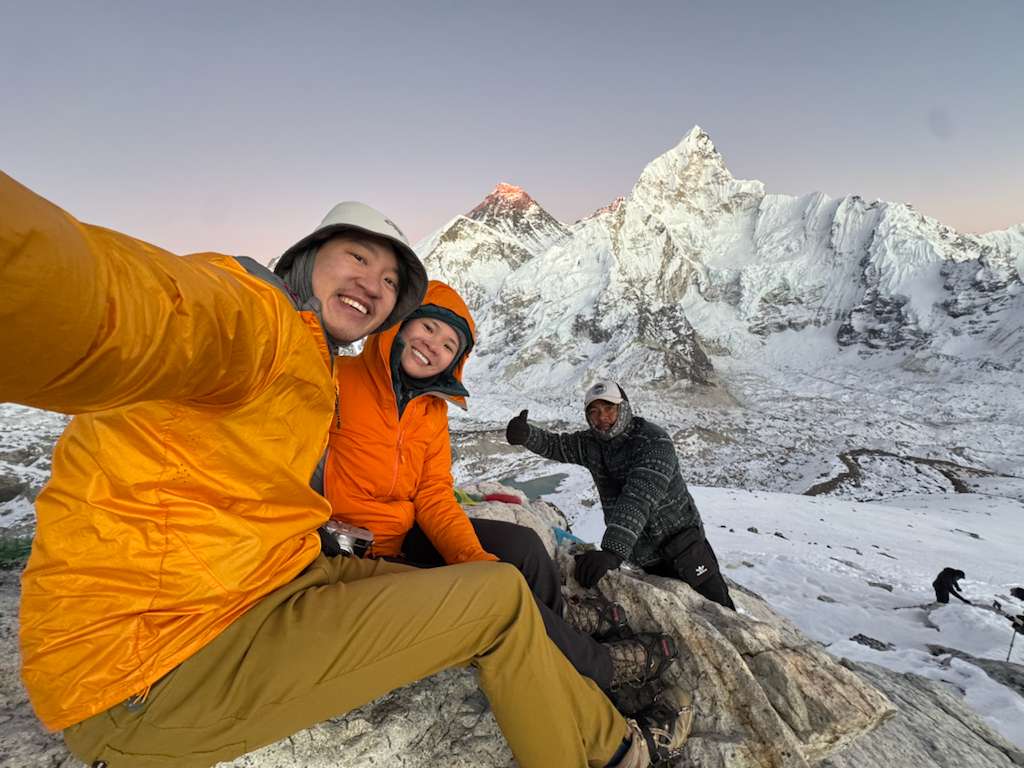
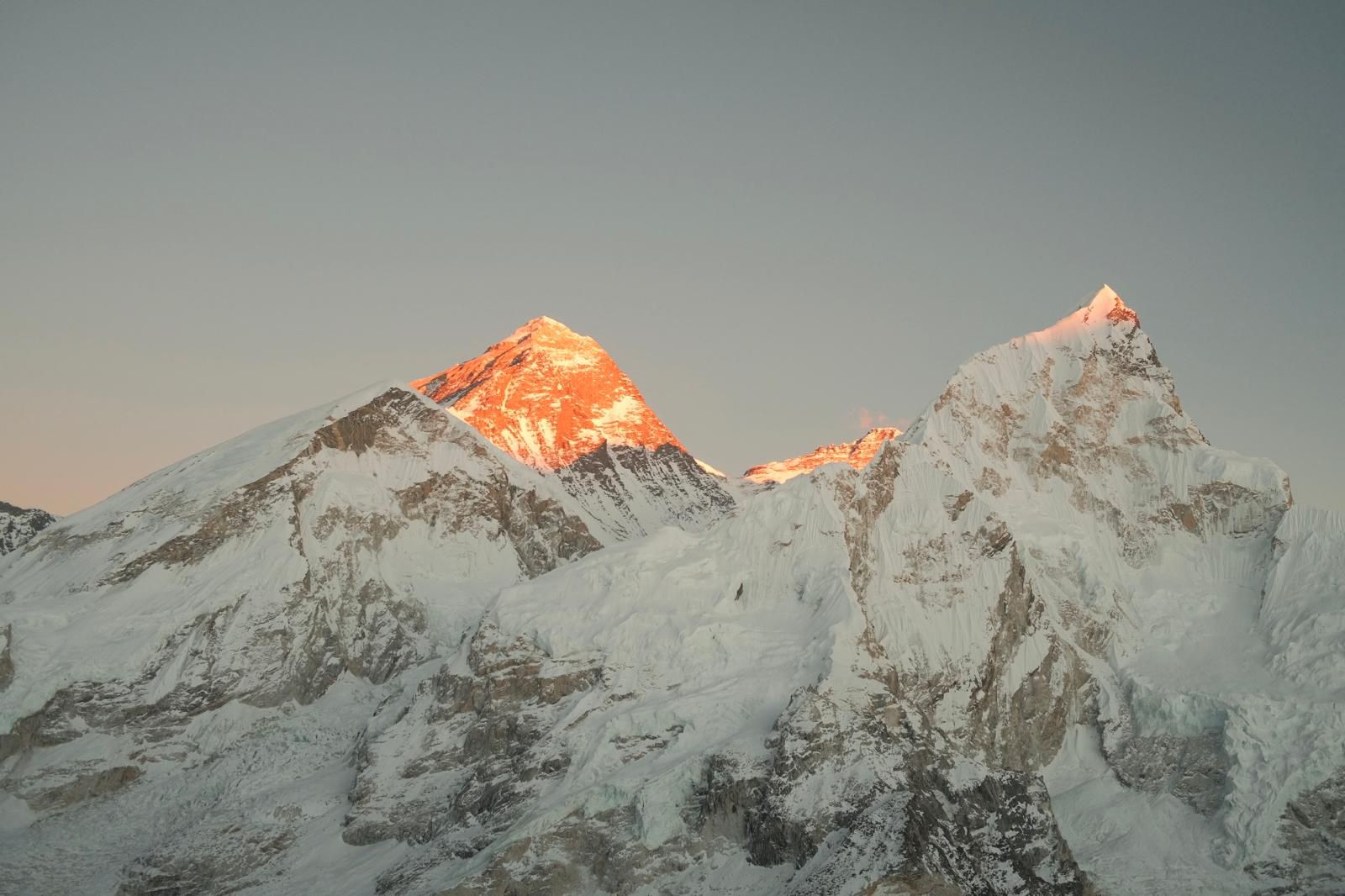
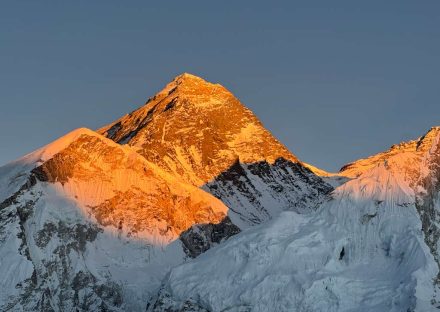
The Kala Patthar is the Highest point of 12 days Everest Base Camp Trek, Elevation of Kala Patthar is 5545m. You will be able to see closer Mount Everest Views from Kala Patthar. And Everest base camp (EBC) is 5364m. from the sea level.
However, the Wonderful Journey to Everest base Camp within Pasang Lhamu rural Municipality of the Sherpa Kingdom Khumbu Nepal includes ascents to Kala Patthar peak at (5545m), via Khumbu Glacier an important highlight of the 12-day EBC route. Namche Bazaar is the Main gateway to Everest base camp and Everest region treks.
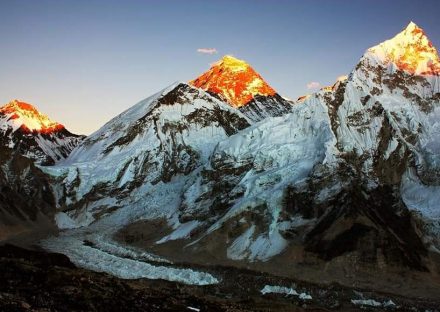
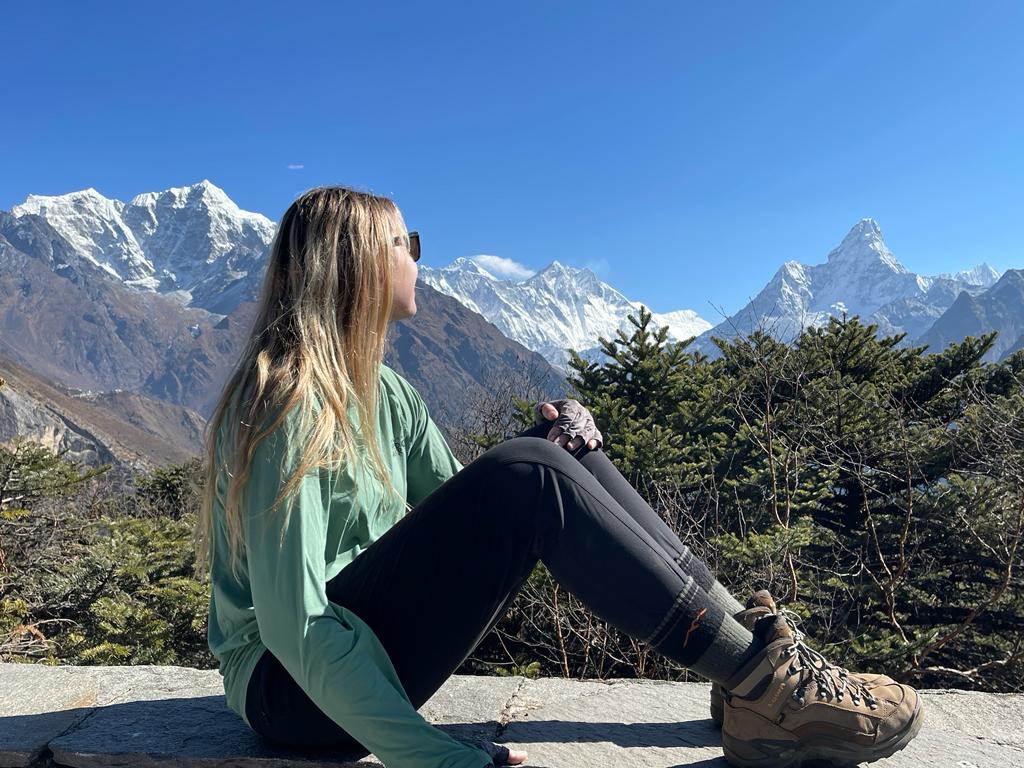
For instance, you will see some world-famous peaks from the breathtaking point. These peaks include Mt. Lhotse Nuptse, Pumori, Thamserku, Everest south Col, Ama Dablam & Mount Everest, from a real close-up. Likewise, we also get to view classic climbing routes to the summit of Mount Everest. Further on the cards is a hike to Everest Base Camp from where expeditions prepare to climb the world’s highest peak.
Similarly, the best is yet to come. We enjoy stunning sunrise and sunset views over grand peaks, enjoy memorable sunrise and sunset views across the Himalayas. These are some major highlights of our EBC Trip of 12 days. Although, HVT EBC trekking itinerary gives you some of the best experiences, ever.
Experience the Journey to Everest Base Camp
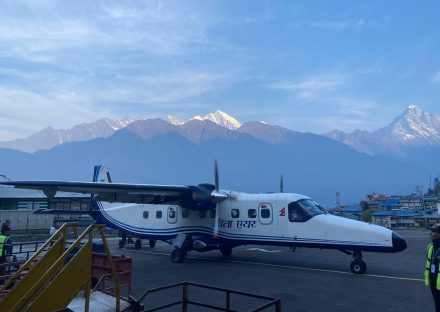
Moreover, Your Everest Base Camp adventure begins with a short flight to Lukla airport from Kathmandu, the heart of the Khumbu region of Khumbu Valley. After landing at Lukla, trekkers will meet the rest of the crew members. The route passes through the little town of Phakding to reach the Khumbu capital of Namche Bazaar.
From here on, we enter the striking Sagarmatha National Park Entry Point (the World’s highest national park). you can hike to the Everest View Hotel to acclimatize. From the vantage point of this popular hotel, we get our first views of Mount Everest.
Best Time to Trek to Everest Base Camp
The best time of the year, Spring season Mar ch/ April / May and Autumn season September / October/ November are considered as favorable for Best Everest Trek Guide. However, the weather conditions and climatic pattern have changed over 2 – 3 years. Trekkers can choose the months of winter season for trekking. Note down that the winter season can also provide you clear skies and better visibility. The biggest fear is of heavy snowfall. If it is light snowfall, then it is not hard to reach the base camp.
Normally, heavy snowfall can halt the trekking beyond Dingboche village. We recommend you to add at least 2 days as reserve days if you wish to do winter Everest Base Camp Trekking in Nepal. Months of winter season are December, January, and February. Monsoon season (June – August) are not highly recommended but early June and late August can be considered for trekking.
Accommodation and Meals on the Everest base Camp Trek
The trail to the Everest Base Camp is one of Nepal’s most developed trekking routes. Therefore, You’ll find a range of teahouses and dining options along the route about the availability of accommodation and meals. In fact, the trail hosts mountain climbers and also the trekkers of different trekking routes of the region. For example, the Everest Three High Passes Trek, EBC Chola Pass Trek, and the Amadablam Base Camp Trek follow the same trail. Similarly, Island Peak Climbing Via EBC Trek, Lobuche Peak Climbing and Everest Expedition use the same trail. The route attracts trekkers and mountaineers throughout the main trekking seasons. Therefore, it is understandable to have good facilities in the EBC Trek route.
The Everest Base Camp trail offers different accommodation options, from comfortable teahouses to luxury mountain lodges. Accommodation ranges from basic teahouses to comfortable mountain lodges. As for meals, trekkers can choose from the diverse menu. The cuisine ranges from Chinese, Indian, and Continental to Local dishes. Some of the popular dishes to eat in the Everest Base Camp Trek journey are Dal Bhat, Chowmein (Noodles), Thukpa (Noodles Soup with vegetables and dried meat), Yak Stew, Pizza, etc. In This package you can choose from menu, any dish as you want.
Permits for the Everest Base Camp Trek
Two permits are required for this trek. You must obtain the Pasang Lhamu Rural Municipality entry permit. Government omitted the provision of Trekkers’ Information Management System (TIMS) permit and gave local government to handle trail conservation. Therefore, you must pay NRs. 3000 per person for the local permit. Similarly, you also need to purchase the Sagarmatha National Park entry permit. It costs NRs. 3000 to foreigners and NRs. 1500 to SAARC citizens.
Difficulty Level to Reach Base Camp
The Everest Base Camp Trek has a moderate difficulty level. the EBC Trek in Nepal is comparatively easier than most of the high – altitude treks in Nepal. The treks like the Annapurna Base Camp Trek and the Manaslu Circuit Trek have lots of steep uphill and downhill sections. These steep uphill and downhill sections are minimal in the Everest route. Twin Bridge to Namche Bazaar – Everest View Hotel, Phungi Thanga to Tengboche, Thukla to Thukla Pass and Kalapathar are the uphill sections of the trail. Moreover, these uphills are not long and in an average around 2 kilometers distance. The concerning factor is the altitude. If you book the trek with the Himalaya View Treks Pvt. Ltd., then you can surely complete the trek with professional guidance and proper preparation. Overall, the difficulty level of the trek is moderate.
Altitude and Acclimatization
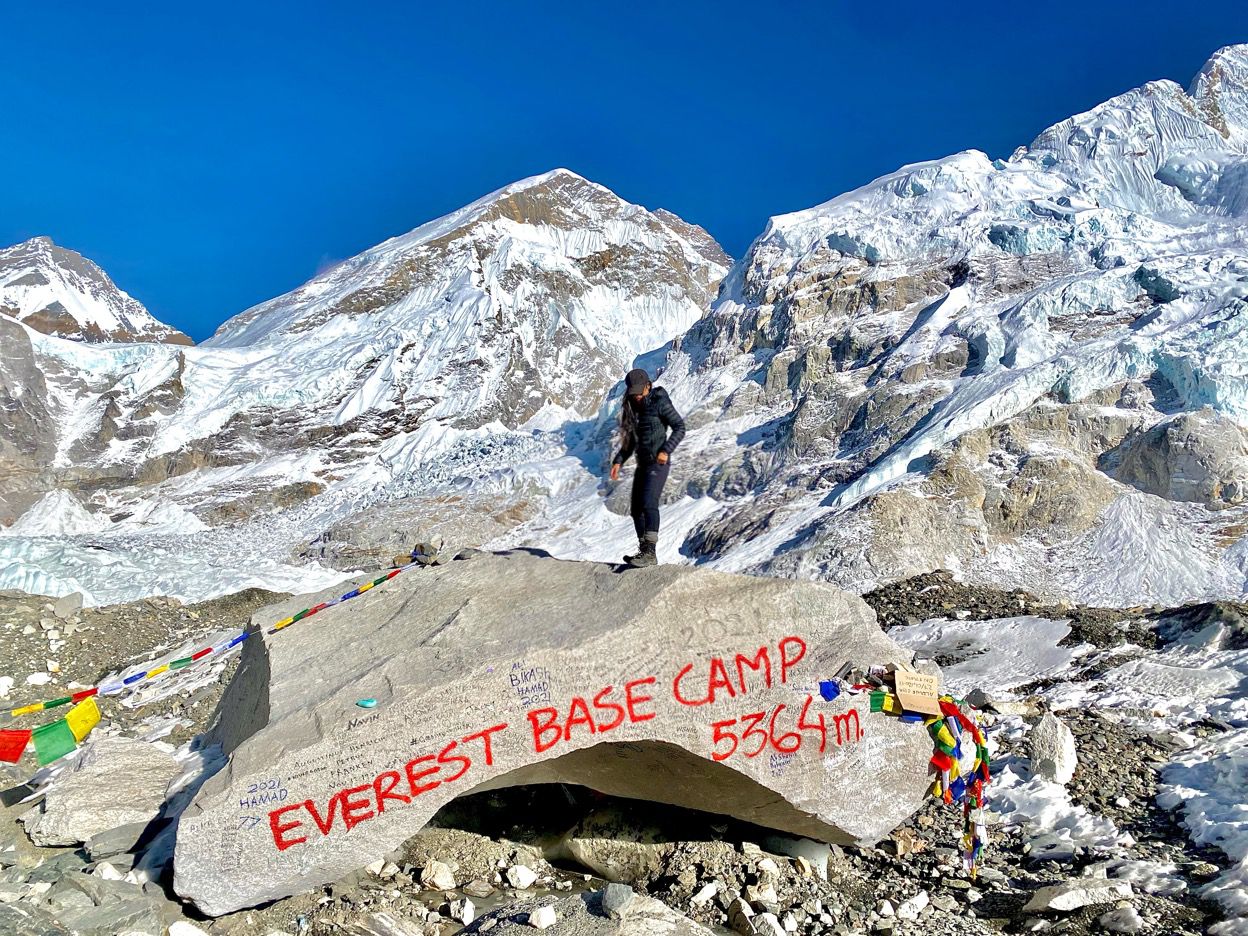
Maximum altitude on this high-altitude trekking journey is the height of the Kalapathar 5545 m above sea level. The height of the Everest Base Camp is 5364 m. Trekkers have to spend at least 7 – 8 nights in the places above 3000 m. Therefore, acclimatization strategy must be accurate. Only the reliable trekking company like ours can ensure safe trekking in the Khumbu region. There are two acclimatization days for trekkers.
The first one in Namche Bazaar prepares trekkers to trek safely in the places below 4400 m. Hike to the world’s highest situated hotel, the Everest View Hotel (3880 m) and return back to Namche Bazaar (3440 m). Similarly, the second acclimatization prepares trekkers beyond 4400 m and it happens in Dingboche. Nagarshan (5100 m) hike is rewarding from scenic and safe acclimatization point of view.
Flights to Lukla and Helicopter Return Option
Remember that the Lukla flights are included in the trekking package. During peak trekking season, the flight to Lukla may not be from Kathmandu. Travelers may have to travel to Manthali Ramechhap by jeep that takes about 3 to 4 hours. Flight happens from Ramechhap. If you wish to return to Lukla or Kathmandu by helicopter, then you can inquire with our travel planner in office. We will arrange the helicopter return flight either from Kalapathar or from Gorakshep.
Physical Preparation
Prepare by building your fitness so you can comfortably walk 6–7 hours a day. Start the fitness building regime at least one month prior to the trek. High – altitude trekking requires you to have good cardio – vascular ability. Therefore, build up the cardio level by doing exercises like cycling, running, walking, hiking, and swimming.
After reaching Kala Patthar, you retrace your route, Himalaya View Treks Everest Base Camp tour package 12 Days concludes after we reach the peak of Kalapathar at 5545m. We then trace our steps back to Namche Bazaar for a deserving restful night. The next morning, we walk down to Lukla for our flight back to Kathmandu. 12 Days Everest Base Camp Trek from Kathmandu book early to secure your spot with Himalaya View Treks for your next adventure in 2026 or 2027. If you prefer a quieter trekking route then check our Manaslu Circuit Trek 12 Days package.
Why Trek with HIMALAYA View Treks?
HIMALAYA View Treks is a government-registered local trekking company based in Nepal, dedicated to providing safe, authentic, and memorable Himalayan adventures. Our experienced team is committed to delivering personalized service and ensuring a successful trekking experience from arrival to departure. You can easily contact our travel planners via WhatsApp before booking, during trip preparation, and throughout your trek for quick assistance and support.
1, More than 35 licensed guides and trekking staff
2, Experienced local Sherpa, Rai, Tamang, Gurung, and Magar team
3, Government-registered trekking company in Nepal
4, Complimentary airport pickup and drop-off service
5, Licensed, experienced, and friendly Everest Base Camp Familiar local trekking guides
6, 24/7 emergency support during the trek
7, Well-trained guides with first aid and altitude awareness
8, Staff insurance and fair wages for guides and porters
9, Free duffel bag and HIMALAYA View Treks T-shirt
10, Personalized service with small and private groups
11, Trek on Clients preferred dates
12, Transparent pricing with no hidden costs
13, Assistance with permits, transportation, and trekking logistics
14, Personalized trip completion certificate with your name printed
15, Excellent reviews from trekkers around the world
Join HIMALAYA View Treks and discover the beauty of Mount Everest Base Camp Trek Nepal with a trusted local team that puts your safety, comfort, and satisfaction first.
Annapurna Base Camp Short Trek
The Annapurna Base Camp Short Trek offers a rewarding Himalayan adventure for travelers with limited time. The trail passes through traditional villages, lush forests, terraced hillsides, and scenic mountain landscapes. You can experience local culture while enjoying views of Annapurna, Machhapuchhre, Hiunchuli, and other Himalayan peaks. The journey leads to Annapurna Base Camp, surrounded by towering mountains. If you want to explore another iconic trekking destination after your Everest Base Camp Trek 12 Days, consider the Annapurna Base Camp Short Trek for your next Himalayan adventure.
Short Itinerary
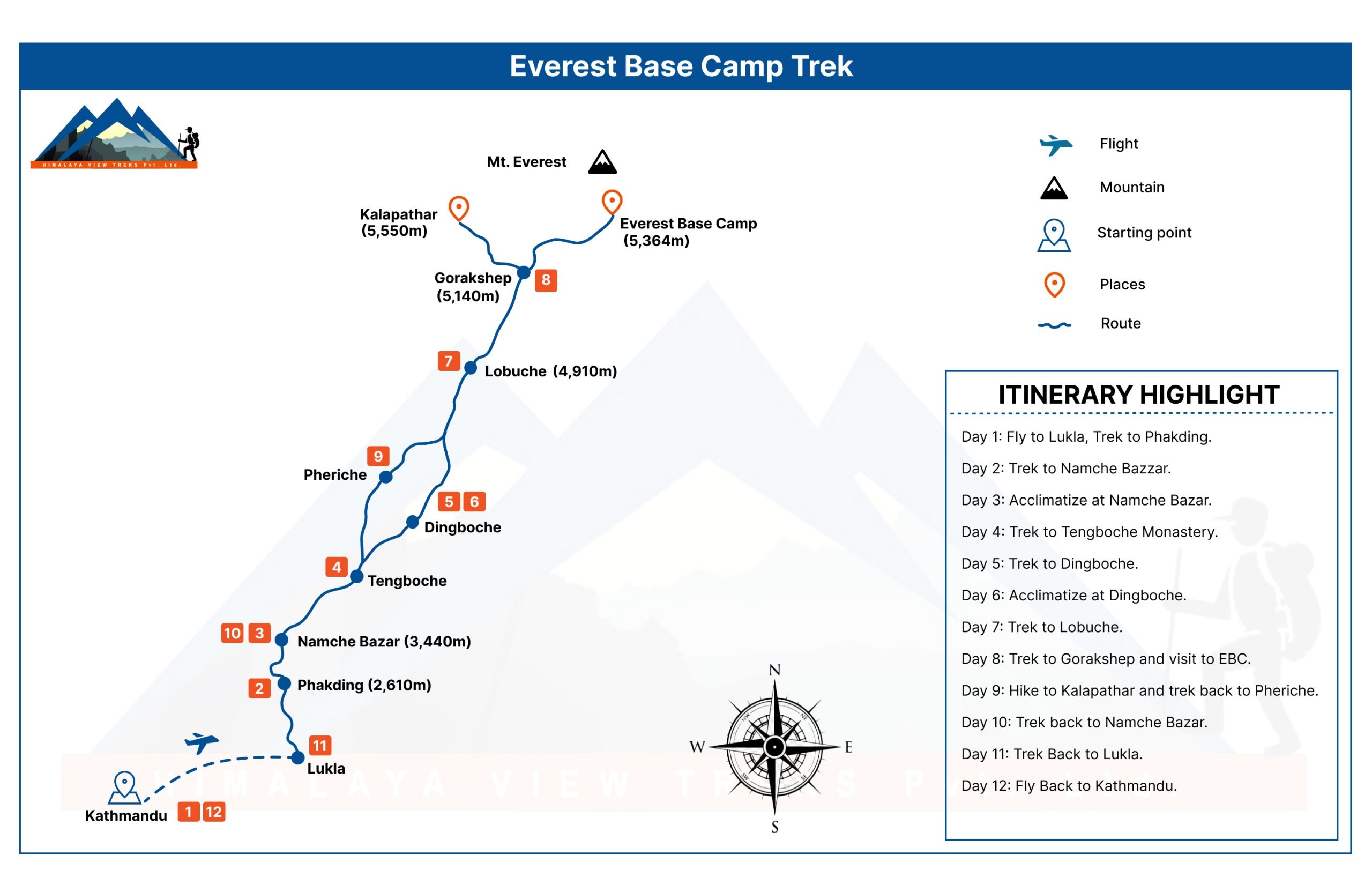
Everest Base Camp Trek - 12 Days Itinerary
Day 01 Fly to Lukla and then trek to Phakding walking distance of 7.6 km (3-4 Hours) 2,610 meters (8,563ft
Day 02: Phakding to Namche Bazaar walking distance is 12.3 km (6-7Hours) 3,440m/11,283ft
Day 03: Acclimatization Day, Hike to Everest View Hotel 3880m/13000ft, and then back to Namche
Day 04: Namche to Tengboche walking distance 9.2 km (6-7 hours) 3,870m/12,684ft
Day 05: Tengboche to Dingboche walking Distance 10.7 km (6 hours) 4,400m/14,435ft
Day 06 Dingboche Acclimatization Day, climbing the (5100 m) hill of Nagarshan (2/3 Hours) 4,400m/14,435ft and then back to Hotel
Day 07: Dingboche to Lobuche Walking distance 12 km (6-7 hours) 4,900m/16,076ft
Day 08: Trek from Lobuche to Gorak Shep. Walking distance: approximately 5 km (6–8 hours). Elevation: 5,164 m / 16,942 ft. Continue to Everest Base Camp at 5,364 m / 17,598 ft via the Khumbu Glacier, then return to Gorak Shep.
Day 09: Hike to Kala Patthar and then trek back to Pheriche. Walking distance: approximately 10.7 km (5–6 hours). Kala Patthar: 5,545 m / 18,192 ft. Pheriche: 4,240 m / 13,911 ft.
Day 10: Pheriche to Namche Walking Distance 14.2 km (5-6 hours) 3440m/11285ft
Day 11: Namche to Lukla Walking Distance 19 km (5-6 hours)2,860 meters/9184ft
Day 12: We will fly back from Lukla to Kathmandu (1300 m). 30 minutes.
Detailed Itinerary
Day 01: Fly to Lukla and trek to Phakding
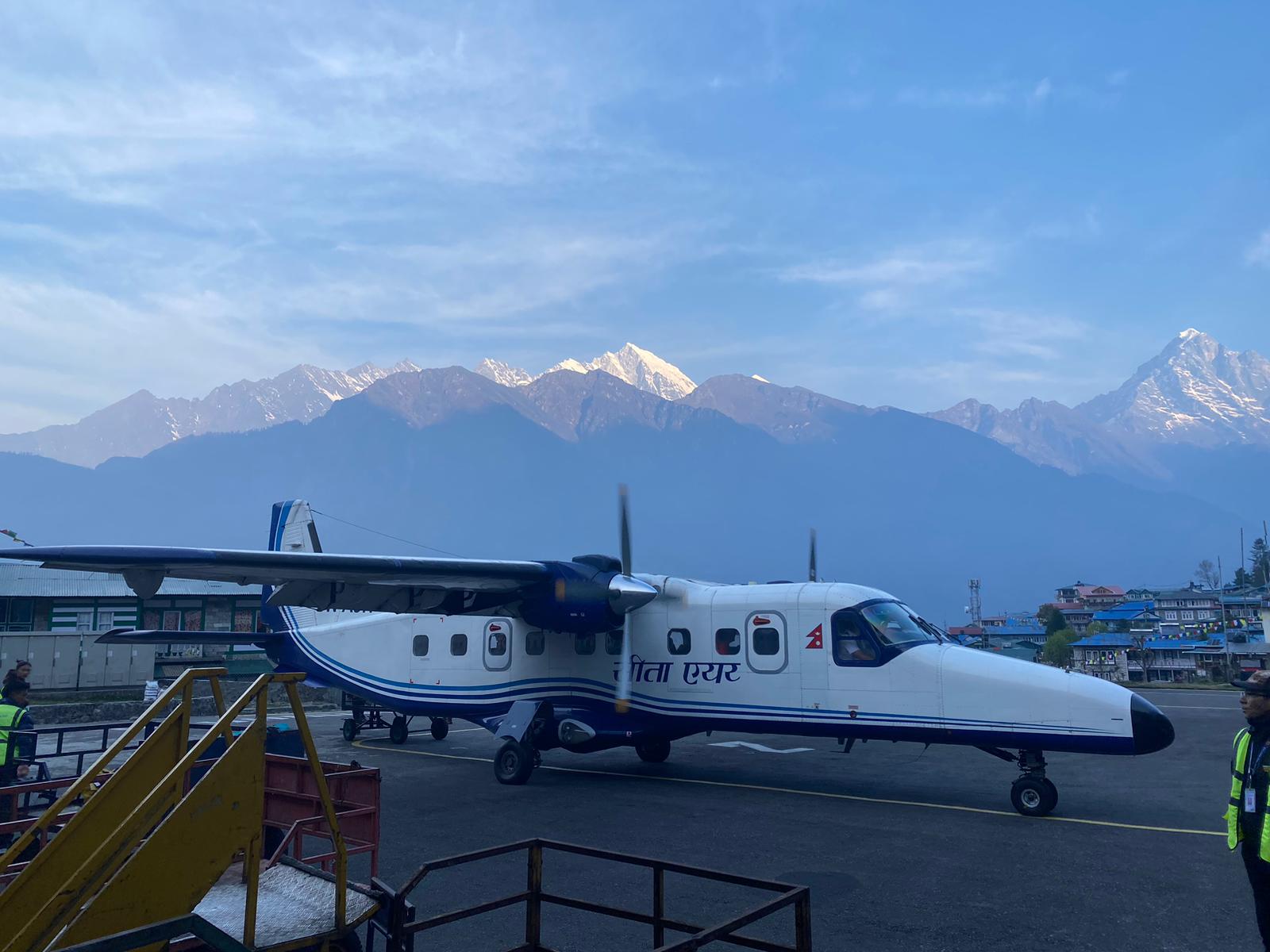
Early in the morning we will gear up for the flight to the world’s most extreme airport, the Lukla Tenzing Hillary Airport. From this place we will commence our trekking. We will walk towards Phakding which is at the 2610 m from sea level. The trail is easy and gentle with 2 suspension bridge and many Mani walls along the way. Phakding is located on the bank of Dudhkoshi River. Overnight at teahouse, Refresh and dinner- Lukla to Phakding walking distance 7.5 km (3-4 Hours) 2,610 meters (8,563ft
Day 02: Journey to Namche Bazzar
Today is the day we enter the Sagarmatha National Park. Moreover, today we will be crossing at least 5 suspension bridges along the way including famous Hillary Twin Bridge at the foothill of Namche Bazaar Hill. We will be able to see the first view of Mt. Everest from Top Danda which is few meters away from Namche Bazaar. Remember that it is dependent upon the weather conditions. Stroll around the marketplace in the evening. The best view of Thamserku and Kwangde Ri is possible to capture from Namche Bazaar. Stay overnight at our teahouse. Refresh and dinner -Phakding to Namche walking distance is 12.3 km (5-6 Hours) 3,440m/11,283ft
Day 03: Namche bazzar acclimatize day, hike to Everest View Hotel
Today is the day of acclimatization. It is necessary to do the proper acclimatization activities during Everest or any kinds of high altitude trekking. We will trek to the world’s highest situated Himalayan belt hotel the Everest View Hotel as part of our acclimatization exercise. If time permit we will also visit the mountain museum located at the top of Namche Bazaar hill. The mountain vista of Amadablam, Thamserku, Tabuche, Nuptse, Lhotse and Everest make your acclimatization exercise overwhelming. In the evening, we can visit the marketplace of Namche Bazaar. There are numerous eateries, bars, shops, banks and teahouses in the area. The guide will decide whether to include the Sherpa Village of Khumjung Including Hillary School and Hillary Hospital or Khunde in your acclimatization exercise. It depends upon your physical status. Please consult and heed the instructions of the guide. Stay overnight at our same teahouse lodge. Refresh and dinner - 3 Hours 3,440m/11,283ft
Day 04: Trek to Tengboche Monastery
Today’s trekking is interesting. We will be trekking uphill from the teahouse/lodge in Namche Bazaar to the top of the hill and start the trekking to Kyagjuma on the Nepalese Flat terrain. From Kyangjuma we will trek downhill to Phungi Thanga where we will take the lunch break too. From this place, after crossing the suspension bridge we will have to walk through green lush forests towards Tengboche. In the evening we will visit the monastery and learn about the local religious practices as well as the rituals. However, it is dependent, the monastery opens only during favorable times. Refresh and dinner- Tengboche from Namche walking distance 9.2 km (6 hours) 3,870m/12,684ft
Day 05: Trek to Dingboche via Dibuche, Somare
Early in the morning we will start our trek after breakfast. First, we will have trek through debuche which is at the foothill of Tengboche on the bank of Imja Tse River. We will explore through the Pangboche Village towards Dingboche. The normal lunch break is at either Pangboche or Somare. The terrain beyond Pangboche has the less vegetation. Therefore, trekkers need to be extra careful during this section of the trip. Tengboche to Dingboche walking Distance 10.7 km (6 hours) 4,400m/14,435ft
Day 06: Acclimatization day at Dingboche
Today is the second acclimatization break during the trekking. It is utmost necessary to do the acclimatization exercise. High altitude trekking success depends upon the exquisite planning and expert trekking advice. Therefore, climbing the 5100 m hill of Nagarshan helps in adjusting to the higher altitude. After the hike, we return back to Dingboche overnight at our teahouse lodge. Refresh and dinner 2/3 Hours 4,400m/14,435ft
Day 07: Trekking to Lobuche
After breakfast we will start our trekking towards Lobuche. The vegetation is very scattered on this section of the trekking. Trekkers have to walk on the ridge line overlooking Pumori and Cholatse. The sight of the Pheriche Village on your left and the Nagarshan Hill on the right side enthralls the trekking. We will have the lunch at Dugla. We will have to walk uphill to cross the Dugla Pass to reach Lobuche.
We will pay our respect to the memorial of climbers who lost their lives during Everest Expedition at the Dugla Pass. The time spent in Lobuche is mystical as the place is on the bank of river overlooking Mt. Pumori, Lobuche and the Kong Ma la Pass. Refresh and dinner-- Lobuche from Dingboche Walking distance 12 km (6-7 hours) 4,900m/16,076ft
Day 08: Trek to Gorakshep and afternoon visit to Everest Base Camp
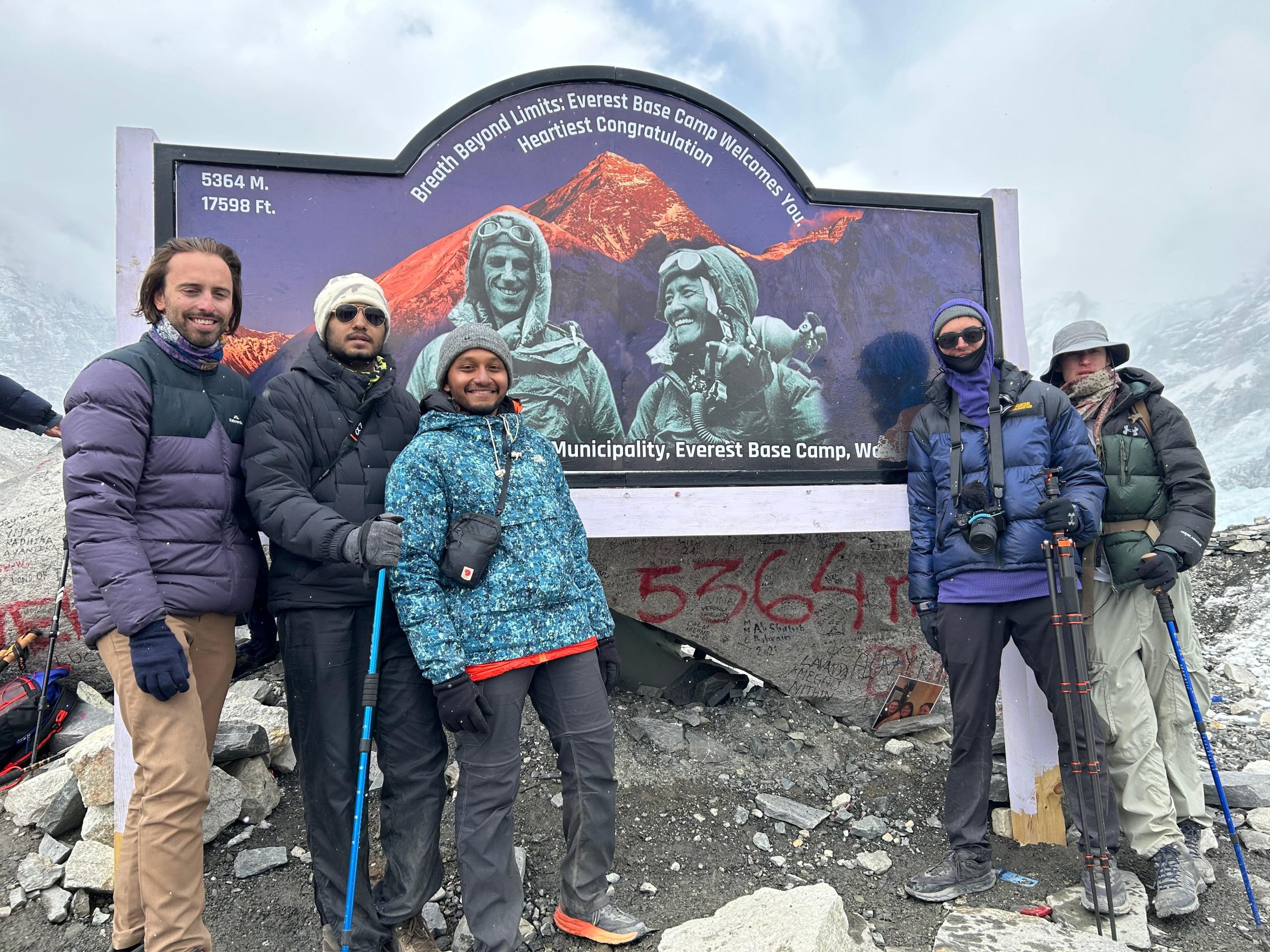
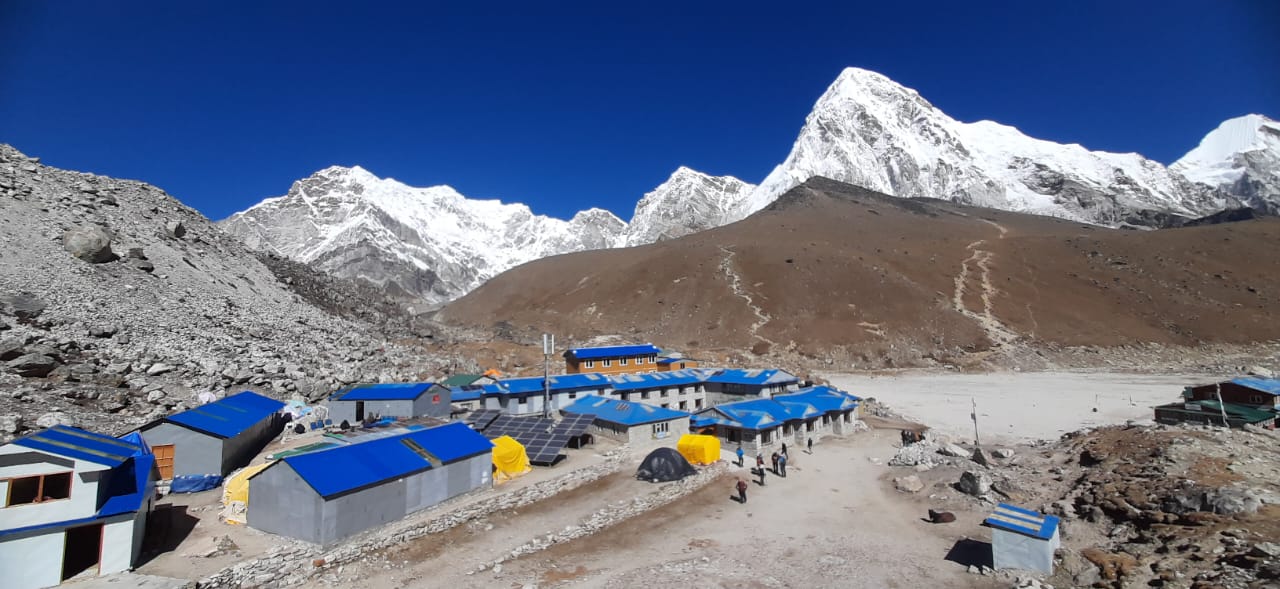
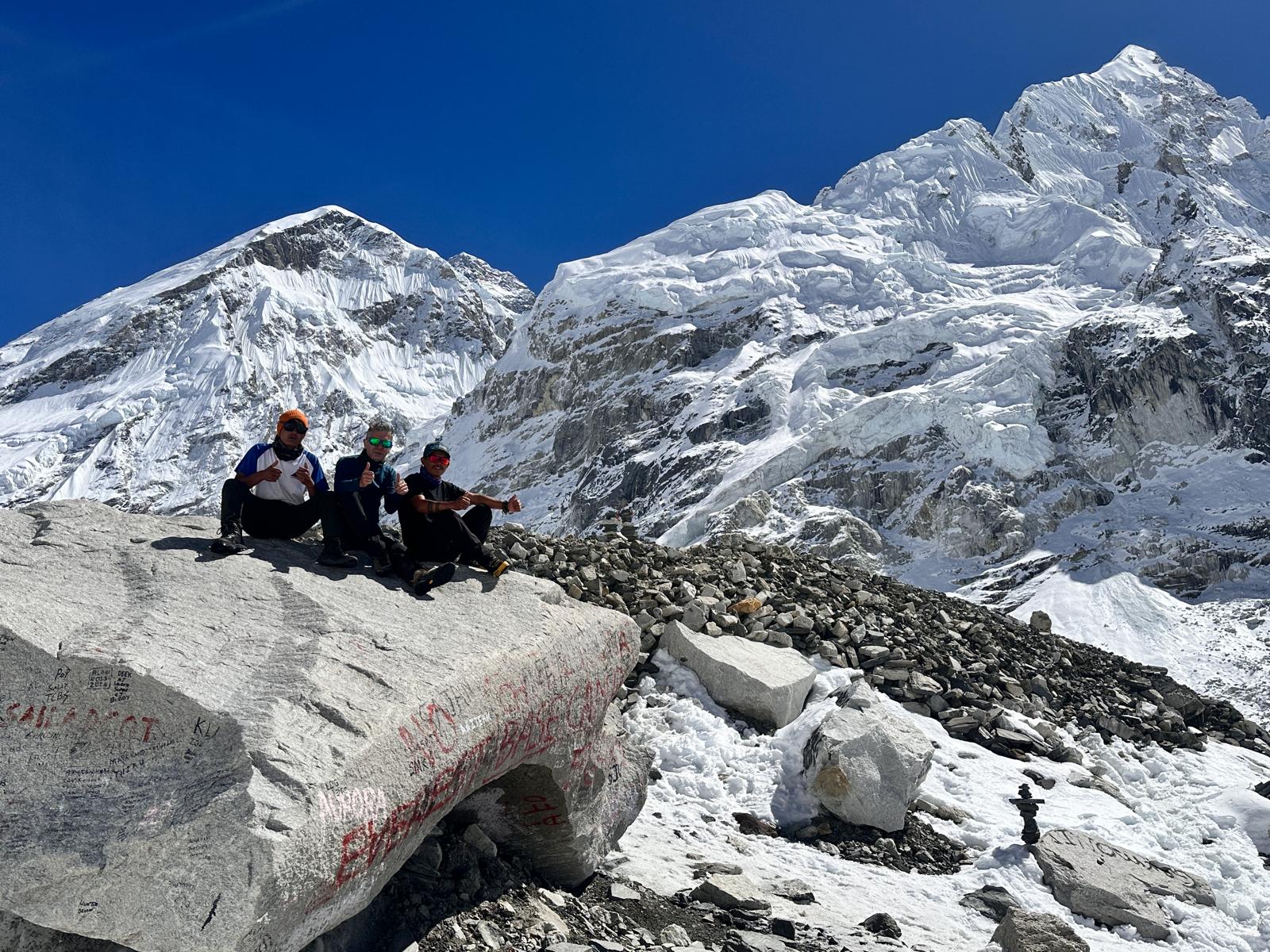
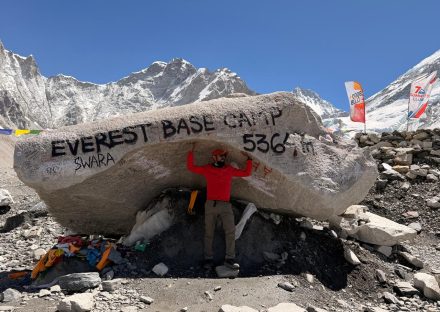
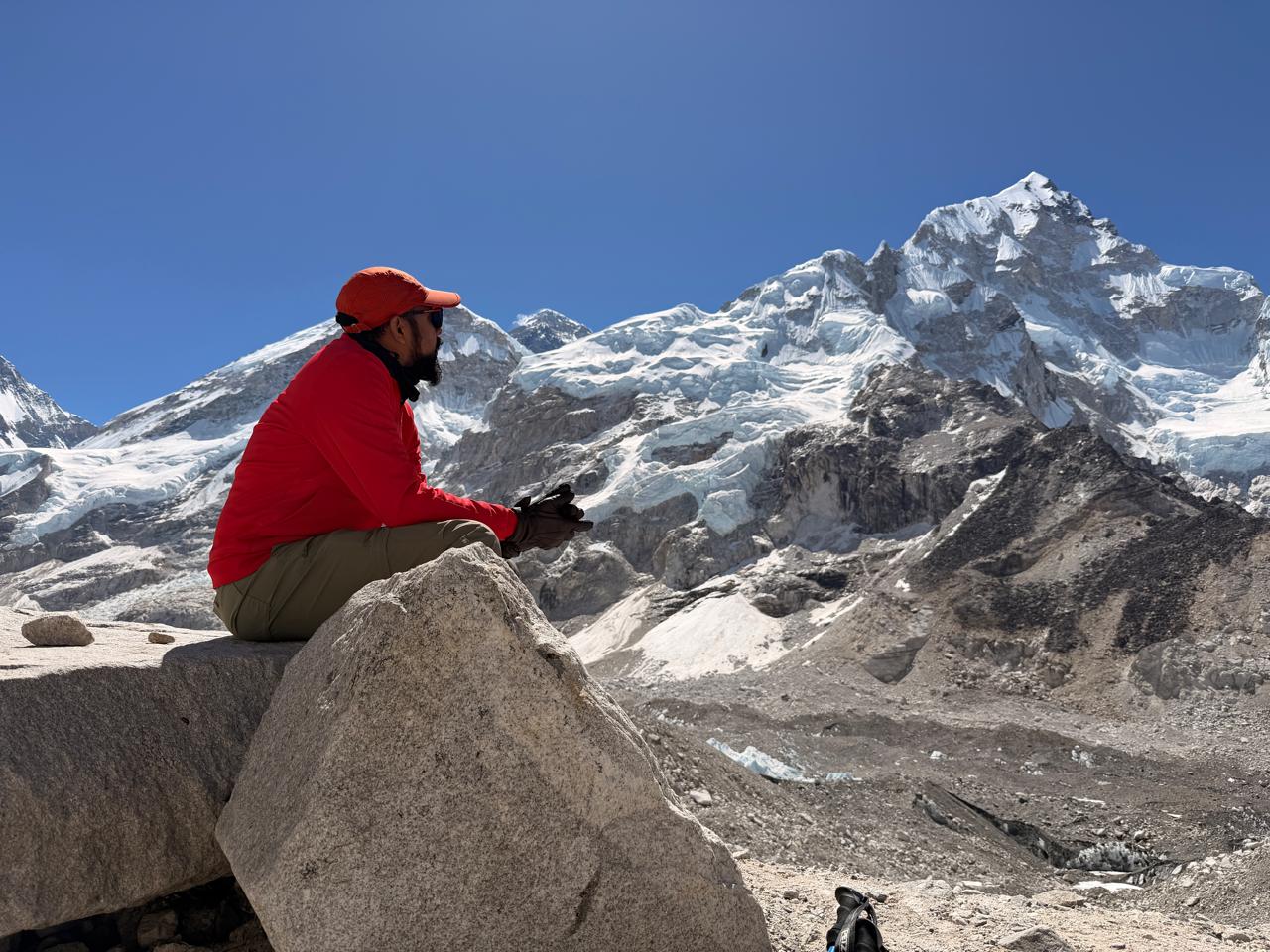
Early in the morning after breakfast we will have to walk towards Everest Base Camp. Today is the most exciting day of our trekking. We will visit the Everest Base Camp. The trail is rugged and on the moraine. Once we reach the Gorakshep we will have our lunch. After lunch we will continue our hike to Everest Base Camp. It takes about 1.5 hours to reach the base camp from Gorakshep. We will take as many pictures as possible in the base camp. Remember that we will not see the Mt. Everest from the designated base camp. However, it is possible to see the top of Mt. Everest few meters before reaching base camp. We will again return back to Gorakshep. Refresh and dinner ( walking distance 5 km (5,164 m / 16,942 ft) (Gorekshep) & 5364m/17598 Everest Base Camp)
Day 09: Hike to Kalapathar and trek back to Pheriche
Be ready for the hectic day of trekking. Early in the morning around 4:30 am we will hike to the top of Kalapthar (5545 m). This is the best place to witness sunrise and Mt. Everest Vista. After such an amazing experience we will return back to Gorakshep for the breakfast. After breakfast we will retrace the trek trail back to Pheriche via Lobuche and Dugla. Refresh and dinner -Kalapatthar to Pheriche walking distance 10.7 km (5-6 hours)5,545m/18,192ft (Kalapathar) & Pheriche: 4,240 m / 13,911 ft.
Day 10: Trek back to Namche Bazar
The return trip during Everest or any high altitude trekking in Nepal is amazing. This is because of the decreasing altitude. Therefore, lots of people consider the return trip as the most joyous time of trekking. Enjoy your return trip. Your body will also support you and the scenery is outstanding as always. Overnight at our teahouse lodge, Refresh and dinner, Pheriche to Namche Walking Distance 14.2 km (5-6 hours) 3440m/11285ft
Day 11: Trek back to Lukla
We will trek back to Lukla on this day. The trail is the same. However, you will be able to witness lot more new things during the return trip. It is because; you have already completed the base camp journey. By this time you would have already been adjusted to the high altitude. Therefore, talk to the locals and understand the daily lives of the people in the trail. Once you reach Lukla, arrange the celebration. Today is the last day of the trekking. Therefore, celebrate with your guide and porter. Overnight at our teahouse lodge refresh and dinner, Namche to Lukla Walking Distance 19 km (5-6 hours) 2,800 m 9,100 ft
Day 12: Fly back to Kathmandu from Lukla
We will fly from Lukla to Kathmandu (1300 m). We wake up early for our flight back to Kathmandu. We say goodbye to the serene and magnificent mountains and board the flight to come back to the city civilization. The rest of the afternoon in Kathmandu will be at leisure. Walking around the streets of Kathmandu; souvenir shopping; finding a massage or relaxing at the hotel can be easy ways to spend time.
Included
- Airport pickup and drop as per the client’s arrival and departure time
- Hotel- domestic airport- hotel by car/ van, depends on group sizes
- Domestic flights (Kathmandu - Lukla - Kathmandu) tickets including airport taxes
- All meals (Breakfast, lunch, and dinner) during your Everest base camp Trek
- 11 nights of Hotel Accommodation during the EBC Trek
- Government licensed holder, fluent English Speaking, Familiar HVT Leader guide
- 1 Local porter per 2 trekkers, the luggage weight Maximum 10 kg per Trekkers
- Guide and Porter wages including their meals, accommodation, Salary and insurance
- Assistant guide if the Group size is more than 10 trekkers)
- Guide and e Assistance both ways Lukla flight Ticket
- Water purification drops or tablets for safe drinking water
- Strong local porter service to carry trekkers’ luggage — one porter for every two trekkers. Porter service is not included for solo travellers and can be arranged at an additional cost upon request.
- Khumbu Pasang Lhamu Rural Municipality Permit fees
- Seasonal fresh fruits every day during your Everest Base Camp trek
- Oximeter to measure Pulse and oxygen level
- Himalaya View Treks Company T-shirt as a Souvenirs and duffel bag if you needed
- Safe storing facilities at company store during the trek
- Local government, taxes, including official Service Charge
- Trip completion Certificate
Not Included
- Hotel accommodation and meals In Kathmandu
- Personal expenses (shopping, snacks, boil or bottled water, hot (tea, coffee) cold drinks, hot shower, alcohol, Wi-Fi, telephone call, battery charge fee etc.
- Personal clothing and trekking gear
- Personal travel insurance
- International Flight tickets and Nepal visa Fee
- Tips for Guide and Porters at the end of the treks ( highly suggested )
Join Us Upcoming Trips
Book this trip with us. Here are the upcoming dates. Feel free to share this trip with your friends and family. For custom trips or general inquiries contact us.
| Departure Date | Trip Duration | Price | Status | |
|---|---|---|---|---|
| 11 September, 2026 | 12 Days | USD 1250 | Available | |
| 15 September, 2026 | 12 Days | USD 1250 | Available | |
| 19 September, 2026 | 12 Days | USD 1250 | Available | |
| 23 September, 2026 | 12 Days | USD 1250 | Available | |
| 27 September, 2026 | 12 Days | USD 1250 | Available | |
| 02 October, 2026 | 12 Days | USD 1250 | Available | |
| 05 October, 2026 | 12 Days | USD 1250 | Available | |
| 09 October, 2026 | 12 Days | USD 1250 | Available | |
| 13 October, 2026 | 12 Days | USD 1250 | Available | |
| 17 October, 2026 | 12 Days | USD 1250 | Available | |
| 21 October, 2026 | 12 Days | USD 1250 | Available | |
| 27 October, 2026 | 12 Days | USD 1250 | Available | |
| 03 November, 2026 | 12 Days | USD 1250 | Available | |
| 06 November, 2026 | 12 Days | USD 1250 | Available | |
| 11 November, 2026 | 12 Days | USD 1250 | Available | |
| 17 November, 2026 | 12 Days | USD 1250 | Available | |
| 21 November, 2026 | 12 Days | USD 1250 | Available | |
| 25 November, 2026 | 12 Days | USD 1250 | Available |
Useful Info
Everest Base Camp Trek Highlights
- Trek to the iconic Everest Base Camp (5,364m) with support from our experienced team of local guides, crew, and porters who truly love what they do.
- Climb Kala Patthar (5,545m) for breathtaking panoramic views of Mt. Everest (8,848m), Lhotse, Nuptse, and the surrounding Himalayan peaks – some of the best sights in the world.
- Experience the thrilling mountain flight to Tenzing-Hillary Airport, Lukla (138 km, flight duration 30–40 minutes from Kathmandu).
- Immerse yourself in the vibrant culture of ancient Kathmandu with optional sightseeing.
- Visit the largest monastery in the Khumbu region – Tengboche Monastery (3,867m).
- Spend a night at the world’s highest hotel in Gorakshep (5,164m / 16,942ft).
- Test your adrenaline at the Everest Highest Bungee from the Hillary Suspension Bridge.
- Explore the traditional Sherpa village of Khumjung and visit Khumjung Monastery, home to the famous Yeti Skull.
- Discover Sherpa culture and history at the Sherpa Museum in Namche Bazaar, featuring rare photography collections of Everest summiteers.
- Witness the 17km-long Khumbu Glacier and the dramatic Khumbu Icefall.
- Visit both the new and old Everest Base Camps.
- Experience the warmth and hospitality of the Sherpa people, learning about their lifestyle and traditions in one of the world’s harshest environments.
- Trekking distance: Lukla – Everest Base Camp – Lukla, approx. 130 km (round trip), taking 8–11 days on average.
Is Everest Base Camp Trek Your Ideal Adventure?
Trekking in the Everest region is all about attitude. Adventure travel means being prepared for the unexpected. Remote areas can be unpredictable, and itineraries may change. To fully enjoy your EBC journey, you must be flexible, positive, and open to challenges.
If you’re new to high-altitude trekking, this trek can still be ideal for you. You should be prepared to walk 4–6 hours daily (with some longer days). Walking at your own comfortable pace without rushing is the key. With good fitness and a love for the outdoors, you can make this classic trek to the southern face of Everest a once-in-a-lifetime experience.
General Information
Difficulty Level – Trekking at High Altitudes (Above 3,500m)
This trek involves strenuous hiking above 3,500m. Altitude is a serious issue, and we design itineraries to minimize risk. All participants should be in good health, physically fit, and committed to pre-trek training.
Altitude sickness can affect anyone. Familiarize yourself with the symptoms and monitor your health closely. Our guides are trained in first aid and will ensure your safety. If needed, helicopter evacuation is always available.
Group & Solo Travel Options
- Group Travel: Expect a mix of travelers from around the world and across age groups. Group chemistry is important, and patience/flexibility make for the best experiences.
- Solo Travelers: Standard treks are based on shared accommodation (same gender). Private rooms may be available with a supplement. We also organize fully private treks for those who prefer to travel solo.
Travel Insurance
It is mandatory to have travel insurance that covers helicopter rescue, medical treatment, and emergencies. Please arrange this from your home country.
Costs & Value
At Himalaya View Treks, we focus on maximum safety, comfort, and authentic experiences at a fair cost. Our transparent pricing ensures you know exactly what you are paying for.
Tipping Guidelines
Tipping is customary in Nepal. Suggested group contributions (per staff member):
- Tour Leader: NPR 30,000 – 35,000
- Trekking Guide/Assistant Guides: NPR 20,000 – 25,000 each
- Porters/Yak Men: NPR 10,000 each
Acute Mountain Sickness (AMS)
Symptoms may include headache, fatigue, nausea, shortness of breath, or disturbed sleep. These are common at high altitudes. The best prevention is slow acclimatization, hydration, and communication with your guide. The only cure is descent.
A Typical Day on the Trail
- 6:00 AM: Wake-up call.
- 7:00 AM: Breakfast.
- 7:30 AM: Start trekking with short breaks and photo stops.
- 12:00 PM: Lunch at a teahouse.
- 3:00–4:00 PM: Arrival at overnight stop.
- 5:00 PM: Tea and snacks.
- 7:00 PM: Dinner, followed by a briefing about the next day.
- 9:00 PM: Rest for the night.
Average trekking: 6–7 hours daily. Shortest day: Lukla to Phakding. Toughest day: Lobuche to EBC. Sunrise hike to Kala Patthar begins before 4 AM.
Equipment Checklist (Essential Items)
- Footwear: Trekking boots, casual shoes, warm socks, gaiters.
- Clothing: Trekking trousers, thermal leggings, T-shirts, fleece, waterproof jacket, down jacket (rentable in Kathmandu).
- Head/Hands: Warm hat, sun hat, sunglasses, gloves.
- Gear: Rucksack, daypack, sleeping bag, torch, water bottle, first aid kit, toiletries.
- Optional: Binoculars, books, cards, altimeter.
Above all: bring humor, flexibility, and an adventurous spirit.
Permits Required
Khumbu Pasang Lhamu Rural Municipality permit Sagarmatha National Park Entry permit.
Things to Remember Before EBC Trek
- Insurance: Must cover rescue & medical emergencies.
- Physical Preparation: Cardio training (running, swimming, cycling) at least 1 month before.
- Permits: Organized by your agency.
- Best Seasons: Spring (Mar–May) and Autumn (Sep–Nov).
- Lukla Flights: During peak season, flights may operate from Ramechhap (4–5 hrs drive from Kathmandu).
- Reserve Day: Keep one extra day for weather delays.
- Food & Accommodation: Wide variety available – from local teahouses to luxury lodges.
Book your Everest Base Camp Trek today and stand at the foot of the world’s highest mountain with expert local guides from HIMALAYA View Treks. Experience breathtaking Himalayan scenery, Sherpa culture, and an unforgettable adventure in the Everest region with a safe and well-organized trekking journey.
Trip Map

FAQs
-
How difficult is the Everest Base Camp Trek?
The Everest Base Camp Trek is considered moderately challenging. No technical climbing skills are required, but trekkers should be prepared for long walking days, steep trails, and high altitude reaching 5,545 meters at Kala Patthar.
-
What is the altitude of Everest Base Camp and highest point?
The altitude of Everest Base Camp is 5,364 meters (17,598 ft). The highest point of the trek is Kala Patthar at 5,545 meters (18,192 ft), offering the best panoramic views of Mount Everest.
-
What is the best time for the Everest Base Camp Trek?
The best seasons are spring (March to May) and autumn (September to November), when the weather is generally stable and mountain views are at their best.
-
How much does the Everest Base Camp Trek cost?
The cost varies depending on group size, services, and trekking style. Most packages include permits, accommodation, meals, guide, porter, and domestic flights.
-
Do I need previous trekking experience?
No, prior trekking experience is not required. However, a good level of fitness and some hiking practice will help you enjoy the trek more comfortably.
-
Is altitude sickness a concern on this trek?
Yes, altitude sickness can occur above 3,000 meters. Proper acclimatization, hydration, and a gradual ascent are essential. The itinerary includes rest days in places like Namche Bazaar to reduce risk.
-
What permits are required for the Everest Base Camp Trek?
Trekkers need the Sagarmatha National Park Entry Permit and the Khumbu Pasang Lhamu Rural Municipality Permit.
-
What accommodation is available during the trek?
You will stay in teahouses (lodges) along the route. Rooms are basic but comfortable, and meals are served at the lodge dining area.
-
What should I pack for Everest Base Camp Trek?
Essential items include: • Warm down jacket • Sleeping bag • Trekking boots • Gloves, hat, sunglasses • Personal medication and toiletries Packing light but smart is key for high-altitude trekking.
-
How long do we walk each day?
You will trek 4 to 7 hours per day, depending on the route and altitude. Some days are shorter for acclimatization.
-
Is Wi-Fi available during the Everest Base Camp Trek?
Yes, Wi-Fi is available in many teahouses along the trail, although connection speeds may be slow and additional charges may apply.
-
How do we get to the starting point of the Everest Base Camp Trek?
The trek begins with a scenic flight from Kathmandu to Lukla, which takes about 30–35 minutes.
-
Can I see Mount Everest from the trek?
Yes! You can see Mount Everest from several places, especially from Kala Patthar, which offers the best close-up view.
-
Is travel insurance required?
Not mandatory, But travel insurance is highly recommended. It should cover high-altitude trekking (above 6,000m) and emergency helicopter evacuation.
-
How much spending money should I bring on the trek?
Most trekkers bring US$150–300 for personal expenses such as hot showers, charging devices, Wi-Fi, snacks, drinks, and souvenirs.
-
What happens if my Lukla flight is cancelled?
Lukla flights can be delayed or cancelled due to weather conditions. In such cases, flights are rescheduled for the next available departure, or a helicopter option may be available at an additional cost.
-
Can beginners do the Everest Base Camp Trek?
Yes. Many first-time trekkers successfully complete the Everest Base Camp Trek with proper preparation, a reasonable pace, and adequate acclimatization.
-
What is the highest point of the Everest Base Camp Trek?
The highest point is Kala Patthar at 5,545 meters (18,192 feet), which offers one of the best panoramic views of Mount Everest and the surrounding Himalayan peaks.
-
How to Book Everest Base Camp Trek?
If you are pondering the Book Everest Base camp trek then it is easy to book, click Book Trip bottom and fill up the form, totally hassle free.
-
Why choose Himalaya View Treks?
Himalaya View Treks offers: • Experienced Sherpa guides • Safe and well-planned itineraries • Personalized service • High success rate to reach Everest Base Camp
Latest Traveller's Reviews
Travel experiences of our clients who recently returned from their trips.