
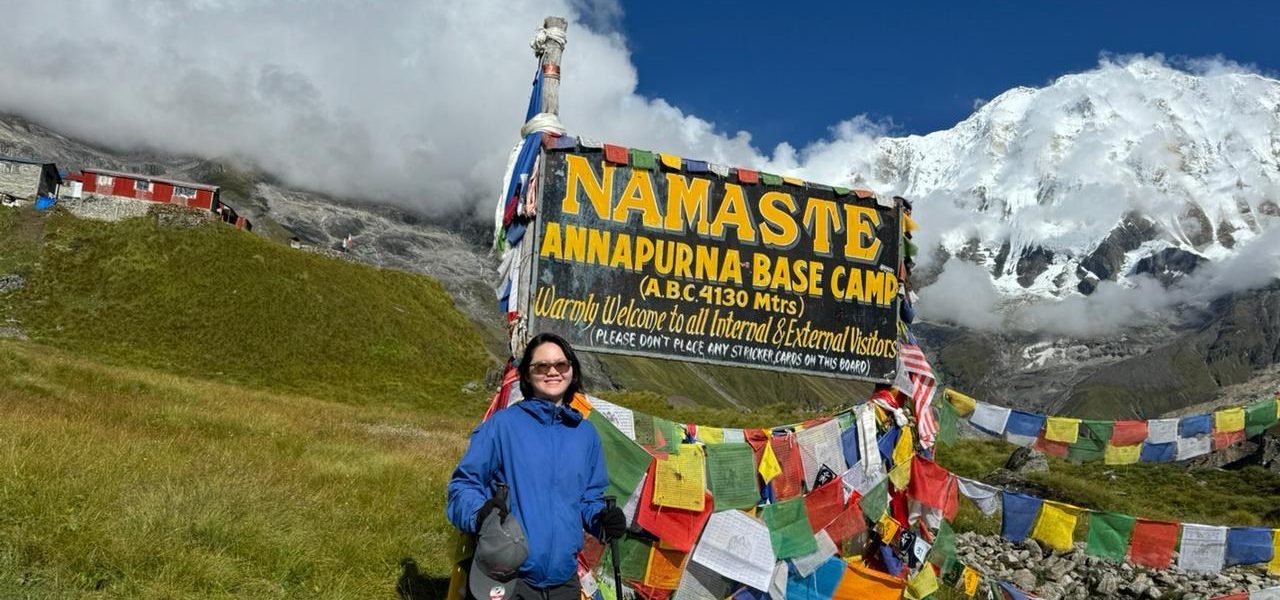
Annapurna Base Camp Trek guide
The Annapurna Base Camp Trek Guide help you to prepare the your trip to Annapurna Base Camp. The Annapurna Base Camp 9 ABC) Trek is one of Nepal’s most iconic trekking adventures, offering an unforgettable journey into the heart of the Annapurna Sanctuary. Combining spectacular Himalayan scenery, traditional mountain villages, lush forests, and comfortable tea houses, the trek attracts thousands of trekkers from around the world each year. Whether you are a first-time visitor to Nepal or an experienced hiker looking for your next adventure, the Annapurna Base Camp short Trek provides an incredible opportunity to experience the beauty of the Himalayas without requiring technical climbing skills.
Unlike some of Nepal’s higher and more remote trekking routes, the ABC Trek is relatively accessible while still delivering breathtaking views of towering peaks. From terraced farmland and rhododendron forests to glaciers and alpine landscapes, every day brings a different experience that makes this trek one of the country’s most rewarding journeys.
Where Is Annapurna Base Camp?
Annapurna Base Camp is situated at an altitude of 4,130 meters (13,550 feet) inside the Annapurna Sanctuary, a spectacular glacial basin surrounded by some of Nepal’s highest mountains. Located within the Annapurna Conservation Area, the trail lies approximately 40 kilometers north of Pokhara in central Nepal.
The trek usually begins after a scenic drive from Pokhara to trailheads such as Ghandruk, Jhinu Danda, Siwai, or Kimche. From there, well-maintained hiking trails pass through picturesque villages, dense bamboo forests, cascading waterfalls, and alpine meadows before reaching the base camp. Throughout the journey, trekkers enjoy constantly changing landscapes that showcase the remarkable diversity of the Annapurna region.
Why Is the Annapurna Base Camp Trek So Popular?
The Annapurna Base Camp Trek is famous because it offers an outstanding combination of mountain scenery, cultural experiences, and accessible trekking. Unlike expeditions that require camping or technical mountaineering skills, the ABC route follows a network of welcoming tea houses where trekkers can enjoy comfortable accommodation and freshly prepared meals.
Another reason for its popularity is the incredible variety found along the trail. Within just a few days, you’ll pass through traditional Gurung and Magar villages, subtropical forests, bamboo groves, and high alpine terrain before arriving at the breathtaking Annapurna Sanctuary. The dramatic amphitheater of snow-covered peaks surrounding the base camp creates one of the most unforgettable mountain landscapes in the Himalayas.
Quick Facts About the Annapurna Base Camp Trek Guide
Planning becomes much easier when you understand the basics of the trek. Annapurna Base Camp sits at 4,130 meters, while the total trekking distance generally ranges between 65 and 80 kilometers, depending on the itinerary you choose. Most trekkers complete the journey in 7 to 12 days, although shorter and longer variations are available.
The best trekking seasons are spring (March to May) and autumn (September to November), when weather conditions are generally stable and mountain views are at their clearest. The trek is considered moderately challenging, making it suitable for beginners with good fitness as well as experienced hikers seeking a classic Himalayan adventure.
What Is the Annapurna Base Camp Trek?
The Annapurna Base Camp Trek is a classic tea house trek that leads into the heart of the Annapurna Sanctuary, one of Nepal’s most spectacular mountain landscapes. Unlike the Annapurna Circuit trek, which circles the Annapurna massif, this route follows a direct path to the base camp before returning along the same valley or a slightly different route depending on the itinerary.
Throughout the trek, you’ll cross suspension bridges, walk through peaceful forests, climb stone staircases, and follow glacial rivers while enjoying ever-changing mountain views. Every stage of the journey offers new scenery, making the trek both physically rewarding and visually unforgettable. The Annapurna Base camp trek in combining with Annapurna circuit trek.
Trek Overview
Most Annapurna Base Camp itineraries begin in Pokhara, followed by a drive to the starting point. The trail passes through villages such as Ghandruk, Chhomrong, Sinuwa, Bamboo, Himalaya, Deurali, and Machhapuchhre Base Camp before reaching Annapurna Base Camp.
Along the way, you’ll stay in locally operated tea houses that provide simple but comfortable accommodation and meals. This makes the trek more convenient than camping expeditions while allowing visitors to experience the hospitality and traditions of local mountain communities.
Annapurna Base Camp Altitude
The highest point of the trek is Annapurna Base Camp at 4,130 meters (13,550 feet). Although this elevation is lower than Everest Base Camp Trek, altitude can still affect trekkers, particularly if they ascend too quickly or do not allow enough time to acclimatize.
Fortunately, most itineraries are designed with gradual altitude gain, reducing the risk of altitude sickness. Walking at a steady pace, staying hydrated, eating nutritious meals, and listening to your guide are the best ways to enjoy a safe and comfortable trekking experience.
Why Choose the Annapurna Base Camp Trek?
Stunning Himalayan Mountain Views
One of the biggest reasons to choose the Annapurna Base Camp Trek is the spectacular panorama of the Himalayas. Throughout the journey, you’ll enjoy close-up views of peaks such as Annapurna I (8,091 m), Machapuchare (6,993 m), Annapurna South, Hiunchuli, and Gangapurna. Unlike viewpoints where mountains are seen from a distance, Annapurna Base Camp places you in the center of a magnificent natural amphitheater surrounded by snow-covered giants. Sunrise and sunset paint the peaks with golden light, creating unforgettable photography opportunities.
Experience the Annapurna Sanctuary
The Annapurna Sanctuary is a unique glacial basin enclosed by some of the world’s highest mountains. As you enter this protected area, the landscape changes dramatically from green forests to alpine meadows and rocky terrain. The peaceful surroundings, fresh mountain air, and panoramic views create a truly memorable experience. Spending a night at Annapurna Base Camp allows you to witness both sunset and sunrise over the Himalayas, which many trekkers consider the highlight of the entire journey.
Rich Gurung and Magar Culture
The trek is not only about mountains but also about culture. You’ll pass through traditional Gurung and Magar villages, where local families have welcomed trekkers for generations. Staying in family-run tea houses gives you the opportunity to enjoy authentic Nepali hospitality, taste local dishes, and learn about the customs, traditions, and lifestyles of the mountain communities. Villages like Ghandruk and Chhomrong provide a fascinating cultural experience alongside the natural beauty of the Annapurna region.
Comfortable Tea House Trekking
Unlike remote camping expeditions, the Annapurna Base Camp Trek follows a well-established tea house route. Every evening, you’ll stay in simple but comfortable lodges offering beds, hot meals, and a warm dining area. Most tea houses also provide services such as charging, Wi-Fi, and hot showers for an additional fee. This makes the trek accessible to a wide range of travelers while reducing the need to carry heavy camping equipment.
Suitable for Most Trekkers
The Annapurna Base Camp Trek is considered moderately challenging, making it suitable for beginners with a reasonable level of fitness as well as experienced hikers. Daily walking typically ranges from 5 to 7 hours, with gradual altitude gain. Because the highest point is 4,130 meters, the trek is more achievable than many higher Himalayan routes while still providing spectacular scenery. With proper preparation, pacing, and guidance, most healthy trekkers can successfully complete the journey.
Annapurna Base Camp Trek Highlights
The Annapurna Base Camp Trek is packed with unforgettable experiences, from spectacular mountain scenery and traditional villages to dense forests and natural hot springs. Every day on the trail offers something new, making this one of Nepal’s most rewarding trekking adventures.
Stand Beneath Annapurna I (8,091 m)
The ultimate highlight of the trek is reaching Annapurna Base Camp at 4,130 meters, where you’ll stand beneath the towering south face of Annapurna I, the tenth-highest mountain in the world. Surrounded by snow-covered giants, you’ll experience one of the most spectacular mountain amphitheaters on Earth. The peaceful atmosphere and panoramic Himalayan views make arriving at base camp an unforgettable achievement.
Visit Machhapuchhre Base Camp
Before reaching Annapurna Base Camp, trekkers spend time at Machapuchare Base Camp at approximately 3,700 meters. This scenic location offers breathtaking views of Machapuchare (Fishtail Mountain), one of Nepal’s most sacred and recognizable peaks. Since climbing Machhapuchhre is prohibited, this is the closest visitors can get to the mountain. The surrounding glaciers and dramatic landscape make it one of the trek’s favorite photography spots.
Walk Through Rhododendron and Bamboo Forests
The lower section of the trail passes through beautiful forests filled with rhododendron, bamboo, oak, and pine trees. During spring, colorful rhododendron flowers bloom across the hillsides, creating vibrant scenery. These forests are home to a variety of birds and wildlife, making every day on the trail enjoyable for nature lovers. The peaceful surroundings also provide welcome shade during warmer months.
Experience Traditional Gurung and Magar Villages
The Annapurna region is home to welcoming Gurung and Magar communities that have preserved their traditions for generations. Villages such as Ghandruk and Chhomrong offer visitors the chance to experience local culture, stone-built houses, terraced farms, Buddhist prayer flags, and warm mountain hospitality. Staying in locally owned tea houses gives trekkers a deeper understanding of life in Nepal’s Himalayan villages.
Relax at Jhinu Danda Hot Springs
After completing the trek, many hikers stop at Jhinu Danda Hot Springs, where natural hot springs are located beside the Modi Khola River. Soaking in the warm mineral water is a perfect way to relax tired muscles after several days of hiking. The peaceful riverside setting adds to the experience and is often considered one of the most enjoyable ways to end the trek.
Watch Spectacular Himalayan Sunrises
One of the most memorable moments of the Annapurna Base Camp Trek is watching the sunrise over the surrounding peaks. As the first rays of sunlight illuminate Annapurna I, Machhapuchhre, Hiunchuli, and Annapurna South, the mountains glow with shades of gold, orange, and pink. Early morning offers the clearest skies and the best opportunities for photography, making it worth waking up before dawn.
Enjoy Diverse Landscapes Every Day
Few treks in Nepal offer such a remarkable variety of scenery within a relatively short distance. You’ll walk through terraced rice fields, subtropical forests, bamboo groves, waterfalls, glacial valleys, alpine meadows, and snow-covered landscapes. This constant change in terrain keeps every day exciting and showcases the incredible natural diversity of the Annapurna Conservation Area.
Annapurna Base Camp Trek Route Overview
The Annapurna Base Camp Trek follows a well-established tea house trail through the heart of the Annapurna Conservation Area. Most itineraries begin with a scenic drive from Pokhara to the trailhead before gradually ascending through traditional villages, forests, and alpine valleys to Annapurna Base Camp. Depending on the itinerary, the trek usually covers 65–80 kilometers and takes 7 to 12 days to complete. The trail is well-marked, making it one of Nepal’s most popular and accessible Himalayan treks.
Where Does the Trek Start?
Most trekkers begin their journey with a drive from Pokhara to Jhinu Danda, Siwai, Kimche, or Ghandruk. These trailheads can be reached in approximately 2–3 hours by private vehicle or local jeep. Starting from Ghandruk offers an excellent cultural experience, while beginning at Jhinu Danda or Siwai shortens the trek by avoiding some of the lower sections. Your starting point depends on your itinerary, available time, and trekking preferences.
Villages Along the Trail
The route passes through several beautiful mountain villages, each with its own unique charm. Popular overnight stops include Ghandruk, Chhomrong, Sinuwa, Bamboo, Dovan, Himalaya, Deurali, Machhapuchhre Base Camp (MBC), and Annapurna Base Camp (ABC). These villages provide comfortable tea houses, local meals, and opportunities to interact with friendly residents. As you gain altitude, the settlements become smaller and the scenery becomes increasingly dramatic.
Typical Route to Annapurna Base Camp
A standard itinerary follows this route:
Pokhara → Ghandruk/Jhinu Danda → Chhomrong → Sinuwa → Bamboo → Dovan → Himalaya → Deurali → Machhapuchhre Base Camp → Annapurna Base Camp
After enjoying sunrise at Annapurna Base Camp, trekkers usually descend via the same trail to Bamboo or Sinuwa before continuing to Jhinu Danda, where many choose to relax in the natural hot springs. The trek concludes with a drive back to Pokhara or add Mardi Himal Base Camp trek after the ABC.
Daily Walking Distance and Time
Most trekking days involve 5 to 7 hours of walking, covering approximately 8 to 15 kilometers, depending on the itinerary and elevation gain. While the daily distances are not especially long, the trail includes many stone staircases, uphill climbs, and downhill sections that require good stamina. Walking at a steady pace with regular breaks helps conserve energy and reduces the risk of fatigue.
Is the Trail Well Marked?
Yes, the Annapurna Base Camp Trek features one of Nepal’s best-maintained trekking trails. Direction signs are placed at key junctions, and the route is easy to follow during the main trekking seasons. Suspension bridges, stone staircases, and established pathways make navigation straightforward. However, hiring a licensed guide is still recommended, especially for first-time visitors, as guides provide local knowledge, ensure your safety, and enrich the experience by sharing information about the culture, history, and natural environment.
Can the Route Be Customized?
Absolutely. The Annapurna Base Camp Trek can be customized to suit different fitness levels, schedules, and interests. Some trekkers combine the journey with Poon Hill for a famous sunrise viewpoint, while others include an extra night at Chhomrong or Deurali for a more relaxed pace. Shorter itineraries are ideal for travelers with limited time, while longer versions allow more opportunities to explore local villages and acclimatize comfortably before reaching Annapurna Base Camp.
Annapurna Base Camp Trek Difficulty
One of the most common questions trekkers ask is, “How difficult is the Annapurna Base Camp Trek?” The good news is that the trek is considered moderately challenging, making it suitable for most people with a reasonable level of fitness. While you don’t need technical climbing skills or previous mountaineering experience, you should be prepared for several consecutive days of hiking, steep ascents and descents, and increasing altitude.
Is the Annapurna Base Camp Trek Suitable for Beginners?
Yes, the Annapurna Base Camp Trek is an excellent choice for beginners who are physically active and willing to prepare before their trip. Many first-time trekkers successfully complete the route each year by following a well-planned itinerary and walking at a comfortable pace. Training with regular hikes, stair climbing, cycling, or cardio exercises for a few weeks before the trek can significantly improve your experience and confidence on the trail.
How Many Hours Will You Walk Each Day?
Most trekking days involve 5 to 7 hours of walking, although some days may be slightly shorter or longer depending on your itinerary. The distance is generally between 8 and 15 kilometers per day, but the trail includes many stone staircases, suspension bridges, and gradual uphill sections that require steady effort. Taking regular breaks, staying hydrated, and maintaining a slow, consistent pace will help you complete each day comfortably.
Does the Altitude Make the Trek Difficult?
Although Annapurna Base Camp reaches 4,130 meters (13,550 feet), the altitude is lower than many famous Himalayan treks. However, some trekkers may still experience mild symptoms of altitude sickness, especially if they ascend too quickly. A gradual ascent, proper hydration, nutritious meals, and adequate rest greatly reduce the risk. If you develop severe symptoms such as persistent headaches, dizziness, or difficulty breathing, you should descend immediately and seek assistance.
What Are the Most Challenging Sections?
Many trekkers find the long stone staircases between Chhomrong and Sinuwa to be among the most physically demanding parts of the journey. The final ascent from Deurali to Machapuchare Base Camp and then to Annapurna Base Camp is also more challenging due to the higher altitude and thinner air. However, the spectacular mountain scenery along these sections makes the effort worthwhile.
How Can You Prepare for the Trek and Guide?
Preparing for the Annapurna Base Camp Trek doesn’t require advanced athletic ability, but regular exercise before your trip can make a significant difference. Aim to improve your endurance through activities such as hiking, jogging, cycling, swimming, or climbing stairs. Strengthening your legs and core, wearing well-broken-in trekking boots, and carrying a light backpack during training hikes will help you adapt more easily to the demands of the trail.
Can Older Adults Complete the Annapurna Base Camp Trek?
Yes. Every year, many trekkers in their 50s, 60s, and even 70s successfully complete the Annapurna Base Camp Trek. Age is less important than overall fitness, preparation, and a sensible trekking pace. Choosing a comfortable itinerary with enough time for rest and acclimatization allows older trekkers to enjoy the journey safely while taking in the incredible beauty of the Annapurna region.
Best Time for the Annapurna Base Camp Trek
Choosing the right season can make a significant difference to your trekking experience. The Annapurna Base Camp Trek is possible throughout the year, but weather, trail conditions, mountain views, and crowd levels vary by season. In general, spring (March to May) and autumn (September to November) are considered the best times to visit because they offer stable weather, clear skies, and comfortable temperatures.
Annapurna Base Camp Trek in Spring (March to May)
Spring is one of the most popular seasons for the Annapurna Base Camp Trek. The weather is generally stable, daytime temperatures are pleasant, and the forests come alive with blooming rhododendrons, magnolias, and wildflowers. Visibility is usually excellent in the mornings, offering spectacular views of the Annapurna range. Wildlife is also more active during this season, making the trail especially enjoyable for nature lovers and photographers.
Annapurna Base Camp Trek in Autumn (September to November)
Autumn is widely regarded as the best season for trekking in Nepal. After the monsoon rains, the air becomes fresh, the skies are crystal clear, and the mountains appear especially vibrant. Temperatures are comfortable for hiking during the day, while nights become cooler at higher elevations. This is also Nepal’s main trekking season, so tea houses are lively and advance booking is recommended, especially during October.
Annapurna Base Camp Trek in Winter (December to February)
Winter offers peaceful trails, fewer trekkers, and breathtaking snow-covered landscapes. Daytime trekking is still possible on most days, but temperatures can fall well below freezing at Annapurna Base Camp during the night. Heavy snowfall may occasionally block sections of the trail near Deurali or Machhapuchhre Base Camp, causing temporary delays. Trekkers visiting in winter should carry warm clothing and remain flexible with their itinerary in case of changing weather conditions.
Annapurna Base Camp Trek During the Monsoon (June to August)
The monsoon season brings frequent rainfall, humid weather, and lush green landscapes. While the forests and waterfalls look beautiful, clouds often reduce mountain visibility, and some sections of the trail can become muddy and slippery. Leeches are also more common at lower elevations. Despite these challenges, experienced trekkers who don’t mind occasional rain can still enjoy the route, especially when clear mornings reveal stunning mountain views.
Best Month to Trek to Annapurna Base Camp
If you’re looking for the best overall trekking experience, April, October, and early November are excellent choices. April combines colorful rhododendron forests with mild temperatures, while October and early November offer exceptionally clear skies and some of the year’s finest mountain views. These months provide an ideal balance of weather, scenery, and trail conditions, making them favorites among both first-time and experienced trekkers.
Which Season Should You Choose?
The ideal season depends on your priorities. If you enjoy blooming flowers and pleasant temperatures, spring is a fantastic choice. If your goal is the clearest mountain views and the most reliable weather, autumn is hard to beat. Winter is perfect for those seeking solitude and snowy scenery, while the monsoon appeals to trekkers who prefer quieter trails and lush landscapes. No matter when you visit, checking the latest weather forecast and trekking with an experienced guide will help ensure a safe and enjoyable journey.
* Best time for Annapurna Base Camp Trek.
* Annapurna Base Camp Trek in October.
* Annapurna Base Camp Trek in Spring.
* Annapurna Base Camp Trek in Winter.
* When to trek to Annapurna Base Camp.
* Best month for Annapurna Base Camp Trek.
Annapurna Base Camp Trek Guide: Complete 7-Day Itinerary
This Annapurna Base Camp Trek Guide provides a complete day-by-day itinerary to help you plan one of Nepal’s most iconic trekking adventures. Whether you trek independently or with a guide, this itinerary covers the popular 7-day route. It includes daily highlights, walking distances, and what to expect on the trail.
The Annapurna Base Camp Trek can be completed in 7 to 12 days, depending on your fitness level, schedule, and starting point. This 7-day itinerary offers a comfortable pace with enough time to enjoy the stunning mountain scenery. Along the way, you’ll pass traditional Gurung villages, lush rhododendron forests, and the breathtaking Annapurna Sanctuary.
Day 1: Drive to Ghandruk Phedi and Trek to Jhinu Danda
Your Annapurna Base Camp Trek begins with a scenic drive from Pokhara to Ghandruk Phedi. Along the way, you’ll pass charming villages, terraced farmland, and stunning views of the Annapurna foothills. After reaching the trailhead, begin hiking through peaceful forests and traditional mountain settlements before arriving at Jhinu Danda.
One of the highlights featured in every Annapurna Base Camp Trek Guide is the natural hot springs near Jhinu Danda. If time allows, take a short walk to the hot springs beside the Modi Khola River, where you can relax before continuing your trekking adventure.
Day 2: Trek from Jhinu Danda to Bamboo
Following this Annapurna Base Camp Trek Guide, today’s trail crosses suspension bridges before climbing to the beautiful Gurung village of Chhomrong, the largest settlement on the route. After descending to the Chhomrong Khola, you’ll climb through Sinuwa and continue into peaceful bamboo and rhododendron forests.
This section of the Annapurna Base Camp Trek offers excellent opportunities to experience Nepal’s rich mountain landscapes, diverse vegetation, and traditional tea houses while gradually gaining elevation.
Day 3: Trek from Bamboo to Deurali
Today’s journey follows one of the most scenic sections described in every Annapurna Base Camp Trek Guide. The trail gradually climbs through dense bamboo forests, passing Dovan and Himalaya before reaching Deurali.
As you gain altitude, the vegetation becomes thinner, revealing dramatic mountain scenery. You’ll follow the Modi Khola River, carefully cross avalanche-prone sections, and enjoy increasingly spectacular views of the Annapurna Sanctuary before settling in Deurali for the night.
Day 4: Trek to Annapurna Base Camp via Machhapuchhre Base Camp
Day four is the highlight of this Annapurna Base Camp Trek Guide. After leaving Deurali, you’ll reach Machhapuchhre Base Camp (MBC), where panoramic views of the sacred Machhapuchhre (Fishtail Mountain) become even more impressive.
From MBC, the trail enters the magnificent Annapurna Sanctuary before arriving at Annapurna Base Camp (4,130 meters). Surrounded by towering Himalayan peaks including Annapurna I, Annapurna South, Hiunchuli, and Gangapurna, you’ll experience one of Nepal’s most spectacular mountain panoramas.
Day 5: Sunrise at Annapurna Base Camp and Trek to Bamboo
One of the unforgettable moments highlighted in every Annapurna Base Camp Trek Guide is sunrise at Annapurna Base Camp. Wake early to watch the first golden light illuminate the snow-covered Annapurna range, creating an unforgettable Himalayan experience.
After breakfast, begin descending through Machhapuchhre Base Camp, Deurali, Himalaya, Dovan, and finally Bamboo. Although descending is easier for breathing, the long downhill sections can be challenging on your knees.
Day 6: Trek from Bamboo to Jhinu Danda
Continue descending through Sinuwa and Chhomrong before returning to Jhinu Danda. According to every experienced Annapurna Base Camp Trek Guide, this is the perfect opportunity to reward yourself with a relaxing soak in the famous natural hot springs beside the Modi Khola River.</p>
The warm mineral water is ideal for easing sore muscles after several days of trekking through the Annapurna region.
Day 7: Trek to Siwai and Drive to Pokhara
On the final day of this Annapurna Base Camp Trek Guide, enjoy a short downhill hike to Siwai, where your vehicle will be waiting for the drive back to Pokhara.
The scenic journey marks the successful completion of your Annapurna Base Camp Trek. Many trekkers choose to spend an extra night in Pokhara, relaxing by Phewa Lake, enjoying local restaurants, and celebrating the completion of one of Nepal’s most rewarding Himalayan trekking adventures.</p>
Can the Itinerary Be Customized?
Absolutely. The Annapurna Base Camp Trek can be tailored to suit your schedule, fitness level, and travel preferences. Some trekkers combine the route with Poon Hil
l for a famous sunrise viewpoint, while others choose shorter or longer itineraries with additional acclimatization days. A customized itinerary allows you to enjoy the trek at a comfortable pace and make the most of your time in the Annapurna region.
Annapurna Base Camp Trek Package and Guide Cost
The cost of the Annapurna Base Camp Trek package and guide depends on several factors, including the itinerary, group size, level of service, transportation, and whether you trek independently or with a guide. On average, trekkers can expect to spend between US$500 and US$1,200 per person for a standard tea house trek. Luxury packages with upgraded accommodation in Pokhara and additional services may cost more. Understanding the main expenses will help you plan your budget and avoid unexpected costs during the trek.
Annapurna Base Camp Permit Costs
All trekkers entering the Annapurna region must obtain the required permits before starting the trek. The main permit is the Annapurna Conservation Area Permit (ACAP), which helps protect the region’s natural environment and supports conservation projects. Permit fees may change, so it’s always best to check the latest rates before your trip or book through a licensed trekking company that arranges the permits for you.
Transportation Expenses
Most Annapurna Base Camp treks begin with a drive from Pokhara to the trailhead at Siwai, Jhinu Danda, Kimche, or Ghandruk. Transportation costs vary depending on whether you travel by local bus, shared jeep, or private vehicle. Private transportation is more comfortable and flexible, while shared jeeps offer a more budget-friendly option. At the end of the trek, you’ll also need transportation back to Pokhara.
Annapurna Base Camp Trek Guide and Porter Costs
Hiring a licensed guide is highly recommended, especially for first-time trekkers. A professional guide enhances your experience by providing route guidance, local knowledge, and assistance in case of emergencies. Many trekkers also hire a porter to carry their main luggage, allowing them to enjoy the trek with a light daypack. Choosing experienced local guides and porters also supports mountain communities and contributes directly to the local economy.
Accommodation and Food Costs
Tea houses along the Annapurna Base Camp route offer simple yet comfortable rooms with twin beds, blankets, and shared bathrooms. Accommodation is generally affordable, while meals become gradually more expensive at higher elevations because supplies must be transported by porters or mules. Popular dishes include dal bhat, fried rice, noodles, soups, pasta, eggs, pancakes, and hot drinks such as tea, coffee, and hot chocolate.
Extra Expenses to Consider
In addition to your main trekking costs, it’s wise to budget for personal expenses such as bottled water, charging electronic devices, Wi-Fi, hot showers, snacks, soft drinks, laundry, and tips for your guide and porter. Carrying enough cash is important because there are no ATMs along most sections of the trail. Having a small emergency fund will also give you peace of mind in case of unexpected delays or additional expenses.
How to Save Money on the ABC Trek? get ideas with Annapurna base camp trek guide.
There are several ways to reduce the overall cost of the Annapurna Base Camp Trek without compromising your experience. Joining a small group, traveling during the shoulder season, using water purification tablets instead of buying bottled water, and packing essential gear before arriving i
Nepal can help keep expenses under control. Booking with a reputable local trekking company often provides excellent value by including permits, accommodation, transportation, and experienced guides in one package. Furthermore, you can read our complete Everest Base Camp Trek Guide explore the route, cost, difficulty, and best time to visit.