
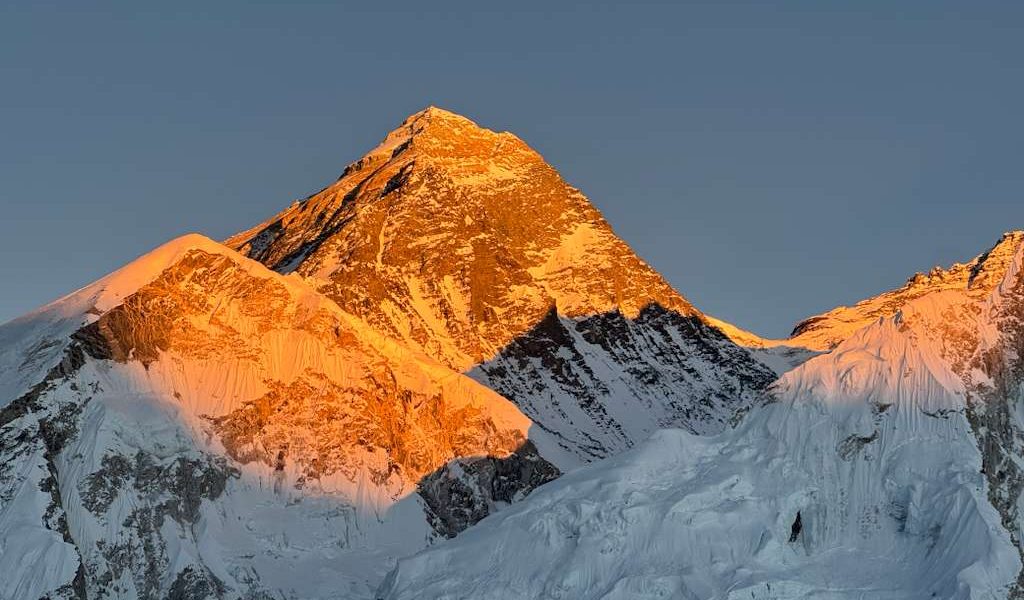
Everest Base Camp Trek Guide: Route, Cost & Preparation
The Everest Base Camp Trek ranks among the world’s most famous Himalayan adventures. This guide to Everest Base Camp Trek 2026/2027 will help you prepare for your journey through the heart of the Khumbu region and brings you close to Mount Everest (8,848.86 m). Trekkers can experience dramatic mountain scenery, Sherpa culture, Buddhist monasteries, traditional villages, and spectacular views of some of the world’s highest peaks.
Whether you are a first-time trekker or an experienced hiker, proper preparation will help you enjoy the Everest Base Camp Trek. This guide covers the route, itinerary, difficulty, Altitude, cost, permits, best seasons, weather, accommodation, food, equipment, altitude, safety, and other important information.
If you are ready to plan your trek, explore our Everest Base Camp Trek – 12 Days package.
Why Trek to Everest Base Camp?
The Everest Base Camp Trek offers much more than a view of Mount Everest. The trail takes you through the beautiful landscapes and communities of the Khumbu region.
During the trek, you can:
- Walk through traditional Sherpa villages.
- Explore Namche Bazaar, the main trading center of the Khumbu.
- Visit the famous Tengboche Monastery.
- Cross suspension bridges over the Dudh Koshi River.
- See Ama Dablam, Lhotse, Nuptse, Thamserku, and other Himalayan peaks.
- Reach Everest Base Camp at 5,364 meters.
- Watch sunrise over Everest from Kala Patthar.
- Learn about Sherpa culture, Buddhist traditions, and mountain life.
The Everest region also offers well-established trekking routes, teahouses, communication services, and experienced local guides.
Everest Base Camp Trek Overview
The classic Everest Base Camp Trek usually starts with a flight from Kathmandu to Lukla. From Lukla, trekkers walk through Phakding, Namche Bazaar, Tengboche, Dingboche, Lobuche, and Gorak Shep before reaching Everest Base Camp.
Trek distance: Approximately 130 km round trip, depending on the itinerary
Typical duration: 12–14 days
Everest Base Camp elevation: 5,364 m
Highest point: Kala Patthar, approximately 5,545 m
Difficulty: Moderate to challenging
Starting point: Lukla
Ending point: Lukla
Main accommodation: Teahouses
Major Highlights of the Everest Base Camp Trek
The trek combines mountain scenery, cultural experiences, and challenging Himalayan trails.
Major highlights include:
- Scenic flight from Kathmandu to Lukla
- Walking across suspension bridges
- Exploring Namche Bazaar
- Visiting Tengboche Monastery
- Views of Everest, Ama Dablam, Lhotse, Nuptse, and Thamserku
- Reaching Everest Base Camp
- Sunrise views from Kala Patthar
- Experiencing Sherpa villages and Buddhist culture
Everest Base Camp Trek Itinerary
The following 14-day itinerary includes two acclimatization days and allows time for the return journey to Kathmandu.
Day 1: Arrival in Kathmandu – 1,400 m
Arrive in Kathmandu and transfer to your hotel. You can use the day to rest, explore the city, and prepare your trekking equipment. Your trekking team will also provide a briefing and check your equipment.
Day 2: Fly to Lukla and Trek to Phakding – 2,610 m
Take a scenic flight to Lukla. After landing, begin walking toward Phakding. The trail follows the Dudh Koshi River and passes through small mountain villages.
Walking time: 3–4 hours
Day 3: Phakding to Namche Bazaar – 3,440 m
Walk through pine forests and cross several suspension bridges before reaching the entrance to Sagarmatha National Park. Continue uphill toward Namche Bazaar.
Walking time: 5–6 hours
Day 4: Acclimatization Day in Namche Bazaar
Spend the day acclimatizing to the increasing altitude. Take a short hike toward the Everest View Hotel or explore Khumjung Village and namche Bazzar.
Day 5: Namche Bazaar to Tengboche – 3,860 m
Follow the trail through forests and enjoy views of Ama Dablam and other Himalayan peaks. Continue to Tengboche and visit the famous Tengboche Monastery.
Walking time: 5–6 hours
Day 6: Tengboche to Dingboche – 4,410 m
Descend toward Deboche and cross the Imja River. Continue through Pangboche before reaching Dingboche.
Walking time: 5–6 hours
Day 7: Acclimatization Day in Dingboche
Take a short acclimatization hike around Dingboche. You can hike toward Nangkartshang Hill for views of Ama Dablam, Island Peak, and surrounding mountains.
Day 8: Dingboche to Lobuche – 4,940 m
Walk through the high-altitude landscape of the Khumbu Valley. Cross the area around Thukla Pass and continue toward Lobuche.
Walking time: 4–5 hours
Day 9: Lobuche to Everest Base Camp and Gorak Shep – 5,364 m
Walk toward Gorak Shep and continue to Everest Base Camp. After exploring the base camp area, return to Gorak Shep for the night.
Walking time: 7–8 hours
Day 10: Kala Patthar to Pheriche – 4,240 m
Start early and hike toward Kala Patthar for panoramic views of Mount Everest and the surrounding Himalayan peaks. After enjoying the mountain views, descend toward Pheriche.
Day 11: Pheriche to Namche Bazaar – 3,440 m
Retrace the trail through Tengboche and continue downhill toward Namche Bazaar.
Walking time: 5–6 hours
Day 12: Namche Bazaar to Lukla – 2,860 m
Continue along the Dudh Koshi Valley and pass through Phakding before reaching Lukla.
Walking time: 5–7 hours
Day 13: Fly from Lukla to Kathmandu
Take a scenic flight from Lukla to Kathmandu. After arriving, transfer to your hotel and enjoy your remaining time in Kathmandu.
Day 14: International Departure
Transfer to Tribhuvan International Airport for your international flight.
How Difficult Is the Everest Base Camp Trek?
The Everest Base Camp Trek does not require technical climbing skills, but the high altitude makes the journey physically demanding.
The main challenges include:
- Walking for several hours each day
- Trekking above 4,000 meters
- Cold temperatures at higher elevations
- Steep uphill and downhill sections
- Limited facilities at higher elevations
- Risk of altitude sickness
You do not need previous Himalayan trekking experience. However, you should prepare physically and maintain a steady pace throughout the trek.
Best Time for Everest Base Camp Trek
Spring – March to May
Spring offers generally stable weather, good visibility, and blooming rhododendrons. Many climbers and trekkers visit the Everest region during this season.
Autumn – September to November
Autumn provides generally clear skies, good mountain visibility, and comfortable trekking conditions. October and November often attract many trekkers.
Winter – December to February
Winter brings colder temperatures and fewer trekkers. Snow and cold conditions can make some sections more challenging, so trekkers need appropriate equipment and flexible planning.
Monsoon – June to August
The monsoon brings rain, clouds, and possible flight and trail disruptions. Visibility can also decrease significantly.
For a detailed month-by-month breakdown, see our Best Everest Base Camp Trek guide Page.
Everest Base Camp Trek Weather
Weather changes significantly with altitude and season. Lower sections of the trail usually feel warmer, while temperatures drop considerably around Gorak Shep and Kala Patthar.
Instead of relying on fixed temperatures, trekkers should prepare for:
- Warm conditions during sunny days at lower elevations
- Cold mornings and evenings
- Freezing conditions at higher elevations
- Strong winds
- Rapid weather changes
Pack layers that allow you to adjust your clothing throughout the day.
Permits for Everest Base Camp Trek
Trekkers need the applicable permits and local entry fees for the Everest region.
These include:
- Sagarmatha National Park entry permit
- Khumbu Pasang Lhamu Rural Municipality entry permit
Permit fees can change, so confirm the latest rates before departure.
For current local information, you can also check the Khumbu Pasang Lhamu Rural Municipality website.
Everest Base Camp Trek Cost
The total cost depends on your itinerary, accommodation, guide and porter services, transportation, and level of comfort.
Your trekking budget may include:
- Guide and porter
- Domestic flights
- Teahouse accommodation
- Meals
- Trekking permits
- Ground transportation
- Insurance for trekking staff
You should also budget separately for:
- Tips
- Hot showers
- Wi-Fi
- Charging
- Personal snacks and drinks
- Personal trekking equipment
- Travel insurance
For a detailed package and current price, see our Everest Base Camp Trek page.
Accommodation During the Trek
Teahouses provide the main accommodation along the Everest Base Camp route from Lukla.
Most teahouses offer:
- Twin-sharing rooms
- Beds and blankets
- Dining areas
- Basic toilet facilities
- Hot showers for an additional fee at many locations
Facilities become more basic as you gain altitude. Booking accommodation ahead of time can help during the busy spring and autumn seasons.
Food and Drinking Water
Teahouses serve a variety of meals throughout the trek.
Popular options include:
- Dal bhat
- Noodles
- Fried rice
- Pasta
- Soup
- Eggs
- Pancakes
- Thukpa
For drinking water, trekkers can use boiled water or properly treated water. Carry reusable bottles and follow safe water-treatment practices throughout the trek.
Everest Base Camp Trek Packing List
Clothing
- Down jacket
- Base layers
- Fleece jacket
- Trekking pants
- Waterproof jacket
- Gloves
- Warm socks
- Hat and neck warmer
Trekking Equipment
- Trekking boots
- Trekking poles
- Sleeping bag
- 40–60 liter backpack
- Headlamp
- Water bottles
- Power bank
Personal Items
- Sunscreen
- Lip balm
- Toiletries
- Personal medication
- Basic first-aid supplies
- Sunglasses
For a more detailed equipment checklist, visit our Equipment for Nepal Trek page.
Physical Preparation
Start preparing several weeks before your trek. Focus on activities that improve your endurance and leg strength.
You can include:
- Walking
- Hiking
- Stair climbing
- Cycling
- Cardiovascular exercise
- Leg and core exercises
- Walking with a light backpack
Gradually increase your walking time before your trek so your body becomes comfortable with long days on the trail.
Altitude Sickness Prevention
Altitude sickness can affect trekkers as they gain elevation. Follow a gradual itinerary and give your body enough time to acclimatize.
Helpful practices include:
- Walk at a comfortable pace.
- Drink enough fluids.
- Follow your acclimatization schedule.
- Avoid rushing to higher elevations.
- Tell your guide if you feel unwell.
- Follow professional medical advice when necessary.
- Descend if serious altitude-related symptoms develop.
Do not continue ascending when significant altitude-related symptoms worsen.
Safety and Emergency Support
The Everest region has established rescue and medical services, but remote mountain conditions can make emergencies difficult to manage.
Travel insurance should cover high-altitude trekking and emergency evacuation. Before your trip, check the altitude limit and evacuation conditions in your insurance policy.
An experienced Everest Base Camp Trek guide can also help with route decisions, communication, and emergency coordination.
Everest Base Camp Trek FAQs
How early should I book the Everest Base Camp Trek?
Book several months ahead if you plan to trek during the busy spring or autumn seasons. Early planning can help you arrange flights, accommodation, guides, and other services.
Do I need a guide for Everest Base Camp?
A guide can provide valuable support with navigation, accommodation, local information, safety, and changing trail conditions. Check the latest government and local regulations before your trek.
Can beginners complete the Everest Base Camp Trek?
Yes. Beginners can complete the trek with proper physical preparation, gradual acclimatization, suitable equipment, and a realistic itinerary.
What is the highest point of the trek?
Kala Patthar reaches approximately 5,545 meters, while Everest Base Camp sits at approximately 5,364 meters.
How cold does it get?
Temperatures vary by season and elevation. Higher sections can become very cold, especially at night and early in the morning. Bring suitable cold-weather clothing.
Why Trek with Himalaya View Treks?
Himalaya View Treks provides experienced local trekking guides and support for travelers exploring the Everest region.
Our team can help with:
- Experienced local guides
- Porter and porter-guide services
- Trekking itineraries
- Accommodation arrangements
- Transportation
- Permits
- Airport transfers
- Trekking equipment advice
If you want to hire a guide specifically for the Everest Base Camp Trek, visit our Guide for Everest Trek page.
Conclusion
The Everest Base Camp Trek combines adventure, mountain scenery, and Himalayan culture. The trail takes you from Lukla through Sherpa villages, Buddhist monasteries, high mountain valleys, and spectacular viewpoints before reaching Everest Base Camp.
Proper preparation will help you handle the long walking days and high altitude. Choose a suitable itinerary, pack appropriate equipment, allow enough time for acclimatization, and arrange suitable travel insurance.
With thoughtful preparation and support from an experienced local trekking team, you can enjoy the journey to Everest Base Camp and experience the remarkable landscapes and culture of the Khumbu region.