
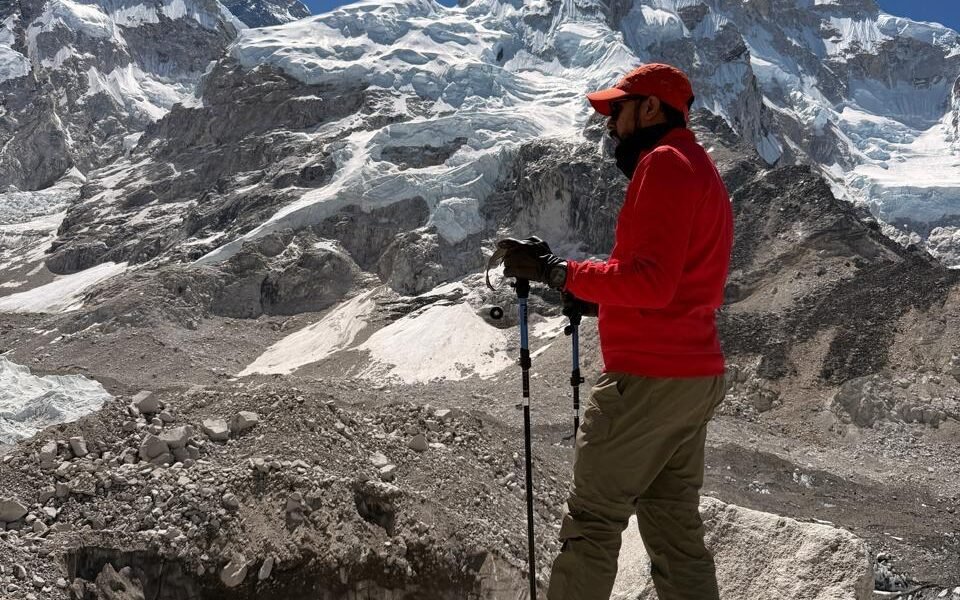
Everest Base Camp Trek Difficulty: What to Expect on the Trail
Planning an adventure to the foot of the world’s highest peak is an exciting milestone for any traveler. However, before booking your flights or lacing up your hiking boots, one major question always comes to mind: Just how hard is the Everest Base Camp trek difficulty? Many people wonder about the exact Everest Base Camp trek difficulty before setting out on their Himalayan journey.
The short answer is that the route is widely rated as moderate to strenuous. It is not a technical mountaineering expedition—you will not need ropes, harnesses, ice axes, or crampons. Nevertheless, it remains a demanding physical endurance journey that tests your stamina and mental resilience over nearly two weeks.
Understanding what makes this trail challenging helps you prepare effectively, avoid common mistakes, and dramatically increase your chances of standing successfully at the foot of Mount Everest.
1. It Is a Walk, Not a Climb (No Technical Skills Required)
A very common misconception among first-time visitors is that reaching Everest Base Camp requires scaling vertical ice walls or navigating dangerous cliffs. In reality, the entire route from Lukla to Base Camp and back follows established walking trails, stone staircases, and suspension bridges.
Because no technical climbing skills are required, thousands of everyday hikers, families, and adventurous travelers complete the trek every year. Your primary tool on the trail is simply a reliable pair of trekking boots and a steady pair of legs.
Furthermore, local Sherpa paths are well-worn and easy to follow. You will be walking alongside porters, pack animals, and fellow travelers from all over the world. While the physical effort is real, the lack of technical climbing makes the adventure accessible to anyone with good basic fitness and strong mental determination.
2. Analyzing the Real Challenge: Altitude and Thin Air
While the terrain itself is manageable, altitude is the ultimate equalizer when evaluating the Everest Base Camp trek difficulty.
The Elevation Profile: You will start your trek immediately after a thrilling mountain flight into Lukla, which sits at 2,840 meters (9,317 feet). From there, every single step takes you higher. You will sleep at Gorak Shep at 5,164 meters (16,942 feet) and climb up to Kala Patthar at 5,545 meters (18,192 feet)—which sits even higher than Base Camp itself (5,364 meters).
The Thin Air Effect: As you gain elevation, atmospheric pressure drops significantly. Every breath you take delivers roughly half the oxygen molecules compared to sea level. Simple daily tasks—such as tying your shoes, packing your duffel, or walking up a short flight of stairs—can suddenly leave you huffing and puffing.
Acute Mountain Sickness (AMS): Altitude sickness does not discriminate based on age, gender, or gym fitness. It can affect anyone regardless of athletic background. The absolute best defense against AMS is moving slowly—embracing the local mantra “bistaari, bistaari” (slowly, slowly)—and strictly following a well-paced itinerary that includes mandatory acclimatization days in places like Namche Bazaar and Dingboche.
3. Daily Walking Hours and Cumulative Fatigue
The standard Everest Base Camp itinerary typically spans 12 to 14 days, covering roughly 130 kilometers (80 miles) round-trip.
Daily Effort: On most days, you can expect to walk 5 to 7 hours. Some longer acclimatization or high-pass days can stretch up to 8 hours.
The Terrain Mix: You will navigate a diverse mix of terrain, including dusty dirt tracks, rocky glacial moraines, loose gravel, and thousands of uneven stone steps.
Cumulative Strain: The true Everest Base Camp trek difficulty is less about a single brutal day and more about cumulative fatigue. Walking uphill and downhill day after day on tired legs places a heavy load on your knees, calves, and lower back. Taking regular rest breaks, staying hydrated, and eating enough calories are essential strategies for managing your energy levels throughout the journey.
4. Teahouse Life and Mountain Weather Realities
Living on the trail is an incredible cultural experience, but rustic mountain conditions add a layer of mental challenge to your trek.
Accommodation: You will stay in local, family-run teahouses. Rooms are cozy, rustic, and basic, featuring twin beds with simple foam mattresses.
Temperature Drops: While the daytime sun can feel warm and pleasant during hiking hours, temperatures plummet rapidly after sunset. Above 4,000 meters, nighttime temperatures regularly drop below freezing (often hitting −10°C to −15°C in peak seasons), making a quality down jacket and a warm sleeping bag non-negotiable.
Mountain Weather: Conditions in the Khumbu region can shift without warning. Clear morning skies frequently give way to afternoon wind, clouds, or a light dusting of snow at higher elevations. Being mentally prepared for changing weather is just as important as physical training.
5. How to Train Effectively for Your EBC Trek
You do not need to be an elite marathon runner to succeed, but you do need to start preparing 8 to 12 weeks before your trip:
Focus on Incline Training: Standard flat running won’t prepare your quads and lungs for hours of continuous uphill climbing. Prioritize stairmaster workouts, weighted step-ups, and incline treadmill walking.
Build Back-to-Back Endurance: Train with consecutive days of physical activity—such as a long 5-hour hike on Saturday followed by another hike on tired legs Sunday—to simulate real multi-day trekking conditions.
Break In Your Footwear: Never wear brand-new boots straight out of the box on the trail. Walk them in extensively weeks prior to your departure to prevent painful blisters that can ruin your trip.
Frequently Asked Questions (FAQs)
1. How difficult is the Everest Base Camp trek?
The Everest Base Camp trek difficulty is widely rated as moderate to strenuous. It does not require any technical mountaineering skills, ropes, or ice axes, meaning you will be walking entirely on established stone staircases, dirt paths, and suspension bridges. However, it is a demanding physical endurance challenge because you will hike for 5 to 7 hours a day over 12 to 14 days, all while ascending into high-altitude environments where thin air reduces oxygen levels significantly.
2. Do I need previous mountaineering or climbing experience?
No, absolutely none. The trek is a non-technical walking holiday. Thousands of everyday hikers, families, and adventurous travelers with zero prior mountaineering experience complete the journey every year. As long as you possess a good baseline level of physical fitness, strong mental determination, and a sturdy pair of broken-in hiking boots, you are fully equipped for the trail.
3. What is the highest altitude reached on the EBC trek?
While Everest Base Camp itself sits at an altitude of 5,364 meters (17,598 feet), the highest point you will reach on the standard itinerary is Kala Patthar at 5,545 meters (18,192 feet). You will also sleep at your highest elevation lodge in Gorak Shep, which sits at 5,164 meters (16,942 feet).
4. Can anyone get altitude sickness, regardless of fitness?
Yes. Acute Mountain Sickness (AMS) is a physiological reaction to lower atmospheric pressure and reduced oxygen levels. It does not discriminate based on age, gender, gym strength, or athletic background. Even elite marathon runners can suffer from AMS if they ascend too quickly. The best prevention is maintaining a slow, steady pace (“bistaari, bistaari”) and following a properly paced itinerary with built-in acclimatization days.
5. How many hours a day will I be walking?
On average, you can expect to walk between 5 and 7 hours per day, covering roughly 130 kilometers (80 miles) round-trip over 12 to 14 days. Certain high-altitude days or acclimatization hikes may push closer to 8 hours. The difficulty comes less from a single brutal day and more from cumulative fatigue on your legs and joints over consecutive days of trekking.
6. How should I train physically before going to Nepal?
You should begin your physical preparation 8 to 12 weeks before your trip. Because standard flat running will not prepare your quadriceps and lungs for continuous uphill climbing, you should focus heavily on:
Incline training: Stairmaster workouts, weighted step-ups, and incline treadmill walking.
Back-to-back endurance: Doing long hikes on consecutive days (e.g., Saturday and Sunday) to simulate multi-day trail fatigue.
Core and leg strength: Squats, lunges, and lower back conditioning to handle carrying a daypack.
7. What kind of terrain will I encounter on the trail?
The trail varies significantly depending on your elevation. In the lower valleys, you will navigate green pine forests, rocky soil paths, suspension bridges, and steep stone staircases. As you climb higher past Namche Bazaar, the landscape transitions into a dry, alpine terrain featuring loose gravel, rocky glacial moraines, and dusty tracks.
8. What are the teahouse accommodations like along the way?
You will stay in local, family-run mountain lodges called teahouses. Rooms are cozy and basic, typically featuring twin beds with wooden frames and simple foam mattresses. While dining rooms are often communal and social, bedrooms are unheated. Above 4,000 meters, nighttime temperatures regularly drop below freezing, making a warm down jacket and a quality sleeping bag essential.
9. What is the best time of year to do the Everest Base Camp trek?
The two premier trekking seasons in Nepal are Spring (March to May) and Autumn (September to November).
Spring offers warmer weather, blooming rhododendron forests, and clear morning mountain views.
Autumn provides the most stable weather patterns, crystal-clear blue skies, and optimal visibility following the monsoon season.
10. How can I minimize my risk of failing the trek due to fatigue or sickness?
To maximize your chances of success, follow these four golden rules:
Walk slowly: Never rush; keep a sustainable, conversational pace.
Hydrate constantly: Drink 3 to 4 liters of water every single day to combat dehydration at altitude.
Eat enough calories: Your body burns massive amounts of energy on the trail, so maintain your fuel intake even if your appetite dips slightly.
Acclimatize properly: Respect rest days in places like Namche Bazaar and Dingboche by doing active “climb high, sleep low” day hikes.
Final Verdict: Can You Do It?
Ultimately, navigating the Everest Base Camp trek difficulty is entirely achievable for anyone with good health, strong determination, and the right preparation. If you maintain a positive mindset, choose a well-paced itinerary with proper rest days, and respect the mountain by walking slowly, you will stand successfully at the lap of the world’s highest peaks. The physical effort is real, but the unforgettable Himalayan views make every single step worthwhile.