Manaslu and Annapurna Combined Trek: An Epic Himalayan Odyssey
Combining the Manaslu and Annapurna Circuits results in a track that is unlike any other; it combines remoteness and fame, traditional customs with contemporary hiking, and undeveloped wilderness with organized teahouse amenities. Manaslu and Annapurna Combined Trek journey through Nepal’s most varied landscapes is more than just a hike; with each step, a new wonder is revealed.
This route offers hikers who want more than just a typical hike the best of both worlds: the famous, well-traveled pathways of Annapurna and the isolated, wild paths of Manaslu. For those looking for a fully comprehensive Himalayan experience, this combination trek is a dream come true.
By combining the best features of Nepal’s varied landscapes, the Manaslu and Annapurna circuits combine to offer an incredible trekking experience. This trip is much more than a simple walk; it’s a voyage through nature, culture, and time where each step reveals stunning landscapes, long-standing customs, and the sharp contrast between Nepal’s well-maintained hiking paths and the country’s desolate wildness.
This combination journey provides a unique chance to experience the vast wildness of Manaslu and the famous magnificence of Annapurna, as well as solitude and fame, tranquilly and adventure. An unmatched trip for anyone looking for both struggle and discovery, the trail leads hikers through secluded valleys, steep mountain passes, Buddhist temples, and quaint Himalayan communities.
Why Choose the Manaslu-Annapurna Combined Trek?
- Take Advantage of Both Worlds
Trekkers can experience wild nature and genuine Tibetan-influenced culture on the Manaslu Circuit, which is renowned for its off-the-beaten-path charm. Manaslu is still mostly unexplored, which offers seclusion and a sense of genuine discovery in contrast to the busy Annapurna region. In contrast, the Annapurna Circuit is one of Nepal’s most well-known trekking routes, offering a variety of scenery, cultural experiences, and well-established teahouses. Enjoying both accessibility and isolation when combining these two renowned treks results in a rich and varied Himalayan experience. - An Exploration of Natural and Cultural Diversity
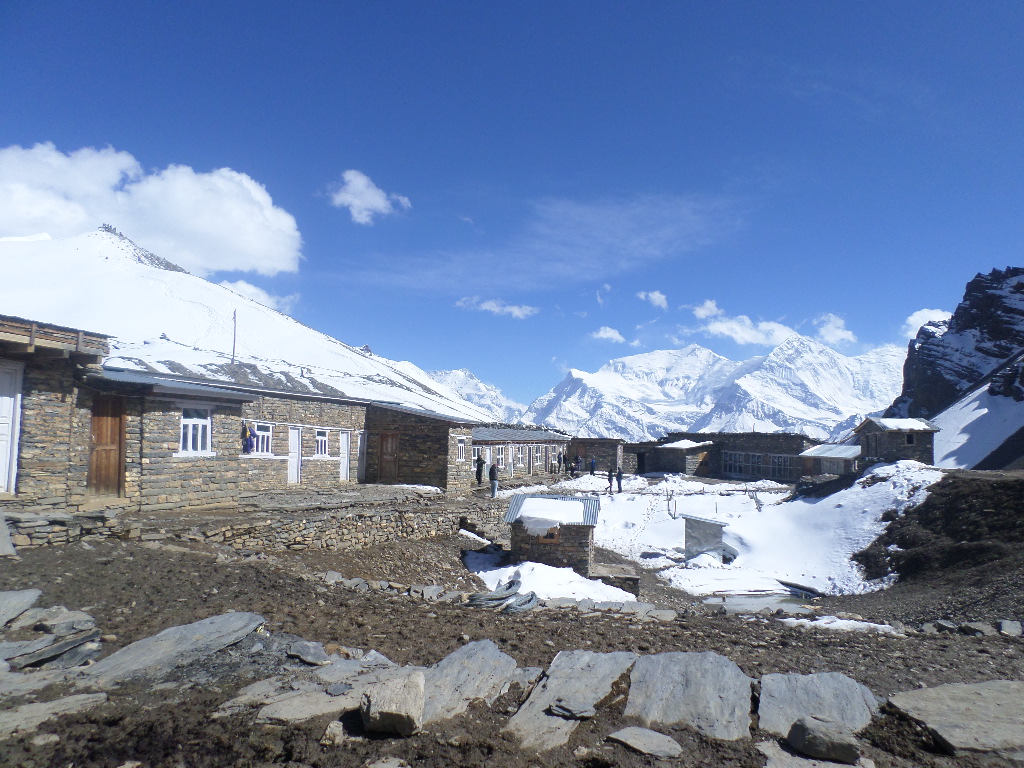
The trip passes through a breathtaking range of scenery, from the terraced fields and subtropical woods of the lower valleys to the majestic Thorong La Pass (5,416m) and Larkya La Pass (5,106m). From thundering glacier rivers and immaculate alpine meadows to historic Buddhist temples and Tibetan-style settlements that have retained their culture for decades, you will see it all. The experience is deepened and a greater appreciation of Nepal’s ethnic diversity is provided by the contrast between the remote villages of Manaslu and the more advanced communities of Annapurna. -
Teahouse Comforts Meet Remote Wilderness
This combined trek’s transition from untamed remoteness to well-organised trekking pathways is one of its distinctive features. With little infrastructure, fewer hikers, and an authentic spirit of adventure, the Manaslu Circuit Trek remains comparatively untamed. The ambience shifts when you enter the Annapurna Circuit and come across quaint teahouses, a wider variety of food, and a livelier hiking community. This change strikes the ideal balance between wilderness trekking and contemporary amenities, allowing adventurers to rest and recharge after days of remote exploration.
- An Actual Test of Adventure and Endurance
This hike, which spans more than 300 kilometres of untamed country and includes two high passes that above 5,000 meters, is ideal for individuals who are always up for a challenge. It is a journey best suited for seasoned hikers or those with a strong will because of the altitude, unpredictable weather, and lengthy hiking days. With expansive vistas of Mt. Manaslu (8,163m), Annapurna I (8,091m), and Dhaulagiri (8,167m), as well as hundreds of other Himalayan giants along the route, the rewards are incalculable.
What Makes Manaslu Circuit and Annapurna Circuit Joined Trek Special?
The Manaslu and Annapurna Combined Trek is a unique Himalayan journey that offers an extraordinary blend of remoteness and familiarity, cultural richness, and natural diversity. Few treks in the world can compare to the contrasting yet complementary experiences that these two legendary routes provide. The Manaslu Circuit is a wild, untamed trail, where solitude and raw adventure dominate the landscape. It is one of Nepal’s last remaining off-the-beaten-path treks, taking you through remote Tibetan-influenced villages, deep gorges, and untouched forests. In contrast, the Annapurna Circuit is well-established, with comfortable lodges, vibrant trekking communities, and a rich mix of ethnic cultures. By combining these two circuits, trekkers get the best of both worlds—the chance to experience an authentic wilderness adventure followed by a more structured and socially engaging trek through one of Nepal’s most famous routes.
Beyond the landscapes, this trek is also a journey through time, offering a rare glimpse into Nepal’s diverse cultural heritage. The Manaslu region is heavily influenced by Tibetan Buddhism, with ancient chortens, prayer flags, Mani walls, and monasteries dotting the trail. The people here, mainly of Tibetan descent, have lived in isolation for centuries, preserving a way of life that feels almost frozen in time. As you transition into the Annapurna region, the cultural landscape shifts dramatically. The Gurung and Thakali communities, known for their rich traditions and warm hospitality, offer a different perspective on Nepalese life. From the rugged stone houses of Samagaon and Samdo in Manaslu to the bustling tea houses of Manang and Jomsom in Annapurna, every stop along the way reveals a new chapter of Nepal’s ethnic and cultural mosaic.
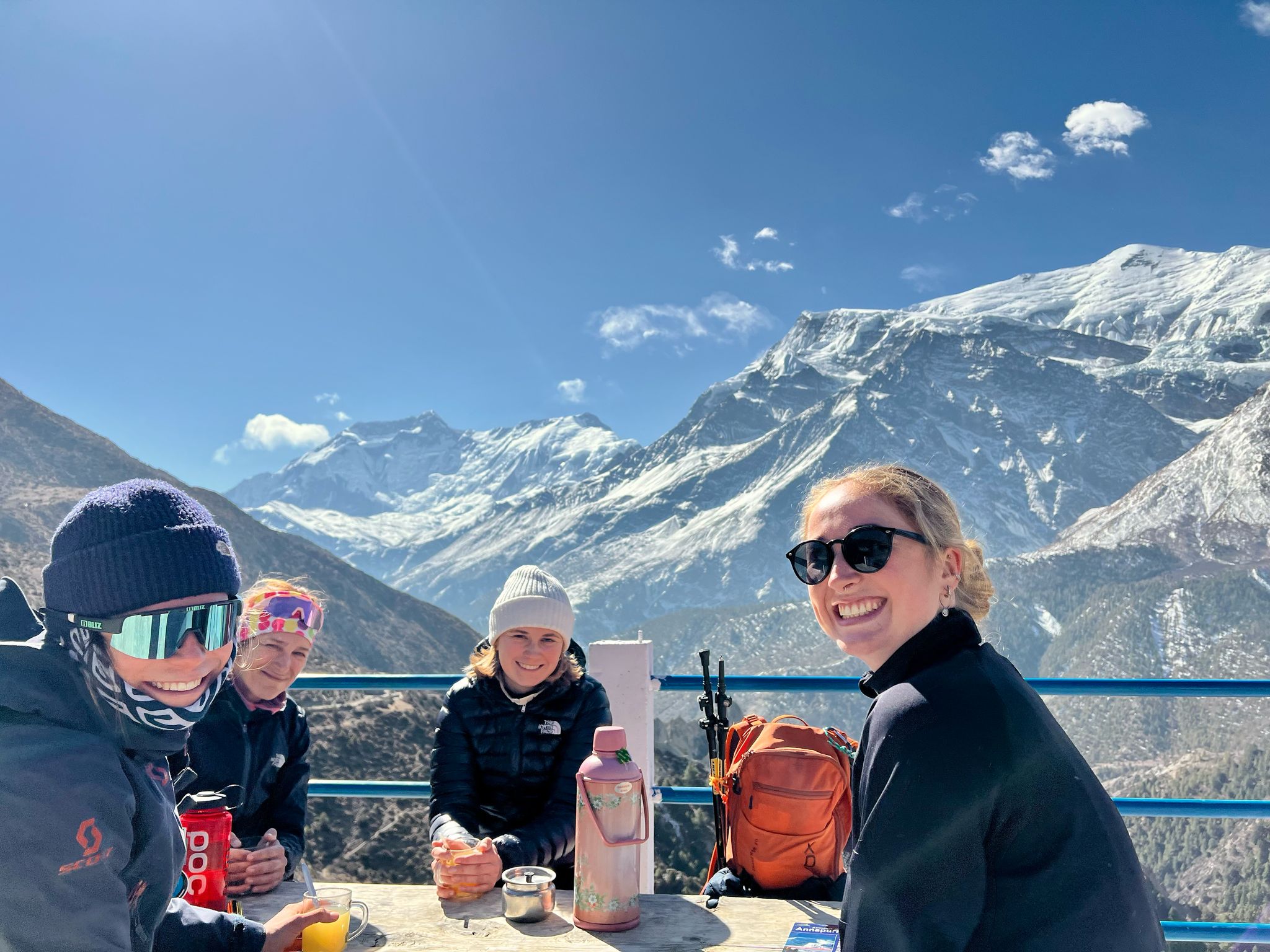
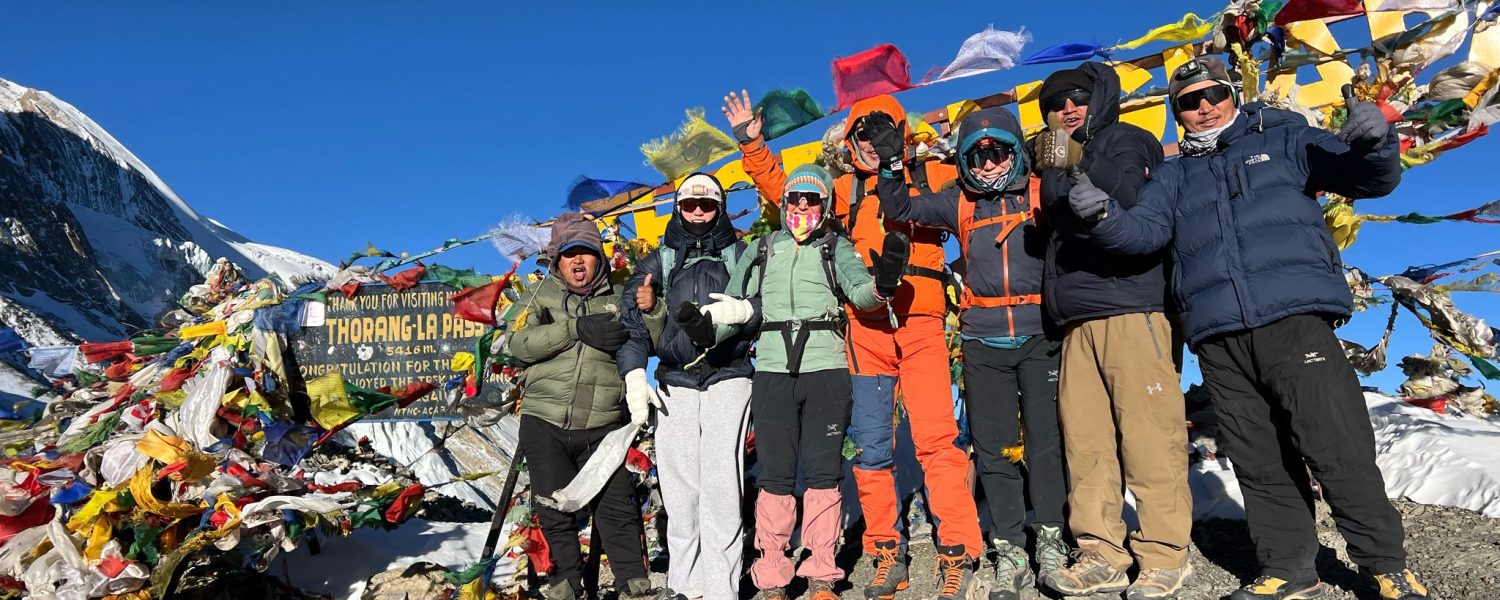
Annapurna Two passes Trek, Larkya La (5,160m) and Thorong La (5,416m),
This trek offers two legendary high-altitude passes with spectacular Himalayan views. Larkya La Pass (5,160m) is a rugged crossing in the Manaslu region. It offers stunning views of Mt. Manaslu, Cheo Himal, Himlung Himal, and Kang Guru. The climb is challenging, often requiring an early start through snow and icy winds. Thorong La Pass (5,416m) is the highest point of the Annapurna Circuit. It rewards trekkers with breathtaking views of Annapurna I, Dhaulagiri, and Nilgiri. Reaching both passes is a memorable achievement for every trekker.
The trek also showcases Nepal’s diverse natural landscapes. It begins in subtropical valleys with terraced fields, forests, and rushing rivers. Higher elevations feature pine forests, alpine meadows, and rugged mountain terrain. The scenery gradually resembles the high-altitude landscapes of Tibet. The contrast between Budhi Gandaki Valley and Mustang is truly remarkable. Trekkers may spot blue sheep, Himalayan tahr, and the elusive snow leopard. Glacier-fed lakes, deep gorges, and towering cliffs enhance the journey’s natural beauty.
This trek combines adventure, solitude, culture, and breathtaking scenery into one unforgettable experience. It blends Manaslu’s remote wilderness with Annapurna’s lively trekking atmosphere. Crossing two iconic mountain passes makes the adventure even more rewarding. The Manaslu-Annapurna Combined Trek is a true Himalayan journey of endurance and cultural discovery.
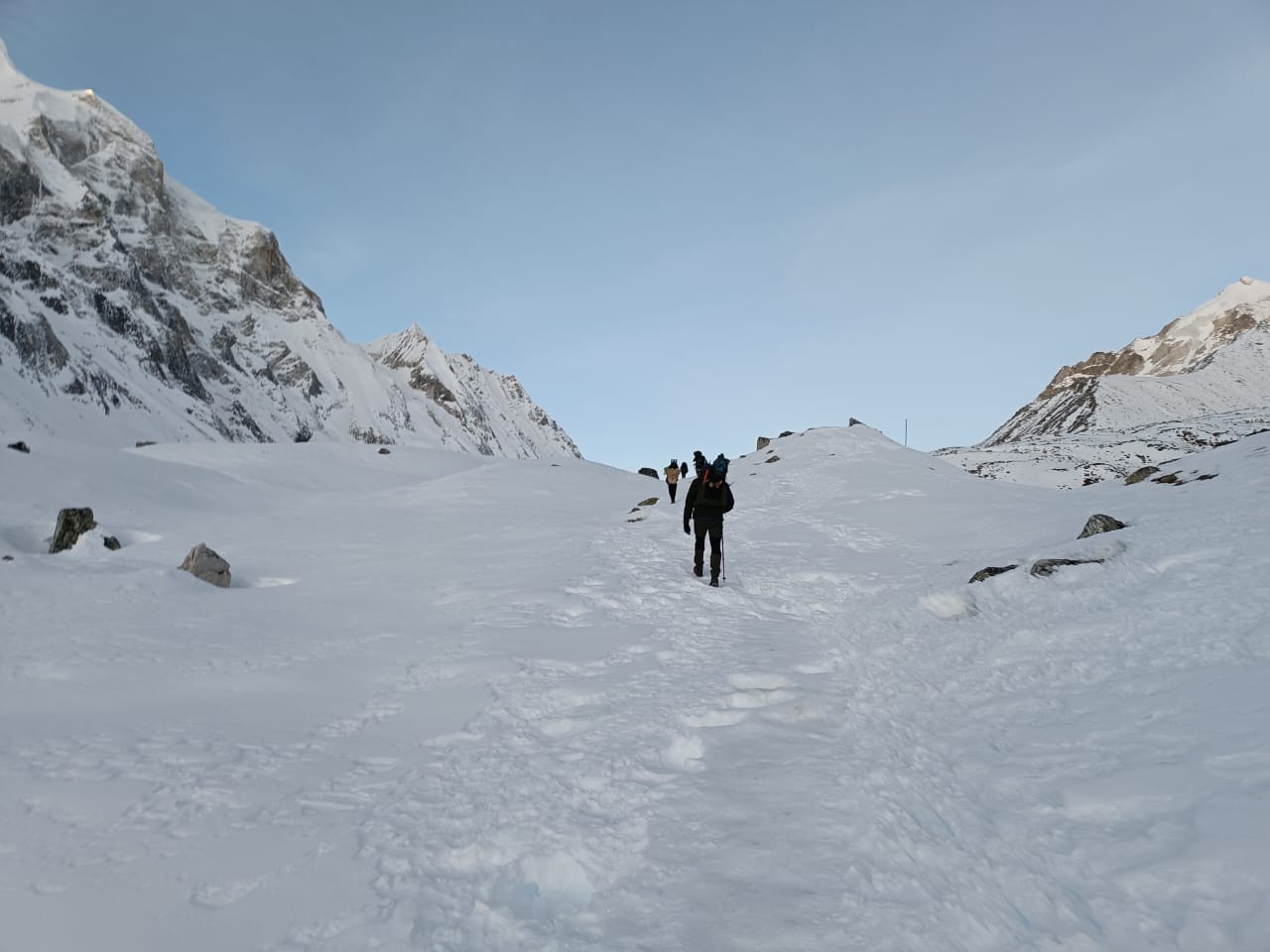
The Best Time for the Manaslu-Annapurna Combined Trek
Making the most of this amazing Himalayan journey requires selecting the ideal time of year for the Manaslu and Annapurna Combined Trek. Every season offers different difficulties and rewards because the walk covers a wide range of altitudes, from lush plains to high mountain passes topping 5,000 meters. Although most people agree that the finest seasons to trek are spring (March–May) and fall (September–November), winter and monsoon have their own unique, challenging features. Let’s examine in detail how the experience changes with the seasons.
Spring (March-May): A Season of Blossoms and Vibrant Life
In the Himalayas, spring is quite enchanting. The countryside awakens with a riot of colour as winter’s hold loosens. The national flower of Nepal, rhododendrons, starts to blossom, transforming whole hillsides into a vivid tapestry of pinks, whites, and reds. The trip is made much more attractive by the floral displays that cover the lower parts of the Manaslu and Annapurna Circuits, particularly the areas surrounding the villages of Dharapani, Jagat, and Ghap.
The consistent weather is one of the main benefits of trekking in the spring. With daytime temperatures in the lower elevations ranging from 10°C to 20°C (50°F to 68°F), the days are pleasant and mild. Temperatures gradually decrease as you get higher, but the cold is still tolerable. Higher camps like Thorong Phedi (4,540m), Dharmasala (4,460m), and Samagaon (3,530m) have cool nights that frequently drop below freezing, but the clear skies and pleasant daytime temperatures make for a pleasant trekking experience.
Additionally, spring is a great season to see wildlife. Himalayan tahr, Himalayan blue sheep, and even the elusive snow leopards move to lower elevations in pursuit of food as the snow melts. Manaslu is a birdwatcher’s heaven, especially between Jagat and Deng, where the verdant woodlands come alive with birdcalls.
The one drawback to spring hiking is that it can get crowded, particularly in the Annapurna region. Because of the Annapurna Circuit’s popularity, teahouses in locations like Manang and Muktinath may be packed. Nonetheless, the Manaslu area is still rather peaceful, preserving its feeling of isolation and untamed nature.
Autumn (September-November): The Ultimate Trekking Season
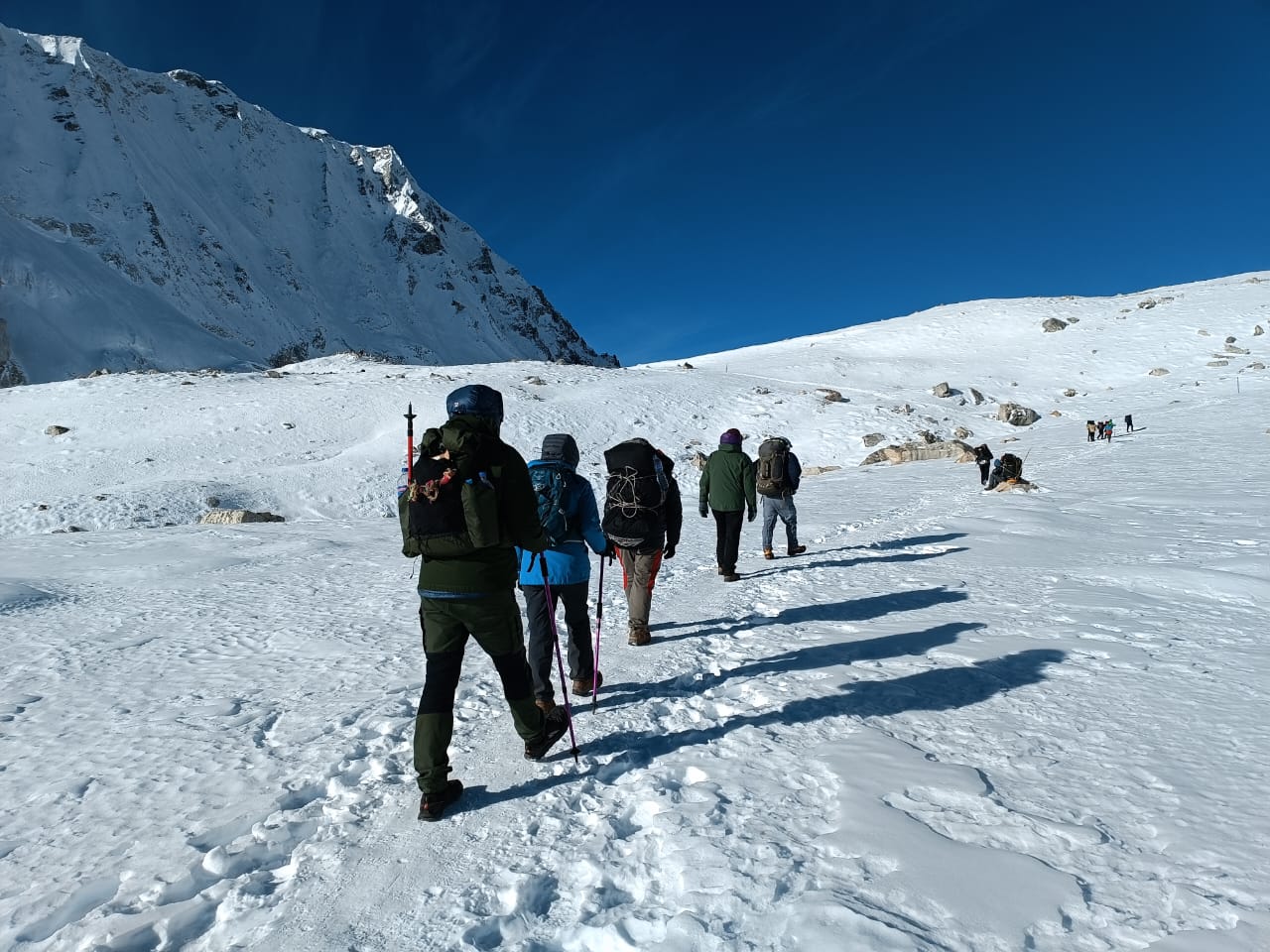
Autumn is the best time of year to trek the Manaslu-Annapurna if there is one. The skies clear up as the summer monsoons subside, revealing pristine mountain vistas, clean air, and ideal trekking conditions. The temperatures stay reasonable at most levels, and the dry routes make the climb over Larkya La Pass (5,160m) and Thorong La Pass (5,416m) easier.
Lower-lying areas see daytime temperatures between 10°C and 18°C (50°F and 64°F), which progressively decrease as you go higher. Temperatures can drop to -10°C (14°F) or lower at night at high-altitude camps like Larke Phedi and Thorong Phedi, but this is perfectly bearable with the proper equipment. Unhindered vistas of Manaslu (8,163m), Annapurna I (8,091m), and Dhaulagiri (8,167m), among innumerable other peaks, are made possible by the clear autumn air.
Dashain and Tihar, two of Nepal’s most important festivals, are also observed in the autumn. Locals participate in ceremonies, feasts, and traditional dances throughout these Hindu holidays, which infuse the villages with a joyful atmosphere. Because monasteries and homes are decked out with prayer flags and lights, touring villages during this season offers a greater understanding of Nepalese culture.
But autumn is also the busiest time of year, especially in the Annapurna area. The routes from Manang to Thorong La and down to Jomsom can feel congested, but the Manaslu Circuit retains its sense of isolation. Trekkers must make reservations in advance or share lodgings with other travelers because teahouses frequently fill up quickly. Autumn is the most rewarding season for this walk because of the perfect weather, stunning scenery, and vibrant culture, even with the increasing number of hikers.
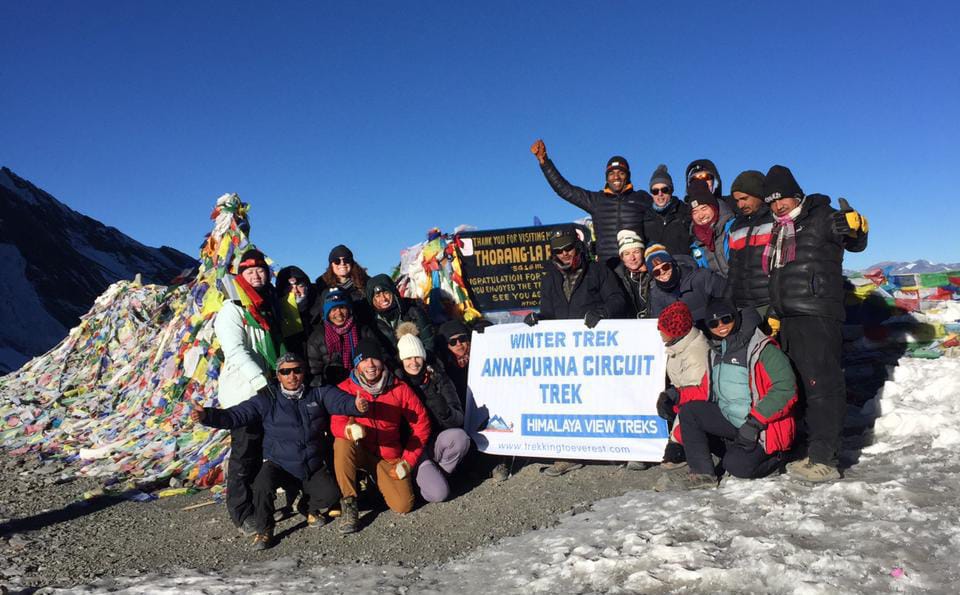
Winter (December–February): A Difficult But Beautiful Task
Winter trekking on the Manaslu-Annapurna route is an adventure for experienced hikers who can withstand harsh weather. Crossing Larkya La and Thorong La becomes challenging or impossible due to the snow-bound high passes. Winter offers a totally other experience, though, if you’re ready for the bitter cold and aren’t afraid to be alone.
The bitter cold is the largest obstacle to winter trekking. Daytime temperatures can still be nice in the lower sections (5°C to 12°C; 41°F to 54°F), but they sharply decrease as you ascend higher. Nighttime temperatures can drop to -20°C (-4°F) or lower at elevations exceeding 4,000 meters. The trek is extremely taxing due to strong winds, snowstorms, and ice trails; it calls for crampons, appropriate winter gear, and prior cold-weather hiking expertise.
Winter has its own beauty in spite of these difficulties. With new snow covering the peaks and valleys, the mountains are at their most striking. The trails are incredibly alone and nearly deserted. As animals go to lower elevations in pursuit of food, wildlife sightings also rise. With residents huddled around cosy fireplaces and exchanging tales, villages such as Samagaon and Manang seem more tranquil.
>Trekkers must, however, carefully plan, have additional food supplies, and be adaptable with their itineraries because to the possibility of closed teahouses and barred passes. This time of year offers a distinctive, although difficult, experience for anyone looking for an intense adventure in a winter paradise.
Monsoon (June-August): A Lush Yet Risky for Manaslu and Annapurna Circuit Joined Trek
The monsoon season is the least suitable time for this trek. Heavy rain causes landslides, slippery trails, and leech-infested paths. Flooded rivers and rockfalls create additional risks, especially in the Manaslu region. However, the monsoon reveals the Himalayas at their greenest and most vibrant. Lush forests, blooming wildflowers, and cascading waterfalls create stunning scenery. This season is ideal for photographers and nature enthusiasts. The Annapurna rain shadow receives less rainfall in Manang and Mustang. However, lower trails remain muddy and affected by leeches. Fewer trekkers visit during the monsoon, offering a quieter and more peaceful experience.
Permits You’ll Need for Manaslu and Annapurna Combined trek
Due to Manaslu’s restricted status, you’ll require:
- ManasluRestricted Area Permit(RAP)
- Manaslu Conservation Area Permit (MCAP)
- Annapurna Conservation Area Permit (ACAP)
- TIMS (Trekkers’ Information Management System) Card
What to Pack for This Epic Journey
Packing for the Manaslu and Annapurna Combined Trekking requires careful planning, as the trek spans a vast range of altitudes and climates. From humid, subtropical forests in the lower valleys to icy, wind-swept mountain passes above 5,000 meters, trekkers must be prepared for extreme weather variations. The right gear not only ensures comfort but also enhances safety and endurance on this demanding route. Below is a detailed breakdown of the essential trekking gear needed for this epic Himalayan journey.
Footwear: The Foundation of a Great Trek
Your boots will be your most critical piece of gear, as they will endure hundreds of kilometers of rugged terrain, river crossings, and high-altitude climbs. A good pair of trekking boots should be:
Sturdy –Able to withstand rocky trails, snow-covered passes, and steep descents.
Waterproof –Rain, snow, and river crossings are common, so waterproofing is a must.
Well-Broken-In – New boots can cause painful blisters; ensure they are broken in well before the trek.
High-Ankle Support – Reduces the risk of ankle sprains on uneven trails.
Recommended Additional Footwear:
- Camp Shoes (lightweight sneakers or sandals) – Perfect for relaxing at teahouses after a long day of trekking.
- Thermal Socks (2-3 pairs) – Essential for keeping feet warm at higher elevations.
- Breathable Hiking Socks (3-4 pairs) – Prevent blisters and wick moisture away from the skin.
Clothing: Layering for a Wide Range of Temperatures
Since this trek moves through diverse climatic zones, a layered clothing system is key to staying comfortable and adapting to changing weather conditions.
Base Layers (Moisture-Wicking & Breathable)
- Thermal tops and bottoms (2 sets) – Lightweight, moisture-wicking fabrics to keep sweat away from the body.
- Quick-dry T-shirts (2-3) – Ideal for the warmer lower sections of the trek.
- Trekking pants (2-3 pairs) – Convertible zip-off pants work well for temperature control.
Insulating Layers (For Warmth at Higher Altitudes)
- Fleece Jacket – Essential for keeping warm during chilly mornings and evenings.
- Down Jacket (800-fill or higher) – Vital for sub-zero temperatures at higher camps and passes.
- Insulated Gloves – Keep hands warm when trekking at high altitudes.
Outer Shell (Windproof & Waterproof Protection)
- Waterproof Jacket with Hood – A must for sudden rain showers or snow at higher altitudes.
- Waterproof Trekking Pants – Keeps you dry during unexpected weather changes.
Headgear & Accessories
- Warm Beanie – Protects against cold temperatures at higher altitudes.
- Neck Gaiter or Buff – Helps shield against dust in dry areas and cold air in high-altitude zones.
- Sun Hat / Cap – Provides protection from strong Himalayan sun exposure.
- Lightweight Gloves – Useful for lower altitudes where insulation isn’t required.
Essential Trekking Gear
Backpack & Carrying System
- Main Backpack (50-60L) – Should be comfortable, durable, and have a good hip strap for weight distribution.
- Daypack (20-30L) – Useful for carrying essentials like water, snacks, and layers during day hikes.
- Rain Cover for Backpack – Keeps your gear dry during unexpected rain showers.
Sleeping System
- Sleeping Bag (-15°C rating) – While teahouses provide blankets, a warm sleeping bag is essential for freezing nights.
- Sleeping Bag Liner – Adds warmth and improves hygiene.
Trekking Equipment
- Trekking Poles – Help with stability on steep ascents, descents, and river crossings.
- Sunglasses (UV-protected, polarized) – Reduces glare from snow and protects against strong UV rays.
- Headlamp with Extra Batteries – Essential for early morning ascents and power outages in teahouses.
- Gaiters – Useful in snow, preventing moisture and debris from entering your boots.
Health & Safety Essentials
A high-altitude trek like this requires a well-stocked first aid kit to manage minor injuries and altitude-related symptoms.
First Aid Kit & Medications
- Altitude Sickness Medication (Diamox) – Helps acclimatization at high altitudes.
- Painkillers (Ibuprofen/Paracetamol) – Useful for headaches and muscle pain.
- Rehydration Salts & Electrolytes – Prevents dehydration from sweating at high elevations.
- Band-Aids & Blister Plasters – Protect against cuts and foot blisters.
- Antibiotics – For bacterial infections (consult your doctor before use).
- Water Purification Tablets/Filter – Ensures safe drinking water, reducing the risk of stomach infections.
Hydration & Nutrition
- Reusable Water Bottles (1-2L capacity) – Hydration is crucial at high altitudes.
- Camelbak / Hydration Bladder – Allows easy access to water while trekking.
- Energy Bars, Nuts, & Dried Fruits – High-calorie snacks for quick energy boosts.
Miscellaneous but Useful Items
- Maps & Guidebook – Helps with navigation and understanding the route.
- Notebook & Pen – Great for journaling your adventure.
- Camera / GoPro – To capture breathtaking moments.
- Power Bank & Extra Batteries – Charging points are limited in remote areas.
- Solar Charger – Useful for recharging devices in areas with no electricity.
- Lightweight Towel & Biodegradable Soap – For personal hygiene at teahouses.
- Duct Tape & Repair Kit – Handy for fixing broken gear.
Final Packing Tips
Pack Light, But Don’t Compromise on Essentials – A heavy backpack can make trekking exhausting.
Dress in Layers –Weather changes quickly; layering makes it easy to adapt.
Break-in Your Boots & Test Your Gear Before the Trek
Carry Some Local Currency (Nepali Rupees) – ATMs are scarce in remote areas.
Conclusion
Hiring a professional guide porter in Nepal is one of the best ways to enjoy a safe, comfortable, and enriching Himalayan adventure. Whether you are planning the Everest Base Camp Trek, Annapurna Circuit, Annapurna Base Camp, or a remote mountain expedition, an experienced local guide can make your journey more enjoyable by providing expert navigation, cultural insights, and reliable support throughout the trek.
At Himalaya View Treks, we proudly offer licensed trekking guides, porter guides, and porters for every major trekking destination in Nepal. If you are planning to explore the Everest region, our Guide for Everest Base Camp and Sherpa Guide Porter services provide experienced local professionals who know the trails and mountain environment. For trekkers heading to the restricted Manaslu region, our Manaslu Guide service ensures you meet all permit requirements while enjoying a safe and well-organized trek. Likewise, our Guide for Langtang Valley Trek service allows you to discover the stunning landscapes, Tamang culture, and peaceful trails of Langtang National Park with confidence.
Whether you need a Guide from Pokhara for the Annapurna region, a Porter Guide Hire From Lukla for the Everest region, or a Female Guide for Solo Female Travelers, our experienced team is ready to help. With professional service, transparent pricing, insured staff, and years of local expertise, Himalaya View Treks is committed to making your trekking experience unforgettable. Contact us today and let us help you choose the perfect guide or porter for your next Himalayan adventure.