Latest Update of Langtang Trek 2025
The latest update of Langtang trek, Langtang national park appeal TAAN and NTB for the mandatory use of trekking guide or nature guide while entering into the Langtang National Park on February 17, 2025. Because of missing solo trekkers into the national park very often.
Trekkers can experience an enthralling fusion of natural beauty and cultural richness in the Langtang region, which is tucked away in Nepal’s Himalayas. Notwithstanding the difficulties brought on by the 2015 earthquake, the region has proven incredibly resilient and is still a popular travel destination for explorers from all over the world. In order to improve safety and assist local populations, new rules update requiring all trekkers in Langtang National Park to employ professional guides will take effect on February 17, 2025.
An Overview of Langtang’s Allure:
Known as the “Valley of Glaciers,” the Langtang Valley is well-known for its breathtaking scenery, varied wildlife, and the friendly Tamang and Sherpa people. Trekkers can enjoy expansive vistas of snow-capped mountains like Langtang Lirung 7234M, verdant forests brimming with Himalayan black bears and red pandas, and historic monasteries that reflect the region’s diverse cultural heritage.
Key Points of Interest on the updated Langtang Trek
- Syabrubesi: This busy settlement, which is seven to eight hours’ drive from Kathmandu, is usually where the trip starts. As the entry point to the Langtang area, Syabrubesi gives hikers an opportunity to adjust and get ready for the journey.
- Lama Hotel: Tucked away within thick forests, the Lama Hotel offers a peaceful setting where hikers may unwind and take in the splendour of nature. There are chances to see a variety of bird species and occasionally fauna in this biodiverse environment.
- Langtang Village: Rebuilt after being ravaged by the 2015 earthquake, Langtang Village is a monument to the tenacity of its people. With its stone homes, yak pastures, and regional cheese factories, the village provides insights into traditional Tamang lifestyle.
- Kyanjin Gompa: This spiritual centre, which is 3,870 meters above sea level, has an old monastery and a well-known cheese factory that was founded by Swiss volunteers. The location is a highlight of the hike since it offers stunning views of the nearby peaks and glaciers.
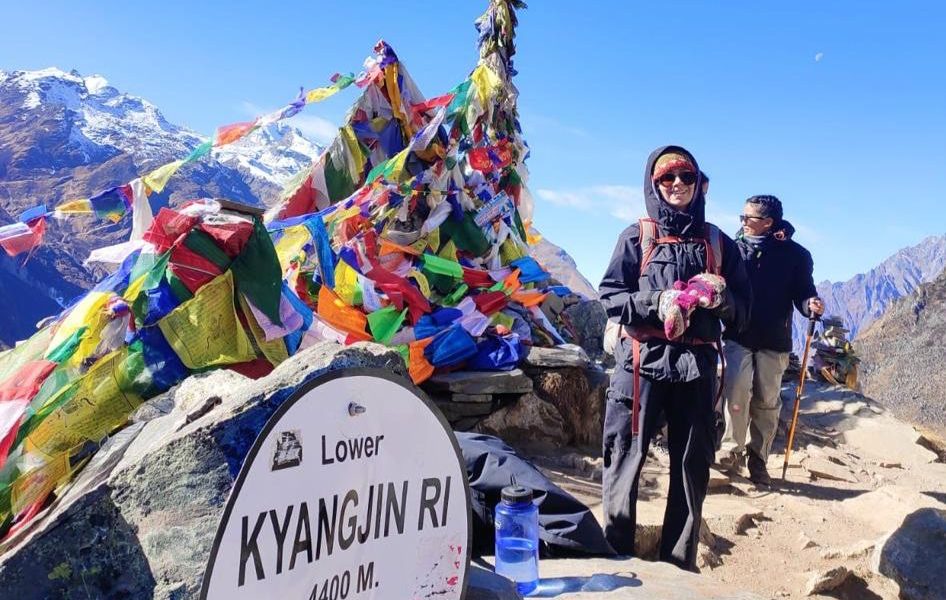
- Kyanjin Ri: Tserko Ri (4,984 meters) provides sweeping views of the Langtang range and is a worthwhile side excursion for anyone looking for an extra challenge. Trekkers are rewarded with unmatched mountain views after a strenuous journey. This vantage point provides one of the most breathtaking views of the Langtang range, which includes Gang Chhenpo, Yala Peak, and Langtang Lirung. The hike is challenging, but the amazing vistas make every step worthwhile.
The 2015 Earthquake’s Effects:
Organizing Your Trek to Langtang:
The following should be taken into account by anyone organizing a trip in the Langtang area:
- The best seasons for trekking are spring (March to May) and fall (September to November), when the weather is stable and the mountains are visible.
- Permits: The Trekkers’ Information Management System (TIMS) card and the Langtang National Park Entry Permit are required.
- Physical Preparation: Although the hike is rated as moderate, there are steep parts, so it is best to have a reasonable degree of fitness.
- Essentials for Packing: It is advised to bring rain gear, trekking poles, a good sleeping bag, sturdy boots, and layers of clothing.
Conclusion:
Going on the Langtang Trek in 2025 is a special chance to see a place that has skillfully combined resiliency with its rich history. Trekkers looking for adventure and cultural immersion continue to find Langtang to be a beacon thanks to improved safety precautions and the resilient character of its residents.
Trekkers can anticipate a more secure and rewarding experience with the implementation of the new mandatory trekking guide legislation on March 1st, 2025. The Langtang Trek is an excursion that will leave you with lifelong memories, regardless of your level of experience. So prepare for your 2025 exploration of the Valley of Glaciers by packing your bags and putting on your boots!