Trip overview
Mera Peak Climbing Overview
Mera Peak (6,476m) is Nepal’s highest trekking peak. It is one of the most rewarding climbing adventures in the Himalayas. The peak lies in the remote Hinku Valley of the Everest region. The Mera Peak Climbing 14 Days itinerary combines trekking, mountaineering, and breathtaking mountain scenery. It also introduces you to authentic Sherpa culture. This expedition is ideal for trekkers dreaming of their first Himalayan summit above 6,000 meters.
Unlike many climbing peaks, Mera Peak is not highly technical. It suits adventurous trekkers with good physical fitness. Climbers use crampons, harnesses, ropes, and ice axes during the ascent. However, the route is less technical than many Himalayan peaks. Proper acclimatization is essential for a safe climb. Experienced Sherpa guides provide expert support throughout the expedition. They also offer basic climbing instruction before the summit attempt. With good preparation, many first-time climbers successfully reach the summit.
One of Mera Peak’s greatest rewards is its incredible panoramic view. On clear days, climbers can see five of the world’s highest mountains. These include Mount Everest (8,848.86m), Lhotse (8,516m), Cho Oyu (8,188m), Makalu (8,485m), and Kanchenjunga (8,586m). Few trekking peaks offer such spectacular Himalayan scenery. This view makes Mera Peak a favorite among photographers and adventure lovers.
Journey Through the Beautiful Hinku Valley
Your journey begins with a scenic flight from Kathmandu to Lukla. Lukla is one of the world’s most famous mountain airports. From there, the trail enters the peaceful Hinku Valley. This route avoids the busy Everest Base Camp trail. The valley offers quiet paths and unspoiled natural beauty. Trekkers enjoy forests, rivers, alpine meadows, and dramatic mountain landscapes.
The trail passes through Chutanga, Thuli Kharka, Kothe, Thangnak, and Khare. Each village offers comfortable teahouse accommodation and warm Sherpa hospitality. Along the way, you’ll walk through rhododendron forests and bamboo groves. The route also crosses glacial valleys, yak pastures, suspension bridges, and mountain passes. Every day reveals new scenery and stunning Himalayan views.
The peaceful Hinku Valley is one of the expedition’s biggest highlights. The trails remain quieter than the Everest Base Camp route. This creates a more relaxing trekking experience. The valley’s untouched beauty makes every day memorable. Trekkers also have opportunities to spot Himalayan wildlife. Common sightings include Himalayan thar, musk deer, colorful pheasants, and alpine birds. The combination of rich biodiversity and spectacular mountain scenery makes the Hinku Valley one of Nepal’s finest trekking destinations.
Acclimatization for a Successful Summit
Altitude is one of the biggest challenges during any Himalayan expedition. That is why the Mera Peak Climbing 14 Days itinerary is carefully designed with gradual altitude gain and proper acclimatization. Spending additional time at higher elevations allows your body to adjust to decreasing oxygen levels, significantly increasing your chances of reaching the summit safely.
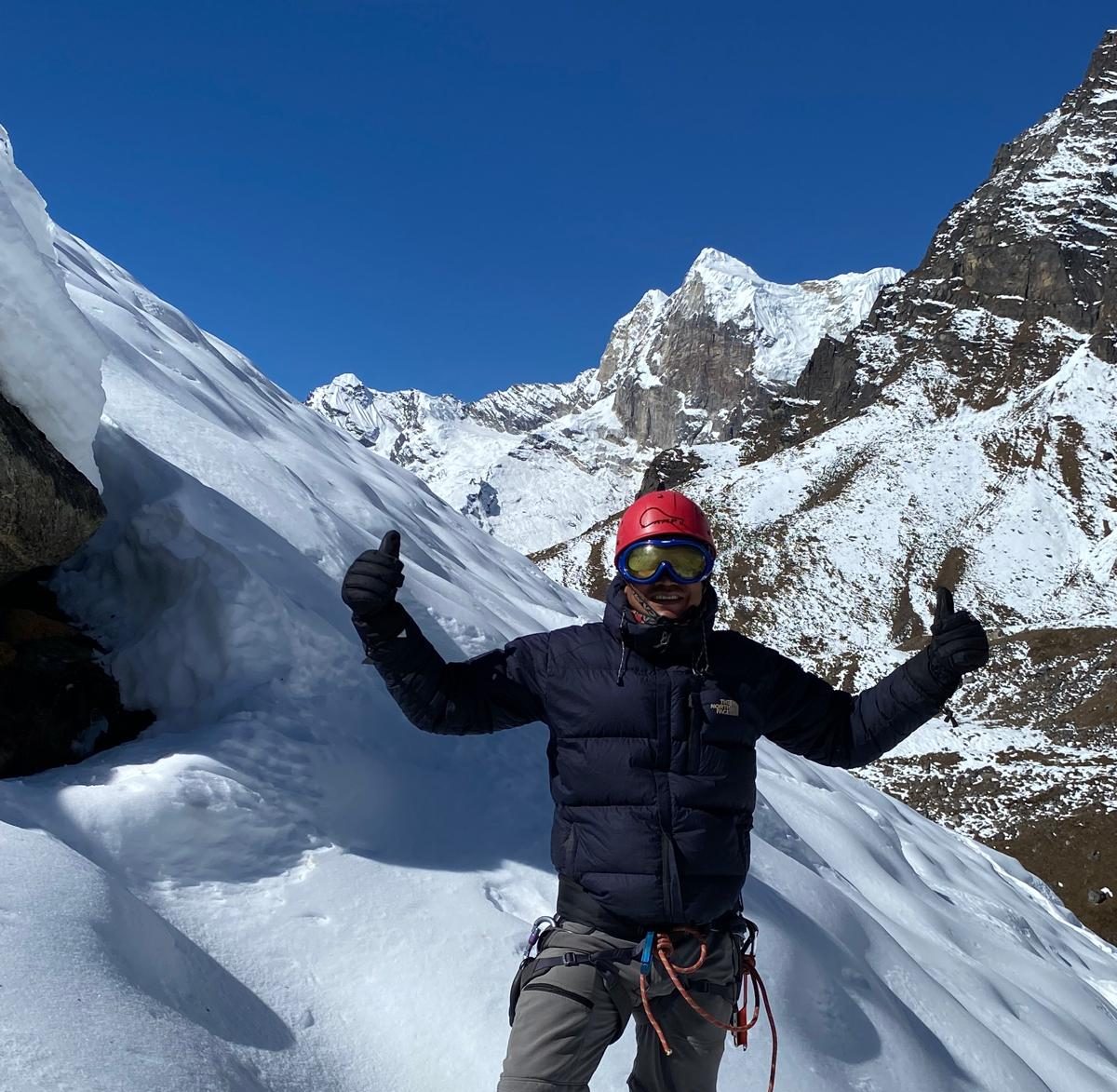
As you ascend through Kothe and Thangnak before reaching Khare, your body gradually adapts to the altitude. At Khare, climbers usually spend extra time practicing climbing techniques and becoming familiar with essential mountaineering equipment. Your experienced Sherpa guide will provide instruction on using crampons, ice axes, climbing harnesses, ascenders, helmets, and fixed ropes. we arrange Mera peak climbing from Khare to khare, if you are trekking yourself and want to joint Mera peak then let us know.
This practical training builds confidence, especially for climbers with little or no previous mountaineering experience. Learning proper climbing techniques before summit day ensures a safer and more enjoyable expedition.
Climbing to Mera High Camp
After leaving Khare, the trail gradually climbs onto the Mera Glacier before reaching Mera High Camp (5,780m). This section of the journey offers magnificent views of snow-covered peaks and expansive glaciers stretching across the Everest region.
Accommodation at High Camp is provided in expedition tents, giving climbers a true Himalayan mountaineering experience. After an early dinner and final equipment check, everyone prepares for the summit attempt, which usually begins well before sunrise.
The quiet atmosphere, brilliant stars above, and anticipation of summit day create one of the most memorable moments of the expedition.
Summit Day – Standing Above the Himalayas
Summit day is the highlight of the entire journey. Climbers begin their ascent during the early morning hours when snow conditions are generally more stable. Wearing crampons and connected by safety ropes where necessary, the team steadily climbs the broad snow slopes toward the summit.
Although the climb is physically demanding due to the altitude, the route itself is straightforward without steep technical rock climbing. Patience, steady pacing, and following your guide’s instructions are the keys to success.
As dawn breaks over the Himalayas, the surrounding mountain peaks gradually glow with golden sunlight. Upon reaching the summit of Mera Peak, climbers are rewarded with one of the finest mountain panoramas anywhere in Nepal.
Standing at 6,476 meters, surrounded by Everest, Lhotse, Makalu, Cho Oyu, Kanchenjunga, Baruntse, Ama Dablam, and countless other snow-covered giants, creates a moment that few people ever experience. The feeling of accomplishment after days of trekking and climbing makes every step worthwhile.
After celebrating at the summit and taking photographs, the team carefully descends back to High Camp before continuing toward Khare.
Best Time of the Year to Climb Mera Peak
The best seasons for Mera Peak Climbing are spring (March to May) and autumn (September to November). During these months, weather conditions are generally stable, skies remain clear, and mountain visibility is exceptional.
Spring brings blooming rhododendron forests, warmer temperatures, and longer daylight hours. It is an ideal season for climbers who enjoy colorful landscapes and comfortable trekking conditions.
Autumn is equally popular because of its crisp mountain air, excellent visibility, and dry weather following the summer monsoon. Many experienced climbers consider autumn the best season for successful summit attempts.
Winter expeditions are possible but require greater experience due to colder temperatures and increased snowfall. The summer monsoon season is generally not recommended because trails become wet and slippery while clouds frequently obscure mountain views.
Accommodation and Meals During the Expedition
Throughout most of the trek, accommodation is provided in comfortable local teahouses run by Sherpa families. These lodges offer clean twin-sharing rooms, warm meals, and opportunities to experience authentic mountain hospitality.
Popular meals include Dal Bhat, fried rice, noodles, soups, pasta, potatoes, Tibetan bread, pancakes, eggs, and seasonal vegetables. Drinking plenty of water and maintaining a balanced diet are essential for successful acclimatization.
At High Camp, accommodation changes to fully equipped expedition tents. Your climbing crew prepares nutritious meals and hot drinks to help maintain energy before the summit climb.
Who Can Join Mera Peak Climbing?
The Mera Peak Climbing 14 Days package is designed for adventurous travelers with good physical fitness. Previous trekking experience at high altitude is highly recommended, although prior technical climbing experience is not mandatory.
Participants should be comfortable walking for several consecutive days while carrying a small daypack. Regular hiking, cardiovascular exercise, strength training, and endurance activities before the expedition greatly improve your chances of a successful summit.
Professional Sherpa climbing guides accompany every expedition, ensuring safety throughout the journey while providing climbing instruction and altitude management.
Continue Your Himalayan Climbing Journey
After successfully climbing Mera Peak, many mountaineers look for a more technical Himalayan challenge. Our Island Peak Climbing package is an excellent next step, introducing climbers to steeper snow slopes, fixed ropes, and glacier travel while remaining achievable for those with basic mountaineering experience.
For travelers wanting to experience Nepal’s most famous trekking destination before their climb, the Island Peak with Everest Base Camp Trek combines two incredible adventures into one unforgettable expedition. Trekking through Namche Bazaar, Tengboche Monastery, Everest Base Camp, and Kala Patthar provides excellent acclimatization while allowing you to experience the iconic Everest region before attempting the summit of Island Peak.
Before finalizing your travel plans, we also recommend reading our Everest Route Update 2026, where you’ll find the latest information about permits, transportation, trail conditions, infrastructure improvements, and seasonal updates across the Everest region. Staying informed helps you prepare for a smoother and safer adventure.
Everest Base Camp Trek (2023 Guide)
If you’re planning your first Himalayan trek, our Everest Base Camp Trek with Island Peak Guide is a helpful resource. It explains the classic Everest trekking route in detail. You’ll also learn about Sherpa culture, local accommodations, food, and altitude challenges. Although some logistics have changed, the guide still offers valuable travel insights. It remains a useful introduction to one of Nepal’s most popular trekking adventures.
Many climbers visit Everest Base Camp before attempting a Himalayan summit. The extra trekking days improve acclimatization and build confidence at high altitude. This preparation can increase your chances of a successful climb. Read our guide on How Everest Base Camp Trek Helps Island Peak Climbing to learn why many climbers combine these adventures.
Why Choose Mera Peak Climbing?
Mera Peak offers much more than reaching a mountain summit. It combines trekking, climbing, culture, and spectacular Himalayan scenery. Every day brings new landscapes and unforgettable experiences. You’ll pass through remote villages, peaceful forests, glaciers, and alpine valleys. Along the way, you’ll enjoy warm Sherpa hospitality and stunning mountain views.
Unlike the busy Everest Base Camp trail, the Hinku Valley remains quiet and uncrowded. The peaceful surroundings create a more authentic Himalayan experience. The route also showcases Nepal’s rich natural beauty and unique mountain culture.
Professional Sherpa guides support you throughout the expedition. Their experience improves safety and increases your confidence on the mountain. Careful acclimatization also helps your body adjust to the altitude. This approach gives you a better chance of reaching the summit safely.
The Mera Peak Climbing 14 Days itinerary is ideal for adventurous trekkers. It offers the perfect balance of challenge and achievement. The journey combines physical adventure with unforgettable mountain scenery. Standing on Nepal’s highest trekking peak is a rewarding experience. The memories and sense of accomplishment will stay with you for a lifetime.
Short Itinerary
Mera Peak Climbing – 14 Days Itinerary
Day 1: Fly to Lukla (2,860m) & Trek to Chutanga (3,020m) A scenic mountain flight to Lukla, then an easy trek through forest trails to Chutanga. Walking distance: 4 hours.
Day 2: Chutanga to Thuli Kharka via Zatrawa La Pass (4,600m) A steep ascent over Zatrawa La for your first taste of altitude. Beautiful panoramic mountain views. Walking distance: 6–7 hours
Day 3: Thuli Kharka to Kothe (3,600m) Descend through rhododendron and pine forest to Kothe alongside the Hinku River. Walking distance: 6 hours
Day 4: Kothe to Thangnak (4,350m)Gradual climb along the Hinku valley; enjoy views of Mera Peak and surrounding glaciers. Walking distance: 5 hours
Day 5: Thangnak to Khare (5,045m) A shorter but steeper walk to Khare, the base camp area of Mera Peak. Walking distance:4 hours
Day 6: Acclimatization Day at Khare, Rest and acclimatize; your guide will provide training on how to use climbing gear — ropes, crampons, and ice axe.
Day 7: Trek to Mera Base Camp (5,300m) A gradual climb up the glacier; set up camp and prepare for the ascent. Walking distance: 3–4 hours
Day 8: Mera Base Camp to High Camp (5,780m) Trek through snow-covered ridges with magnificent Himalayan views. Rest early for the summit push. Walking distance:–5 hours
Day 09: Summit Mera Peak (6,476m) & Return to Khare. Early morning climb to the summit. Enjoy 360° views of Everest, Lhotse, Makalu, Cho Oyu, and Kanchenjunga. Descend safely to Khare.
Day 10: Extra Day (Contingency) Reserved for weather delays or extra acclimatization.
Day 11: Khare to Kothe, Descend back to the green valley. Walking distance: 6 hours
Day 12: Kothe to Thuli Kharka, Retrace your steps back to Thuli Kharka through forests and alpine terrain. Walking distance: 6 hours
Day 13: Thuli Kharka to Lukla via Zatrwa La Pass, Final climb and descend to Lukla for a well-deserved celebration. Walking distance: 7 hours
Day 14: Fly back to Kathmandu early Morning and then Transfer to hotel, rest, and shopping.
Included
- Airport pickup and drop as per the client’s arrival and departure time
- Hotel- domestic airport- hotel by car/ van, depending on group sizes
- Domestic flights (Kathmandu - Lukla - Kathmandu) tickets including airport taxes
- All meals (Breakfast, lunch, and dinner) during your Mera trek and Climb
- 13 nights of Hotel Accommodation during the Mera Peak trek and climb
- Government licensed holder, fluent English Speaking, Familiar HVT Leader guide
- Strong local Porters for Carry trekker’s luggage One porter every 2 trekkers
- Guide and Porter wages including their meals, accommodation, and Salary
- Climbing Sherpa wages and Climbing insurance.
- Staff insurance including medication coverage
- Assistant guide if the Group size is more than 10 trekkers)
- Guide and e Assistance both ways Lukla flight Ticket
- Water purification drops or tablets for safe drinking water
- Mera Peak climbing Permit
- Khumbu Pasang Lhamu Rural Municipality Permit fees
- Makalu Barun National park entry permit
- Seasonal fresh fruits every day during your Mera Peak trek and climb
- Oximeter to measure Pulse and oxygen level
- Himalaya View Treks Company T-shirt as a Souvenirs and duffel bag if you needed
- Safe storing facilities at company store during the trek
- Local government, taxes, including official Service Charge
- Trip completion Certificate if you
Not Included
- Hotel accommodation and meals In Kathmandu
- Personal expenses (shopping, snacks, boil bottled water, hot (tea, coffee) and cold drinks, hot shower, alcohol, Wi-Fi, telephone call, battery charge fee during the Mera Trek)
- Personal clothing and trekking gear
- Sleeping bag and down jacket available for rent in our store
- Personal travel insurance including evacuation coverage (compulsory) up to 6000m)
- Personal Climbing equipment charge US$50 per person ( rent in Khare)
- Additional costs if delays flights and outside the itinerary
- Tips for Guide and Porters at the end of the treks
Useful Info
Useful Information for Mera Peak Climbing
Location
Mera Peak (6,476m) lies in the Hinku Valley of the Everest Region, inside the Makalu Barun National Park in eastern Nepal. It’s considered Nepal’s highest trekking peak and offers panoramic views of five of the world’s highest mountains — Everest, Lhotse, Cho Oyu, Makalu, and Kanchenjunga.
Best Time to Climb
The best seasons for Mera Peak trekking and climbing are:
- Spring (March–May): Stable weather, clear skies, and colorful rhododendron forests.
- Autumn (September–November): Crisp air, excellent visibility, and the most popular time for climbing.
Winter (December–February) can be too cold, while monsoon (June–August) brings heavy rain and poor trail conditions.
Accommodation
During the Mera Peak trek, accommodation is mostly in teahouses up to Khare. Above Khare, you’ll stay in tented camps at Base Camp and High Camp. Teahouses offer simple rooms, warm meals, and basic facilities, while camping is fully supported with tents, sleeping mats, and kitchen gear provided by the trekking agency.
Meals
You’ll be served three meals daily (breakfast, lunch, and dinner) during the trek and climb. Meals include traditional Nepali dishes like Dal Bhat, noodles, soups, rice, pasta, and vegetables. At higher altitudes, food choices are simpler but nutritious and designed to keep your energy levels high.
Difficulty Level
Mera Peak is a moderately challenging climb suitable for fit trekkers who are looking to attempt their first Himalayan summit. It does not require prior technical climbing experience, but basic training is provided at Khare on how to use crampons, harnesses, and ropes. Good physical preparation and high-altitude experience are recommended.
Altitude and Acclimatization
The trek reaches up to 6,476m, so proper acclimatization is essential. The itinerary includes rest days in Thangnak and Khare to adapt gradually. AMS (Acute Mountain Sickness) can affect anyone, so trekking slowly and staying hydrated is key.
Packing List
Essential items include:
- Down jacket and sleeping bag
- Warm layered clothing
- Mountaineering boots
- Crampons, harness, and ice axe (can be rented in Kathmandu)
- Trekking poles, gloves, and headlamp
- Sunglasses and sunscreen
- First aid kit and personal medication
Permits Required
You’ll need the following permits, which your trekking agency will arrange:
- Mera Peak Climbing Permit (NMA)
- Makalu Barun National Park Entry Permit
- Local Area Entry Permit (Khumbu Pasang Lhamu Rural Municipality)
Guides and Porters
A licensed climbing guide is mandatory for Mera Peak. Guides and porters are experienced locals who ensure your safety, navigation, and comfort. All porters are properly equipped and insured by Himalaya View Treks.
Insurance
Comprehensive travel insurance that covers high-altitude trekking and emergency helicopter evacuation is compulsory. This ensures quick medical response in case of altitude sickness or injury.
Transportation
The trek begins with a short flight from Kathmandu to Lukla and follows the remote Hinku Valley trail. After completing the trek, you’ll fly back to Kathmandu from Lukla.
Why Choose Himalaya View Treks
- Professional Sherpa climbing guides
- Quality equipment and safety-first approach
- Flexible itinerary with acclimatization days
- Full support from arrival to departure
Mera Peak Trek and Climb is the perfect blend of trekking adventure, cultural immersion, and mountaineering excitement. With the right preparation and a reliable team, summiting Nepal’s highest trekking peak is a life-changing experience you’ll never forget.
FAQs
-
How difficult is Mera Peak?
Mera Peak is considered a non-technical trekking peak suitable for beginners with good fitness. Basic mountaineering training is provided by your guide.
-
What is the best season to climb Mera Peak?
The best seasons are spring (March–May) and autumn (September–November) when weather conditions are stable and skies are clear.
-
Do I need prior climbing experience?
Not necessarily. It’s ideal for first-time climbers, but you should have some high-altitude trekking experience.
-
What kind of accommodation is available?
Teahouses are available until Khare; from Base Camp onward, you’ll stay in tented camps.
-
What permits are required?
You’ll need the Mera Peak climbing permit, Makalu Barun National Park permit, and local area entry permit — all arranged by Himalaya View Treks
-
How long is the trek and climb?
The full itinerary takes around 12-17 days, including acclimatization and summit days.
-
What gear is needed?
You’ll need warm clothing, trekking boots, sleeping bag, down jacket, and climbing gear (crampons, harness, ice axe, helmet — usually provided by the agency).
-
Is travel insurance mandatory?
Yes, your insurance must cover high-altitude trekking and emergency helicopter evacuation.
-
What is the maximum altitude?
The Mera Peak summit is 6,476 meters (21,247 ft) above sea level.
-
Can we customize the itinerary?
Yes, the trek can be customized with an extension to Amphu Lapcha Pass or combined with Everest Base Camp Trek.
Latest Traveller's Reviews
Travel experiences of our clients who recently returned from their trips.