Trip overview
Paldor Peak Climbing – 16 Days
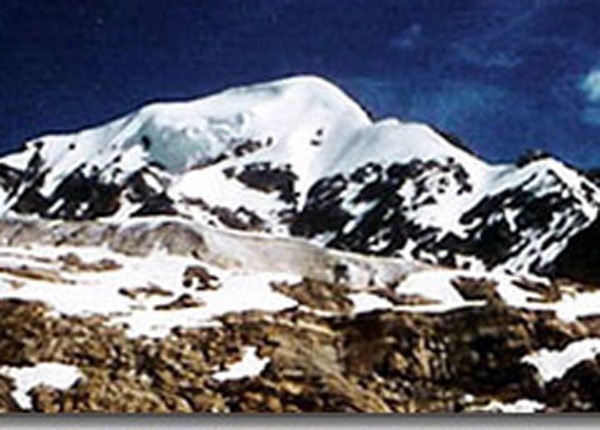
Paldor Peak Climbing is an exciting Himalayan adventure in the beautiful Ganesh Himal region of Nepal. Standing at 5,896 meters, Paldor Peak offers an excellent climbing experience for trekkers who want to step into the world of Himalayan mountaineering. The peak remains one of Nepal’s most attractive trekking peaks because it combines stunning mountain scenery, peaceful trails, and a culturally rich journey through the Ruby Valley.
Unlike many technical peaks in Nepal, Paldor Peak does not require advanced climbing experience. Trekkers with good physical fitness and basic knowledge of snow and ice climbing can successfully reach the summit with proper guidance. The climb includes glacier walking, snow slopes, and basic mountaineering sections that make the journey adventurous and rewarding.
From the summit of Paldor Peak, climbers enjoy breathtaking views of Ganesh Himal, Pabil Peak, Langtang ranges, Langsang Karpo Peak, and the beautiful landscapes surrounding Dhunche Bazaar. Standing on the summit creates an unforgettable Himalayan experience filled with excitement, achievement, and incredible mountain views.
Paldor Peak Climbing – The Jewel of Ruby Valley
Paldor Peak sits in the remote and beautiful Ganesh Himal region, often known as the hidden gem of Nepal. The area offers a peaceful alternative to the crowded trekking routes while providing incredible natural and cultural experiences.
The journey takes you through traditional Tamang villages, lush forests, beautiful valleys, waterfalls, rivers, and spectacular Himalayan landscapes. The region remains rich in Tamang culture and traditions, allowing trekkers to experience authentic village life, local hospitality, and ancient customs.
Many trekkers combine Paldor Peak Climbing with the Ruby Valley Circuit Trek to explore one of Nepal’s most beautiful and less-traveled trekking routes. The Ruby Valley offers magnificent views of Ganesh Himal, Langtang, Manaslu, and Annapurna ranges while introducing visitors to unique Tamang and Gurung cultures.
For travelers interested in exploring more of the local lifestyle before climbing, the Tamang Heritage Trek provides an excellent cultural journey through traditional villages, monasteries, hot springs, and Himalayan landscapes.
Paldor Peak Climbing Route
The Paldor Peak Climbing journey begins with a scenic drive from Kathmandu to Syabrubesi. The route follows the beautiful Bhotekoshi River and enters the peaceful Ganesh Himal region. From Syabrubesi, the trekking trail passes through traditional Tamang settlements, including Gatlang and other charming mountain villages.
After leaving Gatlang, the trail continues through forests, ridges, and remote valleys toward the Paldor Base Camp. The route offers incredible views of surrounding peaks and provides a true wilderness trekking experience.
The base camp sits below the meeting point of the Paldor East and Paldor West glaciers. After proper acclimatization and climbing preparation, the team moves toward the high camp. From the high camp, climbers make an early morning summit attempt.
Paldor Peak offers several climbing routes, including northeast, southeast, west, and southwest ridges. Our experienced climbing guides select the safest route according to weather conditions and group experience.
Difficulty
Paldor Peak is a moderate-level trekking peak suitable for adventure seekers with good fitness and determination. The climb does not require advanced technical skills, but climbers need to prepare for high altitude, cold temperatures, and long trekking days.
The summit section involves snow and ice climbing, where climbers use equipment such as crampons, ice axes, harnesses, and ropes. Himalaya View Treks provides climbing support and guidance to help you understand basic mountaineering techniques before the summit attempt.
Previous trekking experience at high altitude helps greatly. Trekkers who have completed adventures such as the Ganesh Himal Region Trekking or other Himalayan journeys can adapt more easily to the climbing environment.
Best Time for Climbing
The best seasons for Paldor Peak Climbing are spring and autumn.
Spring (March to May) offers stable weather, clear mountain views, and comfortable climbing conditions. The forests become colorful with blooming flowers, making the trekking route even more beautiful.
Autumn (September to November) is another excellent season because the skies remain clear after the monsoon. Climbers enjoy outstanding visibility and spectacular Himalayan scenery.
Winter climbing remains possible for experienced climbers, but colder temperatures and snowfall create more challenging conditions.
Why Choose Himalaya View Treks for Paldor Peak Climbing?
Himalaya View Treks organizes safe and memorable Paldor Peak Climbing adventures with experienced local guides and professional support. Our team understands the challenges of Himalayan climbing and creates carefully planned itineraries that focus on safety, comfort, and successful summit experiences.
We provide:
- Experienced climbing guides and trekking leaders
- Support with climbing permits and logistics
- Proper acclimatization planning
- Quality accommodation during trekking
- Experienced cooks and camping support
- Climbing equipment assistance
- Flexible itineraries based on your travel plans
We can also customize your itinerary if you want to combine Paldor Peak with additional trekking experiences. Trekkers looking for more Himalayan adventures can explore Yala Peak Climbing, another beautiful trekking peak in the Langtang region.
For those who want a famous Everest region climbing experience, we also organize Island Peak Trek with EBC, combining the legendary Everest Base Camp route with an exciting Himalayan summit.
Combine Paldor Peak Climbing with Other Adventures
Paldor Peak Climbing works perfectly with other trekking and climbing adventures in Nepal. Before or after your expedition, you can explore the cultural and natural beauty of the Ganesh Himal region through the Ruby Valley Circuit Trek or Tamang Heritage Trek. The alternative longest trekking in Nepal we have Manaslu with Annapurna circuit trek, two high passes Longest trek.
Adventure lovers can also extend their Nepal climbing experience with Yala Peak Climbing, which offers beautiful mountain views and an accessible Himalayan summit experience.
If you want to experience the Everest region, the Island Peak Trek with EBC provides a perfect combination of classic trekking and peak climbing, including views of Everest, Lhotse, Ama Dablam, and other Himalayan giants.
Book Your Paldor Peak Climbing Adventure
Paldor Peak Climbing offers the perfect combination of Himalayan adventure, cultural discovery, and breathtaking mountain scenery. The peaceful trails of the Ganesh Himal region, traditional Tamang villages, and exciting summit climb create a truly unforgettable Nepal experience.
Join Himalaya View Treks for a professionally organized 16-day Paldor Peak Climbing expedition and discover the hidden beauty of the Ruby Valley while standing on one of Nepal’s most rewarding trekking peaks.
Short Itinerary
Paldor Peak Climbing – 16 Days Itinerary
Day 01: Arrival in Kathmandu (1,400m)
Distance: No trekking
Time: Flight arrival and transfer
Activity: Arrival at Tribhuvan International Airport, Kathmandu. Our representative welcomes you and transfers you to the hotel. You receive a briefing about the Paldor Peak Climbing itinerary and prepare for the upcoming adventure.
Accommodation: Hotel in Kathmandu
Day 02: Full-Day Kathmandu Sightseeing (1,400m)
Distance: Approx. 20 km by vehicle
Time: 6–7 hours sightseeing
Activity: Explore the cultural heritage sites of Kathmandu Valley, including ancient temples, monasteries, and historical landmarks. Visit places such as Pashupatinath Temple, Boudhanath Stupa, Swayambhunath, and Kathmandu Durbar Square.
Accommodation: Hotel in Kathmandu
Day 03: Kathmandu to Syabrubesi (1,550m)
Distance: Approx. 120 km by road
Drive Time: 7–8 hours
Activity: Scenic drive from Kathmandu to Syabrubesi through beautiful countryside, mountain roads, rivers, and villages. Enjoy views of Ganesh Himal and Langtang mountain ranges.
Accommodation: Lodge in Syabrubesi
Day 04: Syabrubesi to Gatlang (2,240m)
Distance: Approx. 11 km
Walking Time: 5–6 hours
Activity: Begin trekking through terraced fields and forests. The trail climbs gradually toward Gatlang, a traditional Tamang village known for its unique culture and hospitality.
Accommodation: Lodge in Gatlang
Day 05: Gatlang to Somdang (3,270m)
Distance: Approx. 14 km
Walking Time: 6–7 hours
Activity: Trek through beautiful landscapes, forests, and mountain trails. Cross scenic ridges with impressive views of Ganesh Himal and surrounding peaks before reaching Somdang village.
Accommodation: Lodge/Camp in Somdang
Day 06: Somdang to Lari Mine (3,900m)
Distance: Approx. 8 km
Walking Time: 5–6 hours
Activity: Continue trekking toward Lari Mine, an old zinc mine area. The trail passes through alpine landscapes with spectacular views of snow-covered peaks.
Accommodation: Camp
Day 07: Lari Mine to Paldor Peak Base Camp (4,280m)
Distance: Approx. 7 km
Walking Time: 5–6 hours
Activity: Trek toward Paldor Base Camp through rocky terrain and glacier surroundings. The campsite sits below the Paldor East and West glaciers, offering magnificent mountain views.
Accommodation: Camping at Base Camp
Day 08: Paldor Base Camp to High Camp (5,150m)
Distance: Approx. 4 km
Walking Time: 4–5 hours
Activity: Move toward the high camp while crossing rocky and icy terrain. The climbing guide provides training on climbing techniques and checks all equipment before the summit attempt.
Accommodation: Camping at High Camp
Day 09: Summit Paldor Peak (5,896m) and Return to Base Camp (4,280m)
Distance: Approx. 8 km total
Walking Time: 10–12 hours
Activity: Early morning summit attempt. The climb involves glacier walking, snow slopes, and rope sections. From the summit, enjoy spectacular views of Ganesh Himal, Langtang ranges, Manaslu region, and surrounding peaks.
After celebrating the summit success, descend carefully back to Paldor Base Camp.
Accommodation: Camping at Base Camp
Day 10: Reserve Summit Day (5,896m)
Distance: Depends on weather conditions
Walking Time: 8–10 hours if required
Activity: This reserve day allows an additional summit attempt in case of unfavorable weather, strong winds, or difficult climbing conditions on Day 09.
Accommodation: Camping
Day 11: Paldor Base Camp to Lari Mine (3,900m)
Distance: Approx. 7 km
Walking Time: 5–6 hours
Activity: Descend from Base Camp through alpine landscapes and return to Lari Mine.
Accommodation: Camp
Day 12: Lari Mine to Somdang (3,270m)
Distance: Approx. 8 km
Walking Time: 5–6 hours
Activity: Retrace the beautiful mountain trail back to Somdang while enjoying views of the surrounding Himalayan scenery.
Accommodation: Lodge/Camp
Day 13: Somdang to Gatlang (2,240m)
Distance: Approx. 14 km
Walking Time: 6–7 hours
Activity: Descend through forests, ridges, and traditional landscapes before reaching Gatlang village. Enjoy the warm hospitality and cultural atmosphere of the Tamang community.
Accommodation: Lodge in Gatlang
Day 14: Gatlang to Syabrubesi (1,550m)
Distance: Approx. 11 km
Walking Time: 5–6 hours
Activity: Trek downhill through forests and villages to Syabrubesi, completing the trekking section of the Paldor Peak adventure.
Accommodation: Lodge in Syabrubesi
Day 15: Syabrubesi to Kathmandu (1,400m)
Distance: Approx. 120 km by road
Drive Time: 7–8 hours
Activity: Drive back to Kathmandu through scenic countryside roads. Evening farewell dinner and celebration of the successful expedition.
Accommodation: Hotel in Kathmandu
Day 16: Final Departure from Kathmandu
Distance: No trekking
Activity: Transfer to Tribhuvan International Airport for your departure flight. Our team assists you with airport transportation according to your flight schedule.
Included
- Airport pickup and drop-off by private vehicle
- 3 nights’ hotel accommodation in Kathmandu with BB basis in 3 star categories Hotel.
- Full-day Kathmandu Valley sightseeing tour with a professional city guide
- Kathmandu to Syabrubesi and Syabrubesi to Kathmandu transportation by bus
- Teahouse/lodge accommodation during the trekking period
- National Park entry permit and required trekking permits
- Paldor Peak climbing permit
- One experienced English-speaking trekking guide
- One professional climbing Sherpa/guide
- Required climbing equipment and group climbing gear
- Porters for carrying luggage and expedition equipment
- All meals during the trekking and climbing period (breakfast, lunch, and dinner)
- Three cups of tea/coffee per day during the trek and camping period
- Guide’s expenses, including meals, accommodation, transportation, insurance, equipment allowance, and salary
- Porter’s expenses, including meals, accommodation, insurance, and salary
- Necessary camping arrangements during the climbing section
- Government taxes and official service charges
Not Included
- International airfare to and from Nepal
- Nepal entry visa fee
- Personal expenses such as phone calls, internet, laundry, and battery charging
- Soft drinks, alcoholic beverages, mineral water, and other personal drinks
- Hot showers during the trek
- Personal trekking and climbing equipment
- Emergency rescue and evacuation charges
- Medical expenses and travel insurance
- Extra accommodation and meals caused by bad weather, flight delays, or unforeseen circumstances
- Tips for trekking guides, climbing Sherpas, porters, and drivers
- Any expenses not mentioned under the “Cost Includes” section
Useful Info
Useful Information for Paldor Peak Climbing
The Paldor Peak Climbing itinerary takes 16 days, including arrival, Kathmandu sightseeing, trekking, climbing preparation, summit attempt, and return to Kathmandu. The expedition follows a gradual pace to support proper acclimatization and reduce altitude-related risks.
The trekking days usually involve 5–7 hours of walking, while the summit day requires longer effort depending on weather and climbing conditions. A reserve summit day remains available in case unfavorable weather prevents the first summit attempt.
Required Fitness Level for Paldor Peak Climbing
Paldor Peak Climbing requires good physical fitness and mental preparation. Although climbers do not need advanced mountaineering experience, they should feel comfortable walking several hours daily at high altitude.
Recommended preparation includes:
- Regular hiking practice before the trip
- Cardiovascular training such as running, cycling, or swimming
- Strength exercises for legs and core muscles
- Previous trekking experience above 3,000 meters is helpful
A positive attitude and proper preparation help you enjoy the journey and improve your summit success chances.
Altitude and Acclimatization
Altitude is one of the main challenges during Paldor Peak Climbing. The highest point of the expedition reaches 5,896 meters at the summit.
The itinerary includes gradual altitude gain through places such as Syabrubesi, Gatlang, Somdang, Lari Mine, Base Camp, and High Camp. This allows your body to adjust naturally before the summit attempt.
You should:
- Walk slowly and maintain a comfortable pace
- Drink enough water
- Eat nutritious meals
- Inform your guide about any altitude-related symptoms
Our climbing guides monitor your health throughout the expedition and provide advice whenever necessary.
Travel Insurance Requirement
Travel insurance is mandatory for Paldor Peak Climbing. Your insurance should cover:
- High-altitude trekking and climbing up to 6,000 meters
- Emergency helicopter evacuation
- Medical treatment
- Trip cancellation or interruption
Standard travel insurance policies often do not cover peak climbing activities, so check your policy carefully before traveling to Nepal.
Communication and Electricity
Mobile networks and internet access remain limited in the remote Ganesh Himal region. Some villages along the trekking route may have basic mobile coverage, but the connection can be unreliable.
You can charge electronic devices at some teahouses by paying a small fee. During camping sections, charging facilities become limited, so carrying a power bank or extra batteries is recommended.
Money and Personal Expenses
Kathmandu offers easy access to ATMs and money exchange services. However, you should carry enough Nepalese currency before starting the trek because remote mountain areas have limited financial services.
Personal expenses may include:
- Extra drinks
- Snacks and chocolate
- Hot showers
- Charging electronic devices
- Wi-Fi services
- Tips for guides and porters
Climate and Weather Conditions
Weather in the Ganesh Himal region changes quickly, especially above 4,000 meters. Morning conditions are usually more stable, while afternoon clouds and winds can develop.
Temperatures can become very cold during the night at Base Camp and High Camp. Proper layering and quality trekking equipment help you stay comfortable throughout the expedition.
Packing List for Paldor Peak Climbing
A proper packing list helps you prepare safely for the expedition.
Trekking Essentials:
- Backpack and daypack
- Sleeping bag
- Trekking poles
- Trekking boots
- Warm clothing layers
- Waterproof jacket and pants
- Sunglasses and sunscreen
- Personal medicine and first aid items
Climbing Gear:
- Mountaineering boots
- Crampons
- Ice axe
- Climbing harness
- Helmet
- Gloves
- Carabiners and climbing accessories
Himalaya View Treks provides guidance about required equipment and helps arrange rental climbing gear in Kathmandu if needed.
Accommodation and Camping Facilities
The expedition uses different accommodation styles depending on the location.
In Kathmandu, you stay in a comfortable hotel. During the trekking section, you stay in local teahouses where you experience traditional mountain hospitality. The climbing section uses fully organized camping with tents, dining arrangements, and kitchen support.
Our team manages camping logistics so you can focus on trekking and climbing.
Responsible Travel During Paldor Peak Climbing
The Ganesh Himal region remains a culturally and environmentally sensitive area. We encourage responsible travel practices throughout the expedition.
Travelers should:
- Avoid unnecessary plastic waste
- Respect local customs and traditions
- Protect natural surroundings
- Support local communities
Himalaya View Treks follows responsible trekking practices to help preserve Nepal’s mountain environment for future generations.
Extend Your Nepal Adventure
After completing Paldor Peak Climbing, you can explore other Himalayan adventures with Himalaya View Treks.
The Ruby Valley Circuit Trek offers a beautiful cultural and mountain journey through remote villages. The Tamang Heritage Trek provides deeper insight into Tamang traditions, monasteries, and Himalayan lifestyles.
For more climbing experiences, you can continue with Yala Peak Climbing in the Langtang region or challenge yourself with the Island Peak Trek with EBC in the Everest region.
FAQs
-
Where is Paldor Peak located?
Paldor Peak is located in the Ganesh Himal region of Nepal, near the beautiful Ruby Valley. The peak stands at 5,896 meters and offers a peaceful climbing experience away from the crowded trekking routes of Nepal.
-
How difficult is Paldor Peak Climbing?
Paldor Peak is considered a moderate-level trekking peak in Nepal. Climbers need good physical fitness, strong determination, and basic knowledge of snow and ice climbing. The climb includes glacier walking, snow slopes, and rope sections, but it does not require advanced technical mountaineering experience.
-
Do I need previous climbing experience for Paldor Peak?
Previous climbing experience is helpful but not compulsory. Trekkers with high-altitude trekking experience and good fitness can attempt Paldor Peak with proper guidance from an experienced climbing guide. Our team provides basic climbing training and equipment instructions before the summit attempt.
-
What is the best season for Paldor Peak Climbing?
The best seasons for Paldor Peak Climbing are spring (March to May) and autumn (September to November). These months offer stable weather, clear mountain views, and safer climbing conditions. Winter climbing is possible but requires more preparation due to colder temperatures and snowfall.
-
How long does the Paldor Peak Climbing itinerary take?
The complete Paldor Peak Climbing itinerary takes 16 days, including arrival in Kathmandu, sightseeing, trekking to Base Camp, summit preparation, climbing, and return to Kathmandu.
-
What mountains can I see from the summit of Paldor Peak?
The summit of Paldor Peak offers spectacular views of Ganesh Himal, Langtang ranges, Pabil Peak, Langsang Karpo Peak, Manaslu region mountains, and surrounding Himalayan landscapes.
-
What permits are required for Paldor Peak Climbing?
You need a Paldor Peak climbing permit, trekking permits, and the required conservation or national park permits. Himalaya View Treks manages all necessary permits and documentation before the expedition.
-
What type of accommodation is available during the expedition?
During the Paldor Peak Climbing journey, you stay in hotels in Kathmandu, local teahouses/lodges during trekking days, and camping accommodation during the Base Camp and High Camp sections. Our team arranges tents, dining facilities, and kitchen support during the climbing period.
-
What equipment do I need for Paldor Peak Climbing?
You need standard trekking and climbing equipment, including trekking boots, warm clothing, sleeping bags, crampons, an ice axe, climbing harness, helmet, gloves, and other personal gear. Himalaya View Treks provides group climbing equipment and can help arrange rental equipment in Kathmandu.
-
Can I combine Paldor Peak Climbing with other trekking routes?
Yes. Paldor Peak Climbing combines well with other adventures in Nepal. You can extend your trip with the Ruby Valley Circuit Trek, Tamang Heritage Trek, or explore more of the Ganesh Himal region through Ganesh Himal Region Trekking. Climbers can also continue with Yala Peak Climbing or experience the Everest region through Island Peak Trek with EBC.
-
Is Paldor Peak suitable for beginner climbers?
Paldor Peak is suitable for beginners who have good fitness, proper preparation, and a willingness to learn basic climbing skills. The support of an experienced climbing Sherpa and a carefully planned itinerary helps beginners attempt the summit safely.
-
How safe is Paldor Peak Climbing?
Safety is the priority during the expedition. Himalaya View Treks provides experienced climbing guides, proper acclimatization, quality equipment support, and careful route planning. We monitor weather conditions and adjust the climbing schedule when necessary.
-
Why choose Himalaya View Treks for Paldor Peak Climbing?
Himalaya View Treks is a local Nepal trekking and climbing company with experienced guides and strong knowledge of the Ganesh Himal region. We provide professional support, well-managed logistics, flexible itineraries, and personalized service to make your Paldor Peak expedition safe and memorable.
Latest Traveller's Reviews
Travel experiences of our clients who recently returned from their trips.