
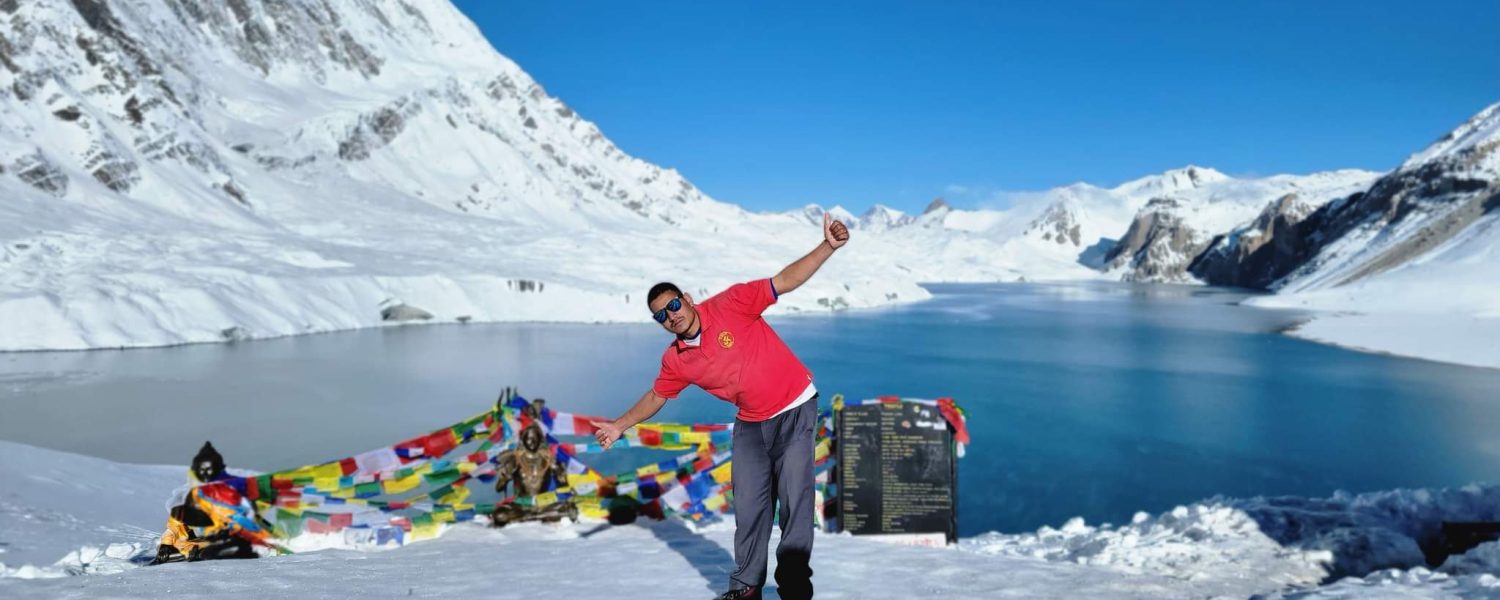
Tilicho Lake and Thorong La Pass Difficulty : A Comprehensive Guide for Trekkers
Two of the most breathtaking and difficult features of Nepal’s Annapurna Circuit are Tilicho Lake and Thorong La Pass difficulty. Tucked up in the heart of the Himalayas, these locations draw hikers from all over the world. They provide amazing scenery, a wealth of cultural experiences, and challenging trekking conditions. Since these paths offer a once-in-a-lifetime experience due to their unmatched beauty, those who attempt them must possess a great deal of fortitude, readiness, and perseverance.
Tilicho Lake is one of the highest lakes in the world, standing at an incredible 4,919 meters (16,138 feet) above sea level. It takes a combination of rough paths, landslide-prone areas, and severe weather to get to this magnificent glacier lake. The captivating blue waters of Tilicho Lake, encircled by snow-capped peaks, produce an unearthly sight that few locations on Earth can match. This makes the effort worthwhile. Although it is a diversion from the conventional Annapurna Circuit, adventurers wishing to see the unspoiled splendour of the Himalayas are increasingly choosing to travel to Tilicho Lake.
Difficulty of Thorong La Pass and Tilicho Lake,
At 5,416 meters (17,769 feet), Thorong La Pass is the highest point on the Annapurna Circuit, and one of the world’s most dangerous high-altitude routes. With its steep ascents, bitter cold, and erratic weather, crossing this pass is regarded as the apex of the Annapurna journey. In order to avoid the strong afternoon winds that can make the crossing even more dangerous, the ascent to the pass starts early in the morning. Frequently, trekkers depart in below-freezing temperatures from Thorong Phedi or High Camp. Trekkers are rewarding with an amazing 360-degree view of the Annapurna and Dhaulagiri mountain ranges upon reaching the peak. This makes every hardship seem worthwhile.
The trek is tough for the faint of heart, but the rewards of travelling these amazing paths are unmatched. Trekkers need to be ready for the physical challenges of multi-day trekking, severe weather, and high-altitude sickness. Due to the isolated location of these paths, it may be difficult to get assistance in an emergency. Therefore, appropriate equipment, training, and acclimatisation are crucial.
This blog explores the degree of difficulty of Thorong La Pass and Tilicho Lake, offering comprehensive information on the altitude, geography, weather, and preparations required for a successful walk. Knowing what to expect will make sure you are prepared for an amazing trip across Nepal’s breathtaking Himalayas, regardless of your level of expertise trekking or your level of adventure.
Recognizing the Route and Terrain
The Annapurna Circuit, which includes Thorong La Pass and Tilicho Lake, is renowned for its varied terrain, which includes high-altitude deserts and rich subtropical woods. What to anticipate from each segment is as follows:
Trekking to the Tilicho Lake :
At 4,919 meters (16,138 feet) above sea level, Tilicho Lake is the world’s highest lakes. At Manang (3,519 meters), the Tilicho Lake trail splits off from the main Annapurna Circuit, taking hikers through a secluded and untamed area.
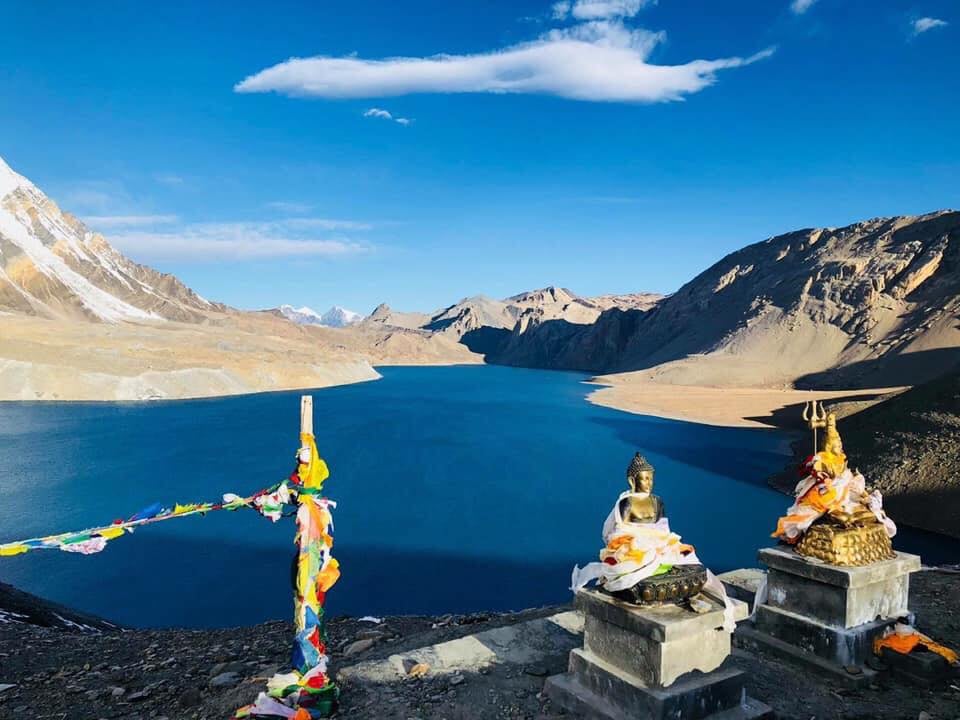
The Tilicho Lake Trek – Difficulties and Features
The Tilicho Lake Trek is one of the most challenging and beautiful side trips in the Annapurna region.
It offers stunning landscapes but also requires strong preparation and physical fitness. compare with Everest Base camp is more difficult then Annapurna Circuit Ticlicho Lake Trek.
Elevation Gain
The trek involves a steep climb from Manang to Tilicho Base Camp (4,150m).
From there, trekkers continue up to Tilicho Lake.
The rapid altitude gain demands high energy and stamina.
Acclimatization is very important to avoid altitude sickness.
Trail Conditions
The trail is narrow and often rough.
It includes loose rocks and steep uphill sections.
Some parts pass through landslide-prone areas.
Trekkers must walk carefully and stay alert at all times.
Weather Challenges
Tilicho Lake remains cold throughout the year due to its high altitude.
Strong winds are common in the region.
Sudden weather changes can bring snow and poor visibility.
These conditions make the trek more difficult and unpredictable.
Accommodation and Facilities
The Tilicho route has fewer tea houses compared to the main Annapurna Circuit.
Facilities are basic and limited.
Trekkers often need to carry extra supplies and plan carefully.
Self-sufficiency is important for food and comfort.
Surrounding Tilicho Valley
Many trekkers consider Tilicho Lake a hidden gem of the Annapurna region.
The journey offers peaceful and untouched natural beauty.
Unlike busier trekking routes, this area feels remote and quiet.
The blue waters of the lake create a magical landscape.
Snow-capped peaks surround the entire valley.
Every step rewards trekkers with dramatic mountain scenery.
Wildlife and Nature
The Tilicho region offers opportunities to see unique Himalayan wildlife.
Trekkers may spot blue sheep and marmots along the trail.
If lucky, they may even see a snow leopard in remote areas.
The trail also passes alpine meadows and rocky moraines.
Each section of the trail offers different natural beauty.
The landscape changes constantly throughout the journey.
Preparation for the Trek
Trekkers must prepare both physically and mentally.
The trail can be demanding and unpredictable.
Proper acclimatization is essential for safety.
Warm layered clothing is necessary due to cold weather.
Strong trekking boots are highly recommended.
They help with stability on rocky and uneven paths.
Conclusion Tilicho Lake and Thorong La Pass Difficulty
The Tilicho Lake Trek is challenging but highly rewarding.
It offers one of the most beautiful alpine lake experiences in Nepal.
Despite difficult trails and harsh weather, the scenery is unforgettable.
Reaching Tilicho Lake gives a strong sense of achievement.
It remains one of the most memorable highlights of the Annapurna Circuit.
Trekking to Thorong La Pass
At 5,416 meters (17,769 feet) above sea level, Thorong La Pass is the highest point on the Annapurna Circuit. It is also one of the most strenuous parts of the journey. The pass is well known for its breathtaking vistas of the Himalayas, harsh weather, and steep ascent.
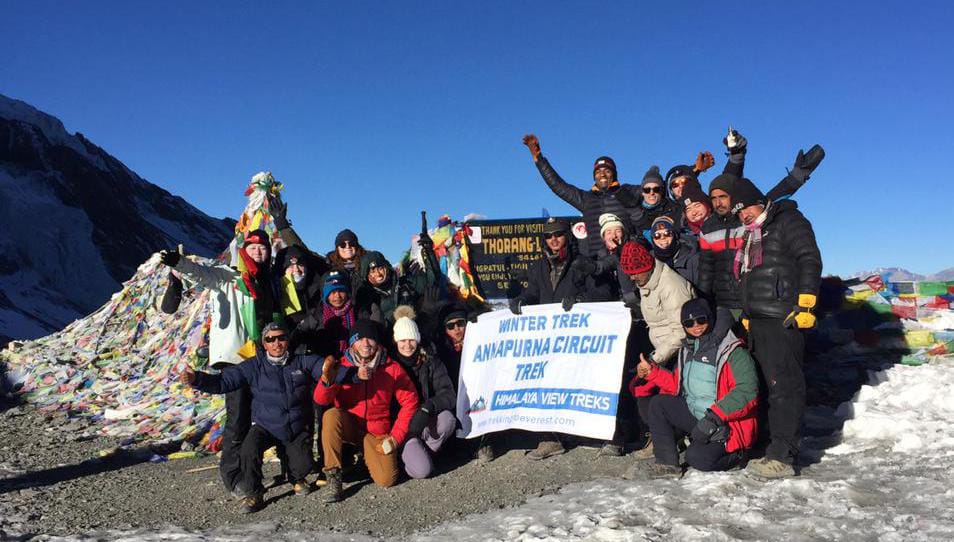
Challenges and Features of the Thorong La Pass Trek:
- Elevation Gain: The pass involves a grueling climb from Thorong Phedi (4,540 meters) or High Camp (4,880 meters) to the summit, covering a steep ascent that pushes trekkers to their limits.
- Trail Conditions: The path is rugged, steep, and exposed, often covered in loose rocks and patches of snow, making it difficult to traverse. The thin air at such a high altitude further complicates the climb.
- Weather Challenges: High winds, sub-zero temperatures, and the risk of sudden snowfall pose significant threats to trekkers. The coldest temperatures can drop well below freezing, making frostbite a potential concern.
- Acclimatization Needs: Proper acclimatization is crucial to avoiding altitude sickness, which can be dangerous at such an extreme elevation. Spending extra days in Manang or Ledar is highly recommended.
Surrounding Thorong La
Trekkers usually begin their ascent in the early morning, often as early as 4 AM, to avoid the strongest winds that pick up later in the day. This timing is critical, as afternoon winds can make it almost impossible to traverse the pass. The climb is arduous, requiring slow, steady steps due to the thin oxygen levels. While the ascent to the pass is demanding, the descent toward Muktinath is less physically taxing. However, it is long and can be hard on the knees.
During winter months, the Thorong La Pass trek becomes even more treacherous due to heavy snowfall, making the path difficult to navigate and increasing the risk of avalanches. Many trekkers choose to avoid this route during peak winter due to its extreme conditions.
Despite these hardships, reaching the summit of Thorong La Pass is a moment of pure triumph. Trekkers are rewarding with a breathtaking panoramic view of the surrounding Himalayan peaks, including Annapurna, Dhaulagiri, and Nilgiri. The sense of accomplishment upon conquering one of the highest trekking passes in the world is unparalleled, making all the challenges worthwhile.
Difficulty Factors in Journey to Tilicho Lake and Crossing Thorong La Pass
The trek to Tilicho Lake and crossing the Thorong La Pass is considered one of the most challenging high-altitude treks in the world. The difficulty of this trek is influenced by several key factors such as altitude, physical fitness, weather conditions, and logistical challenges. Below is an expanded look at these factors:
Altitude and Acclimatization
Altitude plays a critical role in the difficulty of this trek. As trekkers ascend higher into the Himalayas, the oxygen levels in the air decrease. Above 3,000 meters (9,843 feet), the risk of altitude sickness becomes prominent. It continues to increase with each higher elevation.
Symptoms of altitude sickness can range from mild (headaches, dizziness, nausea) to severe (vomiting, confusion, inability to walk). Severe altitude sickness can be life-threatening and requires immediate descent.
To combat this risk, acclimatization is essential. Acclimatization is the process of allowing your body to adjust gradually to higher altitudes. In the context of this trek, it is crucial to:
- Take extra rest days at strategic points such as Manang or Tilicho Base Camp.
- Follow the golden rule of altitude trekking: “Climb high, sleep low.” This means ascending to a higher elevation during the day but returning to a lower elevation to sleep.
By incorporating rest days, the body can gradually adjust, helping to reduce the chances of altitude sickness. The trek is typically planned so that you don’t ascend more than 500 meters (1,640 feet) per day above 3,000 meters. This is a key guideline for effective acclimatization.
Physical Endurance and Fitness Requirements
The trek to Tilicho Lake and Thorong La Pass requires a high level of physical endurance. Trekkers are expecting to hike long hours each day, typically between 6-10 hours per day, which can be very taxing at high altitudes. The combination of steep ascents and descents, rough rocky trails, and carrying personal gear adds to the difficulty.
Key aspects of the trek include:
- Steep ascents and descents: The trail can be exhausting as it winds through rugged terrain. The steep inclines can make the hike feel more intense, especially when combined with the reduced oxygen levels at high altitudes.
- Rough, unstable trails: The terrain is often rocky and uneven, increasing the likelihood of slips or falls. Some stretches are more remote, requiring more effort to navigate safely.
- Carrying personal gear and essentials: Trekkers will need to carry their own backpacks, including personal gear, food, water, and sometimes sleeping equipment. This can be taxing, especially over several days of strenuous hiking.
For preparation, trekkers should engage in regular cardiovascular workouts (such as running, swimming, or cycling) and strength training focused on the legs, core, and shoulders. It is also recommend to practice long-distance hikes with a weighted backpack to simulate the trek’s demands.
Weather Conditions and Challenges
The weather in the Himalayas is notorious for being unpredictable and harsh, making it a significant challenge for trekkers. The region experiences four distinct seasons, each with its own set of challenges:
- Winter (December to February): The coldest time of the year, with extremely low temperatures and heavy snowfall. The trail conditions can become treacherous, with snow and ice making the journey hazardous.
- Spring (March to May): The ideal time for trekking, as temperatures are moderate, skies are generally clear, and the wild rhododendrons are in bloom. This is considering one of the best seasons for trekking to Tilicho Lake and Thorong La Pass.
- Monsoon (June to August): Heavy rains lead to increased risk of landslides, flooding, and slippery trails. Many sections of the trek become difficult to navigate, making this season unsuitable for trekking.
- Autumn (September to November): Another peak season for trekking due to the clear skies and stable weather. The weather is mild, making it perfect for long days on the trail.
Winter trekking, while possible, carries the added risk of freezing temperatures, especially at high altitudes like Thorong La Pass. In these conditions, temperatures can drop below -20°C (-4°F). These conditions can create severe risks, including frostbite and hypothermia.
Logistical Challenges and Remote Terrain
Both Tilicho Lake and Thorong La Pass are located in remote parts of the Annapurna region. The trek requires trekkers to venture through isolated villages and regions with minimal facilities. Some logistical challenges include:
- Longer trek duration: The side trip to Tilicho Lake adds additional days to the overall trek, making the journey longer and more demanding.
- Limited facilities: In the more remote sections of the trek, there are limited accommodations, food options, and medical facilities. Trekkers must be prepare to carry enough food, water, and other essentials to last for several days.
- Communication issues: Limited cell phone service and no reliable internet make communication with the outside world challenging. In case of emergencies, this can pose additional risks.
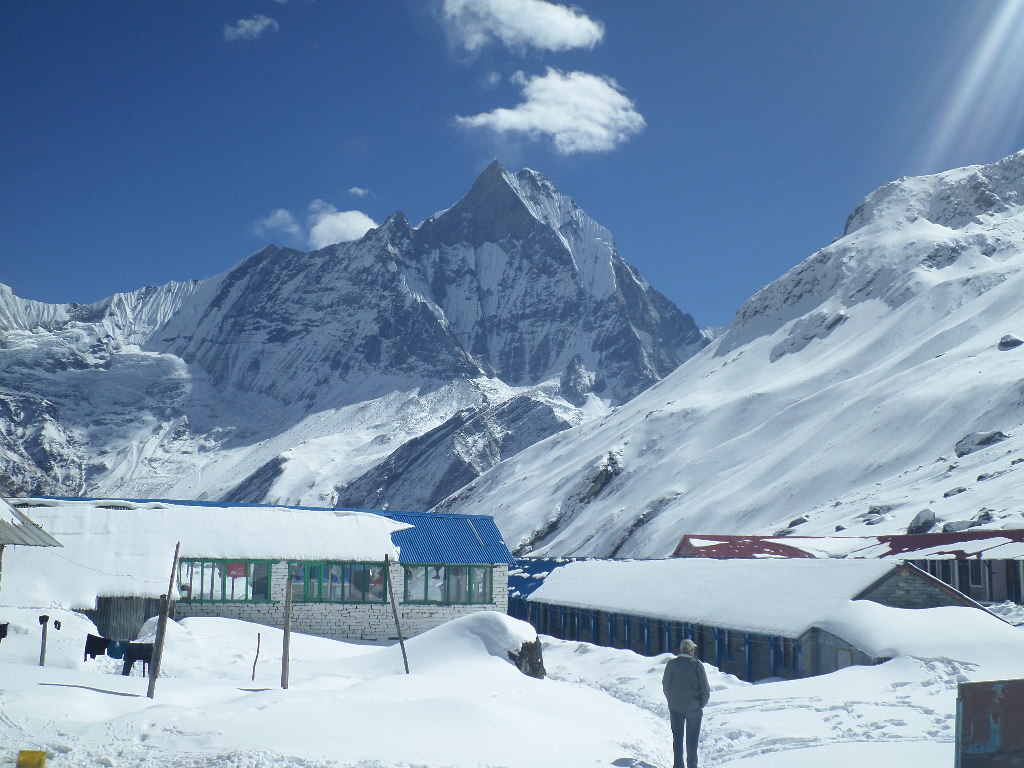
Essential Preparations for a Difficult Trek in Nepal
Proper preparation is essential for a safe and enjoyable high-altitude trek. Build your fitness with cardio exercises, strength training, and practice hikes carrying a weighted backpack. This will improve endurance and stamina.
Pack reliable gear, including sturdy trekking boots, a warm sleeping bag, layered clothing, trekking poles, sunglasses, gloves, a warm hat, a hydration system with water purification tablets, energy snacks, and a basic first aid kit with altitude sickness medication and blister treatment.
While experienced trekkers may travel independently, hiring a local guide and porter is highly recommended. Guides provide navigation, cultural insights, and emergency support, while porters reduce the strain of carrying heavy loads, making the trek more comfortable. Hiring local staff also supports the regional economy and promotes sustainable tourism.
With proper physical training, the right equipment, and adequate support, trekkers can confidently face the challenges of Nepal’s rugged mountain trails and enjoy a safe, rewarding, and unforgettable adventure.
Conclusion
The experience of trekking to Tilicho Lake and across Thorong La Pass necessitates fortitude, readiness, and consideration for the difficulties presented by nature. The rewards—unspoiled alpine landscapes, cultural interactions, and personal accomplishment—make the trek one of the most remarkable trekking experiences in the Himalayas, despite the physical and mental strain. Careful preparation, training, and understanding of the challenges involved will ensure a successful and rewarding journey across these famous Himalayan sites.
FAQs of Tilicho lake and Thorong La pass Trek Difficulty
1, How difficult is the trek to Tilicho Lake and Thorong La Pass?
The trek is considering challenging due to high altitudes, steep ascents, unpredictable weather, and rough terrain. Proper acclimatization, physical fitness, and preparation are essential to successfully completing the trek.
2, When is the ideal time to hike to Thorong La Pass and Tilicho Lake?
When the weather is consistent, visibility is clear, and temperatures are mild, spring (March–May) and fall (September–November) are the ideal seasons. The monsoon season (June to August) brings landslides and a lot of rain, while the winter months (December to February) are bitterly cold.
3, How likely is altitude sickness to occur on this trek?
A major worry is altitude sickness, particularly above 3,000 meters (9,843 feet). Headaches, lightheadedness, nausea, and exhaustion are among the symptoms.
4, Can beginners attempt this trek?
While beginners can attempt the trek, it is highly demanding and requires prior trekking experience, good physical fitness, and proper preparation. First-time trekkers should consider hiring a guide and porter for assistance.
5, What sort of lodging is offer
There are simple tea shops and lodges along the way, but the amenities get worse close to Thorong Phedi and Tilicho Base Camp. Because nighttime temperatures might drop considerably, it is suggest to bring a sleeping bag.