
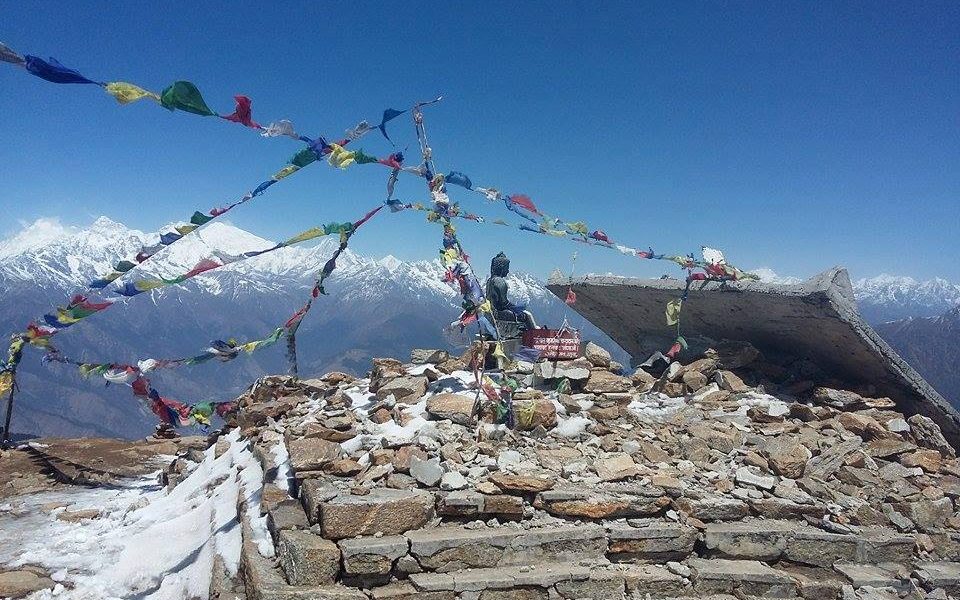
The Langtang Village Before and After the Earthquake
Langtang Village stands among the most remarkable Himalayan settlements in Nepal. The story of Langtang Village before and after the earthquake is one of extraordinary resilience and profound transformation. The village sits within Langtang National Park, surrounded by dramatic mountains, green forests, glaciers, and high-altitude landscapes. For generations, the local Tamang community built its life around agriculture, yak herding, tourism, and Buddhist traditions. Trekkers also knew Langtang Village as an important stop along the route to Kyanjin Gompa and the spectacular mountains of the Langtang region.
The story of Langtang Village before and after the earthquake tells much more than the story of a natural disaster. It tells the story of a close-knit Himalayan community, a devastating loss, and the remarkable determination of local people to rebuild their lives. The earthquake of April 25, 2015, changed Langtang forever, but it did not destroy the spirit of its people.
Today, travelers who trek through the Langtang Valley can appreciate its breathtaking scenery while learning about the community’s difficult past and hopeful future.
Langtang Valley Before the Earthquake
Before the devastating 2015 Nepal earthquake, Langtang Village welcomed trekkers with traditional stone houses, cozy teahouses, Buddhist prayer flags, and spectacular Himalayan views. The village supported a vibrant local economy, and tourism played an important role in the daily lives of many families.
The surrounding mountains created an unforgettable backdrop. Langtang Lirung dominated the skyline, while forests, glaciers, rivers, and snow-covered peaks surrounded the valley. Trekkers followed the trail toward Kyanjin Gompa, one of the most popular destinations in the Langtang region.
Local residents built their lives around the natural environment. Families cultivated crops, raised livestock, and operated small lodges and teahouses for visitors. Yak herding also played an important role in the local economy and culture.
Life in Langtang Village Before 2015
Life in the village centered around several important traditions and activities:
- Traditional stone houses reflected the local Himalayan architecture and helped families adapt to the mountain environment.
- Yak farming and agriculture provided food, income, and essential resources for local households.
- Tea houses and trekking tourism connected the community with travelers from Nepal and around the world.
- Buddhist traditions and monasteries formed an important part of community life.
- Tamang culture and hospitality gave visitors a memorable introduction to the heritage of the Langtang region.
The village also served as an important resting point for trekkers. Visitors could spend the night in local lodges, enjoy traditional meals, interact with residents, and continue their journey toward higher elevations.
The combination of mountain scenery, cultural heritage, and warm hospitality made Langtang one of Nepal’s most appealing trekking destinations.
The 2015 Nepal Earthquake
On April 25, 2015, a powerful earthquake struck Nepal and caused widespread destruction across the country. The earthquake measured 7.8 magnitude and affected many communities throughout central Nepal.
Langtang Valley experienced one of the most devastating consequences of the disaster. The earthquake triggered a massive avalanche and landslide from the surrounding mountains. Snow, ice, rocks, and debris rushed toward Langtang Village with enormous force.
The avalanche buried much of the historic settlement within moments.
The disaster destroyed homes, lodges, community buildings, and other infrastructure. Many local residents and trekkers lost their lives. Families lost relatives, homes, businesses, and sources of income at the same time.
The tragedy left a deep emotional mark on the Langtang community. Survivors faced the difficult task of rebuilding their lives while remembering family members, friends, neighbors, and visitors who never returned home.
The earthquake also changed the physical landscape. The destruction altered parts of the village and surrounding terrain, creating a powerful reminder of the forces that shape the Himalayan environment.
Langtang Village After the Earthquake
The people of Langtang refused to let the disaster define their future.
After the earthquake, local communities, government agencies, humanitarian organizations, and individuals from around the world contributed to recovery efforts. Local residents gradually rebuilt homes, lodges, trails, and other facilities.
The rebuilding process took time. Families had to overcome enormous challenges, including the loss of property, income, infrastructure, and loved ones. Despite these difficulties, the community continued to move forward.
New buildings now stand in the Langtang area, and local businesses once again welcome trekkers. Tourism has also returned as an important source of income for many families.
The difference between Langtang Village before and after the earthquake remains visible to visitors. Travelers can see modern lodges alongside traditional Himalayan architecture, memorials that honor earthquake victims, and landscapes that still carry reminders of the 2015 disaster.
How Langtang Rebuilt Its Community
The recovery of Langtang reflects the strength and determination of local residents.
Today, visitors can experience:
- Rebuilt lodges and teahouses that provide accommodation and meals for trekkers.
- Maintained trekking trails that connect Langtang Village with other destinations in the valley.
- Memorial areas that honor people who lost their lives during the earthquake.
- Tamang culture and traditions that remain an important part of daily life.
- Spectacular Himalayan scenery that continues to attract trekkers from around the world.
- Local tourism businesses that help families generate income and support the regional economy.
The recovery goes beyond rebuilding physical structures. The community continues to preserve its cultural identity, traditions, and connection with the mountains.
The Human Story Behind Langtang’s Recovery
The story of Langtang does not end with reconstruction. The people who survived the earthquake continue to carry memories of the disaster while building new lives.
For local families, Langtang represents both loss and hope. Many residents lost relatives and friends, yet they chose to rebuild their homes and businesses in the region. Their determination demonstrates the strength of Himalayan communities.
Travelers can gain a deeper appreciation for Langtang when they understand this history. A trek through the valley offers more than beautiful mountain views. It gives visitors an opportunity to connect with a community that experienced one of Nepal’s greatest natural disasters and continued to rebuild.
Visitors should also approach the region with respect. Memorials and areas connected to the earthquake represent real human loss. Travelers can honor the community by learning about its history, supporting local businesses, respecting cultural traditions, and following responsible trekking practices.
Langtang Valley Today
Today, Langtang Valley continues to attract trekkers who want to experience Himalayan scenery without traveling to some of Nepal’s most crowded trekking routes.
The valley offers a combination of natural beauty and cultural experiences. Trekkers can walk through forests, cross mountain streams, pass traditional settlements, and enjoy views of Langtang Lirung and surrounding peaks.
The journey toward Kyanjin Gompa remains one of the highlights of the trek. The area offers spectacular mountain scenery and opportunities to explore the high Himalayas while experiencing the unique character of the Langtang region.
The return of tourism has also helped local communities rebuild their livelihoods. Trekkers who stay in locally operated lodges, eat at local teahouses, hire local guides and porters, and purchase local products contribute directly to the regional economy.
For this reason, responsible tourism plays an important role in Langtang’s continuing recovery.
Visiting Langtang Valley Today
The Langtang Valley Trek remains one of Nepal’s rewarding Himalayan adventures. The trek combines spectacular landscapes, Tamang culture, Buddhist heritage, mountain villages, forests, and high-altitude scenery.
Travelers can experience the beauty of the valley while also learning about its history. The journey provides a unique opportunity to see how the community changed after the 2015 earthquake and how local people continue to preserve their heritage.
Before starting the trek, travelers should prepare properly for mountain conditions. They should check current trail conditions, weather forecasts, accommodation availability, permits, and other travel requirements. Local guides can also provide valuable information about the route and the community.
Visitors should follow Leave No Trace principles, respect local customs, avoid unnecessary damage to the environment, and dispose of waste responsibly. These simple actions help protect Langtang for future generations.
Langtang Village Before and After the Earthquake: A Story of Resilience
The story of Langtang Village before and after the earthquake carries both sorrow and inspiration.
Before 2015, Langtang thrived as a peaceful Himalayan community where families welcomed trekkers, practiced traditional livelihoods, and preserved Tamang culture. The earthquake then transformed the village in a matter of moments. The avalanche destroyed much of the settlement and claimed the lives of hundreds of people.
Yet Langtang’s story does not end with destruction.
The local community chose to rebuild. Families returned, businesses reopened, trails recovered, and tourism gradually came back to the valley. Today, Langtang continues to welcome travelers while preserving the memory of those who lost their lives.
For visitors, the valley offers much more than a trekking experience. It offers a chance to witness the strength of a Himalayan community and understand how people can rebuild after unimaginable loss.
The mountains remain magnificent, the Tamang culture remains vibrant, and the trekking trails continue to connect visitors with the heart of the Langtang region.
Langtang Village stands today as a symbol of resilience, remembrance, recovery, and hope. Its story reminds every traveler that the Himalayas hold not only extraordinary natural beauty but also powerful human stories that deserve to be remembered and respected.
Explore the Everest Region
If you want to experience Nepal’s most iconic Himalayan landscape, consider joining an 11 Days Everest Base Camp Trek. This popular trekking itinerary takes you through the legendary Khumbu region, where you can experience Sherpa culture, traditional mountain villages, Buddhist monasteries, and spectacular views of Everest and surrounding peaks.
The 11 Days Everest Base Camp Trek offers an exciting journey to the world’s highest mountain base camp while allowing trekkers to explore some of the most famous landscapes in the Everest region. From Namche Bazaar to Tengboche and Gorak Shep, every section of the trail offers a different Himalayan experience.