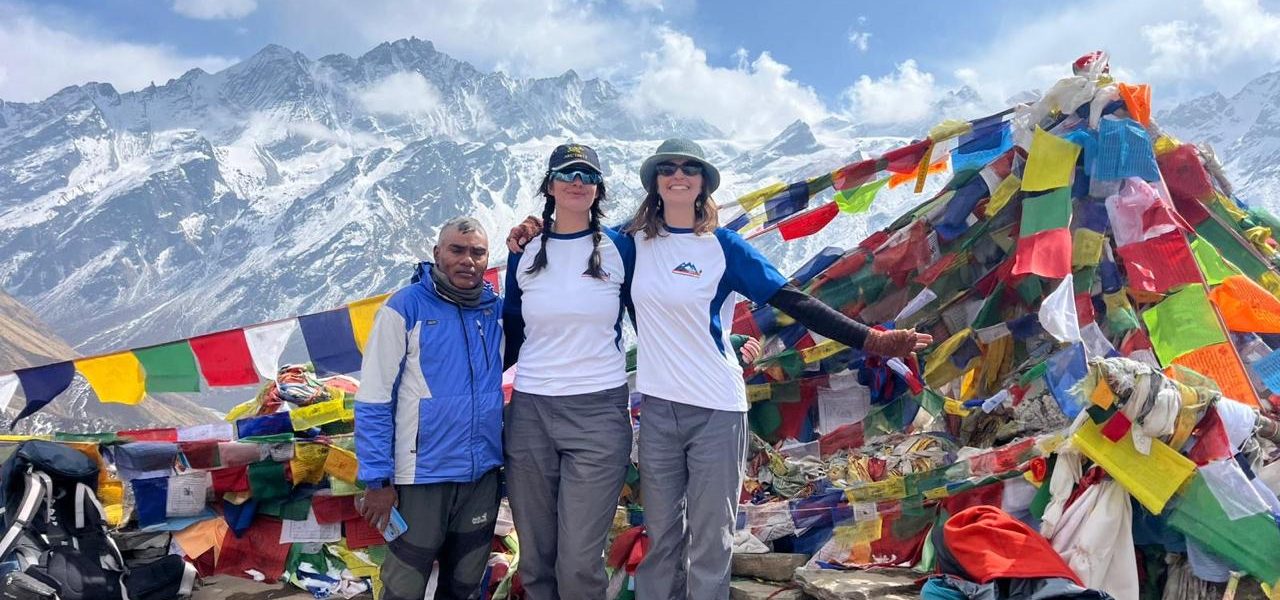
Langtang Valley Trek Guide: Everything You Need to Know Before Planning Your Adventure
A complete Langtang Valley Trek guide which help you before packing your rucksack. The Langtang Valley trek is one of Nepal’s most rewarding Himalayan adventures, offering breathtaking mountain scenery, rich Tamang culture, lush forests, and peaceful trails without the large crowds found in the Everest and Annapurna Base Camp. Located just north of Kathmandu, the trek takes you into the heart of Langtang National Park, where you’ll enjoy spectacular views of snow-capped peaks, alpine meadows, glaciers, and traditional mountain villages.
Whether you’re looking for a moderate Himalayan trek or a shorter alternative to Everest Base Camp, the Langtang Valley Trek is an excellent choice for trekkers of all experience levels.
Langtang Valley Trek Guide
Guide for Langtang Trek. The Langtang Valley Trek usually takes 7 to 10 days, depending on your itinerary and acclimatization schedule. The journey begins with a scenic drive from Kathmandu to Syabrubesi, the gateway to the Langtang region.
The trail passes through beautiful forests filled with rhododendrons, bamboo, and pine trees before reaching charming villages such as Lama Hotel, Langtang Village, and Kyanjin Gompa. One of the highlights is hiking to Kyanjin Ri (4,773 m) or Tserko Ri (4,984 m), where you’ll enjoy panoramic views of Langtang Lirung, Dorje Lakpa, Yala Peak, and many surrounding Himalayan peaks.
The trek combines natural beauty, cultural experiences, and comfortable tea house accommodation, making it perfect for both beginners and experienced trekkers.
Guide and Best Season for the Langtang Valley Trek
Book Langtang Valley Trek The Langtang Valley Trek can be completed throughout the year, but two seasons offer the best trekking conditions.
Spring season in Nepal (March to May)
Spring is one of the most popular seasons because temperatures are pleasant, skies are generally clear, and rhododendron forests are in full bloom. The mountain views are exceptional, making it an ideal time for photography.
Autumn Season in Nepal (September to November)
Autumn is considered the best trekking season in Nepal. Following the summer monsoon, the air becomes fresh and clear, offering outstanding visibility. Stable weather and comfortable temperatures make this the busiest trekking season.
Winter Season in Nepal (December to February) Hire A Guide for Langtang Valley Trek
Winter trekking is possible for those who enjoy quieter trails. Snowfall may occur around Kyanjin Gompa and higher viewpoints, creating spectacular winter landscapes. Warm clothing is essential.
Monsoon Season in Nepal (June to August) Highly suggest Guide during the Monsoon for Trekking in Langtang
The monsoon brings lush green forests and fewer trekkers. While rain is common at lower elevations, the Langtang region often experiences shorter rain periods than eastern Nepal. Trekkers should prepare for slippery trails and occasional landslides. If you are trekking to Langtang valley during the monsoon then highly suggest you to hire a guide.
Why Choose HIMALAYA View Treks?
Choosing the right trekking company can make your adventure safer, smoother, and more enjoyable.
At HIMALAYA View Treks, we are passionate about creating unforgettable trekking experiences with personalized service and local expertise.
Our advantages include:
1, Experienced government-licensed trekking guides
2, Friendly and reliable local porters
3, Flexible itineraries based on your interests
4, Transparent pricing with no hidden costs
5, 24-hour customer support before and during your trek
6, Comfortable tea house accommodation
7, Private and group departures available
8. Strong focus on safety and responsible tourism
9 Excellent reviews from trekkers worldwide
10, Local knowledge of Langtang culture and traditions
Our goal is to ensure every guest enjoys a memorable Himalayan adventure while supporting local communities.
Cost of Guide, Porter, and Permits for the Langtang Valley Trek
Hiring a professional guide not only improves your trekking experience but also supports the local economy.
Typical costs include:
Licensed Trekking Guide: USD 25–35 per day, Porter: USD 20–23 per day, Guide-Porter: USD 25 per day for Langatng Valley Trek
Langtang Valley Trek Permit costs:
Langtang National Park Entry Permit NPR 3000 per trekkers
Additional expenses include transportation, accommodation, meals, travel insurance, personal equipment, and optional tips for guides and porters.
Langtang Trek Difficulty
The Langtang Valley Trek is considered a moderate trek and highly recommend the guide
Trekkers walk approximately 5 to 7 hours per day on well-established mountain trails. Although the route does not require technical climbing skills, good physical fitness is recommended.
The highest sleeping point is Kyanjin Gompa (3,870 m), while optional hikes to Kyanjin Ri and Tserko Ri reach nearly 5,000 meters, making proper acclimatization important.
How Many Days Do You Need?
The trek is flexible and can be customized.
Popular itineraries include:
6 Days – Short Langtang Valley Trek, 8 Days – Standard Langtang Trek 10 Days – Trek including Tserko Ri, 14 Days – Langtang Valley with Gosaikunda Lake
Most trekkers choose the 8-day itinerary, allowing enough time for acclimatization and sightseeing.
Accommodation and Food
The Langtang region offers comfortable tea houses operated by local families.
Rooms are simple but clean, usually with twin beds, blankets, and shared bathrooms.
Meals commonly include:
Nepali Traditional meal Dal Bhat, Fried Rice, Noodles, Pasta, Momos, Tibetan Bread, Pancakes, Eggs, Soups, Tea and Coffee etc.
The higher you climb, the menu becomes slightly more limited, but the quality remains excellent.
What to Pack
Packing properly ensures a comfortable trekking experience.
Essential items include:
Waterproof trekking boots, Warm down jacket, Sleeping bag, Trekking poles, Thermal clothing, Waterproof jacket, Gloves, Warm hat, Sunglasses, Sunscreen, Water bottle, Headlamp, Personal medications, Power bank etc.
Pack light while ensuring you have clothing suitable for changing mountain weather.
Altitude Sickness
Although the Langtang Trek is lower than Everest Base Camp, altitude sickness can still affect trekkers.
Symptoms include:
Headache, Nausea, Loss of appetite, Fatigue, Difficulty sleeping
To reduce the risk:
Walk slowly. Drink plenty of water. Avoid alcohol. Gain altitude gradually. Inform your guide if symptoms develop.
A professional guide will monitor your condition throughout the trek.
Safety Tips
Your safety should always come first.
Before starting the trek:
Purchase comprehensive travel insurance. Hire a licensed guide. Check the weather forecast. Carry sufficient cash. Pack extra warm clothing. Bring essential medicines. Inform family members of your itinerary.
Following these simple precautions helps ensure a safe and enjoyable adventure.
Why the Langtang Valley Trek Is Worth It
The Langtang Valley Trek offers everything that makes trekking in Nepal special: dramatic Himalayan scenery, authentic mountain villages, Buddhist monasteries, friendly local people, and peaceful trails. It is less crowded than many of Nepal’s famous trekking routes while still providing breathtaking views and unforgettable cultural experiences.
From the forests of Syabrubesi to the stunning panorama from Kyanjin Ri, every day brings new landscapes and memorable moments. Whether you are trekking for the first time or returning to Nepal for another adventure, the Langtang Valley Trek is an experience you will never forget.
If you’re looking for a professionally organized trek with experienced local guides, HIMALAYA View Treks is ready to help you explore the beauty of the Langtang region safely, comfortably, and with genuine Nepalese hospitality. We are committed to providing exceptional service from your arrival in Kathmandu until the completion of your Himalayan journey, ensuring memories that will last a lifetime.