
Trip overview
Annapurna Circuit Trek – 13 Days
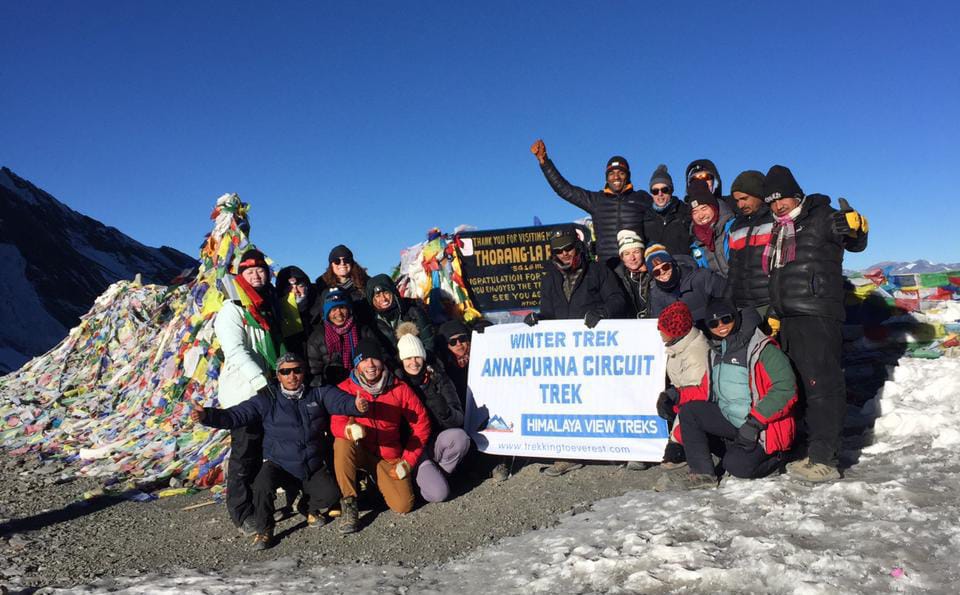
The Annapurna Circuit Trek 13 Days is one of Nepal’s classic Himalayan adventures. The route takes you around the Annapurna massif and across the famous Thorong La Pass at 5,416 m (17,769 ft). Along the way, you will walk through mountain villages, green forests, deep valleys, dry landscapes, and high Himalayan terrain.
The trek combines stunning nature with local culture. You will meet people in traditional mountain villages and visit the sacred Muktinath Temple. You will also enjoy views of the Annapurna, Dhaulagiri, and Manaslu ranges. In addition, the route includes the popular Poon Hill section, known for its beautiful Himalayan sunrise.
Our 13-day itinerary starts in Kathmandu and ends in Pokhara. The route begins in the lower valleys and slowly gains altitude. You will then reach the high mountain areas around Manang and Thorong La. We include an acclimatization day in Manang to help you adjust before reaching the higher elevations.
The trek is moderate to challenging. You should have good fitness and prepare for several long walking days. However, you do not need previous high-altitude trekking experience if you prepare well. With a steady pace, proper acclimatization, and an experienced guide, you can enjoy this classic Himalayan journey.
Annapurna Circuit Trek Highlights
- Cross Thorong La Pass at 5,416 m
- Enjoy views of the Annapurna and Dhaulagiri ranges
- Explore traditional villages in the Manang and Mustang regions
- Visit the sacred Muktinath Temple
- Spend an acclimatization day in Manang
- Walk through forests, waterfalls, rivers, and alpine landscapes
- Experience Tibetan-influenced Himalayan culture
- Watch the sunrise from Poon Hill
- Relax in the natural hot springs at Tatopani
- Follow alternative trails where possible to reduce road walking
- Trek with an experienced local guide and porter team
Annapurna Circuit Trek Route and NATT Trails
The Annapurna Circuit has changed over the years. Roads now reach many villages along the route. However, you can still enjoy quieter trails away from the main roads.
The New Annapurna Trekking Trails (NATT) offer alternative routes through forests, villages, and traditional paths. These trails help reduce road walking in several areas. As a result, you can enjoy a more peaceful trekking experience.
Some parts of the circuit still have road traffic and construction. Therefore, our guide chooses the best walking route based on current trail conditions.
Road sections can affect areas around Besisahar, Chame, Manang, Muktinath, Jomsom, and Tatopani. Even so, the trek offers a great mix of mountain scenery, local culture, and traditional villages.
If you have less time, we also offer an Annapurna Circuit Trek 8 Days itinerary.
Acclimatization in Manang
Altitude becomes more important after you reach Manang. For this reason, we include an acclimatization day at around 3,540 m.
During the rest day, you can take a short hike around Manang. One popular option is the Gangapurna Lake and viewpoint. The hike offers beautiful views of the mountains and surrounding valley.
You can also choose a longer hike if your guide feels that the conditions are suitable. The aim is not to walk as far as possible. Instead, you should gain some extra altitude and return to Manang to sleep.
Good acclimatization helps your body adjust to higher elevations. Therefore, our guide checks your condition and adjusts the walking pace when needed.
Crossing Thorong La Pass – 5,416 m
Crossing Thorong La Pass is the main challenge of the Annapurna Circuit Trek. It is also one of the most rewarding parts of the journey.
You will normally start early in the morning. The weather can change quickly at high altitude, so an early start gives you more time on the trail. Depending on your condition and the trail situation, you may stay at Thorong Phedi or Thorong High Camp before crossing the pass.
The climb is demanding because of the high elevation. However, the mountain views become more impressive as you climb higher. Once you reach the top, you can enjoy wide views across the surrounding Himalayan landscape.
After reaching Thorong La, you descend toward Muktinath at 3,800 m. The long descent makes this one of the biggest days of the trek.
Before the crossing, your guide checks the weather, trail conditions, and your physical condition. Safety remains the main priority throughout the trek.
Thorong La Pass Trek Difficulty
The Thorong La Pass trek is challenging because the pass reaches 5,416 m (17,769 ft). The high altitude, long walking hours, steep sections, and changing mountain weather make this one of the hardest days of the Annapurna Circuit.
You will normally begin the crossing early in the morning. The trail climbs from Thorong Phedi or Thorong High Camp toward the pass. After reaching the top, you make a long descent toward Muktinath at 3,800 m.
No technical climbing skills are required to cross Thorong La. However, you should have good fitness and be comfortable with long days at high altitude.
Good preparation can make the crossing easier. Regular hiking, walking, and suitable cardio exercise can help build endurance. During the trek, walk at a steady pace and follow your guide’s advice.
Proper acclimatization is also important. Our guide checks your condition and the weather before the crossing. If conditions are not suitable, we will follow the safest available option.
Muktinath and the Lower Mustang Region
After crossing Thorong La Pass, you reach Muktinath, one of Nepal’s most important pilgrimage sites.
Muktinath is sacred to both Hindus and Buddhists. The area also marks a clear change in the landscape and local culture as you enter the Mustang region.
From Muktinath, the journey continues through the lower Kali Gandaki Valley. The landscape becomes drier and more open. At the same time, the villages show strong Tibetan and Thakali cultural influences.
Muktinath to Tatopani and Poon Hill
After Muktinath, we use road transportation for the long journey toward Tatopani. This saves trekking time and avoids long walks on busy road sections.
From Tatopani, you continue on foot toward Ghorepani. The trail passes through green forests and traditional villages. The climb can feel demanding, but the scenery changes as you enter the forested Annapurna foothills.
Early the next morning, you hike to Poon Hill at 3,210 m for sunrise.
From the viewpoint, you can see several Himalayan peaks across the Annapurna and Dhaulagiri ranges. After sunrise, you continue toward Tadapani. The route then leads to Jhinu Danda before you finish the trek near Pokhara.
Side Trips from the Annapurna Circuit
The Annapurna Circuit also gives you access to several popular side trips. You can add some of these routes by extending the trek.
Tilicho Lake
Tilicho Lake at 4,919 m (16,138 ft) is one of the most popular side trips in the Annapurna region. The lake sits in a spectacular high-mountain setting and offers beautiful views of the surrounding peaks.
The trail to Tilicho Lake includes steep climbs, rocky paths, and uneven mountain terrain. Because of the altitude and demanding trails, the Tilicho Lake Trek is challenging.
For this reason, good acclimatization is important before starting the side trip. We recommend spending enough time around Manang and following a steady walking pace.
You do not need technical climbing skills for the normal hiking route to Tilicho Lake. However, you should have good fitness and be prepared for steep trails and long walking days.
If you want to include Tilicho Lake in the Annapurna Circuit, we can add extra days to the itinerary. You can explore our Tilicho Lake Trek itinerary for more information.
Tilicho Lake and Thorong La Pass
Combining Tilicho Lake and Thorong La Pass makes the Annapurna journey more challenging and rewarding. Both routes reach high elevations, so proper acclimatization and a steady pace are important.
The Tilicho Lake section reaches 4,919 m, while Thorong La reaches 5,416 m. Therefore, you should prepare for long walking days, steep trails, and high-altitude conditions.
If you want to include both places, we can customize the itinerary and add the required trekking days. Your guide will help manage the walking pace and daily schedule according to the trail and your condition.
Nar Phu Valley
You can also combine the Annapurna Circuit with the Nar Phu Valley Trek. This remote area offers traditional villages and a quieter Himalayan experience.
Nar Phu is a restricted area. Therefore, you need a special permit and additional arrangements for this extension.
Pisang Peak
Experienced trekkers can also add Pisang Peak to their adventure. The climb requires extra days, climbing arrangements, and a separate climbing permit.
Manaslu and Annapurna Circuit Trek – 19 Days
If you have more time, you can combine the Manaslu Circuit and Annapurna Circuit into one longer Himalayan adventure. The two routes connect at Dharapani, allowing you to continue from the Manaslu region directly into the Annapurna Circuit.
The combined Manaslu and Annapurna Circuit Trek 19 Days includes two major high passes: Larkya La Pass at 5,106 m and Thorong La Pass at 5,416 m. You will also experience remote mountain villages, Tibetan-influenced culture, dramatic valleys, and some of the best Himalayan scenery in Nepal.
This combined trek is more demanding than the standard Annapurna Circuit because of its longer duration and two high-altitude passes. Therefore, it is better suited to trekkers with good fitness and some previous trekking experience.
For a longer Himalayan adventure, explore our Manaslu and Annapurna Circuit Trek 19 Days.
Can Beginners Do the Annapurna Circuit Trek?
Yes, beginners can complete the Annapurna Circuit with good preparation and fitness.
However, this is not an easy trek. The route reaches 5,416 m at Thorong La Pass, and several days involve around 5–7 hours of walking.
The Thorong La crossing is usually the most demanding day. The Tilicho Lake side trip also adds difficulty because of its high elevation and steep trails.
Therefore, beginners should prepare well before the trek. Regular walking, hiking, cycling, or suitable cardio exercise can help build endurance.
During the trek, allow enough time for your body to adjust to the altitude. A steady pace, proper rest, and guidance from an experienced trekking team can make the journey more comfortable.
Overall Annapurna Circuit Trek Difficulty
The Annapurna Circuit Trek is moderate to challenging. The lower sections are generally easier, while the difficulty increases as you reach Manang and the high mountain areas.
The Thorong La Pass section is challenging because it reaches 5,416 m and includes a long climb followed by a steep descent. Similarly, the Tilicho Lake side trip is challenging because it reaches 4,919 m and includes steep and uneven trails.
If you follow a gradual itinerary and allow enough time for acclimatization, you can manage these high-altitude sections more comfortably. Our experienced guide will monitor your condition, maintain a suitable pace, and help you make safe decisions during the trek.
Short Itinerary
Annapurna Circuit Trek Itinerary – 13 Days
Day 01: Drive from Kathmandu to Dharapani (1,960 m) – 8–9 hours
Day 02: Trek from Dharapani to Chame (2,710 m) – 5–6 hours
Day 03: Trek from Chame to Pisang (3,300 m) – 5–6 hours
Day 04: Trek from Pisang to Manang (3,540 m) – 5–6 hours
Day 05: Acclimatization day in Manang – optional hike to Gangapurna Lake or Ice Lake viewpoint
Day 06: Trek from Manang to Yak Kharka (4,050 m) – 4–5 hours
Day 07: Trek from Yak Kharka to Thorong Phedi (4,525 m) – 4–5 hours
Day 08: Cross Thorong La Pass (5,416 m) and trek to Muktinath (3,800 m) – 7–9 hours
Day 09: Drive from Muktinath to Tatopani (1,200 m) – 6–7 hours
Day 10: Trek from Tatopani to Ghorepani (2,850 m) – 6–7 hours
Day 11: Early morning hike to Poon Hill (3,210 m), then trek to Tadapani – 6–7 hours
Day 12: Trek from Tadapani to Jhinu Danda – 5–6 hours
Day 13: Trek to Nayapul and drive to Pokhara – 4–5 hours
Included
- Kathmandu to Besisahar by bus and Besisahar to Dharapani by sharing jeep.
- Nayapul to Pokhara by private car or bus depends on Group sizes
- All meals (Breakfast, lunch, and dinner) during your Annapurna Circuit Trek
- Annapurna Conservation Area Permit (ACAP)
- Government-licensed, experienced and fluent English-speaking trekking guide.
- One assistant guide for groups of more than 10 trekkers.
- Strong local porter service to carry trekkers’ luggage — one porter for every two trekkers. Porter service is not included for solo travellers and can be arranged at an additional cost upon request.
- Guide and porter wages including their meals, accommodation, and Salary
- Staff insurance including medication coverage
- Equipment for the Company staff
- Water purification drop or tablets for safe drinking water
- Seasonal fresh fruits every day during Annapurna Circuit trek
- Oximeter to measure Pulse and oxygen level
- Company T-shirt as a Souvenirs, and duffle bag if needed
- Local government, taxes, including official Service Charge
- Trip completion Certificate
Not Included
- Hotel accommodation and meals In Kathmandu and pokhara
- Personal expenses (shopping, snacks, boil bottle water, hot (tea, coffee) and cold drinks, hot shower, alcohol, Wi-Fi, telephone call, battery charge fee during the Annapurna Circuit Trek.
- Personal clothing and trekking gear
- Personal travel insurance including evacuation coverage (highly recommended) up to 6000m)
- Additional costs if delayed and outside the itinerary
- All the costs and expenses which are not mentioned in the included list.
- Tips for guide and porters in end of the treks
Useful Info
Best Time for Annapurna Circuit Trek
The best time for the Annapurna Circuit Trek is during spring and autumn. These seasons usually offer good trekking conditions and clear mountain views.
Spring: March to May
Spring brings warmer temperatures and colorful rhododendron flowers. The weather is generally good for trekking, and the mountains can look spectacular on clear days.
The trails can also become busier as more trekkers visit the Annapurna region. Therefore, early spring is a good choice if you prefer quieter trails.
Autumn: September to November
Autumn is one of the most popular seasons for the Annapurna Circuit. The weather is usually stable, the skies are clearer, and mountain visibility is often excellent.
October and November are especially popular months. However, you should book accommodation and flights in advance during the busiest periods.
Winter and monsoon conditions can make some sections more difficult. Snow can affect the high pass during winter, while rain can affect lower trails during the monsoon. Therefore, choose your travel dates according to your route, experience, and current weather conditions.
Annapurna Circuit Trek Difficulty
The Annapurna Circuit Trek is moderate to challenging.
The main challenges include high altitude, long walking days, steep sections, and the Thorong La Pass crossing at 5,416 m. You will also experience major changes in elevation as you travel from the lower valleys to the high Himalayan region.
The Thorong La Pass section is challenging, while the Tilicho Lake side trip is also challenging because of its high elevation and steep trails.
You do not need advanced mountaineering skills for the standard Annapurna Circuit. However, you should have good fitness and prepare for several long days on the trail.
Good preparation, gradual altitude gain, proper acclimatization, and a steady walking pace can make the trek more manageable. Our experienced guide will also monitor your condition and help you maintain a suitable pace.
Annapurna Circuit Trek Permit
You need an Annapurna Conservation Area Permit (ACAP) for the Annapurna Circuit.
Himalaya View Treks will arrange the required permit and trekking documentation before you begin your journey. This allows you to focus on the trek without worrying about the permit process.
Why Choose Himalaya View Treks?
Himalaya View Treks is a local trekking company based in Kathmandu, Nepal. We focus on safe, well-organized, and personalized trekking experiences throughout the Himalayas.
When you travel with a local team, you receive direct support before and during your trek. Your trip also supports local guides, porters, accommodation providers, transport operators, and mountain communities.
Our team focuses on:
- Safety and proper acclimatization
- Experienced local guides
- Flexible trekking itineraries
- Reliable local transportation
- Fair and transparent pricing
- Friendly and responsive service
- Responsible tourism
- Direct support throughout your trip
Book Your Annapurna Circuit Trek
The Annapurna Circuit Trek 13 Days brings together high mountain passes, traditional villages, diverse landscapes, and rich Himalayan culture.
During the journey, you will cross Thorong La Pass at 5,416 m, visit sacred Muktinath, enjoy sunrise from Poon Hill, and experience the changing landscapes of the Annapurna region.
Ready to explore the Annapurna Circuit? Himalaya View Treks is here to help you plan your trek from start to finish.
Contact us with your preferred trekking dates, group size, and special requirements. We can also customize the itinerary to suit your travel plans.
Start planning your Annapurna adventure with Himalaya View Treks today.
FAQs
-
How difficult is the Annapurna Circuit Trek?
The Annapurna Circuit is a moderate to challenging trek. The high altitude and Thorong La Pass make it more demanding than many lower-altitude treks. Good preparation and proper acclimatization are important.
-
What is the highest point of the Annapurna Circuit?
The highest point is Thorong La Pass at 5,416 m (17,769 ft).
-
Can beginners do the Annapurna Circuit Trek?
Yes. Beginners with good fitness can complete the trek. However, you should prepare well and follow a gradual itinerary because the route reaches a high altitude.
-
Is altitude sickness a concern?
Altitude sickness can affect trekkers at high elevations. Therefore, the itinerary includes an acclimatization day in Manang. Our guide also monitors your condition and can adjust the pace when necessary.
-
Do I need a guide for the Annapurna Circuit?
A licensed guide provides navigation, local knowledge, logistical support, and help with altitude and changing trail conditions. We strongly recommend trekking with an experienced local guide.
-
How long is the Annapurna Circuit Trek?
This itinerary takes 13 days, starting in Kathmandu and ending in Pokhara. We can also arrange shorter or longer versions based on your available time.
-
What is the best month for the Annapurna Circuit Trek?
The main trekking seasons are March to May and September to November. October and November usually provide excellent conditions and mountain views.
-
Can I add Tilicho Lake to the Annapurna Circuit?
Yes. Tilicho Lake can be added to the itinerary. However, you will need additional trekking days.
-
Does the Annapurna Circuit still have road sections?
Yes. Roads reach several villages along the circuit. However, alternative NATT trails allow trekkers to avoid some road sections where suitable.
-
Does the trek include Poon Hill?
Yes. This 13-day itinerary includes Poon Hill at 3,210 m before the trek finishes in the Pokhara area.
-
Can I customize the itinerary?
Yes. We can adjust the itinerary for private groups, families, experienced trekkers, or travelers who want to add destinations such as Tilicho Lake or Nar Phu Valley.
Latest Traveller's Reviews
Travel experiences of our clients who recently returned from their trips.