
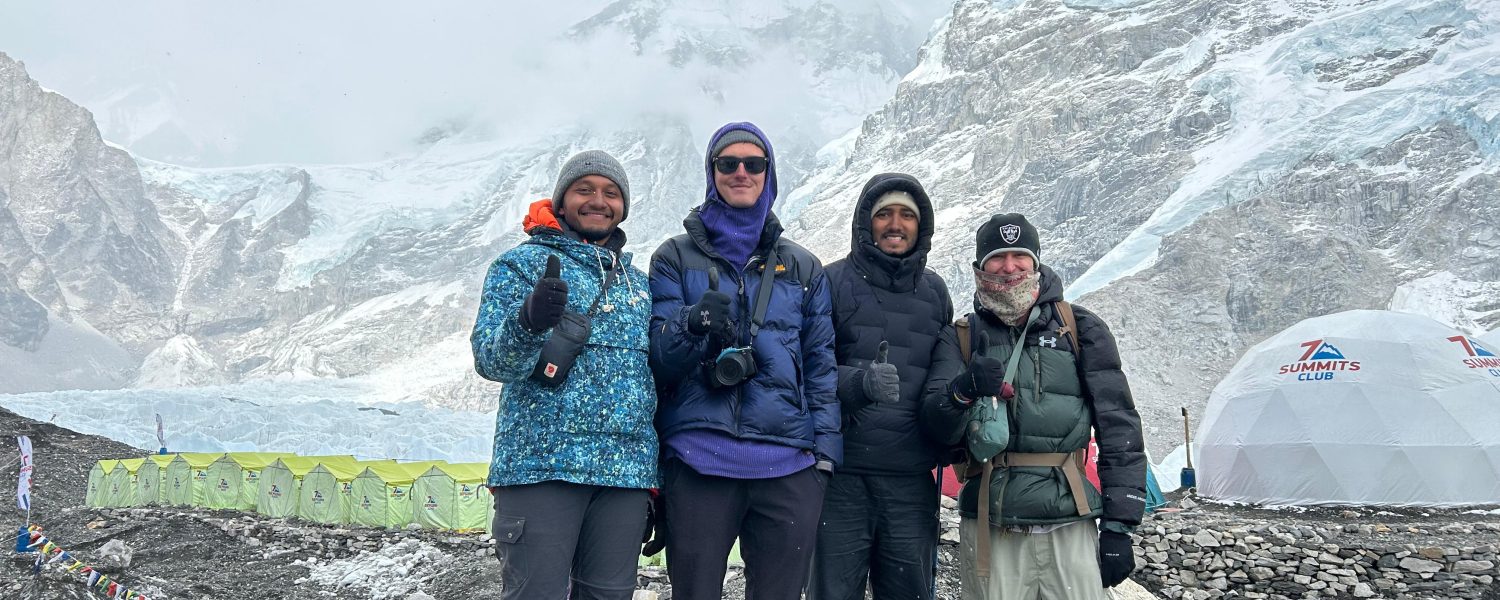
Everest Marathon: The World’s Highest Race on Earth
Running a marathon is a formidable challenge anywhere in the world—but imagine doing it in the thin, crisp air of the Himalayas, surrounded by towering snow-capped peaks and historic mountain trails. The Everest Marathon is far more than a standard race; it is an extraordinary test of endurance, an immersion into rich Sherpa culture, and a journey through some of the most breathtaking landscapes on Earth. Best of all, you can experience this bucket-list event as an ultimate extension of your 12 Days Everest Base Camp Trek.
What is the Everest Marathon?
The Everest Marathon is the highest marathon in the world, held annually on May 29 to commemorate the historic first ascent of Mount Everest by Sir Edmund Hillary and Tenzing Norgay Sherpa in 1953.
The race begins near Everest Base Camp at an altitude of 5,364 meters (17,598 ft) and descends through traditional Sherpa villages, glacial moraines, and rugged mountain trails before finishing in Namche Bazaar.
A Race Like No Other
Unlike standard road marathons, the Everest Marathon is a high-altitude trail race that tests both physical strength and mental resilience. The course includes:
Rocky paths and glacier sections
Steep ascents and technical descents
Suspension bridges and forest trails
Dramatic elevation changes
At this altitude, oxygen levels are significantly lower, making every step more demanding. Runners must be well-acclimatized and prepared for unpredictable mountain weather.
The Route Experience
The marathon route offers an unforgettable journey through the heart of the Khumbu region:
Start Point: Everest Base Camp
Key Landmarks: Gorakshep, Lobuche, Pangboche, Tengboche
Finish Line: Namche Bazaar
Along the way, runners pass monasteries, prayer flags, and yak caravans—immersing themselves in the rich culture of the Sherpa people.
More Than Just a Race
Participating in the Everest Marathon is not only about competition—it’s about connection:
Connecting with nature in one of the world’s most iconic regions
Experiencing the hospitality and traditions of Himalayan communities
Pushing personal limits in extreme conditions
Many runners describe it as a life-changing experience rather than just a sporting event.
Preparation is Key
Due to the extreme altitude, proper acclimatization is essential. Most participants follow a trekking itinerary similar to the Everest Base Camp trek before race day.
Key preparation tips:
Train for trail running and elevation gain
Allow at least 2 weeks for acclimatization
Stay hydrated and maintain a steady pace
Listen to your body to avoid altitude sickness
Who Can Join?
The Everest Marathon is open to both professional and amateur runners, but it is not recommended for beginners without high-altitude experience. Participants must be physically fit and mentally prepared for challenging conditions.
There are usually different race categories, including full marathon and shorter distances, allowing more people to take part in this unique event.
Why Run the Everest Marathon?
Because it’s not just about finishing—it’s about the journey.
Running beneath the shadow of Mount Everest, hearing the wind echo through the Himalayas, and crossing the finish line in Namche Bazaar is an achievement few can claim.
It’s a story you’ll carry for a lifetime.
When is the Everest Marathon held?
The Everest Marathon takes place every year on May 29, marking the anniversary of the first successful ascent of Mount Everest by Sir Edmund Hillary and Tenzing Norgay Sherpa. Yu can book with us Everest base camp private trek and you can joint the marathon too,
Where does the Everest Marathon start and finish?
The race starts from Everest Base Camp (5,364m) and finishes at Namche Bazaar (3,440m), passing through scenic Himalayan villages and rugged mountain terrain.
How difficult is the Everest Marathon?
It is considered one of the toughest marathons in the world due to high altitude, thin oxygen levels, uneven trails, and extreme weather conditions. Proper training and acclimatization are essential.
Do I need prior high-altitude experience?
Yes, high-altitude experience is strongly recommended. Most runners complete an Everest Base Camp trek beforehand to acclimatize properly.
How long does it take to prepare for the Everest Marathon?
Ideally, you should begin training at least 3–6 months in advance, focusing on endurance, trail running, and elevation gain. Additionally, allow around 2 weeks in Nepal for acclimatization before race day.
Can beginners participate in the Everest Race?
While technically open to all, this marathon is not suitable for beginners without strong fitness levels and prior trekking or high-altitude experience.
What is included in an Everest Marathon package?
Most packages include:
Airport transfers, Domestic flights (Kathmandu–Lukla–Kathmandu), Accommodation and meals during the trek, Trekking guide and support team, Marathon registration and logistics
Is altitude sickness a concern?
Yes, altitude sickness is a real risk when traveling to high elevations like Everest Base Camp. Proper acclimatization, hydration, and pacing are critical to reduce the risk.
What makes the Everest Race unique?
The Everest Marathon combines extreme endurance with cultural immersion. Running through Sherpa villages, monasteries, and Himalayan landscapes makes it a truly once-in-a-lifetime experience.
How can I join the Everest Marathon?
You can join through a registered trekking company that organizes logistics, permits, acclimatization schedules, and race entry arrangements.
Final Thoughts
The Everest Marathon stands as one of the most extreme and inspiring races in the world. It brings together adventure seekers, athletes, and dreamers who are ready to challenge themselves at the top of the world.
If you’re looking for a marathon that goes beyond distance and time—this is it.