
Trip overview
ABC plus Mardi Himal trek Overview
Key Highlights Mardi Himal Trek Via ABC
Trek Difficulty of Annapurna Base Camp Trek with Mardi
Best Time to Trek Mardi Himal Via ABC
Accommodation
Food and Drinks
Why Choose Mardi Himal with Annapurna base camp combined Trek?
Important Notes
Conclusion of the Trip
The Mardi Himal Trek via Annapurna Base Camp is an unforgettable journey that blends classic trekking with hidden beauty. From the dramatic Annapurna Sanctuary to the quiet ridges of Mardi Himal, this trek offers a complete Himalayan experience that is both diverse and deeply rewarding. Explore the world’s largest rhododendron forests and leave your footprints in the foothills of the world’s 10th-highest mountain, Mt. Annapurna (8,091 m).
If you’re looking for a quieter trekking experience after completing the Mardi Himal Trek, the Ganesh Himal Region offers pristine trails, authentic Tamang villages, and spectacular Himalayan scenery. Unlike the popular Annapurna trails, this region remains relatively unexplored, making it ideal for trekkers seeking solitude and cultural immersion.
For trekkers who prefer to arrange their own trekking package, we also arrange experienced guides and porters from Pokhara. Our Guide and Porter from Pokhara service provides local trekking support, route guidance, and luggage assistance for travelers exploring the Annapurna and other trekking regions of Nepal. Contact us to arrange a guide or porter based on your trekking route, duration, and requirements.
Short Itinerary
ABC with Mardi Himal Trek Itinerary
Day 01: Drive from Pokhara to Siwai (1,220m), trek to Chhomrong (2,170m) Walking: 5–6 hrs | Total distance: ~10 km. stay over night at Tea house
Day 02: Chhomrong to Dovan (2,600m) Walking: 5–6 hrs | Total distance: ~9 km, stay over night at Tea house
Day 03: Dovan to Machapuchare Base Camp (3,700m) Walking: 5–6 hrs | Distance: ~10 km, stay over night at Tea house
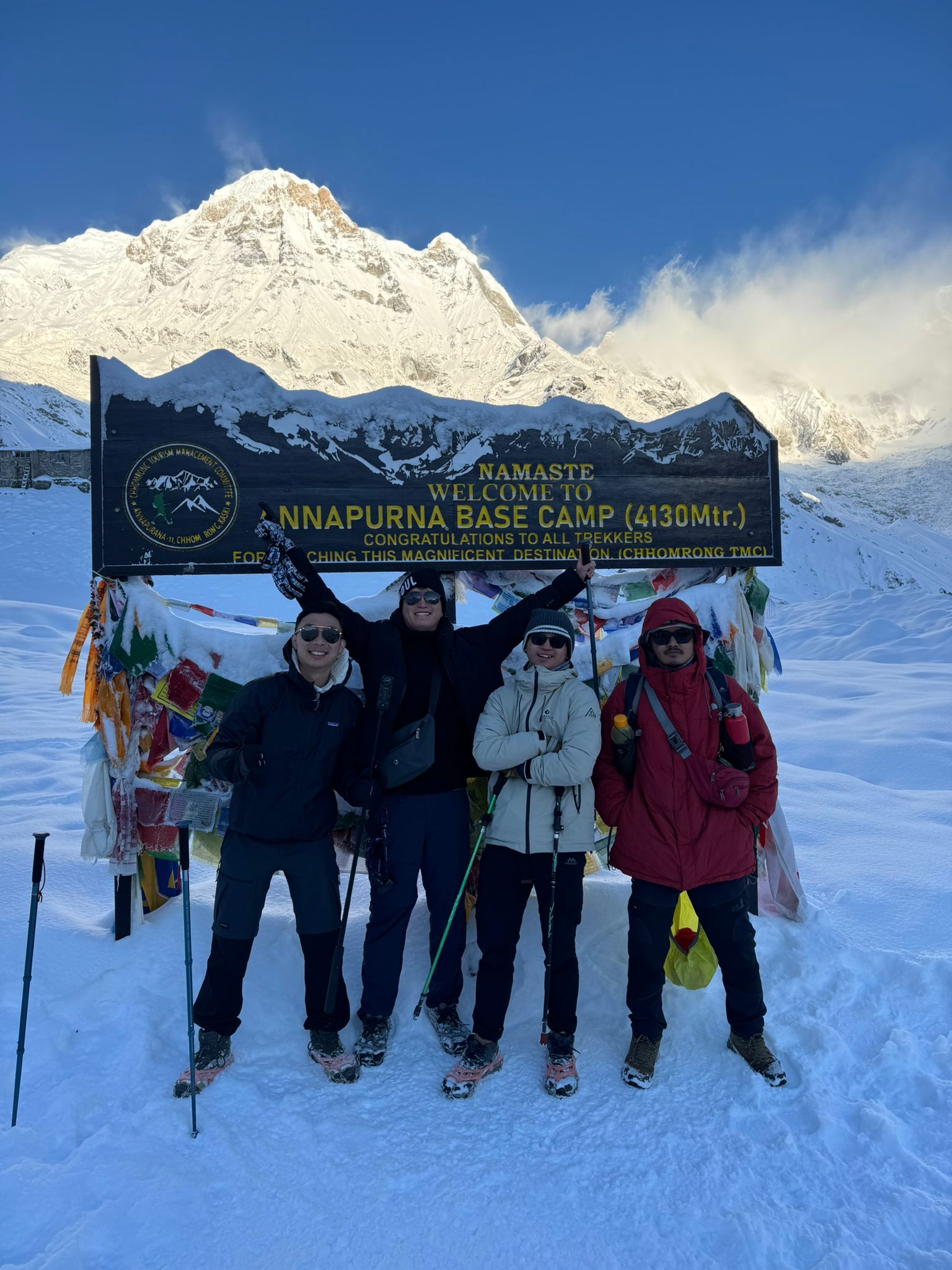
Day 04: MBC to Annapurna Base Camp (4,130m) Walking: 3–4 hrs | Distance: ~6 km, stay over night at Tea house
Day 05: ABC to down to Bamboo (2,310m) Walking: 6–7 hrs | Distance: ~12 km, stay over night at Tea house
Day 06: Baboo to Jhinu Danda (1,780m) Walking: 5–6 hrs | Distance: ~9 km, stay over night at Tea house
Day 07: JInu Danda to Landruk Village (1,565m)Walking: 3–4 hrs | Distance: ~6 km, stay over night at Tea house
Day 08: Landruk to Low Camp (2,990m) Walking: 6–7 hrs | Distance: ~11 km, stay over night at Tea house
Day 09: Trek from Low Camp to High Camp (3,580m) Walking: 3–4 hrs | Distance: ~6 km, stay overnight at Tea house
Day 10: Hike to Mardi Himal Base Camp (4,500m), return to Low Camp (2,990m), Walking: 6–7 hrs | Distance: ~12 km, stay over night at Tea house
Day 11: Low Camp to Siding Village (1,700m) Walking: 5–6 hrs | Distance: ~10 km and then Drive to Pokhara (820m) Driving: 2–3 hrs, and then good bye to your guide and porters.
Included
- Pokhara to Siwai and Sidding to Pokhara by private car/van/bus depend on group sizes
- All meals (Breakfast, lunch, and dinner) during your Mardi Himal with Annapurna base camp trek with 10 nights Hotel Accommodation.
- Annapurna Conservation Area Entry Permit. (ACAP)
- Government licensed holder, fluent English Speaking, Familiar HVT guide
- One assistant guide if Group sizes is more than 10 trekkers)
- Strong local Porters for Carry trekker’s luggage One porter every 2 trekkers
- Guide and porter wages including their meals, accommodation, Insurance and Salary
- Equipment for the Company staff
- Water purification drop or tablets for safe drinking water
- Seasonal fresh fruits every day during Annapurna Base Camp Private Trek
- Oximeter to measure Pulse and oxygen level
- Company T-shirt as a Souvenirs, and duffle bag if needed
- Local government, taxes, including official Service Charge
- Trip completion Certificate
Not Included
- Hotel accommodation and meals In Kathmandu and pokhara
- Personal expenses (shopping, snacks, boil bottle water, hot (tea, coffee) and cold drinks, hot shower, alcohol, Wi-Fi, telephone call, battery charge fees.
- Personal clothing and trekking gear
- Personal travel insurance including evacuation coverage, up to 6000m)
- Additional costs if delays flights and outside the itinerary
- All the costs and expenses which are not mentioned in the included list.
- Tips for guide and porters. in end of the treks
FAQs
-
How difficult is the Mardi Himal Trek via ABC?
This trek is considered moderate to challenging. It includes long walking days, steep ascents, and high-altitude sections. A good level of fitness and some prior trekking experience are recommended.
-
What is the highest point of this trek?
The highest point is Mardi Himal Base Camp (4,500m). The trek also reaches Annapurna Base Camp (4,130m).
-
How many days does the trek take?
The full itinerary from Pokhara to Pokhara takes around 11 days, depending on walking pace and acclimatization.
-
Do I need a guide for this trek?
Yes, hiring a licensed trekking guide is highly recommended and often required for safety, navigation, and local regulations in the Annapurna region.
-
What permits are required?
You will need: • ACAP Permit (Annapurna Conservation Area Permit) • TIMS Card (Trekkers’ Information Management System)
-
What is the best time to do this trek?
The best seasons are: • Spring (March–May): Rhododendron blooms and clear views • Autumn (September–November): Stable weather and excellent visibility
-
Is altitude sickness a risk?
Yes. Since the trek goes above 4,000 meters, altitude sickness is possible. Proper acclimatization, slow ascent, and hydration are very important.
-
What type of accommodation is available?
You will stay in local teahouses and lodges. Rooms are basic but comfortable, usually twin-sharing with shared bathrooms.
-
What kind of food is available on the trek?
Teahouses offer Nepali and international meals such as: • Dal Bhat (traditional set meal) • Noodles and pasta • Fried rice and soups • Tea, coffee, and snacks
-
Is Wi-Fi and mobile network available?
Mobile network is available in some villages, but can be weak at higher elevations. Some teahouses offer paid Wi-Fi, but it is not always reliable.
-
Can beginners do this trek?
Yes, but only if they are physically fit and prepared for long walking days. Hiring a guide and taking a slower pace is strongly recommended for beginners.
-
What should I pack for this trek?
Essential items include: • Warm layers and down jacket • Trekking boots • Sleeping bag • Rain jacket • Sunscreen and sunglasses • First aid kit
Latest Traveller's Reviews
Travel experiences of our clients who recently returned from their trips.