Trip overview
Short Itinerary
Kongma La Pass Trek - 14 days Itinerary
Day 01 Fly to Lukla and then trek to Phakding walking distance of 6.2 km (3-4 Hours) 2,860 meters/9184ft
Day 02: Phakding to Namche Bazaar walking distance is 7.4 km (5-6 Hours) 3,440m/11,283ft
Day 03: Acclimatization Day, Hike to Everest View Hotel 3880m/13000ft, and then back to Namche
Day 04: Namche to Tengboche walking distance 5.9 km (6 hours) 3,870m/12,684ft
Day 05: Tengboche to Dingboche walking Distance 9.1km (6 hours) 4,400m/14,435ft
Day 06 Dingboche Acclimatization Day, climbing the (5100 m) hill of Nagarshan (2/3 Hours) 4,400m/14,435ft and then back to Hotel
Day 07: Dingboche to Lobuche Walking distance 10 km (6-7 hours) 4,900m/16,076ft
Day 08: Lobuche to Gorakshep 4 km (6-8 hours) 5180m/16,994ft (Gorekshep) and then hiking Everest base camp 5364m/17598 Via Khumbu Glacier)
Day 09: Hike to Kalapatthar and then trek back to Lobuche walking distance 6.8 km (5-6 hours)5,545m/18,192ft (Kalapathar)
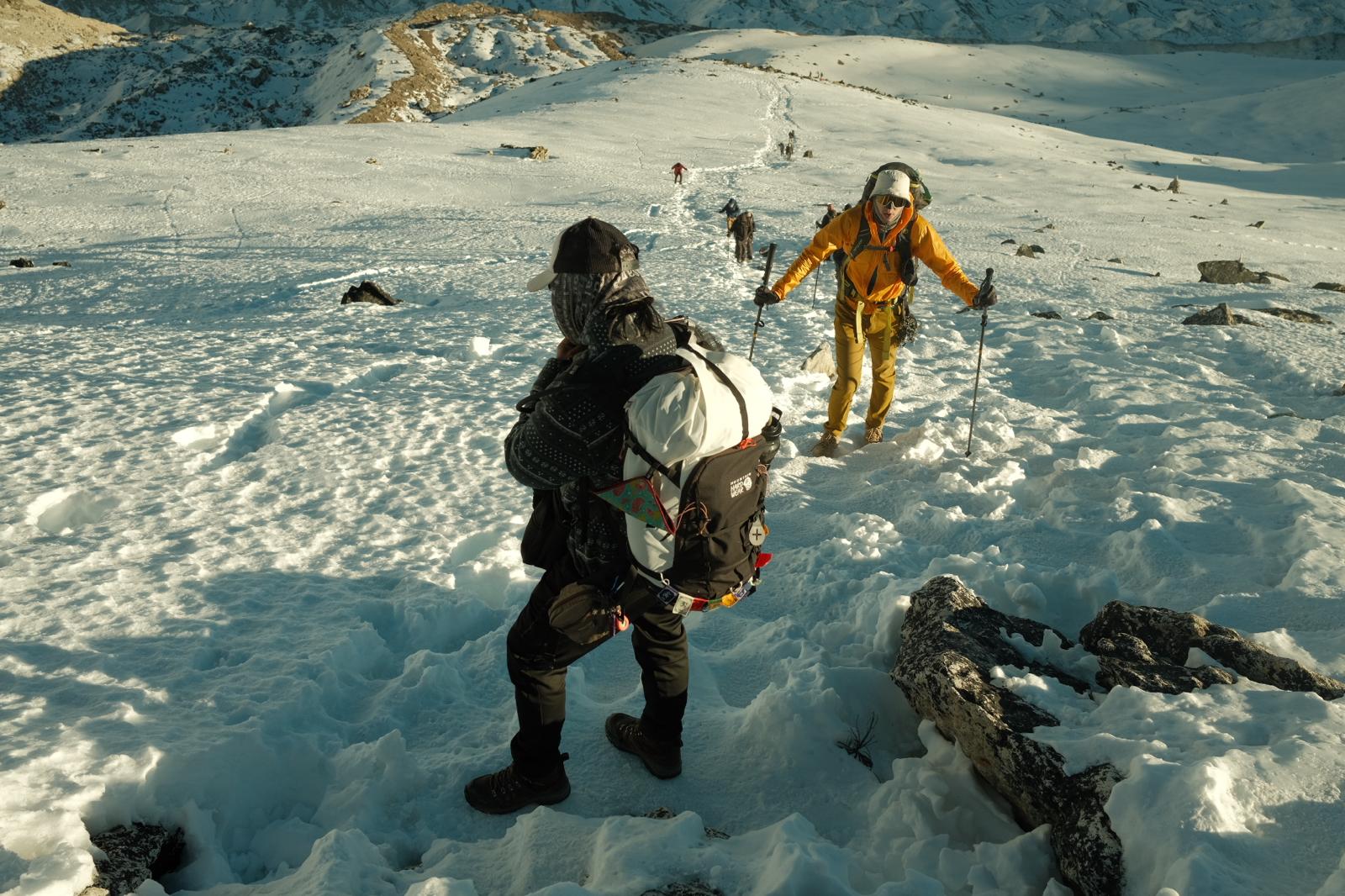
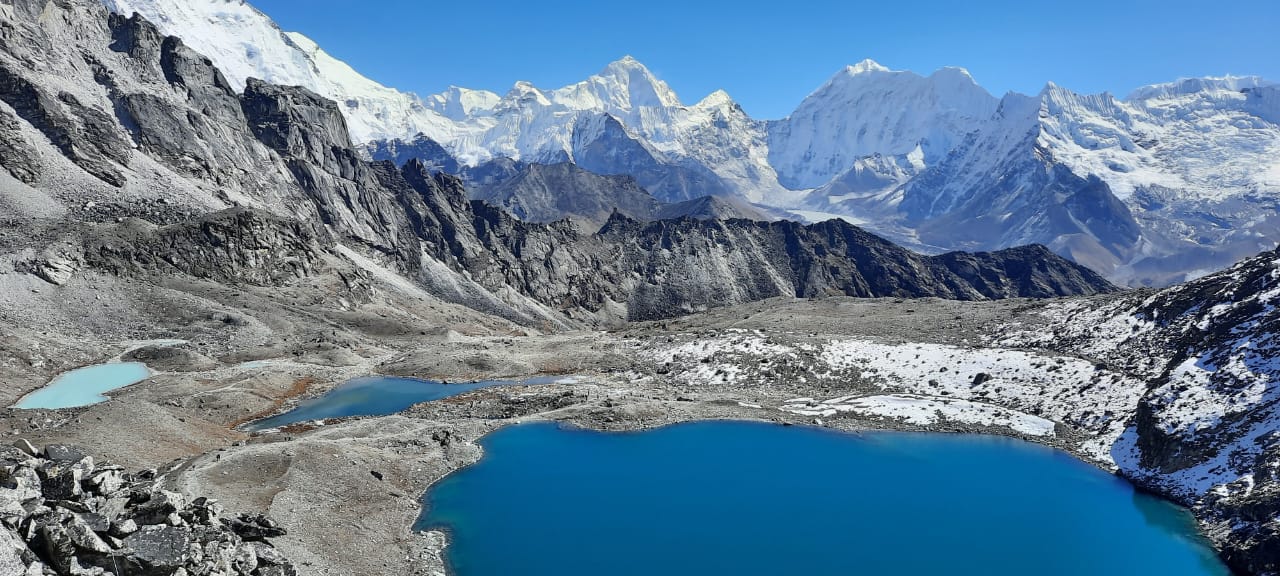
Day 10: Lobuche to Dingboche via Kongma-La (5535m/18154ft) 7 hours walking)
Day 11: Dingbiche to Tengboche walking distance of 9.1 km (5/6) hours. (3860m/12660ft)
Day 12: Tengboche to Namche Bazaar walking distance (5/7 hours) 5.9km. (3440m/11283ft) 6/7
Day 13: Namche to Lukla walking distance of 13.5 km (6/7 hours) (2800m/9184ft)
Day 14: Fly back to Kathmandu early in the morning around 07:00 AM (35 minutes)
Included
- Airport pickup and drop as per client’s arrival and departure date
- Hotel- domestic airport- hotel by car/ van, depend on group sizes
- Both ways Flight Ticket Kathmandu - Lukla - Kathmandu) tickets including airport taxes
- All meals (Breakfast, lunch, and dinner) during your Kongma la Pass Trek
- 12 nights Hotel Accommodation during Kongma La Pass Trek
- Government licensed holder, fluent English Speaking, Familiar HVT guide
- Assistant guide if Group sizes is more than 10 trekkers)
- Guide wages including his meals, accommodation, and Salary
- Staff insurance including medication coverage
- Guide and Assistance flight Ticket
- Equipment for the Company staff
- Water purification drop or tablets for safe drinking water
- Sagarmatha National Park entry permit fee
- Khumbu Pashang Lhamu Rural Municipality permits fees
- Seasonal fresh fruits every day during Kongma La Pass trek
- Oximeter to measure Pulse and oxygen level
- Himalaya View Treks Company T-shirt as a Souvenirs and duffel bag if you needed
- Safe storing facilities at company store during the trek
- Local government, taxes, including official Service Charge
- Trip completion Certificate
Not Included
- Hotel accommodation and meals In Kathmandu.
- Personal expense (shopping, snacks, boil bottle water, hot (tea, coffee) and cold drinks, hot shower, alcohol, Wi-Fi, telephone call, battery charge fee during the Kongma-La Pass Trek)
- Personal clothing and trekking gear
- Sleeping bag and down jacket available for rent in our store
- Personal travel insurance including evacuation coverage (compulsory) up to 6000m)
- Additional costs if delays flights and outside the itinerary
- If you need a porter to carry your luggage, then Porter wages is $22 per Day, for 13 Days is US$286
- All the costs and expenses which are not mentioned in includes list.
- Tips for guide and porters. in end of the treks
Useful Info
Kongma La Pass Trek Highlights:
- Complete two fabulous peaks all over 5,000 meters: the pass of Kongma La, and the summits of Kalapathar
- Trek in the more virgin valleys of the Khumbu while approaching the Chukhung
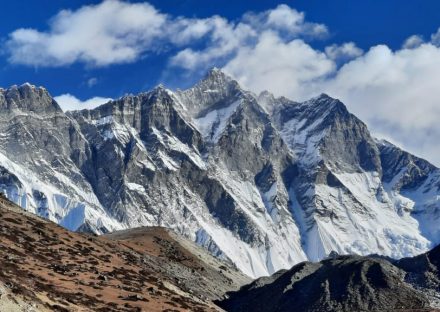
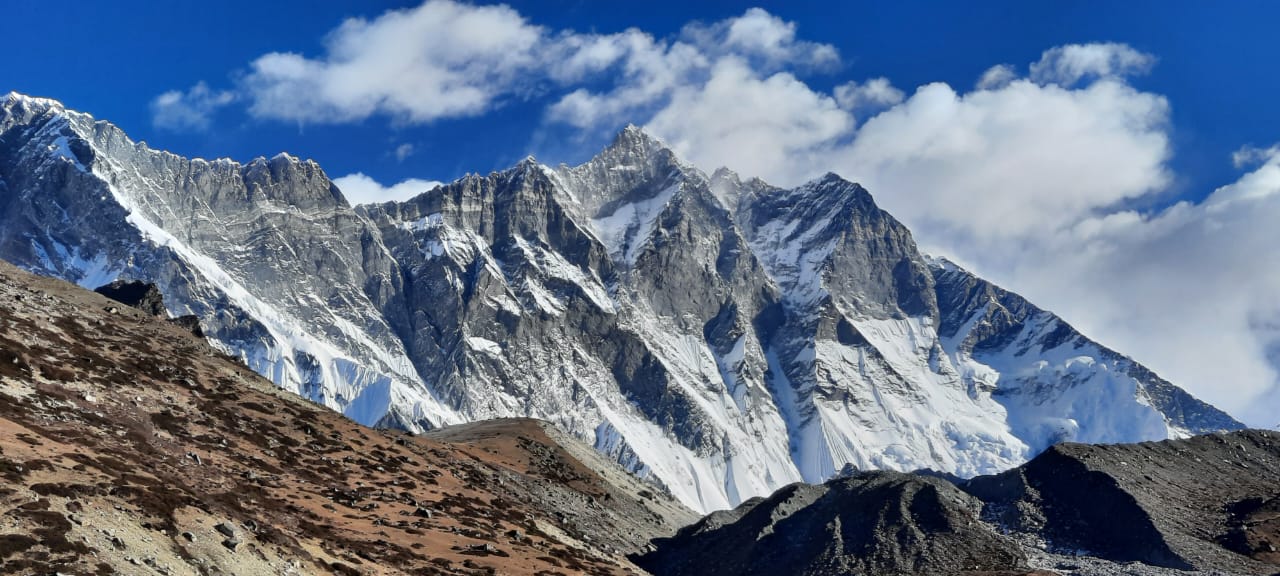
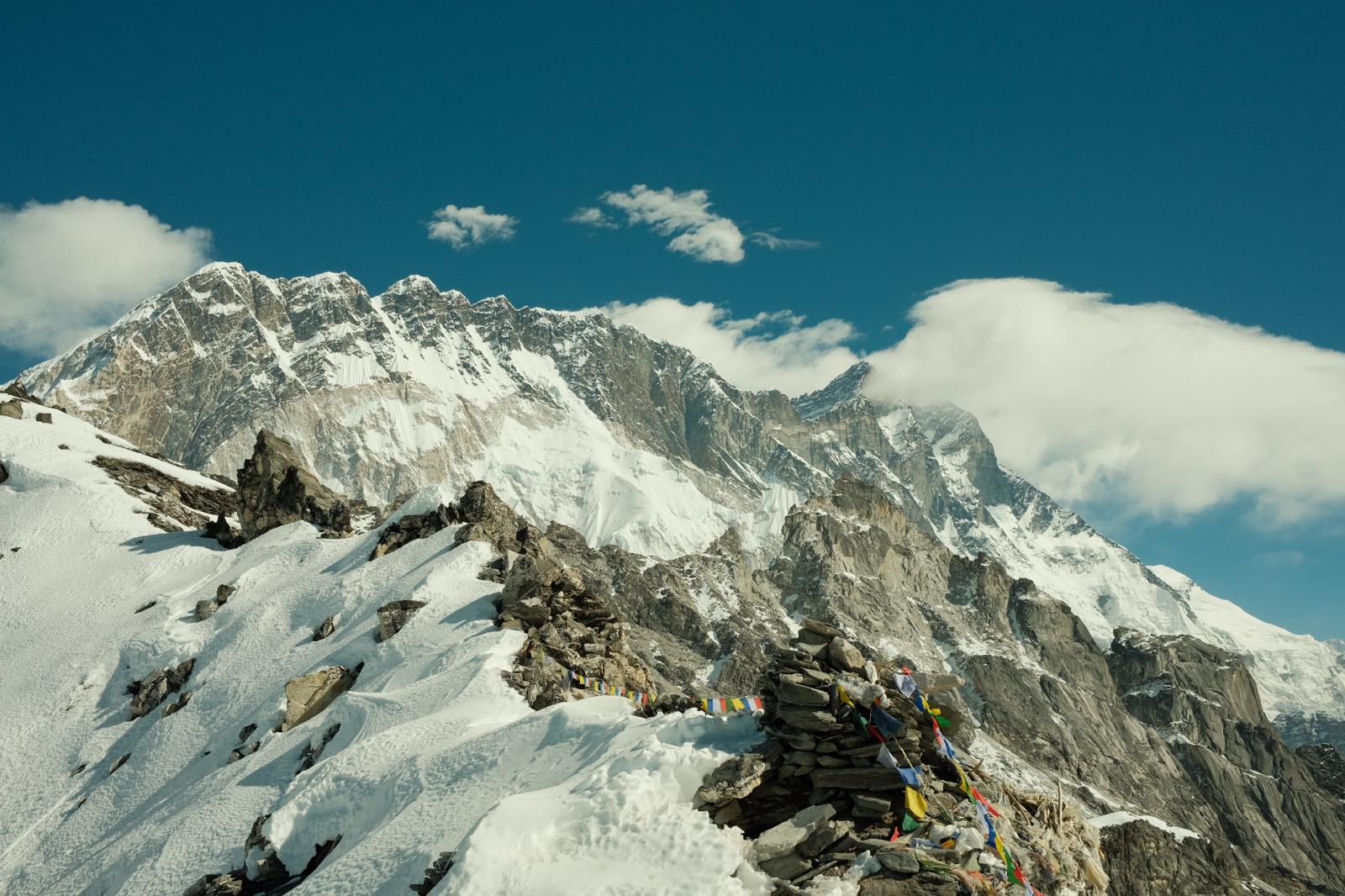
- View Everest, Makalu, Lhotse, and Cholatse, the Himalayan giants, in their astonishing glory. The 1 high passes are all about guts & glory.
General Information vital to this trek:
Best Season for Kongma La Pass:
Doing this trek/climb at the right time is very important to the success of a trip of this kind. Spring (March-May) and autumn (October-November) are really the best seasons to do this trek. The monsoon season (June - early September) has less predictable weather, but some trekkers still choose this time as it aligns better with their vacation schedule. The Winter season (December - February) gets pretty cold, and snow may block the passes, but often offers clear skies. Nonetheless, we suggest our guests make bookings for this venture in the spring or autumn, especially in the autumn of September/October. The weather is at its best for this high-altitude trip. The views are crystal clear with sparkling blue skies & the finest weather you could ever imagine.
Difficulty of Kongma La Pass Trek
The Kongma La pass trek is rated “Challenging”. It is a very arduous adventure given its high pass crossings. This venture is more challenging than its sibling treks Everest Base Camp and Gokyo Lakes, but not as much challenging as trekking peaks such as Island Peak and Mera Peak. Nevertheless, doing this trip requires real good physical fitness & previous experience of trekking above 4500m.
Accommodation & Meals
The Everest Region has admirable infrastructure for trekkers. The teahouses (lodges) are of relatively high quality and they serve good meals, especially in Namche Bazar which you’ll pass on the way up and down.
Will I need travel insurance?
It’s mandatory and highly recommended to get travel insurance before embarking on any adventurous trips in Nepal.
We advise all our clients to get travel insurance that covers emergency helicopter evacuation that may be needed in case of the occurrence of AMS (Acute Mountain Sickness) or any other reasons in high altitudes where there are no other means of transportation available. It is advisable to review carefully the insurance and its coverage before making the final decision. Carry proof of your insurance with you on the holiday and leave a copy next to your kin. You must ensure that your insurance provides an adequate level of protection and covers you well for the activities involved.
Equipment
This section is intended to provide information on clothing and equipment requirements for Nepal Trek. It is not intended to be a final and authoritative checklist. For those who would like a more detailed discussion of these issues, we ask you to contact us at singbir@yahoo.com or via WhatsApp at +9779841146306
The following is a list of clothing and accessories that we recommend that you take with you. This is not intended to be a comprehensive clothing and equipment list, rather it is intended to act as a reminder of those items that we feel are essential for your comfort and convenience. However, we recommend that you may have your own personal preferences for clothing which may be equally as suitable.
Footwear: Equipment for Kongma La Pass Trek
1. Walking boots with suitable ankle support that have been worn in prior to the trek, and which are waterproof
2. Trainer or casual shoes, for trekking and/or traveling
3. Warm socks for colder areas
4. Gaiters, in case of rain or snow
Legwear
1. Loose, casual trousers for trekking
2. Thermal leggings for colder areas
3. Long skirt for women as an alternative to trousers
4. Waterproof trousers
Body
1. Selection of T-shirts, and long-sleeved shirts, preferably not cotton
2. Thermal shirt for colder areas
3. Warm shirt, possibly fleece, for colder areas
4. Fleece jacket or warm wool jumper
5. Windproof, waterproof outer shell garment for higher altitudes
6. Down jacket (optional for cold nights & mornings; can be hired in Kathmandu cheaply)
Head / Hands
1. Wool or fleece hat, or balaclava
2. Hat or cap for sun protection while trekking
3. Sunglasses or goggles
4. Warm gloves
Other Items
1. Strong rucksack or large hold all to be carried by porters
2. Day sack to be carried personally
3. Plastic bags or stuff sacks to store/separate trekking gear inside your main bag
4. One-liter water bottle
5. Personal first aid kit to include essential items
6. Sleeping bag, 4 season
7. Torch, ideally head torch
8. Camera and film! – For those not-to-be-forgotten shots of the Himalayas
9. Toilet items and towel
10. Large handkerchief/bandana for neck
Optional Items
1. Binoculars
2. Books (see Recommended Reading)
3. Altimeter
4. Compass
5. Playing cards/backgammon/chess set
Recommended Mountaineering Kit
In addition to the items mentioned above for trekking, the following is a list of the additional specialist items that are required for the trekking peaks.
Plastic or leather mountaineering boots, with gaiters & crampons that have been tested for a good fit.
Everest Region permit and National Parks entrance Fee:
Khumbu Pasang Lhamu Rural Municipality Fee US$20 per person
Sagarmatha National Park(Everest) – RS 3000 plus 13% VAT per person, If you are from SAARC country then RS 1500 plus 13% VAT

FAQs
-
How difficult is the Kong Ma La Pass trek?
Kong Ma La Pass Trek is also known as the EBC One Pass Trek or Everest Base Camp via Kong Ma La Trek or High Land of Everest Valley Trek. It is one of the hardest trips that Himalaya View Treks provides to its bold & brave trekkers and adventure-seekers. The journey is known to be a complete circle of high alpine country within the Everest Valley following the treacherous three passes of Renjo La, Cho La and Kongma La before Everest Base Camp visit. The taxing trip is indeed a long walk in remote land, high up in the mountains in the middle of nowhere. For this adventurous trek, you must be very fit and highly experienced in the Himalayas. We highly recommend trekkers and keen hikers to first do the Everest Base Camp Trek or Gokyo Lakes Trek before making a go for this one. Following this adventure pattern could make your issues a lot more comfortable for the 3 high passes. Once you’re done with the high passes, you can graduate for the big time peaks like ‘Island peak or Mera peak’’ & then target the 7 thousanders from there on, if you’re an ardent mountaineer. However, if you are a tested trekker or have already experienced the Kilimanjaro Climb or trekked in the Andes or on the Alps, then you are unquestionably eligible for this one.
-
When is the best time to do the Kong Ma La trek?
Kong Ma La Pass Trek is best done in pre-monsoon season i.e. from March to May and post-monsoon season i.e. from late September to December. It is also possible to do this trek in February and early September but the trek is best preferred in early autumn. September/October would be ideal & wonderful.
-
Is my trip departure guaranteed?
Absolutely yes! Under normal circumstances, our booked trips are guaranteed to run. You will still be doing your trek even if other trekkers cancel their trip. This is the reason why Himalaya View Treks is small but highly dependable; we’re somewhat different from other agencies, who usually cancel their whole trip a month or even a week before the trip date. We are a tailor-made outfit and the number of participants does not stop our operation. If your trip has been canceled by your operator and you are on a last-minute stress mode, remember to find us to sort out your trip decisions. Please feel free to book your stress-free holidays with us. Unless there is a situation which is beyond our control i.e. a political riot, natural disasters, pandemics, epidemics or weather catastrophes affecting one & all, our trips are 100% guaranteed to run.
-
If I cancel my trip, will I get a refund?
Himalaya View Treks offers a lifetime deposit policy which allows you the flexibility to transfer your deposit to anyone or any other trip. If you wish to cancel your booked trips, certain cancelation charges apply. Please visit our booking terms and conditions for detailed information.
-
Who are my guides, are they experienced enough for such a trip?
You will be guided by our experienced trek leaders who have been to the base camp and back multiple times for years. All our guides are locals who communicate very well in English and possess deep knowledge of the mountains, people, culture, health, hygiene, and most importantly, your safety. They give more priority to your life than their own. Our guides simply enjoy what they do; it’s their only means of survival.
-
Where will I sleep at nights for a high altitude trek like this?
After a long day’s hike, a relaxing night of comfortable sleep is very much vital for the next day’s walk. Taking your comfort into account, we make sure to book the best lodge with two beds in each room and western toilet facilities wherever available. Normally, the beds are clean and comfortable with an electric blanket (upon availability) and attached bathrooms for most nights. The room’s temperature is usually maintained at 10-12°C / 50-54°F. We’ve learnt a long time ago on our ceaseless trips to the mountains that a comfortable night is so important to you enjoying the next day.
-
Do I need an Insurance for Kong Ma La Pass Trek?
Yes, You need an insurance for the Kong Ma La Pass Trek. It is mandatory for any kinds of trekking activities in Nepal. It is wise to get the travel insurance which covers your medical aid, emergency rescue including the helicopter rescue and accidental injuries.
Latest Traveller's Reviews
Travel experiences of our clients who recently returned from their trips.