Trip overview
Mera Peak Climbing from Khare | Mera Peak Expedition in Nepal
2 – Days Mera Peak Climbing from Khare – A Complete Himalayan Adventure
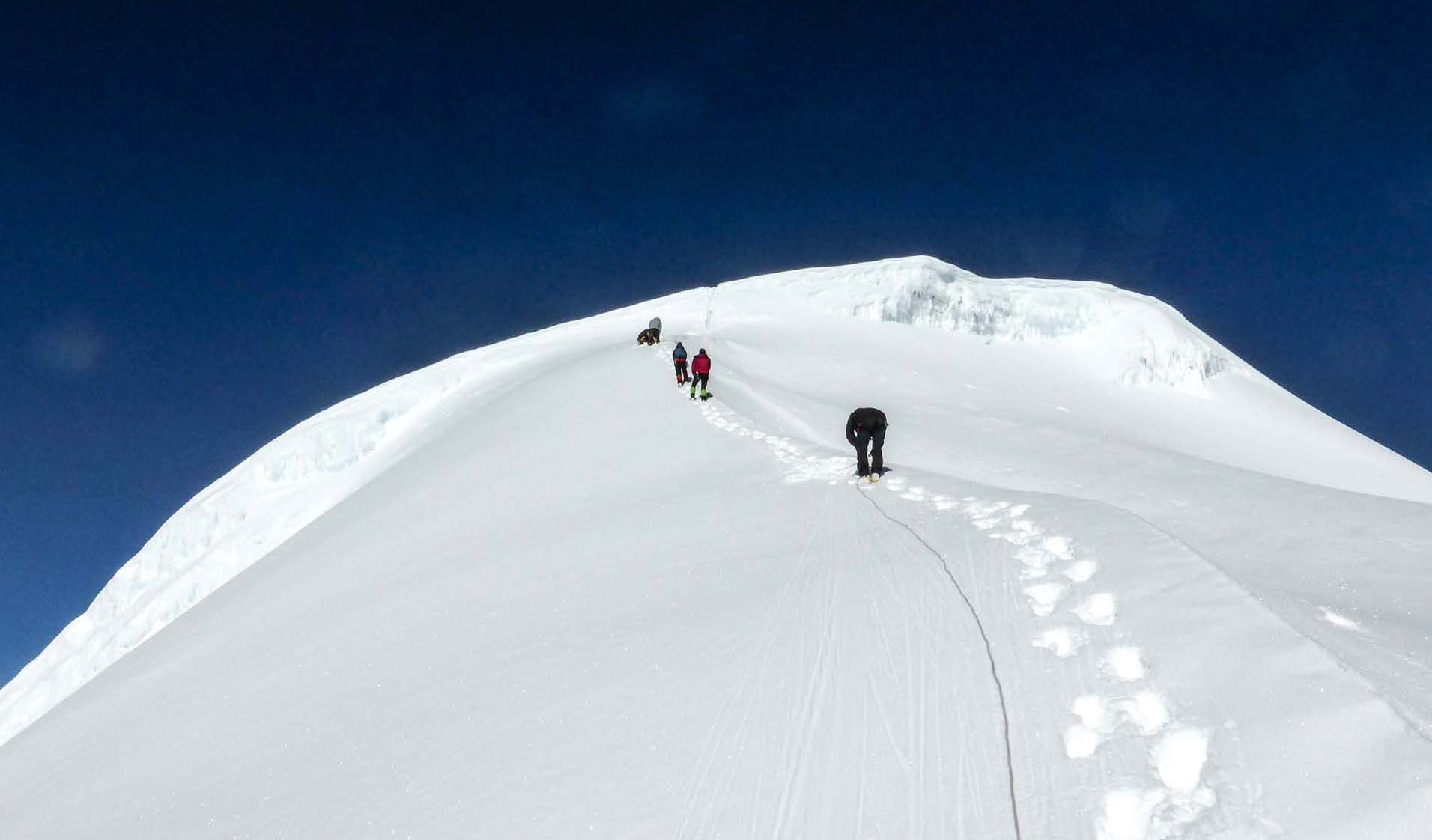
The Mera Peak Climbing from Khare is one of the most exciting adventures in Nepal. It takes you to the summit of Mera Peak at 6,476 meters. Mera Peak is the highest trekking peak in Nepal.
This adventure offers a perfect mix of trekking and climbing. You will explore remote Himalayan landscapes. You will also experience Sherpa culture and mountain life.
Moreover, the climb gives you a chance to stand above the clouds. From the summit, you can see some of the world’s highest mountains. The views include Everest, Lhotse, Makalu, Cho Oyu, and Kanchenjunga.
Mera Peak does not require advanced technical climbing skills. However, you need good fitness and strong determination. You also need proper acclimatization before reaching the summit.
Himalaya View Treks offers flexible Mera Peak climbing options. You can meet our climbing team at Khare. You can also hire a guide and porter from Lukla. Furthermore, you can choose our complete 14-day Mera Peak Climbing package.
Mera Peak Climbing from Khare
The Mera Peak Climbing from Khare package suits independent trekkers. It is perfect for those who arrange their own trek to Khare.
Once you reach Khare, our professional climbing team will welcome you. Our experienced Sherpa guides will prepare you for the climb.
Before the summit attempt, we provide essential climbing training. You will learn glacier techniques and rope skills. You will also practice using crampons and climbing equipment.
Our team checks all climbing equipment carefully. We also discuss the climbing plan and safety procedures.
After the preparation, we move toward Mera Base Camp. Then, we continue to High Camp before attempting the summit.
With proper preparation and experienced guides, Mera Peak becomes a rewarding Himalayan experience.
Meet Our Experienced Sherpa Climbing Team at Khare
Our climbing team has years of Himalayan experience. They understand high-altitude conditions and mountain challenges.
Therefore, they provide professional support throughout the climb. They guide you during glacier sections and difficult terrain.
Additionally, they help you maintain a safe climbing pace. They also monitor your health during the expedition.
A professional Sherpa guide increases your confidence. It also improves your chance of reaching the summit successfully.
Optional Guide and Porter Service from Lukla
Some travelers want support before reaching Khare. Therefore, Himalaya View Treks provides an optional guide and porter service from Lukla.
A local guide helps you follow the correct trail. They also help with accommodation and communication.
A porter carries your main luggage during the trek. This allows you to walk comfortably and enjoy the mountain scenery.
The Lukla guide and porter service includes:
- Experienced local trekking guide
- Reliable porter support
- Trail navigation assistance
- Tea house arrangement support
- Local cultural information
This option works well for travelers who want a customized trekking experience.
After you reach Khare, our climbing team takes care of the Mera Peak climbing section.
Full 14-Day Mera Peak Climbing Package
For travelers who want a complete adventure, we offer a 14-day Mera Peak Climbing package.
This package covers the entire journey from Lukla to the summit and back. Our team manages all important arrangements.
The package includes trekking support, climbing permits, accommodation, and climbing assistance.
You will travel with an experienced trekking guide and climbing Sherpa. We also arrange porter service for the trekking section.
Furthermore, we provide climbing training at Khare. This training helps you understand mountain safety and climbing techniques.
The 14-day package is ideal for climbers who prefer a stress-free Himalayan adventure.
Best Time for Mera Peak Climbing
The best seasons for Mera Peak Climbing are spring and autumn.
Spring lasts from March to May. During this period, the weather stays stable. The mountain views remain clear, and temperatures become comfortable.
Autumn runs from September to November. This season offers excellent visibility and perfect trekking conditions.
Moreover, autumn provides some of the best mountain views in Nepal.
Winter climbing is possible for experienced climbers. However, the cold temperatures create additional challenges.
The monsoon season brings rain and cloudy weather. Therefore, most climbers prefer spring and autumn.
Highlights of Mera Peak Climbing from Khare
Mera Peak Climbing offers many unforgettable moments.
The major highlights include:
- Climbing Nepal’s highest trekking peak
- Meeting an experienced Sherpa climbing team at Khare
- Learning glacier and rope techniques
- Enjoying panoramic Himalayan views
- Exploring the beautiful Hinku Valley
- Experiencing authentic Sherpa culture
- Walking through peaceful mountain landscapes
- Creating a lifetime summit memory
The summit provides a breathtaking view of five major Himalayan peaks above 8,000 meters.
Therefore, Mera Peak remains one of Nepal’s most rewarding climbing adventures.
How Difficult Is Mera Peak Climbing?
Mera Peak is a non-technical trekking peak. However, it still requires preparation and commitment.
The biggest challenges come from altitude and long trekking days. Climbers also need to manage cold temperatures and glacier sections.
You do not need previous professional climbing experience. However, you should have good physical fitness.
Regular walking, hiking, and endurance training help you prepare. Previous high-altitude trekking experience also provides an advantage.
Our guides provide training before the summit climb. Therefore, beginners with proper preparation can also attempt Mera Peak.
Combine Mera Peak with Everest Base Camp Trek
Many travelers combine Mera Peak Climbing with the Everest Base Camp Trek.
Everest Base Camp Trek is one of the most famous trekking adventures in the world. It takes you through the beautiful Khumbu region.
During the trek, you visit famous places like Namche Bazaar and Tengboche Monastery. You also experience traditional Sherpa villages.
The trail provides amazing views of Everest, Lhotse, Nuptse, and Ama Dablam.
Combining Everest Base Camp and Mera Peak creates a complete Himalayan journey.
You experience both cultural trekking and high-altitude climbing.
Island Peak and Lobuche Peak Climbing in the Everest Region
Himalaya View Treks also organizes Island Peak and Lobuche Peak Climbing.
Island Peak stands at 6,189 meters. It is one of the most popular climbing peaks in Nepal.
The climb offers glacier experience and exciting summit challenges. Many climbers combine Island Peak with Everest Base Camp Trek.
Lobuche Peak stands at 6,119 meters. It provides a more technical climbing experience.
The peak lies close to the Everest Base Camp route. Therefore, climbers enjoy incredible views of Everest and surrounding mountains.
These peaks create excellent options for adventure seekers who want more Himalayan climbing experience.
How to Book Mera Peak Climbing and Everest Region Trekking?
Booking your Himalayan adventure is simple.
First, choose your preferred package. You can select Mera Peak from Khare, the full 14-day package, or a combined adventure.
Next, contact Himalaya View Treks with your travel dates and experience details.
Our team will provide trip information, cost details, and preparation advice.
After confirmation, you can prepare your equipment and travel documents.
We recommend early booking during spring and autumn. These seasons have high demand among trekkers and climbers.
Choose Himalaya View Treks for Mera Peak Climbing
Himalaya View Treks provides professional Mera Peak climbing services in Nepal.
Our experienced guides focus on safety, comfort, and successful summit experiences.
Whether you meet our team at Khare, hire a guide from Lukla, or choose the complete package, we support your adventure.
We also organize Everest Base Camp Trek, Island Peak Climbing, Tent Peak and Lobuche Peak Climbing.
Join Himalaya View Treks and experience the unforgettable journey to the summit of Mera Peak.
Island Peak Climb After the Everest Base Camp Trek
For trekkers who want to extend their Himalayan adventure, the Island Peak Climb after the Everest Base Camp Trek is one of the most popular choices. After visiting Everest Base Camp and hiking to Kala Patthar, the trail leaves the main route and heads toward the scenic Imja Valley, passing through Dingboche before reaching Chhukung. From Chhukung, climbers continue to Island Peak Base Camp, where they prepare for the summit attempt.
At 6,189 meters, Island Peak is considered one of Nepal’s most rewarding trekking peaks. The climb combines high-altitude trekking with basic mountaineering techniques, including glacier travel, fixed rope climbing, and the use of crampons and an ice axe. Although previous climbing experience is helpful, the peak is suitable for fit trekkers with guidance from experienced climbing guides.
The summit offers unforgettable views of Everest, Lhotse, Nuptse, Ama Dablam, Baruntse, and Makalu, making every step worthwhile. Since the climb begins after completing the Everest Base Camp trek, it is an efficient way to experience both Nepal’s most famous trekking route and a true Himalayan summit in a single journey.
If you’re looking for an alternative to Mera Peak, Island Peak after the Everest Base Camp trek provides an excellent combination of adventure, technical climbing, and spectacular mountain scenery.
Lobuche Peak Climb from Lobuche After the Everest Base Camp Trek
The Lobuche Peak Climb from Lobuche is an ideal extension for trekkers who have completed the Everest Base Camp trek and want to experience a more technical Himalayan ascent. After returning from Everest Base Camp and Kala Patthar, climbers stay in the village of Lobuche before heading to Lobuche High Camp to prepare for summit day.
Rising to 6,119 meters, Lobuche East Peak is known for its exciting climbing route, which includes rocky ridges, glacier crossings, snow slopes, and fixed rope sections. While it is more technically demanding than Mera Peak, it remains a popular objective for trekkers seeking their first alpine climbing experience with the support of professional guides and proper climbing equipment.
The summit rewards climbers with breathtaking panoramic views of Mount Everest, Lhotse, Nuptse, Pumori, Ama Dablam, and many other Himalayan giants. Because the climb starts directly from Lobuche village, it fits naturally into the Everest Base Camp itinerary without requiring long detours or additional domestic flights.
For climbers comparing Nepal’s famous trekking peaks, Lobuche Peak from Lobuche offers an outstanding blend of high-altitude trekking, glacier climbing, and technical adventure. It is an excellent choice for those looking to build mountaineering skills while enjoying one of the world’s most iconic mountain landscapes.
Short Itinerary
Mera Peak Climbing From Khare - 2 Days Itinerary
Day 1: Meet with the guide in Khare and then Trek from Khare to Mera High Camp (5780m) Stay overnight at Tent
Day 2: Climb from High Camp to Summit Mera Peak (6461m) and then back to Khare,
Included
- Cook for High Camp
- North Face Tent Dinning Tent & Kitchen Tent.
- Utensils Provided
- Dinner,Lunch & Breakfast along with Hot water provided and other required items on request.
- Hot Drinking water for climbing period.
- Fix rope, main rope in case if you need it
- Mera Peak permit
- Climbing Sherpa wages and insurance.
Not Included
- Personal equipment charge US$50 per person.
- Rescue operation charge if encases.
- Tips for guide and porter.
Useful Info
Summit Day
Mera is the highest permitted peak in Nepal. It takes lots of days to even reach the base camp. Moreover, summit push starts from High Camp. There are many crevasses, few technical sections and steep inclined snowy sections too. You will have to use basic climbing equipment and gears to reach the summit. Even if the climbing of the peak is not tough, it is arduous as it is snow-capped mountain of Nepal.
Trail Length
The distance between base camp and Lukla is around 125 kilometers. It is the highest distance that you cover during the trek. There are many downhill, uphill, rugged trails and glacier walking. For any normal person, trekking that distance is not an easy activity. Long distance trekking can become tiring but end result is rewarding.
Altitude Sickness
Altitude sickness is the biggest factor in this trip. The maximum height on this trip is 6476m from sea level. Therefore, AMS can happen. Trip starts from Kathmandu which is at 1300 m. The change in altitude is the major cause of altitude sickness. Proper acclimatization is needed. Therefore, our itinerary focuses more on the client’s safety.
Weather & Climatic Conditions
Nepal’s mountain region has unpredictable weather and climatic conditions. Day temperature is normal but night hours are pretty freezing. Weather can change drastically in just an hour. Expect unexpected changes in climate and weather. However, the team will analyze the situation and only decide whether to push or not.
Climbing Preparation
The best way to prepare for the climbing is by doing cardiovascular workouts. These kinds of cardio exercises help to increase the lungs capacity. In order to climb the mountain, you need strong and healthy lungs.
Do some strength building training like planks, push-ups and squats. Cycling is also the best option to prepare your body for the climbing. Always start these activities 4-5 months before traveling to Nepal for climbing.
Gain some basic mountaineering knowledge. Our team will help you get familiarized with the climbing gears and climbing ideas. Also, follow the healthy dietary habit.
FAQs
-
Can I add Everest Base Camp Trek with Mera Peak Climbing?
Yes, you can add Everest Base Camp Trek in any trekking trips of the Everest region. EBC trek route is the focal point of Khumbu region. However, Mera Peak Climbing route is at an edge of Khumbu region. It is in completely different route from EBC trail. We trek the different route from Lukla.
-
What sort of accommodation is available during the expedition?
Accommodation during the trekking is in teahouses/lodges. However, in high camp during the summit push, you will have to use the tented accommodation.
-
What sort of food is available on Mera Peak Climbing?
You can get the food from the menu. The menu items range from Nepali to western styles.
-
Do I need prior climbing experience for Mera Peak?
You don’t need prior climbing experience to climb the Mera Peak. However, it is wise to know the basics and theoretical part of mountaineering as well as knowledge of gears.
-
Is it compulsory to have a climbing guide on Mera Peak Climbing?
Yes, it is mandatory to have a climbing guide on Mera Peak. In fact, every peaks of Nepal require you to hire a climbing guide otherwise you will not get the climbing permit.
-
Can I get porters to carry my load on Mera Peak Climbing?
Yes, you can get the porter to carry your load during the climbing as well as during the trek.
-
Do I need travel insurance for Mera Peak?
Travel insurance is mandatory. You must get the insurance which covers emergency helicopter rescue, accidents and medical aid.
-
How do you communicate during Mera Peak climbing?
In some sections of the trekking trail there are mobile networks. During the summit day we can communicate through satellite phone.
-
Can I hire climbing and trekking gear from Kathmandu?
Yes, you can hire personal equipment and gear in Kathmandu. However, overall gear and equipment needed for the crew members are included in the trip cost.
-
Can I Join Mera Peak Climbing from Khare not from Kathmandu
Yes, you can join Mera Peak Climbing from Khare too. All you have to do is trek to Khare and meet our Climbing team members.
-
What is the cost of Mera Peak Climbing from Khare?
The cost of Mera Peak Climbing from Khare is 660 $ per person. The package lasts for 2 days. It includes climbing guide, permit and 1 Nights tent accommodation with meals & drinks
Latest Traveller's Reviews
Travel experiences of our clients who recently returned from their trips.