Trip overview
Langtang Valley Trek Overview
The Langtang Valley Trek is a scenic Himalayan journey through Langtang National Park, located close to Kathmandu. The trek combines Tamang culture, traditional villages, and beautiful mountain scenery. If you are looking for the Langtang Valley Trek, the best seasons are spring (March to May) and autumn (September to November). During these times, the weather is generally stable and mountain views are clear. Our 10 Days Langtang Valley Trek in Nepal offers an extended itinerary with a comfortable return journey to Dhunche.
Located north of Kathmandu, the Langtang Valley is one of Nepal’s most accessible Himalayan trekking destinations. The trek offers an opportunity to experience Tibetan-influenced culture, traditional mountain villages, monasteries, forests, glaciers, and spectacular Himalayan scenery. Moreover, it is a great trek to experience both nature and local culture.
However, due to the recent flash flood and disaster in the Rasuwa region, the regular trekking route through Syabrubesi has been affected. Therefore, our current Langtang Valley Private Trek itinerary starts from Dhunche and also returns to Dhunche. In response, we have adjusted the itinerary to provide a practical alternative. This will remain while the affected infrastructure and trekking sections are being restored.
10 Days Langtang Valley Trek – Nature, Culture, and Himalayan Views
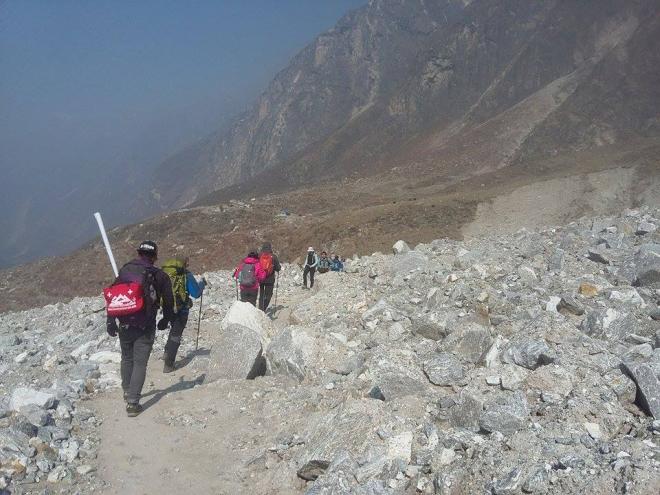
The current Langtang Valley Trek starts from Dhunche, a beautiful mountain town in the Rasuwa district of Nepal. Trekkers travel from Kathmandu to Dhunche by local bus or private vehicle before beginning the trekking journey. From Dhunche, the trail passes through beautiful forests, rivers, waterfalls, traditional villages, and Himalayan landscapes.
The trail offers a wonderful combination of natural and cultural attractions. Glacial rivers, waterfalls, lush forests, and mountain views are among the highlights of the journey. The forests of Langtang National Park provide habitat for red pandas and other Himalayan wildlife. Although wildlife sightings are rare, trekkers may be fortunate enough to see some of the region’s unique animals.
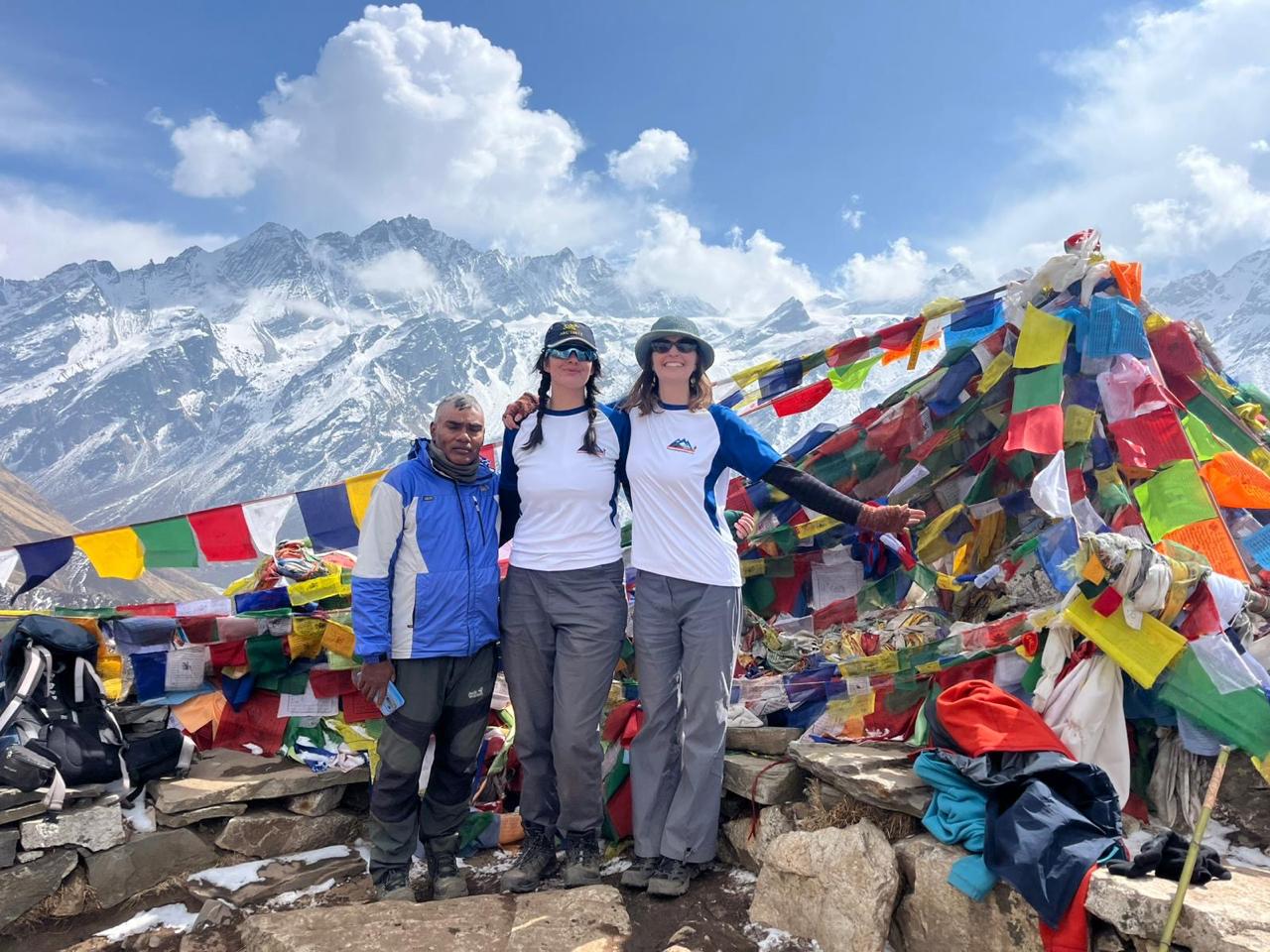
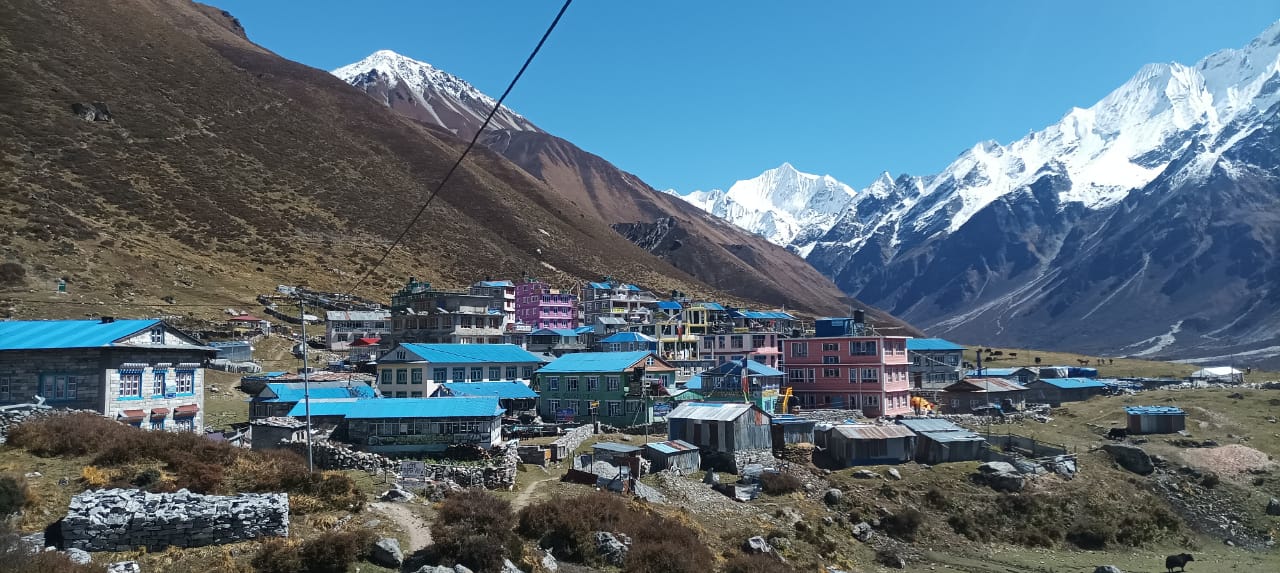
The trail continues toward Lama Hotel, followed by Langtang Village and Kyanjin Gompa, the final major settlement in the Langtang Valley. Along the way, mani walls, prayer flags, chortens, and Buddhist monuments reflect the strong Tibetan Buddhist influence of the local communities.
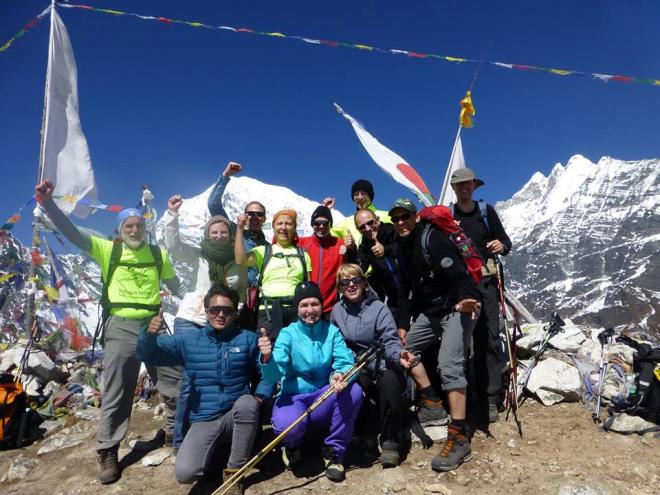
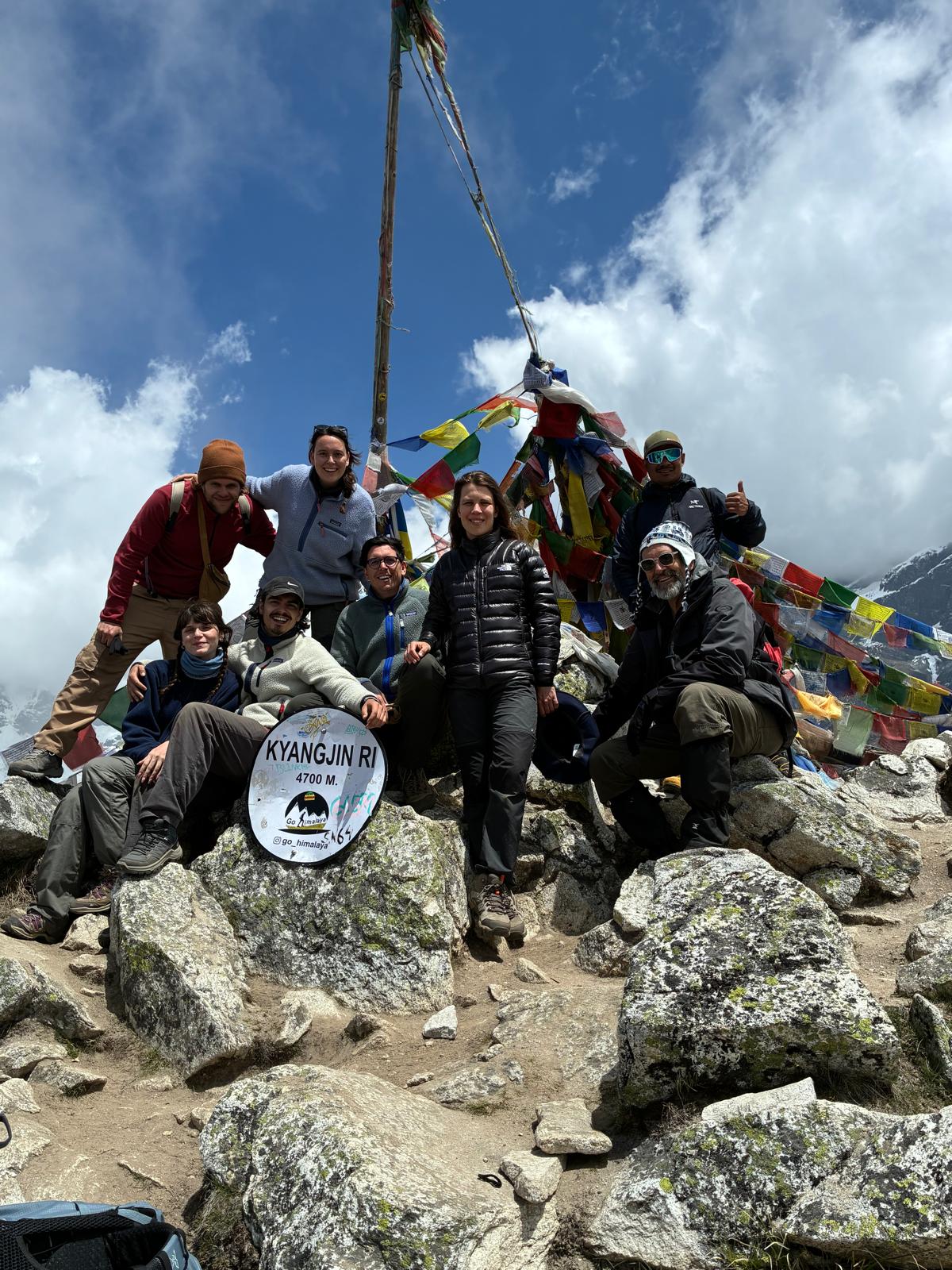
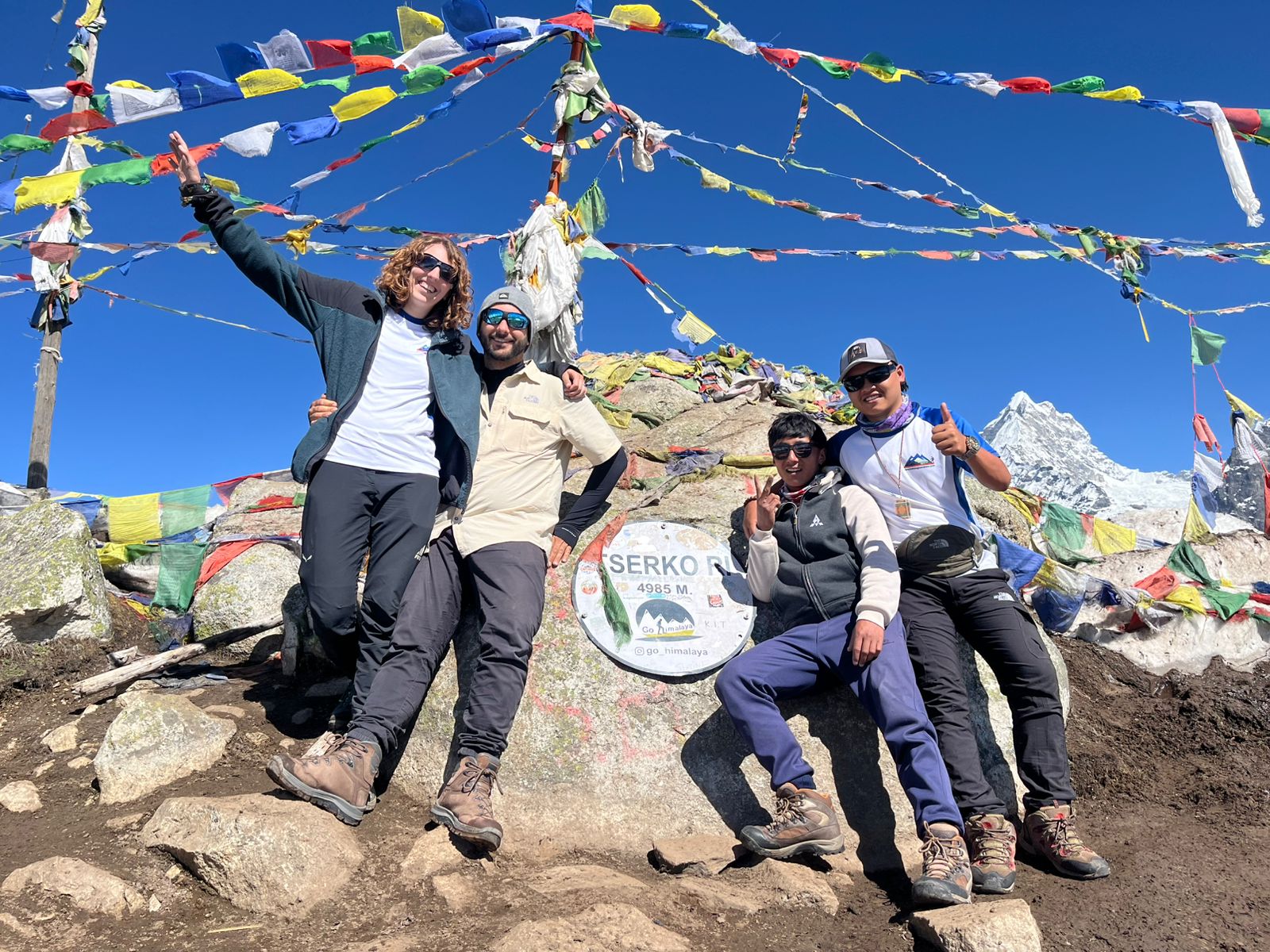
Kyanjin Gompa is one of the major highlights of the Langtang Valley Trek. Trekkers can explore the monastery and surrounding Himalayan landscape. In addition, you can take optional hikes to Kyanjin Ri (4773m) or Tserko Ri (5033m). From these viewpoints, you can enjoy spectacular views of Langtang Lirung, Dorje Lakpa, Shishapangma, Ganjala, and other Himalayan peaks.
After exploring Kyanjin Gompa and its surrounding viewpoints, trekkers retrace the trail toward Dhunche. The additional days in our current itinerary allow for a more practical return journey. This also helps avoid combining a long trekking day with the drive back to Kathmandu.
New Government Rule About Trekking Guide in Langtang
Nepal Government has introduced a rule requiring trekkers in several protected and trekking areas to travel with a licensed trekking guide. The geographical terrain, dense forests, wildlife areas, wilderness, and unpredictable weather conditions are important reasons for requiring professional trekking support.
For the Langtang Valley Trek, traveling with a licensed trekking guide is highly recommended for safety, navigation, local knowledge, and a better trekking experience. Our experienced local guides assist with the trekking route, accommodation, permits, transportation, and other necessary arrangements during the journey.
Kathmandu to Dhunche and Langtang Valley Trek Distance
The road journey from Kathmandu to Dhunche is approximately 130 kilometers. However, the actual travel distance and driving time can vary depending on road conditions and the selected route. Some sections of the road can be rough, particularly during or after periods of heavy rainfall and landslides. Therefore, trekkers should expect a long and sometimes bumpy drive.
The journey from Kathmandu to Dhunche offers beautiful views of Nepal’s hills, forests, rivers, waterfalls, villages, terraced farmland, and mountain landscapes.
The total trekking distance of the Langtang Valley Trek depends on the exact route and optional side trips. The distance can increase if you choose to hike to viewpoints such as Kyanjin Ri or Tserko Ri from Kyanjin Gompa.
Major Villages and Cultural Encounter in Langtang Nepal
People living in the Langtang Valley are mainly Tamang and other Himalayan communities with strong Tibetan Buddhist cultural influences. They have their own languages, traditions, customs, and lifestyles.
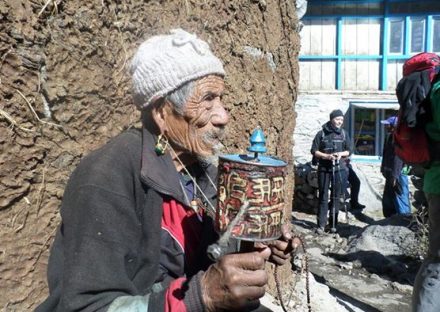
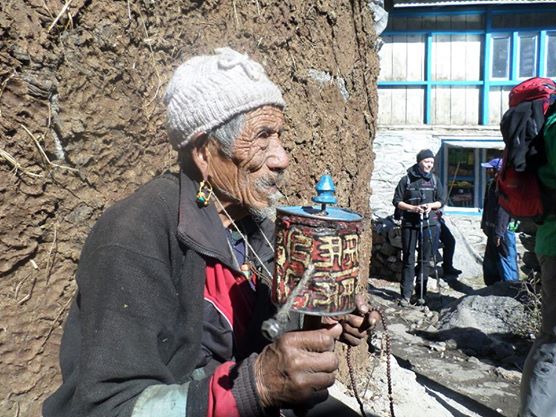
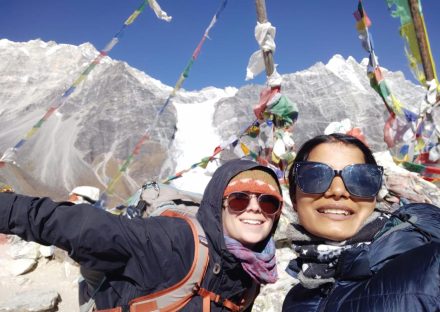
Along the trekking route, you can see chortens, Mani walls, Mani wheels, prayer flags, stupas, monasteries, and other Buddhist cultural features. The traditional houses and mountain villages also provide an opportunity to understand the local way of life.
Meeting local people and experiencing their traditions is one of the most memorable parts of the Langtang Valley Trek in Nepal.
How Difficult is the Langtang Valley Trek in Nepal?
The difficulty level of the Langtang Valley Trek in Nepal is comparatively moderate compared with many other high-altitude trekking routes in Nepal. However, trekkers should have a good level of physical fitness. They should also prepare properly before starting the journey.
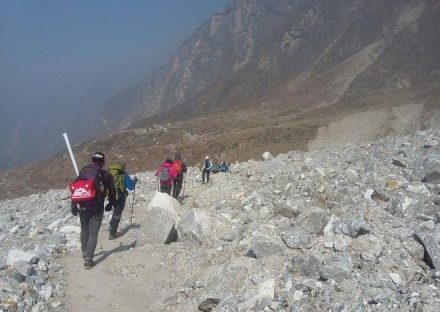
The average walking time is around 5 to 7 hours per day, depending on the trekking section. Some sections involve steep uphill and downhill walking through forests and mountain terrain. The optional hikes to Kyanjin Ri and Tserko Ri are more challenging because they reach higher elevations.
Proper acclimatization, comfortable trekking shoes, suitable clothing, sufficient hydration, and a steady walking pace are important for a safe and enjoyable trek.
Accommodation and Meals Post 2015 Earthquake
In 2015, the Langtang region suffered significant damage from the earthquake and the Langtang Lirung avalanche. Local communities worked hard to rebuild their homes, trails, teahouses, and tourism infrastructure.
Today, teahouses and lodges provide accommodation and meals along the established sections of the Langtang trekking route. The availability of facilities can vary depending on the current condition of the trail and local infrastructure.
We recommend carrying sufficient Nepalese cash because payment facilities can be limited in remote mountain areas.
Due to the recent Rasuwa flash flood, some infrastructure and access routes have been affected. Therefore, the current itinerary starts and ends in Dhunche, and the exact trekking and transportation arrangements may be adjusted according to the latest local road, trail, bridge, weather, and safety conditions.
Looking for a More Challenging Trek?
If you’re looking for a more challenging Himalayan adventure after the Langtang Valley Trek, Fifth Lake Trek or Gokyo Valley Trek is an excellent choice. Importantly, these spectacular routes take you through stunning high-altitude landscapes and offer breathtaking views of the Himalayas.
The Gokyo Valley Trek takes you to the beautiful Gokyo Lakes and offers panoramic mountain views from Gokyo Ri. It is ideal for trekkers seeking a challenging Himalayan experience, fewer crowds, and unforgettable mountain scenery.
Why Trek the Langtang Valley with Himalaya View Treks?
HIMALAYA View Treks is a government-registered local trekking company based in Nepal, dedicated to providing safe, authentic, and memorable Himalayan adventures. Our experienced team is committed to delivering personalized service and ensuring a successful trekking experience from arrival to departure.
You can easily contact our travel planners via WhatsApp before trek booking, during trip preparation, and throughout your trek for quick assistance and support.
- More than 35 licensed guides and trekking staff
- Experienced local Sherpa, Rai, Tamang, Gurung, and Magar team
- Government-registered trekking company in Nepal
- Complimentary airport pickup and drop-off service
- Licensed, experienced, and friendly local trekking guides
- 24/7 emergency support during the trek
- Well-trained guides with first aid and altitude awareness
- Staff insurance and fair wages for guides and porters
- Free duffel bag and HIMALAYA View Treks T-shirt
- Personalized service with small and private groups
- Trek on clients’ preferred dates
- Transparent pricing with no hidden costs
- Assistance with permits, transportation, and trekking logistics
- Personalized trip completion certificate with your name printed
- Excellent reviews from trekkers around the world
Join HIMALAYA View Treks and discover the beauty of the Langtang Valley Trek Nepal with a trusted local team that puts your safety, comfort, and satisfaction first.
Langtang Valley Trek Route Update
Before planning your trek, check the latest Langtang Valley Trek route update due to flash floods for information about current trail conditions and route changes.
Explore More Trekking Adventures
If you are interested in exploring the Everest region after the Langtang Valley Trek, compare Gokyo Ri vs Kala Patthar to discover the differences in scenery, altitude, and trekking experience.
For another adventure in the Everest region, consider the Fifth Lake Trek – 12 Days, which takes you through remote landscapes and spectacular Himalayan scenery.
What Our Trekkers Say
Planning the Langtang Valley Trek? Read our TripAdvisor reviews to see what previous trekkers say about our guides, support, and trekking experience in the Langtang region.
Short Itinerary
Langtang Trek Itinerary - 10 days
DAY 01: Drive Kathmandu to Dhunche (130 km | 6–7 hrs | 1,960 m)
DAY 02: Trek Dhunche to Thulo Syabru (11 km | 5–6 hrs | 2,230 m)
DAY 03: Trek Thulo Syabru to Lama Hotel (11 km | 5–6 hrs | 2,380 m)
DAY 04: Trek Lama Hotel to Langtang Village (14 km | 6–7 hrs | 3,430 m)
DAY 05: Trek Langtang Village to Kyanjin Gompa (7 km | 3–4 hrs | 3,870 m)
DAY 06: Acclimatization at Kyanjin Gompa / Hike Kyanjin Ri or Tserko Ri (4–6 hrs, | 3,870 m)
DAY 07: Trek Kyanjin Gompa to Lama Hotel (21 km | 6–7 hrs | 2,380 m)
DAY 08: Trek Lama Hotel to Thulo Syabru (11 km | 5–6 hrs | 2,230 m)
DAY 09: Trek Thulo Syabru to Dhunche (11 km | 5–6 hrs | 1,960 m)
DAY 10: Drive Dhunche to Kathmandu (130 km | 6–7 hrs | 1,400 m)
Detailed Itinerary
Day 01: Drive from Kathmandu to Dhunche
Drive from Kathmandu to Dhunche through scenic hills, rivers, and mountain settlements. The road follows the Trishuli Valley before reaching Dhunche, the gateway to the Langtang region.
Driving distance: 130 km | 6–7 hours | Dhunche: 1,960 m (6,430 ft)
Day 02: Dhunche to Thulo Syabru
Trek through forests and traditional mountain villages toward Thulo Syabru. Enjoy views of the surrounding hills and valleys as the trail gradually climbs.
Walking distance: 11 km | 5–6 hours | Thulo Syabru: 2,230 m (7,316 ft)
Day 03: Thulo Syabru to Lama Hotel
Continue through beautiful rhododendron and oak forests along the Langtang River. The trail passes through several small settlements before reaching Lama Hotel.
Walking distance: 11 km | 5–6 hours | Lama Hotel: 2,380 m (7,808 ft)
Day 04: Lama Hotel to Langtang Village
Trek through dense forests and follow the Langtang River toward the higher valley. The landscape opens up as you approach Langtang Village, with views of the surrounding mountains.
Walking distance: 14 km | 6–7 hours | Langtang Village: 3,430 m (11,253 ft)
Day 05: Langtang Village to Kyanjin Gompa
Continue through the beautiful upper Langtang Valley toward Kyanjin Gompa. Enjoy views of Langtang Lirung and other surrounding peaks as you reach the final village on the main trekking route.
Walking distance: 7 km | 3–4 hours | Kyanjin Gompa: 3,870 m (12,697 ft)
Day 06: Acclimatization Day at Kyanjin Gompa
Spend the day acclimatizing and exploring the beautiful surroundings of Kyanjin Gompa. Depending on weather and your fitness, hike to Kyanjin Ri or Tserko Ri for panoramic mountain views.
Hiking time: About 4–6 hours | Kyanjin Gompa: 3,870 m (12,697 ft)
Day 07: Kyanjin Gompa to Lama Hotel
Retrace the trail through the Langtang Valley and descend through forests and mountain villages. Follow the Langtang River as you return to Lama Hotel.
Walking distance: 21 km | 6–7 hours | Lama Hotel: 2,380 m (7,808 ft)
Day 08: Lama Hotel to Thulo Syabru
Continue downhill through the forest and follow the trail toward Thulo Syabru. Enjoy the peaceful surroundings and views of the green hills along the way.
Walking distance: 11 km | 5–6 hours | Thulo Syabru: 2,230 m (7,316 ft)
Day 09: Thulo Syabru to Dhunche
Trek through forests and traditional settlements as you descend toward Dhunche. This is the final walking day of the Langtang Valley Trek.
Walking distance: 11 km | 5–6 hours | Dhunche: 1,960 m (6,430 ft)
Day 10: Drive from Dhunche to Kathmandu
Drive from Dhunche to Kathmandu through the scenic Trishuli Valley. Enjoy the changing landscapes as you leave the mountains and return to Kathmandu.
Driving distance: 130 km | 6–7 hours | Kathmandu: 1,400 m (4,593 ft)
Included
- Kathmandu to Dhunche and Dunche to Kathmandu by Bus
- All meals (Breakfast, lunch, and dinner) during your Langtang Valley Trek with 9 night Teahouse/Lodge Accommodation
- Government licensed holder, fluent English Speaking, Langtang Familiar Himalaya view Treks guide, 1 assistant guide if Group sizes is more than 10 trekkers) one guide lead up to 10 trekkers
- Strong local porter service to carry trekkers’ luggage — one porter for every two trekkers. Porter service is not included for solo travellers and can be arranged at an additional cost upon request.
- Cost Includes Guides and porters meals, accommodation, Salary, insurance, transportation, and needed equipment for the Trekking
- Water purification drop or tablets for safe drinking water
- Langtang national park permit fee,
- Seasonal fresh fruits during the trek
- Local government, taxes, including official Service Charge
- Himalaya View treks T-shirt as a Souvenirs, and duffel bag if needed
Not Included
- Hotel accommodation and meals In Kathmandu
- Personal expense (shopping, snacks, boil bottle water, hot (tea, coffee) and cold drinks, hot shower, alcohol, Wi-Fi, telephone call, battery charge fee during the trek)
- Personal clothing and trekking gear
- Personal travel insurance including evacuation coverage (compulsory) up to 6000m)
- Additional costs if delays flights and outside the itinerary
- All the costs and expenses which are not mentioned in includes list
- Tips for guide and porters. in end of the treks
Useful Info
Langtang Valley Trek Key Highlights:
- Trek through the spectacular Langtang Valley with the support of our experienced guides, crew, and porters who are passionate about the Himalayas.
- Hike to Tserko Ri (5033m) for spectacular panoramic views of Langtang Lirung, Dorje Lakpa, Shishapangma, and the surrounding Himalayan peaks.
- Experience breathtaking Himalayan scenery, lush forests, waterfalls, rivers, glaciers, and traditional mountain villages.
- Explore the unique Tamang culture, Buddhist monasteries, prayer flags, Mani walls, and traditional villages of the Langtang region.
- Experience the warmth and hospitality of the Tamang and other local Himalayan communities while learning about their traditional lifestyles and culture.
- Enjoy a scenic journey between Kathmandu and Dhunche, the current roadhead for our Langtang Valley Trek itinerary.
- Trek through Langtang National Park, home to diverse Himalayan flora and fauna, including the elusive red panda.
Is Langtang Valley your ideal trek?
Trekking in the Langtang region is all about attitude. By its very nature, adventure travel involves being prepared for the unexpected. In remote mountain areas, weather, trail conditions, transportation, and local circumstances can sometimes affect the itinerary. Therefore, trekkers should remain flexible, positive, and ready to accept reasonable changes when necessary.
Our current 10 Days Langtang Valley Trek starts and ends in Dhunche due to the recent disaster and damage to infrastructure in the Rasuwa region. The itinerary has been adjusted to allow a more practical trekking and return journey while avoiding unnecessary long travel days.
To truly enjoy this trip, you should be comfortable walking for around 4-7 hours each day for several consecutive days, although some days may be longer. We encourage you to walk at a comfortable pace without rushing. You should have a reasonable level of physical fitness and be prepared for uphill and downhill walking at higher elevations.
The Langtang Valley Trek is a rewarding Himalayan adventure for both experienced trekkers and those with previous trekking experience who are properly prepared for the altitude and terrain.
General information important to this trip:
Difficulty levels
TREKKING AT HIGH ALTITUDES (over 3500m)
This trip includes trekking at elevations above 3500m, including the opportunity to hike to higher viewpoints such as Kyanjin Ri and Tserko Ri. Altitude requires careful acclimatization, a steady pace, adequate hydration, and attention to how you feel during the trek.
Trekkers should have a good level of physical fitness and prepare appropriately before starting the journey. Training with regular walking, hiking, cardiovascular exercise, and strength-building activities can help you prepare for the demands of the trek.
Altitude sickness is a risk for anyone traveling to high elevations, including during the Langtang Valley Trek. Please familiarize yourself with the common signs and symptoms before departure and communicate with your guide if you feel unwell during the trek.
We recommend consulting your physician before undertaking a high-altitude trek, particularly if you have any existing medical concerns.
Participating in a group trip
When you travel with a group, you will experience camaraderie and the fun of sharing your adventure with fellow trekkers. Your group members may come from different countries, cultures, and age groups, so we ask everyone to be understanding of different needs and preferences.
Patience and flexibility are important for a positive group experience. If you are asked to meet at a certain time, please be punctual so that the group can stay on schedule. Experience has taught us that the best trips are often those where everyone works together and maintains a friendly and respectful attitude.
For privacy reasons, we are unable to provide contact details or personal information about fellow travelers booked on your trip before departure.
TRAVELERS who prefer going SOLO:
Our group trips are generally planned for shared accommodation and do not normally include a single supplement. Single travelers may share accommodation with people of the same gender, depending on availability.
If you prefer private accommodation, you can request a single supplement where available. This applies primarily to accommodation during the trek. We can also arrange private trekking services for travelers who prefer to trek independently with their own guide and porter team.
Travel Insurance
When booking with Himalaya View Treks, it is a condition of joining any of our trips that all clients have comprehensive travel insurance covering medical expenses and emergencies that may occur during the trek. Your insurance should include emergency evacuation, including helicopter rescue where necessary, as well as medical treatment and hospitalization.
Please check your insurance policy carefully before traveling to Nepal to make sure it provides adequate coverage for high-altitude trekking.
Our Cost versus the Experience
At Himalaya View Treks, we always go the extra mile to ensure our trekking guests receive a safe, comfortable, and memorable experience. We provide transparent pricing and clearly explain what is included in the trek package so our clients can plan their journey with confidence.
Tipping [an expectation on such challenging trips]
Tipping is part of the tourism culture in Nepal. Although tipping is entirely at your discretion, it is commonly given to trekking guides, porters, and other staff in recognition of good service.
There is no fixed amount for tipping. The appropriate amount depends on the quality of service, the length of the trek, and your personal satisfaction.
For group trips, trekkers may contribute individually toward a group tip for the trekking staff. Your guide can provide general guidance about tipping practices during the trek.
Acute Mountain Sickness [AMS]
When we ascend above approximately 2500 meters, our bodies need time to adjust to the lower level of oxygen available at higher elevations. For this reason, our itineraries include gradual elevation gains and an acclimatization day at Kyanjin Gompa.
Common symptoms of altitude sickness may include:
- Headache
- Tiredness
- Dizziness
- Disturbed sleep
- Loss of appetite or nausea
- Shortness of breath during exertion
If you experience symptoms, inform your guide immediately. Your guide will monitor your condition and determine the safest course of action. Do not continue ascending if symptoms are getting worse.
The most important treatment for serious altitude sickness is to descend to a lower elevation. If necessary, our team will arrange appropriate emergency assistance and evacuation.
A Typical Day on the Langtang Valley Trek
A typical day on the trail begins with a wake-up call at around 6 AM from your guide. After freshening up and getting ready, you pack your belongings and have breakfast around 7 AM. You then check your luggage, fill your water bottle, and prepare to begin walking with your guide.
An early start helps you enjoy cooler temperatures and better mountain views. Along the trail, there will be short breaks to enjoy the scenery, take photographs, and rest. Lunch is usually served at a local teahouse around midday. After lunch and a short rest, you continue walking until you reach your overnight destination.
Upon reaching the teahouse, you can check in, relax, and enjoy tea or other refreshments. In the evening, trekkers can spend time in the communal dining area, exchange stories with fellow travelers, and enjoy dinner.
After dinner, your guide will brief you about the following day's trek, including the route, walking time, trail conditions, and planned destination. You can then prepare for a good night's rest.
On average, you may walk around 5 to 7 hours each day, depending on the itinerary and trail conditions. The journey includes several uphill and downhill sections, while the optional hikes to Kyanjin Ri and Tserko Ri require additional effort because of the higher altitude.
Equipment for Langtang Trek
This section provides general information about clothing and equipment requirements for the Langtang Valley Trek in Nepal. It is not intended to be a final or authoritative checklist. Personal preferences may vary, so you can contact us for additional advice before your trek.
You can contact us at singbir@yahoo.com or via WhatsApp at +9779841146306.
The following is a list of clothing and accessories that we recommend you take with you. This list is intended as a reminder of essential items for your comfort, safety, and convenience.
Footwear: Equipment List for Langtang Trek
- Walking boots with suitable ankle support that have been worn before the trek and are waterproof
- Trainer or casual shoes for trekking and traveling
- Warm socks for colder areas
- Gaiters in case of rain or snow
Legwear
- Loose, comfortable trousers for trekking
- Thermal leggings for colder areas
- Long skirt for women as an alternative to trousers
- Waterproof trousers
Body
- Selection of T-shirts and long-sleeved shirts, preferably not cotton
- Thermal shirt for colder areas
- Warm shirt or fleece for colder areas
- Fleece jacket or warm wool jumper
- Windproof and waterproof outer shell garment for higher altitudes
- Down jacket for cold nights and mornings
Head / Hands
- Wool or fleece hat, or balaclava
- Hat or cap for sun protection while trekking
- Sunglasses or goggles
- Warm gloves
Other Items
- Strong rucksack or large holdall to be carried by porters
- Day sack to be carried personally
- Plastic bags or stuff sacks to store and separate trekking gear inside your main bag
- One-liter water bottle
- Personal first-aid kit
- Sleeping bag suitable for cold conditions
- Torch, ideally a head torch
- Camera for photographs of the Himalayas
- Toiletries and towel
- Large handkerchief or bandana for your neck
Optional Items
- Binoculars
- Books
- Altimeter
- Compass
- Playing cards or other lightweight games
And Finally
The most important things you should take with you are a sense of humor, an open mind, patience, and an understanding that a trip to Nepal is an adventure in a land that may be very different from your own.
Langtang Trek Entrance Permit Fee
The Langtang National Park entrance fee is NPR 3,000 per person, including 13% VAT, for visitors from countries outside SAARC. Visitors from SAARC countries pay NPR 1,500, including 13% VAT.
Weather & Climatic Conditions
Nepal's mountain weather can be unpredictable, and conditions can change quickly. Daytime temperatures may be comfortable, while nights can become very cold at higher elevations. Rain, snow, wind, and changes in visibility can occur depending on the season and elevation.
Our trekking team monitors the weather and trail conditions throughout the journey. If conditions become unsafe, your guide and our team will make appropriate decisions regarding the trekking schedule and route.
Trekking Preparation
The best way to prepare for the Langtang Valley Trek is through regular cardiovascular and strength-building exercises. Walking, hiking, cycling, swimming, and other aerobic activities can help improve endurance.
You can also include strength exercises such as squats, lunges, planks, and other exercises that improve overall fitness. Regular hiking with a backpack before your trip is particularly useful preparation for trekking in the mountains.
We recommend beginning your preparation several weeks or months before traveling to Nepal, depending on your current fitness level and trekking experience.
Book your Langtang Valley Trek today and explore the stunning Himalayan landscapes, rich Tamang culture, peaceful mountain trails, and spectacular mountain views with experienced local guides from HIMALAYA View Treks. Enjoy a safe, authentic, and unforgettable trekking experience in the beautiful Langtang region.

FAQs
-
How difficult is the Langtang Valley Trek?
The Langtang Valley Trek is considered a moderate trek suitable for beginners with a reasonable level of fitness. Daily walking hours typically range from 5 to 7 hours.
-
How many days do I need for the Langtang Valley Trek?
The most popular itinerary is the 10-day Langtang Valley Trek, which allows enough time to explore Langtang Village and Kyanjin Gompa while enjoying the beautiful mountain scenery.
-
What is the best time for the Langtang Valley Trek?
The best seasons are spring (March to May) and autumn (September to November), when the weather is generally stable and mountain views are at their best.
-
What is the highest point of the Langtang Valley Trek?
The highest point is usually Kyanjin Ri at 4,773 meters (15,659 feet) or Tserko Ri at 4,984 meters (16,352 feet), depending on the itinerary.
-
Do I need a guide for the Langtang Valley Trek?
Yes. Foreign trekkers are required to trek with a licensed guide in Nepal’s trekking regions. A guide also enhances safety, navigation, and cultural understanding.
-
What permits are required for the Langtang Valley Trek?
You need a Langtang National Park Entry Permit and a TIMS (Trekkers’ Information Management System) card or any updated permit requirements as regulated by the Nepal government.
-
Is altitude sickness a concern on the Langtang Valley Trek?
Although the trek is lower than Everest Base Camp, altitude sickness can still occur above 3,000 meters. Proper acclimatization, hydration, and a gradual pace are recommended.
-
What accommodation is available during the trek?
Accommodation is provided in local teahouses and lodges along the route. Rooms are generally simple, comfortable, and offer basic facilities.
-
Can beginners do the Langtang Valley Trek?
Yes. The Langtang Valley Trek is one of Nepal’s best treks for beginners who are looking for a Himalayan trekking experience without extreme altitude.
-
How much does the Langtang Valley Trek cost?
The cost depends on group size, services included, season, and itinerary. Contact HIMALAYA View Treks for the latest package price and customized trekking options.
Latest Traveller's Reviews
Travel experiences of our clients who recently returned from their trips.