The Ultimate Manaslu Circuit and Tsum Valley Packing List
Trekking through the restricted borders of North-Central Nepal requires careful preparation. When you combine the sacred trails of Tsum Valley with the rugged high-altitude challenge of the Manaslu Circuit, your gear needs to handle everything from subtropical river valleys to freezing alpine passes.
Packing smart keeps you warm, safe, and comfortable. This comprehensive packing list covers every essential item you need for a successful 12-to-21-day Trekking in Manaslu Shum Valley.
Why Packing for Manaslu and Tsum Valley is Unique
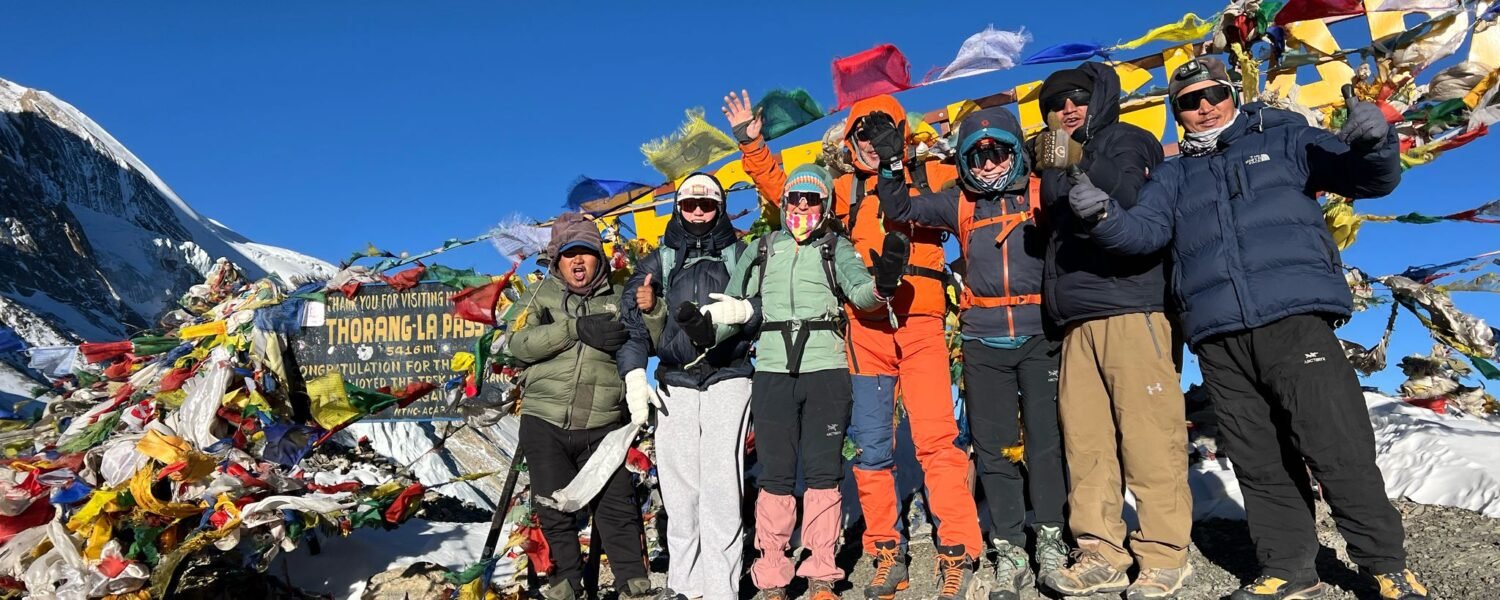
Unlike popular trails like Annapurna or Everest, the Manaslu region demands complete self-sufficiency. You will cross remote suspension bridges, navigate steep stone staircases, and ascend over the formidable Larkya La Pass at 5,106 meters.
Furthermore, venturing into the hidden sanctuary of Tsum Valley adds extra days at high altitudes where teahouse amenities become scarce. Your backpack must balance lightweight mobility with reliable cold-weather protection.
Luggage and Bags
Your luggage setup forms the foundation of your trekking logistics. Porters typically carry your main duffel, while you carry a smaller daypack. You can use Our Company Himalaya View Treks Duffel bag.
Large Duffel Bag (70L – 90L): Give this to your porter. Choose a waterproof or water-resistant material to protect your gear against mountain rain and snow.
Daypack (30L – 35L): Carry this yourself. It should feature a comfortable hip belt and a built-in rain cover. Pack your valuables, water bottles, extra layers, and first-aid kit inside.
Dry Bags or Packing Cubes: Organize your clothes by category and keep them bone-dry during afternoon mountain downpours.
Clothing Layers (The Three-Layer System)
Layering is the golden rule of Himalayan trekking. Weather conditions can change from blazing sunshine to freezing winds within a single hour.
Base Layers
Moisture-Wicking Thermal Tops (2 Pairs): Synthetic or merino wool shirts keep sweat away from your skin. Avoid cotton entirely.
Thermal Bottoms (2 Pairs): Wear these underneath your trekking pants during cold mornings and chilly alpine nights.
Underwear (5-6 Pairs): Quick-drying, breathable athletic underwear prevents chafing on long climbing days.
Mid Layers
Insulated Down Jacket: A high-quality 800-fill down jacket is non-negotiable for high-altitude camps like Sama Gaon, Samdo, and Dharmashala.
Fleece Jacket or Pullover: Perfect for active hiking when a heavy down jacket feels too warm.
Trekking Pants (2 Pairs): Durable, quick-drying hiking trousers. Convertible zip-off pants offer great versatility.
Outer Layers
Waterproof and Windproof Shell Jacket: Gore-Tex or equivalent breathable waterproof shells protect you against alpine gales and unexpected snowstorms.
Waterproof Rain Pants: Essential for monsoon shoulder seasons or sudden valley showers.
Footwear Essentials
Your feet carry you every step of the way. Blisters or cold toes can ruin an otherwise incredible journey.
Broken-In Trekking Boots: Choose sturdy, waterproof mid-cut boots with strong ankle support. Break them in thoroughly at home before your trip.
Teahouse Camp Shoes: Lightweight sandals, crocs, or sneakers give your feet a chance to breathe after a long day of hiking.
Merino Wool Trekking Socks (4-5 Pairs): Thick, cushioned wool socks keep your feet warm and minimize friction.
Liner Socks (2 Pairs): Worn beneath wool socks to wick moisture and prevent blisters.
Headwear, Handwear, and Accessories
Extremities lose heat fastest in thin mountain air. Protect your hands, face, and head with proper gear.
Warm Beanie or Wool Hat: Essential for cold mornings and freezing nights at higher elevations.
Sun Hat or Baseball Cap: Shields your face and eyes from intense UV rays at high altitudes.
Buff or Neck Gaiter: Protects your throat from cold drafts and filters out dry dust on lower trails.
Lightweight Liner Gloves: Great for crisp mornings when you need dexterity.
Insulated Waterproof Gloves: Crucial for crossing the snowy Larkya La Pass.
Sleeping Gear
While teahouses provide blankets, mountain blankets get heavy, bulky, and unreliable at freezing temperatures.
Four-Season Sleeping Bag: Look for a bag rated down to at least minus fifteen degrees Celsius
Sleeping Bag Liner: Adds an extra three to five degrees of warmth and keeps your sleeping bag clean.
Health, First Aid, and Personal Hygiene
Remote valleys mean limited medical facilities. Bring a robust personal medical kit tailored for high-altitude travel.
Altitude Sickness Medication: Consult your doctor regarding Diamox (Acetazolamide) for acclimatization support.
Blister Care Kit: Pack moleskin, blister plasters, and medical tape.
Basic Medications: Painkillers, ibuprofen, anti-diarrheal tablets, cold medicine, and rehydration salts.
Water Purification: Bring water purification tablets or a reliable UV purifier like a SteriPEN. Bottled water becomes expensive and creates plastic waste.
Personal Toiletries: Biodegradable wet wipes, hand sanitizer, high-SPF sunscreen, lip balm with UV protection, and a quick-dry travel towel.
Electronics and Navigation
Capturing memories and staying powered up requires careful planning because electricity in remote teahouses usually costs extra.
Headlamp with Extra Batteries: Essential for early morning pass-crossing starts and navigating dark teahouse hallways.
High-Capacity Power Bank: Cold temperatures drain phone and camera batteries rapidly. A 20,000mAh power bank keeps your devices charged.
Universal Plug Adapter: Nepalese teahouses primarily use round-pin or multi-standard outlets.
Offline Maps & Apps: Download maps and trail guides before leaving Kathmandu, as mobile network coverage drops completely past Jagat.
Permits and Paperwork Checklist
Because both the Manaslu Circuit and Tsum Valley lie within restricted border zones, independent trekking is prohibited. You must travel with a licensed guide and a registered agency.
Valid Passport & Visa: Ensure your passport has at least six months of validity remaining.
Passport-Sized Photographs: Bring multiple extra copies for your restricted area permits and TIMS cards.
Printed Insurance Details: Verify that your travel insurance policy explicitly covers emergency helicopter evacuation up to 6,000 meters.
Final Tips for Packing Light
Every extra kilogram matters when your porter climbs steep mountain passes. Lay out all your gear, evaluate each item honestly, and leave non-essentials back at your hotel in Kathmandu.
By packing strategically for both the cultural warmth of Tsum Valley and the rugged alpine grandeur of the Manaslu Circuit, you set yourself up for a safe, comfortable, and unforgettable Himalayan adventure!