Langtang Valley Private Trek

Langtang Valley Private Trek

Trip Duration
8 Days
Trip Grade
Moderate
Max. Altitude
5033 m.
Transportation
Drive
Destination
Langtang Region Trekking
Meals
Breakfast, Lunch, and Dinner
Accomodation
Hotel, Teahouse, Lodge
Season
Sep/Dec and Mar/May

Trip overview

Langtang Valley Private Trek – A Personalized Journey into Nepal’s Hidden Himalayas

The Langtang Valley Private Trek is one of Nepal’s most rewarding trekking adventures, offering breathtaking Himalayan scenery, rich Tamang culture, and a flexible itinerary designed around your travel preferences. Located just north of Kathmandu, the Langtang region provides an excellent alternative to the Everest and Annapurna regions for trekkers seeking fewer crowds and a more peaceful mountain experience.

A private trek allows you to travel at your own pace with a dedicated guide and porter, making it ideal for couples, families, solo travelers, and small groups. Whether you want extra acclimatization days, more time to explore villages, or a customized itinerary, a private trek gives you complete flexibility while ensuring a safe and comfortable journey.

The trail winds through beautiful forests, traditional mountain villages, alpine meadows, glaciers, and spectacular viewpoints before reaching the famous village of Kyanjin Gompa, surrounded by some of the highest peaks in the Langtang Himal.

Why Choose the Langtang Valley Private Trek?

Unlike fixed group departures, a private trek offers complete freedom to enjoy the mountains your way. You can choose your preferred departure date, walking pace, accommodation style, and itinerary length. Your guide focuses entirely on your group, allowing for a more personalized trekking experience.

Private trekking is especially suitable for photographers, families with children, honeymoon couples, and travelers who prefer a quieter and more flexible adventure. Your guide also shares local history, Buddhist traditions, wildlife knowledge, and cultural insights that make the journey even more meaningful.

Explore Langtang National Park

The Langtang Valley Trek takes place inside Langtang National Park, Nepal’s first Himalayan national park. Established to protect the unique landscapes and biodiversity of the Langtang region, the park stretches from subtropical forests to snow-covered Himalayan peaks.

The park is home to diverse wildlife, including the elusive Red Panda, Himalayan Black Bear, Musk Deer, Himalayan Tahr, Snow Leopard, and hundreds of bird species. During spring, forests burst into color as rhododendrons, magnolias, and wildflowers bloom across the hillsides.

As you ascend through the valley, you’ll pass dense forests of oak, bamboo, pine, and fir before reaching alpine grasslands and glacial landscapes. Every day offers changing scenery and incredible mountain views.

Langtang Village Before the 2015 Earthquake

Before the devastating earthquake of 2015,Langtang Village was one of Nepal’s most charming Himalayan settlements. The village was known for its traditional stone houses, welcoming tea houses, yak farms, and rich Tamang heritage.

Situated along the main trekking route, Langtang Village served as an important overnight stop for trekkers heading toward Kyanjin Gompa. Visitors enjoyed authentic local hospitality while experiencing centuries-old Buddhist traditions and mountain lifestyles.

The surrounding landscape featured lush forests, glaciers, and towering peaks, making the village one of the most scenic destinations in the Himalayas.

Langtang Village After the Earthquake

The massive earthquake of April 2015 triggered a catastrophic avalanche that buried much of Langtang Village beneath snow, rock, and ice. Many local families lost loved ones, homes, and businesses, making it one of the greatest tragedies in Nepal’s mountain communities.

Despite this heartbreaking event, the people of Langtang showed remarkable strength and determination. The village has since been rebuilt in a safer location near the original settlement. New tea houses, lodges, schools, and community buildings now welcome trekkers once again.

Today, visiting Langtang is not only an opportunity to witness spectacular Himalayan scenery but also to support the local community and experience the resilience of its people. Memorial sites along the trail remind visitors of the village’s history while celebrating its inspiring recovery.

Kyanjin Gompa – The Heart of Langtang Valley

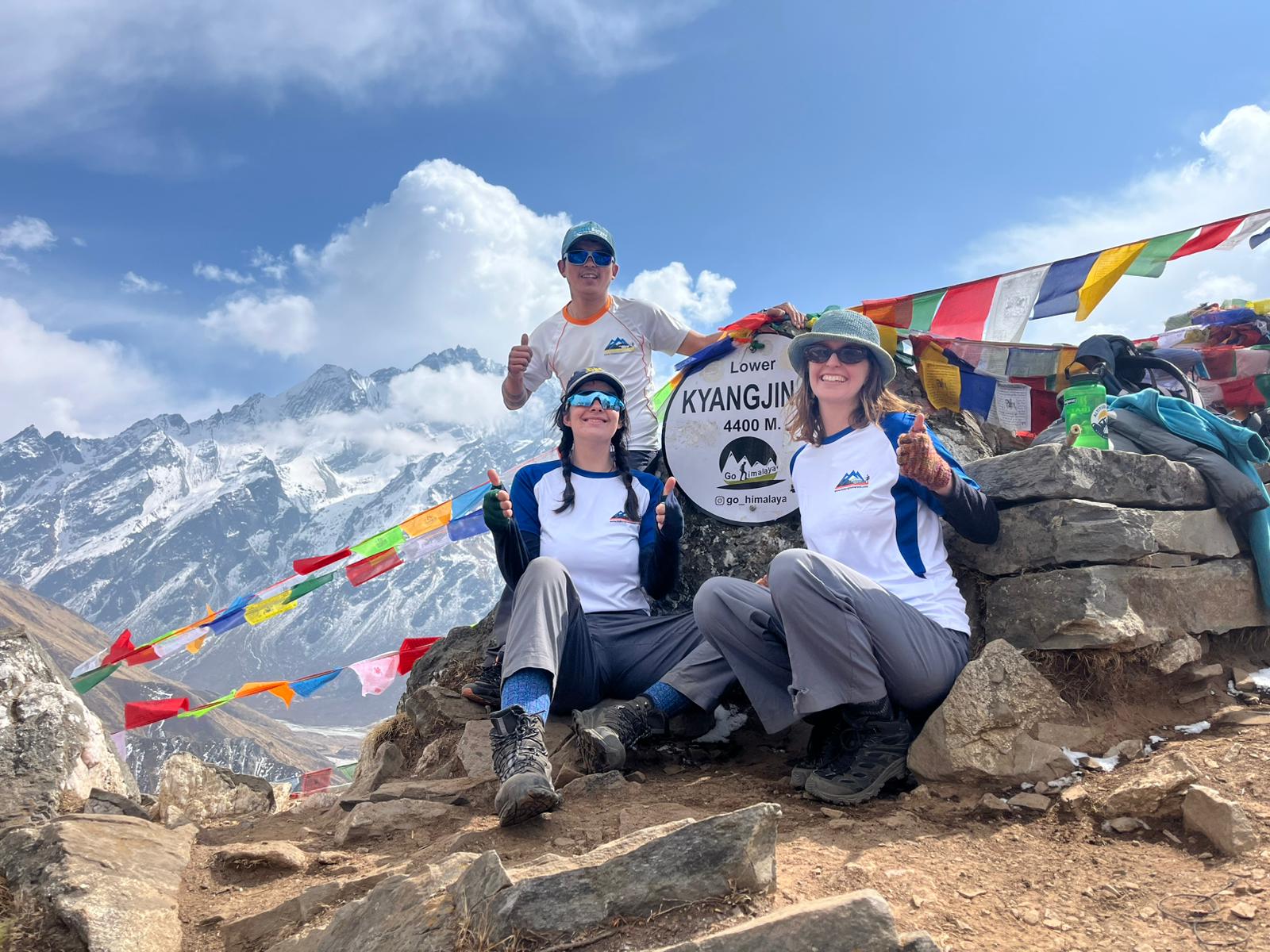
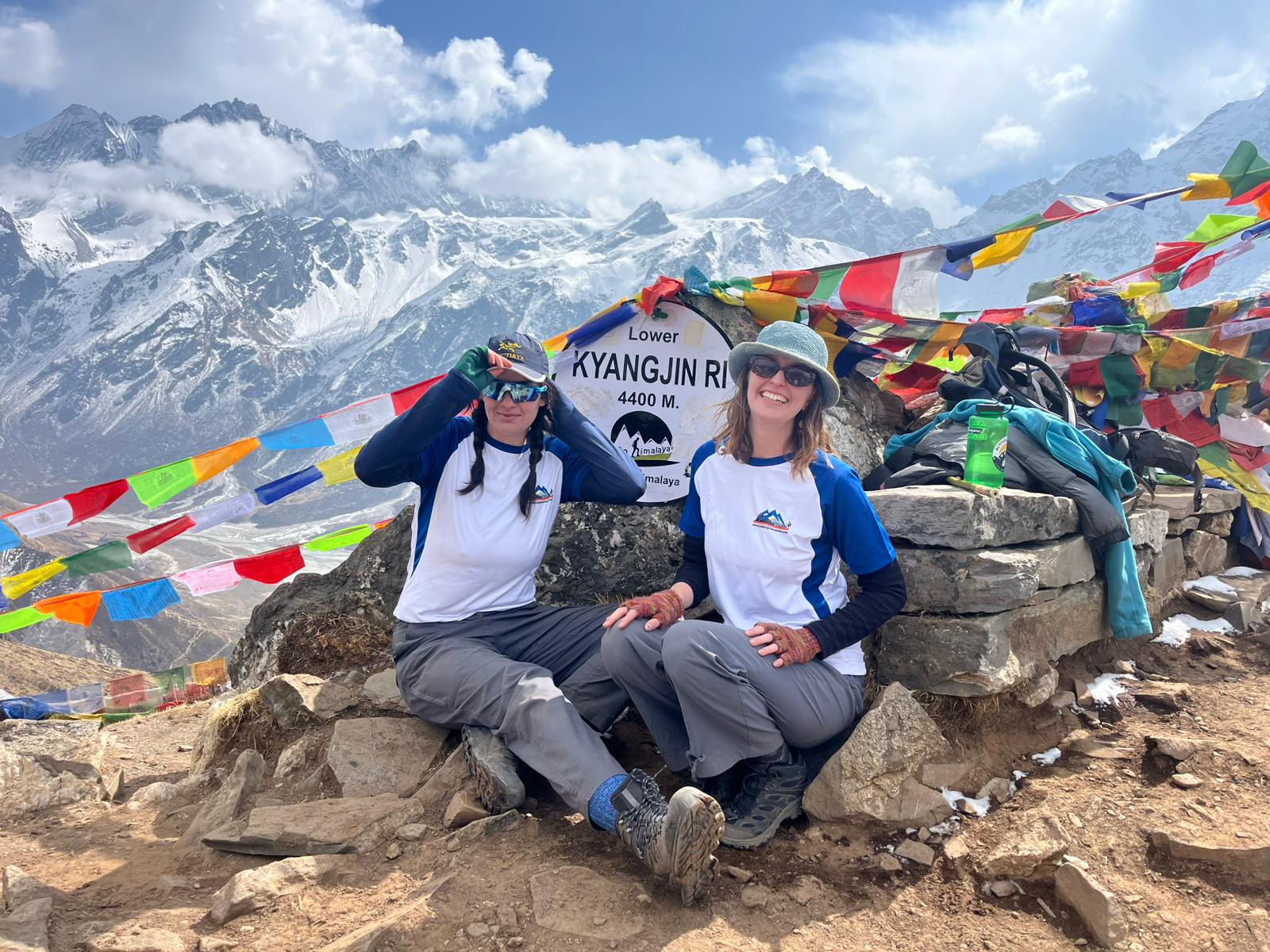
The highlight of the trek is Kyanjin Gompa (3,870 meters), a peaceful Himalayan village surrounded by glaciers and snow-covered mountains.

The village is famous for its centuries-old Buddhist monastery, traditional yak cheese factory, and incredible mountain views. Most trekkers spend an extra day here exploring nearby viewpoints.

Popular day hikes include:

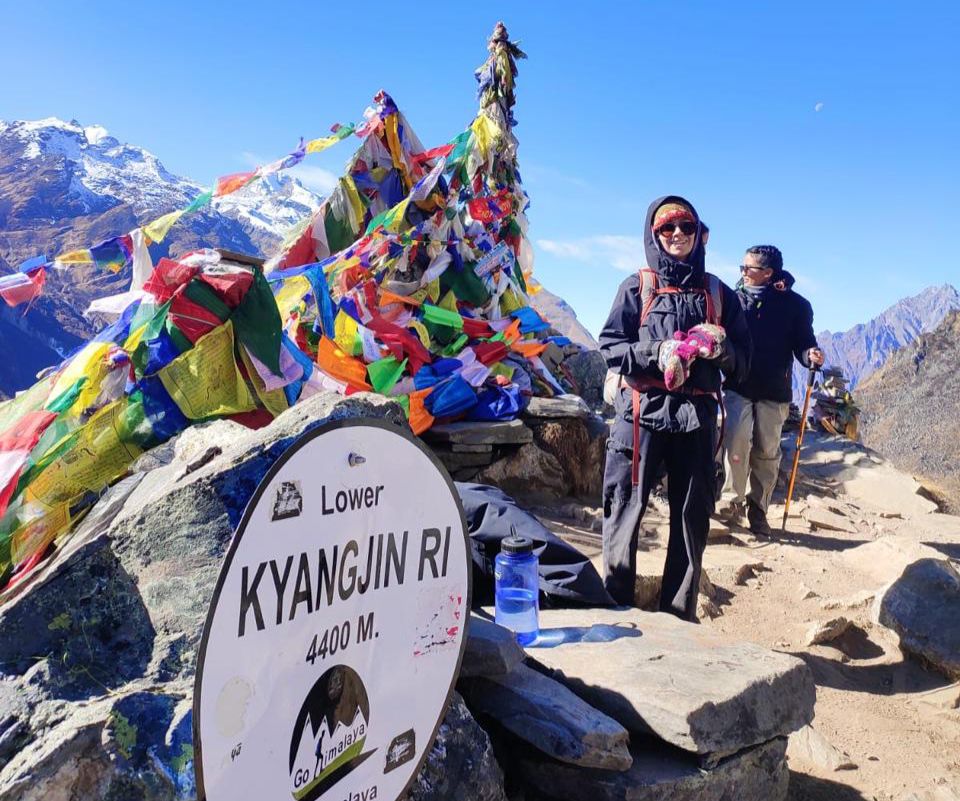
  • Kyanjin Ri
  • Tserko Ri
  • Langshisha Kharka
  • Langtang Glacier

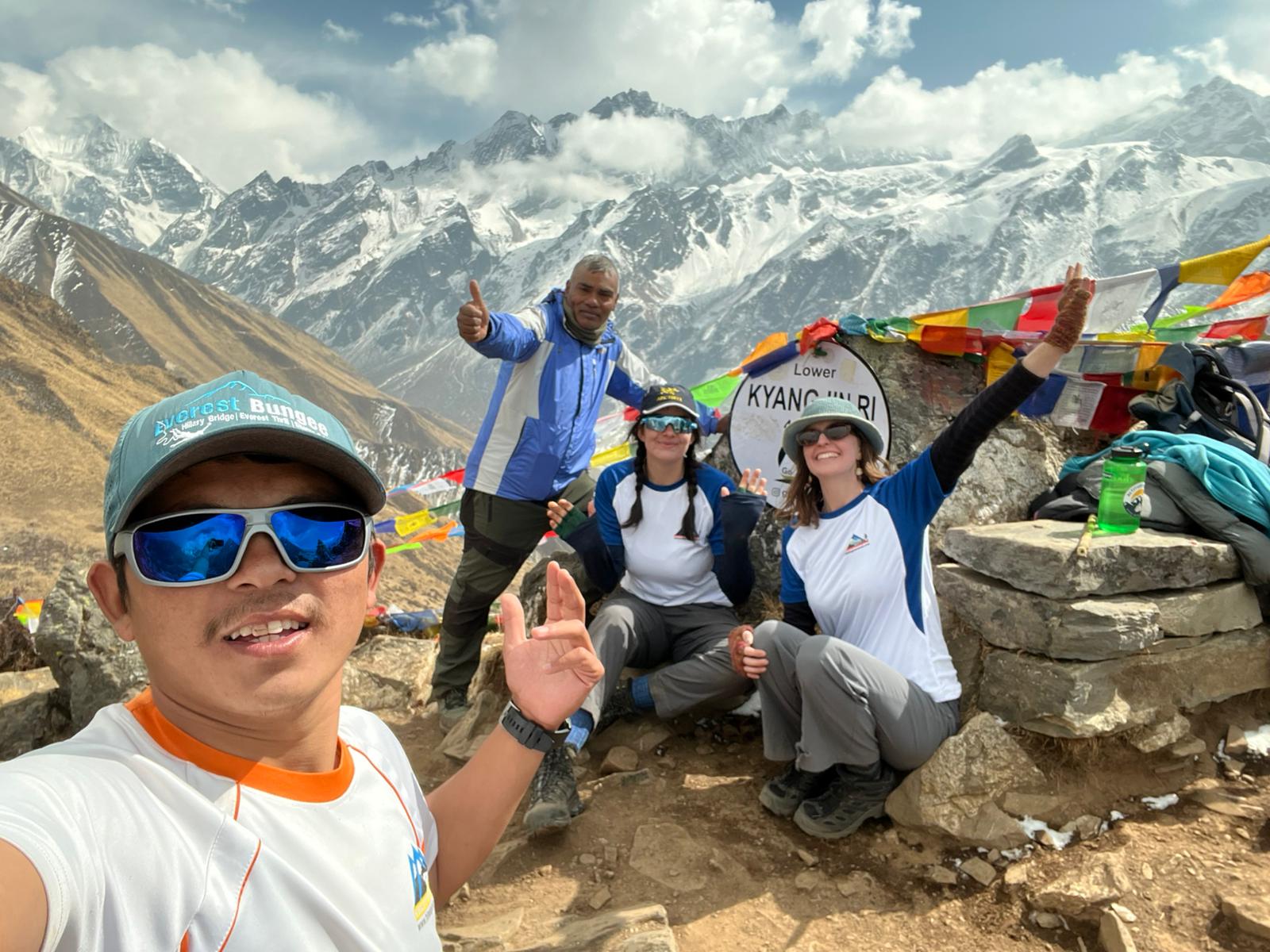
These viewpoints reward trekkers with panoramic views of Langtang Lirung (7,227 m), Dorje Lakpa, Gangchempo, Yala Peak, Naya Kanga, and countless surrounding Himalayan peaks.

Culture and Local Communities

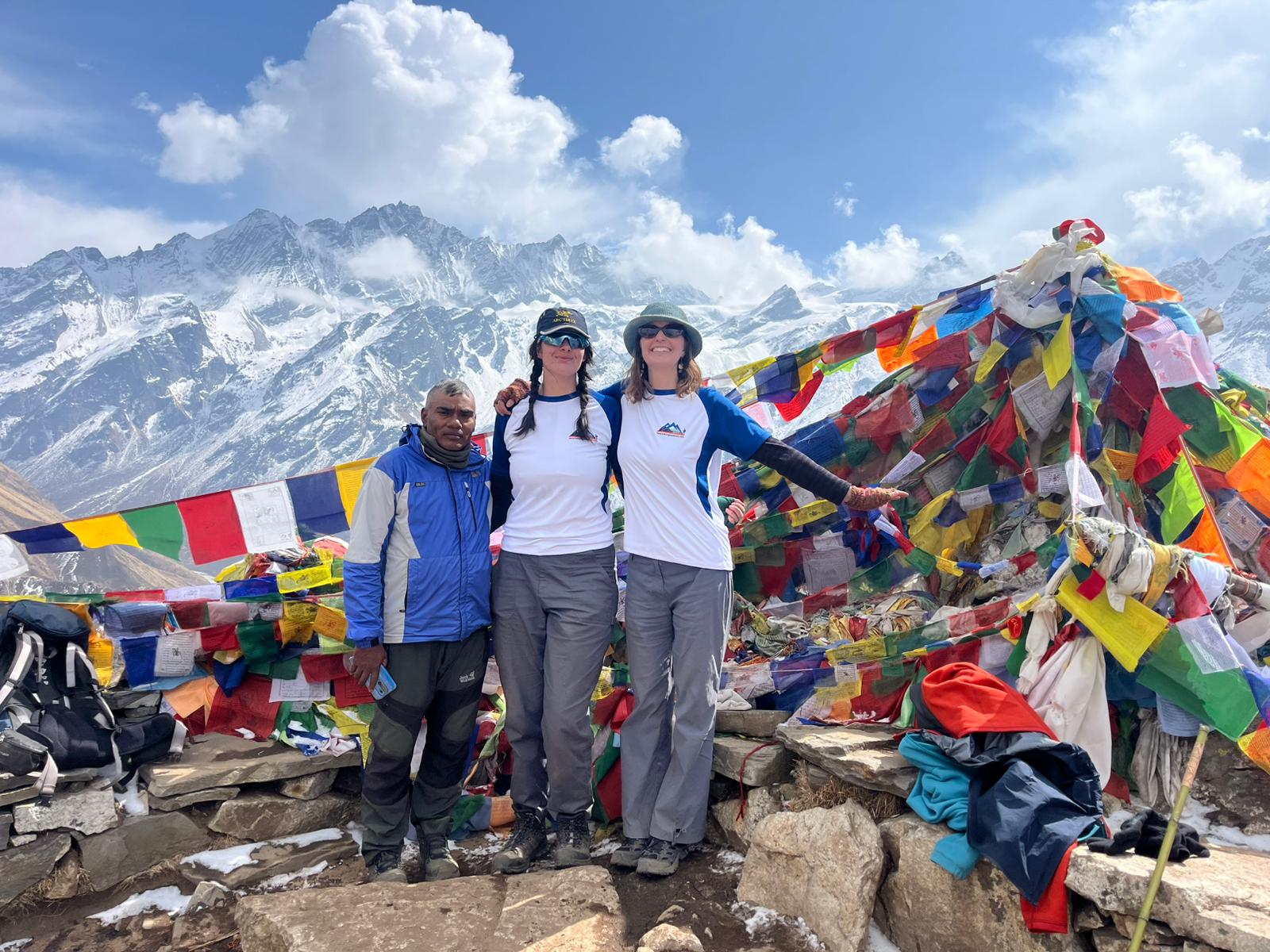
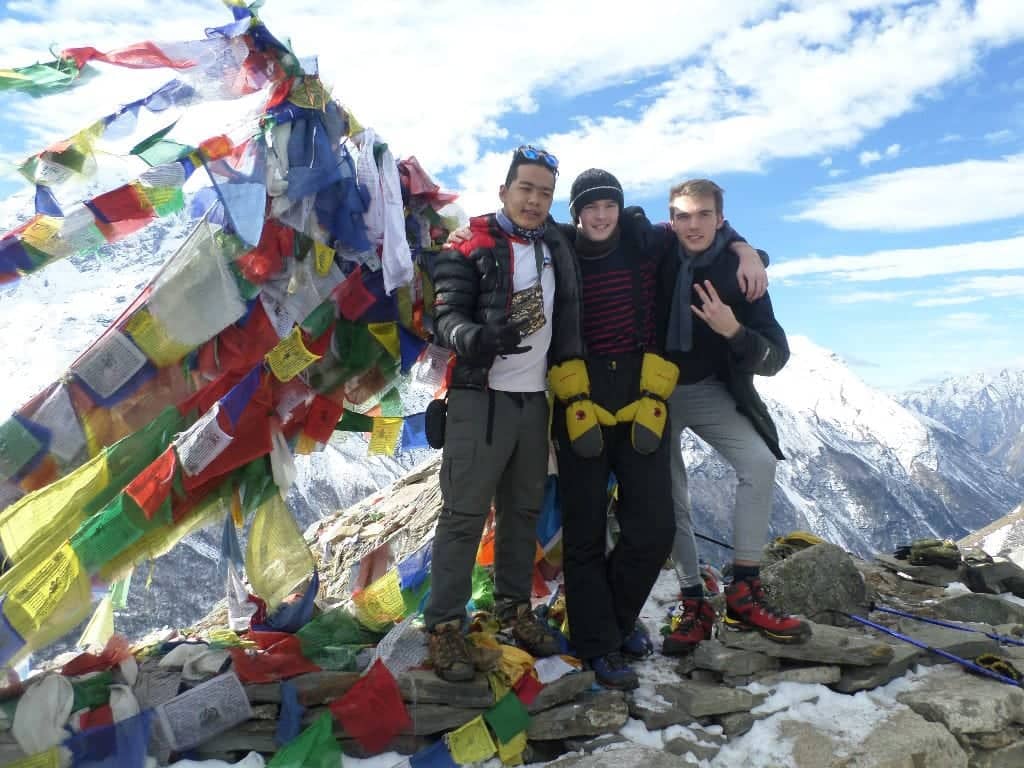
The Langtang region is home primarily to the Tamang people, whose traditions are closely connected with Tibetan Buddhism. Throughout the trek, you’ll encounter colorful prayer flags, ancient monasteries, chortens, mani walls, and beautifully carved prayer wheels.

Many families continue traditional lifestyles based on yak herding, farming, and tourism. Staying in locally owned tea houses allows visitors to enjoy homemade meals while supporting the mountain communities that depend on sustainable tourism.

The warmth and hospitality of the local people are among the most memorable parts of the Langtang Valley experience.

Best Season for the Langtang Valley Private Trek

The best time to enjoy the Langtang Valley Private Trek is during spring (March to May) and autumn (September to November).

Spring offers pleasant temperatures, blooming rhododendron forests, and excellent visibility. The hillsides become colorful, while clear skies provide outstanding mountain views.

Autumn is considered the peak trekking season because of its stable weather, comfortable temperatures, and crystal-clear Himalayan panoramas. Dry trails also make trekking easier and safer.

Winter is suitable for experienced trekkers who enjoy snowy landscapes and quieter trails. Although temperatures are colder, the mountain scenery is spectacular.

The monsoon season brings lush greenery but also frequent rainfall, muddy trails, and occasional landslides.

Langtang Valley Trek Guide

Hiring an experienced Langtang Valley trek guide greatly enhances your trekking experience. Your guide ensures safe navigation, monitors your health at higher elevations, and helps manage accommodation and daily logistics.

Local guides also provide fascinating insights into the region’s history, religion, culture, wildlife, and mountain traditions. Their knowledge transforms the trek into a much richer cultural experience while ensuring you remain safe throughout the journey.

Compare Langtang with Nepal’s Other Private Treks

Annapurna Base Camp Private Trek

The Annapurna Base Camp Private Trek takes you deep into the Annapurna Sanctuary, surrounded by towering Himalayan peaks including Annapurna I, Machhapuchhre, Annapurna South, and Hiunchuli. The trail passes through Gurung villages, terraced fields, bamboo forests, and beautiful rhododendron woodlands. It is ideal for trekkers seeking dramatic mountain scenery and diverse landscapes.

Everest Base Camp Private Trek

The Everest Base Camp Private Trek is Nepal’s most iconic trekking adventure. The journey passes through Namche Bazaar, Tengboche Monastery, and traditional Sherpa villages before reaching the foot of Mount Everest. Trekkers enjoy breathtaking views of Everest, Lhotse, Nuptse, Ama Dablam, and many other Himalayan giants while experiencing the unique Sherpa culture of the Khumbu region.

Manaslu Private Trek

The Manaslu Private Trek offers a remote and less-crowded Himalayan experience around the world’s eighth-highest mountain. This adventure crosses the spectacular Larke Pass (5,106 meters) while passing through isolated Tibetan-influenced villages, ancient monasteries, deep river valleys, and pristine alpine landscapes. It is an excellent choice for trekkers seeking wilderness and authentic cultural experiences.

Difficulty Level

The Langtang Valley Private Trek is considered moderately challenging and suitable for trekkers with average physical fitness.

Daily walks generally last between five and seven hours, with gradual altitude gain throughout the journey. Since the trek reaches approximately 3,870 meters at Kyanjin Gompa, the risk of altitude sickness is lower than on Everest Base Camp or the Annapurna Circuit. Nevertheless, proper acclimatization, steady walking, and adequate hydration remain essential.

Preparing with regular walking, hiking, or cardiovascular exercise before your trip will make the experience more enjoyable.

Why Choose HIMALAYA View Treks?

At HIMALAYA View Treks, we believe every traveler deserves a personalized Himalayan adventure. Our experienced local guides, flexible itineraries, professional support team, and commitment to safety ensure an unforgettable trekking experience from beginning to end.

We handle permits, transportation, accommodation, and logistics while providing exceptional service throughout your journey. Whether you choose the Langtang Valley, Everest Base Camp, Annapurna Base Camp, or Manaslu region, our goal is to create lifelong memories in the heart of the Himalayas.

Conclusion

The Langtang Valley Private Trek is a perfect combination of spectacular Himalayan scenery, authentic Tamang culture, remarkable wildlife, and inspiring history. From the forests of Langtang National Park to the rebuilt Langtang Village and the peaceful surroundings of Kyanjin Gompa, every step reveals the natural beauty and resilience of Nepal’s mountains.

If you are looking for a flexible, less-crowded, and culturally rich trekking experience, the Langtang Valley Private Trek is an outstanding choice. Combined with the expertise of HIMALAYA View Treks, this unforgettable journey offers the perfect opportunity to explore one of Nepal’s most beautiful Himalayan valleys while creating memories that will last a lifetime.

Short Itinerary

Langtang Valley Private Trek – 8 Days Itinerary

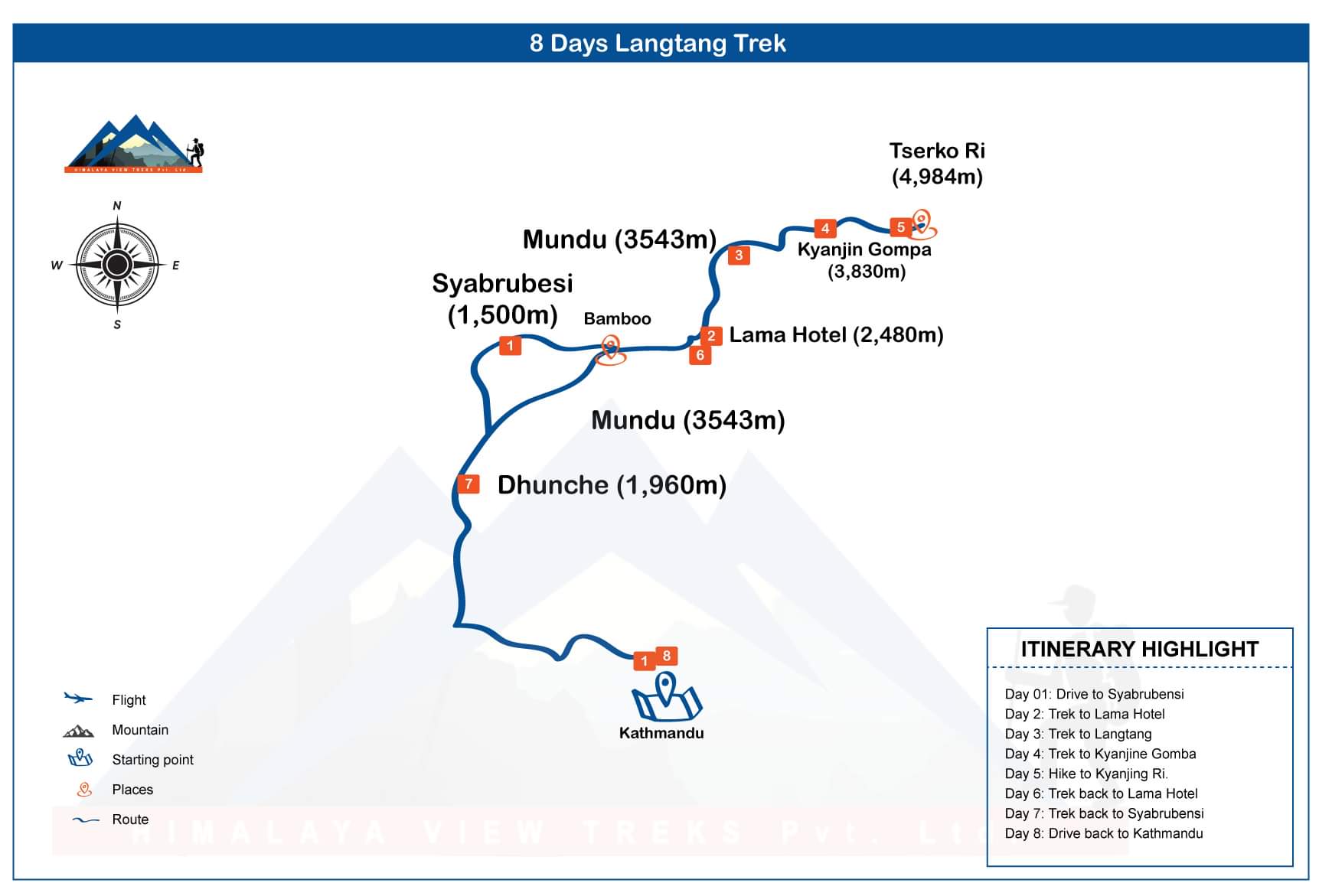
Day 01: Drive from Kathmandu to Syabrubesi (1,550m) – 7 to 8 hours

Day 02: Trek from Syabrubesi to Lama Hotel (2,380m) – 6 hours

Day 03: Lama Hotel to Langtang Village (3,430m) – 6 to 7 hours

Day 04: Langtang Village to Kyanjin Gompa (3,870m) – 4 hours

Day 05: Acclimatization and Side Hikes – Kyanjin Ri (4,773m) or Tserko Ri (5,000m)

Day 06: Kyanjin Gompa to Lama Hotel (2,380m) – 6 to 7 hours

Day 07: Lama Hotel to Syabrubesi (1,550m) – 5 to 6 hours

Day 08: Drive from Syabrubesi to Kathmandu – 7 to 8 hours

Included

  • Airport pick-up and drop-off service in private vehicle
  • Kathmandu to Syabrubesi and Syabrubesi to Kathmandu by Sharing Jeep or Bus.
  • Necessary trekking permits: Langtang National Park Entry Permit & TIMS Card
  • Experienced English-speaking licensed trekking guide
  • Porter service (1 porter for every 2 trekkers) to carry luggage
  • 7 night accommodation during the trek in teahouses/lodges (twin sharing basis)
  • Three meals per day during the trek (breakfast, lunch, and dinner)
  • Salary, food, accommodation, insurance, and equipment for guide and porter
  • Himalaya View treks T-shirt as a Souvenirs, and duffel bag if needed
  • First aid kit carried by the guide
  • All government taxes and service charges

Not Included

  • International airfare to/from Nepal
  • Nepal entry visa fee (obtainable on arrival at Kathmandu airport)
  • Meals and accommodation in Kathmandu (before/after trek)
  • Personal trekking gear (sleeping bag, down jacket, boots – can be rented in Kathmandu)
  • Extra snacks, bottled drinks, hot / cold, and alcoholic beverages on the trek
  • Hot showers, Wi-Fi, and charging facilities in teahouses (extra charge)
  • Travel insurance (must include high-altitude trekking & helicopter evacuation)
  • Tips for guide and porter in end of the trip, highly suggested

Useful Info

Classic Langtang Valley Trek Useful Information 

Best Season to Trek Langtang Valley

The best time for the Langtang Valley Trek is during spring (March–May) and autumn (September–November). These seasons offer clear skies, stable weather, and breathtaking mountain views. Winter (December–February) is also possible, though colder, while summer/monsoon (June–August) brings rain and leeches but is rich in greenery.

Langtang Valley Trek Difficulty & Fitness

The Langtang trek is moderate in difficulty. Daily walking hours are about 5–7 hours on mountain trails. A reasonable level of fitness is recommended, but you don’t need previous high-altitude trekking experience. A personal guide will help you set a comfortable pace.

Altitude Sickness

The highest point is Tserko Ri (5,000m), usually done as a side hike. Acclimatization at Kyanjin Gompa helps reduce the risk of altitude sickness. Your guide is trained in altitude awareness and will monitor your health throughout the trek.

Accommodation & Meals

Accommodation is in teahouses (mountain lodges) run by local families. Rooms are simple but cozy, usually with twin beds. Meals are served in teahouse dining rooms, offering Nepali, Tibetan, and some Western dishes. Popular choices include dal bhat, momos, noodles, and soups.

Expert Guide & Porter for Langtang Valley Trek

Hiring a personal trekking guide enriches your experience with cultural insights and ensures safety. You can also hire a porter to carry your main bag, so you only walk with a light daypack.

Transportation

The trek starts with a drive from Kathmandu to Syabrubesi (approx. 7–8 hours) by private jeep or local bus. After completing the trek, you return the same way.

Entry Permits Required for Langtang National Park

Two permits are required for the Langtang Valley Trek:
•TIMS Card (Trekkers Information Management System)
•Langtang National Park Entry Permit
Once you confirmed the trip with us, we make ready before you arrive in Nepal.

Packing List Essentials

•Warm clothing (down jacket, fleece, thermal layers)
•Trekking boots and comfortable walking shoes
•Sleeping bag (or you can rent in Kathmandu)
•Reusable water bottle & purification tablets
•Sunscreen, sunglasses, hat, gloves
•Personal medicines & first aid kit

Internet & Electricity

Wi-Fi is available in some villages (small extra cost), and teahouses provide charging facilities for phones and cameras (usually for a small fee). Electricity comes from solar power in higher areas, so charging might be limited during the Langtang trek.

Insurance For Langtang  Valley Trek

Travel insurance with trekking and high-altitude coverage is highly recommended. It should cover medical emergencies, helicopter evacuation, and trip cancellations.

Trip Map

× Popup Image

FAQs

  • How long is the Langtang Valley Trek?

    The classic Langtang Valley Trek takes 8 days from Kathmandu and back. However, the trek can be shortened to 7 days or extended with side trips to suit your time and fitness.

  • Do I need a guide for the Langtang Valley Trek?

    Yes, a personal trekking guide is highly recommended for safety, cultural insights, and navigation. Guides also help arrange accommodations, meals, and permits, making your trek hassle-free.

  • What permits are required for the Langtang trek?

    You will need: Langtang National Park Entry Permit and TIMS Card (Trekkers Information Management System) These can be arranged by your trekking agency in Kathmandu.

  • What is the maximum altitude of the trek?

    The highest point is Tserko Ri at 5,000m, usually done as a side hike from Kyanjin Gompa (3,870m). The trek itself is considered moderate in altitude compared to Everest or Annapurna.

  • Is Langtang Valley Trek difficult?

    The trek is moderate difficulty. Daily walking involves 5-7 hours on mountain trails with gradual ascents. No technical climbing skills are required, but good fitness helps.

  • What kind of accommodation is available?

    You will stay in teahouses (mountain lodges) along the route. Rooms are basic but comfortable, with shared bathrooms. Meals are served in cozy dining halls, usually by the family who runs the lodge.

  • What food is available on the trek?

    Teahouses serve a mix of Nepali, Tibetan, and international dishes. Popular meals include dal bhat (rice with lentils and curry), noodles, fried rice, soups, and MoMos. Vegetarian options are widely available.

  • When is the best time to do the Langtang Valley Trek?

    The best seasons are spring (March–May) and autumn (September–November) for clear skies, stable weather, and stunning mountain views. Winter is possible but colder, while summer/monsoon brings heavy rain.

  • Can I do this trek if I have never trekked before?

    Yes. The Langtang trek is suitable for beginners, provided you have basic fitness. Your personal guide will adjust the pace to your ability and ensure safe acclimatization.

  • Is travel insurance required?

    Yes, you should have travel insurance covering trekking up to 5,000m and emergency helicopter evacuation in case of altitude sickness or injury.

Latest Traveller's Reviews

Travel experiences of our clients who recently returned from their trips.

Quick Enquiry


Ajax Loader