
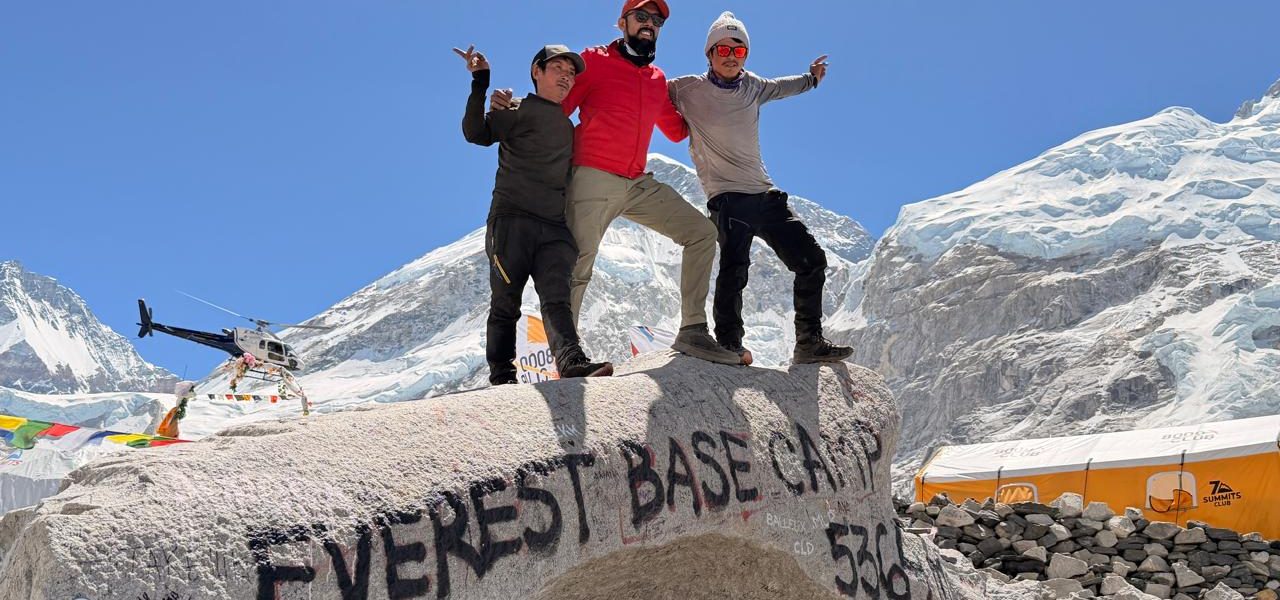
Everest Base Camp Trekking 2026 and Annapurna Base Camp Trekking 2026: Once-in-a-Lifetime Himalayan Adventures
Nepal is home to some of the world’s most spectacular trekking routes, and the Everest Base Camp (EBC) Trek and Annapurna Base Camp (ABC) Trek are two of the country’s most iconic Himalayan adventures. Both journeys offer breathtaking mountain scenery, fascinating local cultures, traditional villages, comfortable teahouse accommodation, and unforgettable experiences at high altitude. If you’re considering an adventure, Everest Base Camp Trekking 2026 is set to be an exceptional opportunity to experience these wonders.
Whether you dream of standing beneath Mount Everest or surrounded by the magnificent Annapurna massif, these treks offer an opportunity to experience the natural and cultural beauty of the Nepal Himalayas.
Everest Base Camp Trekking 2026: A Journey to the Foot of Everest
The Everest Base Camp Trek is one of the world’s most famous trekking adventures. The classic route generally begins at Lukla and follows the Dudh Koshi Valley toward Namche Bazaar before continuing through Tengboche, Dingboche, Lobuche, Gorak Shep, and finally Everest Base Camp.
Reaching Everest Base Camp at approximately 5,364 meters is undoubtedly one of the highlights of the journey. From Gorak Shep, trekkers make their way toward the Khumbu Glacier and the legendary base camp used by mountaineers preparing to climb Mount Everest. The Nepal Tourism Board describes the classic Everest Base Camp journey as roughly a two-week trek from Lukla, with acclimatization stops along the route.
Another major highlight is Kala Patthar, a popular viewpoint above Gorak Shep. The summit provides spectacular views of Mount Everest, Nuptse, Lhotse, Pumori, and the surrounding Himalayan peaks.
The Everest region is about much more than mountains. Along the trail, trekkers pass through Sherpa communities and visit important Buddhist cultural sites, including monasteries such as Tengboche Monastery. The journey provides an opportunity to experience the traditions, hospitality, and mountain lifestyle of the Khumbu region.
Teahouse Accommodation on the Everest Base Camp Trekking
Teahouses and lodges are available throughout most of the Everest Base Camp route. Accommodation is generally simple but comfortable, with basic rooms, communal dining areas, and meals such as dal bhat, noodles, soups, pasta, and other local and international dishes.
Because temperatures can become very cold at higher elevations, trekkers should pack appropriate warm clothing and a good-quality sleeping bag.
Everest Base Camp Trekking: Important Updates for 2026
The Everest Base Camp Trek remains open to trekkers, and the Nepal Tourism Board’s latest travel update states that there are currently no restrictions on walking or trekking in Nepal and that trails and lodges continue to operate normally.
One important requirement is the TIMS (Trekkers’ Information Management Systems) card and licensed trekking guide. Under Nepal’s revised TIMS provisions, the Everest Base Camp Trek is among the routes where trekkers must be accompanied by a licensed trekking guide and obtain a TIMS card through a government-registered trekking agency.
The current Nepal Tourism Board information lists the TIMS fee at NPR 2,000 for trekkers from countries outside the SAARC region and NPR 1,000 for SAARC-country applicants.
Trekkers must also obtain the appropriate entry permit for the protected area, including Sagarmatha National Park, through the applicable arrangements for the trek.
The COVID-19 requirements mentioned in older 2023 articles, such as routine proof of vaccination, mandatory masks, and social distancing, should therefore be removed from current promotional content unless a new government health regulation specifically introduces them.
Best Time for Everest Base Camp Trek
The traditional peak trekking seasons are spring (March to May) and autumn (September to November). These months generally provide favorable conditions and excellent mountain visibility.
However, the Everest region can be visited outside these peak periods as well. Winter brings significantly colder temperatures and possible snowfall at higher elevations, while the summer monsoon can bring rain, clouds, and reduced visibility.
Regardless of the season, trekkers should be prepared for rapidly changing Himalayan weather.
Physical Preparation and Acclimatization
The Everest Base Camp Trek is a challenging high-altitude journey. Trekkers should be prepared to walk for several hours each day over uneven and mountainous terrain.
Proper acclimatization is especially important. The itinerary should include adequate rest and acclimatization days, particularly around Namche Bazaar and Dingboche or Pheriche. Walking at a steady pace, staying hydrated, and recognizing the symptoms of altitude sickness are essential parts of a safe trek.
Annapurna Base Camp Trek: Experience the Magic of the Himalayas
The Annapurna Base Camp Trek is another legendary Himalayan adventure in Nepal. Unlike the Everest route, the Annapurna Base Camp trail offers an extraordinary variety of landscapes within a relatively compact journey, including lush forests, terraced farmland, traditional villages, rhododendron forests, deep valleys, and dramatic high-altitude mountain scenery.
The Annapurna Conservation Area is one of Nepal’s major trekking destinations and is home to an extraordinary combination of natural and cultural attractions. The Nepal Tourism Board lists trekking and mountaineering among the area’s major activities and identifies March–May and September–November as its best seasons.
The journey to Annapurna Base Camp takes trekkers through beautiful settlements and mountain communities before reaching the spectacular sanctuary surrounded by towering peaks.
ABC or EBC: Which Trek Should You Choose?
Choosing between Everest Base Camp and Annapurna Base Camp depends on what kind of Himalayan experience you are looking for.
Everest Base Camp is ideal for travelers who want to experience the world’s highest mountain, the legendary Khumbu region, Sherpa culture, and iconic Himalayan landmarks such as Namche Bazaar, Tengboche, Everest Base Camp, and Kala Patthar.
Annapurna Base Camp is an excellent choice for trekkers who want a diverse landscape, lush forests, traditional villages, and close-up views of the Annapurna massif within a relatively shorter trekking itinerary.
Both treks offer unforgettable mountain scenery, cultural experiences, and the opportunity to stay in traditional teahouses along the route.
Highlights of the Annapurna Base Camp Trek
One of the most memorable moments is reaching Annapurna Base Camp, a spectacular mountain sanctuary surrounded by enormous Himalayan peaks. Trekkers can enjoy views of Annapurna South, Annapurna I, Hiunchuli, Machhapuchhre (Fishtail), and other surrounding peaks.
The Annapurna region is also culturally diverse. Along the trail, trekkers encounter communities including the Gurung and Magar peoples and have opportunities to experience traditional villages, local hospitality, and Himalayan lifestyles.
The region is particularly famous for its beautiful rhododendron forests, especially during spring when the hillsides can be covered with colorful blossoms.
Teahouse Accommodation on the ABC Trek
Like the Everest Base Camp route, the Annapurna Base Camp trail is well served by teahouses and lodges. The Nepal Tourism Board notes that most trekking routes in the Annapurna region have good teahouse services, with resorts, hotels, lodges, and camping options available in different areas.
Trekkers can expect basic private or shared rooms and communal dining areas serving traditional Nepali dishes and a variety of other meals.
Annapurna Base Camp Trek: Important Updates for 2026
The Annapurna Base Camp Trek remains a popular trekking route in Nepal. Current Nepal Tourism Board information identifies Poon Hill–ABC Trek among the Annapurna routes subject to the requirement for a licensed trekking guide and agency-issued TIMS card.
Trekkers should also obtain the required Annapurna Conservation Area entry permit. The current Nepal Tourism Board information lists the entrance fee for foreign nationals at NPR 2,000 per person per entry, while SAARC nationals pay NPR 200.
As with Everest Base Camp, trekkers should arrange the necessary permits and TIMS card through a government-registered trekking agency before beginning the journey.
How Many Days Does the Annapurna Base Camp Trek Take?
The Annapurna Base Camp Trek can generally be completed in around 7–10 trekking days, depending on the starting point, route, acclimatization schedule, transportation arrangements, and the pace of the group.
A shorter itinerary may be possible for experienced trekkers, while travelers who prefer a more relaxed journey can choose a longer itinerary with additional rest or sightseeing days.
Best Time for Annapurna Base Camp Trek
The best-known trekking seasons for Annapurna Base Camp are March to May and September to November. During these periods, trekkers can generally expect good trekking conditions and excellent mountain views. The Nepal Tourism Board also identifies March–May and September–November as the best seasons for the Annapurna Conservation Area.
Spring is particularly attractive because rhododendron forests are in bloom, while autumn is popular for generally clear skies and mountain visibility.
Winter can be very cold at higher elevations, and heavy snowfall can affect the upper sections of the route. During the monsoon season, rain and cloudy conditions can make trekking more challenging.
Preparation for the Annapurna Base Camp Trek
Although the ABC Trek is generally shorter than the classic Everest Base Camp Trek, it is still a high-altitude mountain adventure and requires good physical preparation.
Trekkers should be prepared for several hours of walking each day, including steep ascents and descents. Comfortable trekking shoes, warm layers, rain protection, a good sleeping bag, and adequate hydration are essential.
Because the trail reaches high elevations, proper pacing and acclimatization remain important. Trekkers should listen to their bodies and descend if they develop serious symptoms of altitude sickness.
Everest Base Camp or Annapurna Base Camp?
Both treks provide an unforgettable experience, but each has its own character.
| Feature | Everest Base Camp | Annapurna Base Camp |
|---|---|---|
| Main attraction | Mount Everest and Khumbu region | Annapurna mountain sanctuary |
| Cultural experience | Strong Sherpa and Buddhist influence | Diverse Gurung, Magar and other communities |
| Landscape | High Himalayan valleys, glaciers and alpine terrain | Forests, villages, terraced hills and high mountains |
| Famous viewpoint | Kala Patthar | Poon Hill on itineraries that include it |
| Typical trekking duration | Around 2 weeks for the classic route | Around 7–10 days, depending on itinerary |
| Highest destination | Everest Base Camp – about 5,364 m | Annapurna Base Camp – about 4,130 m |
| Difficulty | Challenging | Moderate to challenging |
| Best seasons | Spring and autumn | Spring and autumn |
A Himalayan Adventure of a Lifetime
Whether you choose Everest Base Camp or Annapurna Base Camp, trekking in Nepal is far more than simply reaching a destination. It is an opportunity to walk through spectacular landscapes, experience mountain cultures, meet local communities, stay in traditional teahouses, and witness some of the world’s most magnificent peaks.
With proper preparation, appropriate permits, a licensed trekking guide, suitable equipment, travel insurance, and a carefully planned itinerary, both the Everest Base Camp Trek and Annapurna Base Camp Trekking 2026 can become unforgettable journeys.
Annapurna Circuit with Manaslu Circuit Combined Trek
Experience two of Nepal’s most spectacular Himalayan trekking routes with the Annapurna Circuit and Manaslu Circuit Combined Trek. This extended adventure takes you through remote mountain landscapes, traditional villages, diverse cultures, lush forests, dramatic valleys, and high mountain passes. Combining the Manaslu and Annapurna regions offers trekkers a unique opportunity to explore less-traveled trails before joining the renowned Annapurna Circuit. The journey includes breathtaking views of Manaslu, Annapurna, Dhaulagiri, and other Himalayan giants. Ideal for experienced trekkers seeking a longer and more diverse Himalayan adventure, this combined trek delivers an unforgettable blend of natural beauty, cultural discovery, and challenging high-altitude terrain.
Ready to begin your Himalayan adventure?
For more information, itinerary details, and trekking arrangements, contact us via WhatsApp:
WhatsApp: +977 9841146306