Acute Mountain or Altitude Sickness:
Every year, a number of travelers suffer high altitude or Acute Mountain Sickness (AMS). It can be very serious and even fatal because of the ignorance of its causes, symptoms and remedies.
It causes: The higher the altitude, the lower the atmospheric pressure. Gases become less dense and the availability of oxygen in the atmosphere diminishes. In order to face these changes, the human body has to adjust. If the ascension of the mountain is too fast for the body to adapt, the person may develop one or several symptoms of altitude sickness, the most serious and sometimes fatal being pulmonary or cerebral edema.
Measures
Its preventions: Trekking above 3,000 meters involves the risk of altitude Mountain sickness, especially if one has not taken the appropriate precautions. The best way to avoid such discomfort is to get acclimatized to the altitude. Sensible precautions include:
1)Climbing up progressively. From 2, 500 meters, it is advisable not to climb more than 500 meters a day.
2)From 3,500 meters, it is advisable to spend the night or two at each period;
3)Drink plenty of fluids. A minimum of three litter’s water a day is recommended above 3,000 meters to counteract dehydration. Avoid alcohol or sedatives.
Symptoms and Remedies
Following these guidelines does not guarantee you will avoid altitude sickness. Everyone reacts differently to high altitude.
Watch for early symptoms. These include headaches, dizziness, loss of appetite, nausea, insomnia, shortness of breath, swelling, and reduced urination.
Descend immediately if symptoms become severe. This is the safest treatment.
Diamox may help reduce symptoms. However, use it carefully because it can hide AMS warning signs.
If symptoms are mild, remain at the same altitude for one or two days. Continue climbing only after you recover.
First Aid Kit
Essentials
- Small scissors
- Tweezers
- Safety pins
- Bandages
- Adhesive plasters
- Sterile dressings
- Disinfectant
- Aspirin or paracetamol
- Water purification tablets
Prescription Medications
- Decongestant
- Pain reliever
- Antispasmodic
- Massage cream for bruises
- Diamox
- Broad-spectrum antibiotics
Extras: Nepal Entry Procedure
For comfortable feet – plasters to protect against blisters, talcum powder (to spread into socks and shoes), antibiotic cream, sun lotion, lip balm, mosquito repellent, chewable vitamin C tablets, ear plugs, glucose bars for regaining energy.
Acute Mountain Sickness (AMS) Symptoms
Altitude sickness, often known as Acute Mountain Sickness (AMS) is a particularly important medical consideration while trekking in Nepal. Altitude Mountain sickness means the effect of altitude on those who ascend too rapidly to elevations above 3000 meters. The initial symptoms of AMS are as follows:
- Nausea, vomiting
- Loss of appetite
- Sleeplessness/ Insomnia
- Persistent headache
- Dizziness, light headedness, confusion
- Disorientation, drunken gait
- Weakness, fatigue, lassitude, heavy legs
- Slight swelling of hands and face
- Breathlessness and Breathing irregularity
- Reduced urine output
These symptoms are to be taken very seriously. In case of an appearance of any of the above symptoms any further ascent should be avoided otherwise more serious, even life-threatening problems can happen. The only cure for Altitude Sickness is to descend to lower elevations immediately. Acclimatization by ascending to no more than 300 to 500 meters per day above 3000 meters, and the proper amount of rest and dehydrations are the best methods for prevention of AMS.
If you follow the simple advice of your trained guide, you won’t have to worry about complications from mountain sickness. we design our tours to ensure clients are ready for high altitude, and arrange alternative Itineraries for those at risk.
Emergency Evacuation
Your safety is our highest priority throughout the trek. Our experienced guides are trained to handle medical emergencies and unexpected situations.
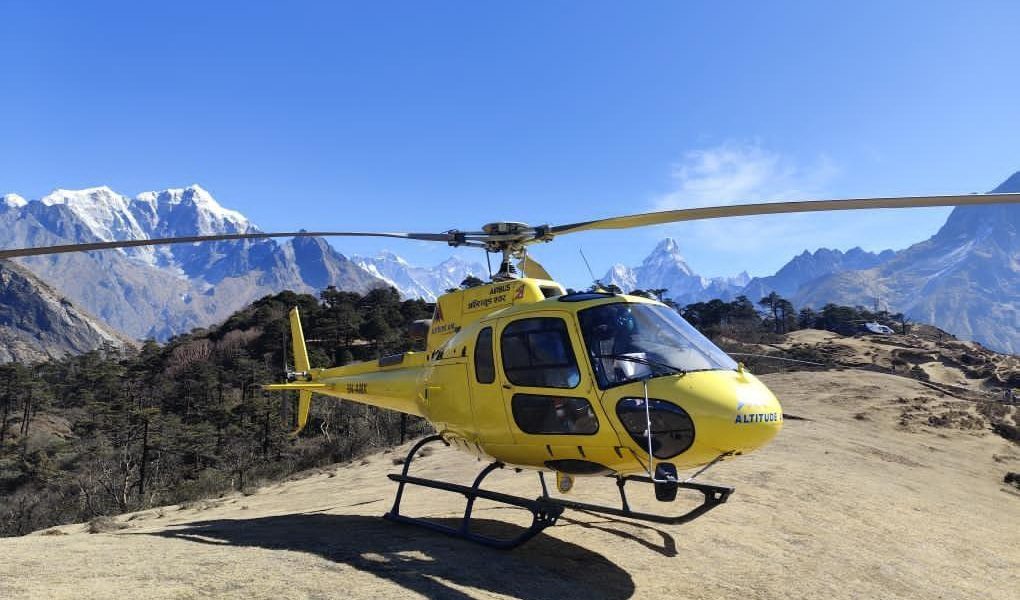
If you become ill or injured, your guide will assess your condition immediately. For mild altitude sickness, descending to a lower elevation is often the best treatment. If your condition becomes serious or life-threatening, we will arrange a helicopter rescue as soon as weather and flight conditions allow.
Helicopter evacuation is available for emergencies in most trekking areas. However, flights depend on weather, visibility, and landing conditions. Rescue times may be delayed by heavy rain, snow, or strong winds.
We strongly recommend purchasing comprehensive travel insurance before your trip. Your policy should cover high-altitude trekking, emergency medical treatment, and helicopter evacuation in Nepal. Please carry your insurance details during the trek.
Our guides carry a first aid kit and closely monitor trekkers for signs of altitude sickness. Reporting symptoms early helps prevent serious complications and allows faster treatment.
Our team will coordinate with local rescue services, medical facilities, and your insurance provider if an emergency occurs. We will provide full assistance until you reach appropriate medical care.
Thanking you we can arrange the best trek without the risk of altitude sickness.
Are You Already in Nepal?
So, if you are already in Kathmandu or Pokhara and seeking to Hire a guide/porter or tour/trekking packages then you can directly contact an expert via WhatsApp at+9779841146306. Or visit our office:- Himalaya View Treks Kaldhara Marg, Kathmandu 44600, in front of the Kathmandu sport climbing center 1st-floor building.