Nepal Local Tradition: Respect Culture, Customs, and the Himalayan Environment
Nepal is much more than a destination for trekking, mountain climbing, and breathtaking Himalayan scenery. It is a country of remarkable cultural diversity, ancient traditions, sacred places, welcoming communities, and deeply rooted social values. From the busy streets of Kathmandu to the quiet mountain villages along the Everest, Annapurna, Langtang, and Manaslu trekking routes, visitors have countless opportunities to experience the local tradition of Nepal.
For trekkers, respecting Nepalese culture is an important part of responsible travel. The mountains, forests, monasteries, temples, villages, and people together create the unique character of Nepal. Travelers can help preserve this heritage by respecting local customs, protecting the environment, supporting communities, and understanding that they are guests in someone else’s home.
Nepal is home to more than 140 caste and ethnic groups according to recent national census classifications, with numerous languages, religions, festivals, traditions, and cultural practices. This diversity makes Nepal cultural tourism an extraordinary experience. Whether you are visiting a Sherpa settlement in the Everest region, a Gurung village in the Annapurna region, a Tamang community in Langtang, or historic Newar neighborhoods in the Kathmandu Valley, every community has its own traditions and identity.
Respect Nepalese Local Traditions and Customs
One of the easiest ways to show respect in Nepal is to observe and follow local etiquette. Nepalese people are generally known for their warmth and hospitality, and visitors who make an effort to understand local customs are often welcomed with even greater friendliness.
The traditional greeting “Namaste” is widely recognized throughout Nepal. Bringing your palms together in front of your chest and saying “Namaste” is a simple and respectful way to greet people. Learning a few basic Nepalese words can also make interactions more meaningful during a trekking journey.
When entering villages, homes, temples, monasteries, or other cultural sites, observe what local people are doing and follow their example. Modest clothing is generally appropriate, particularly when visiting religious and sacred places. Public displays of disrespect, loud behavior, or inappropriate clothing can be offensive in conservative communities.
A. Respect Privacy When Taking Photographs
Photography is one of the best ways to remember a Nepal trekking experience, but every person has a right to privacy. Always ask permission before photographing local people, particularly monks, children, elderly residents, people performing religious ceremonies, or people inside their homes.
A friendly “May I take a photo?” can make a significant difference. Avoid treating people as attractions simply because they are wearing traditional clothing or living a lifestyle unfamiliar to you. Respecting photography etiquette is an important part of responsible tourism in Nepal.
B. Respect Holy Places
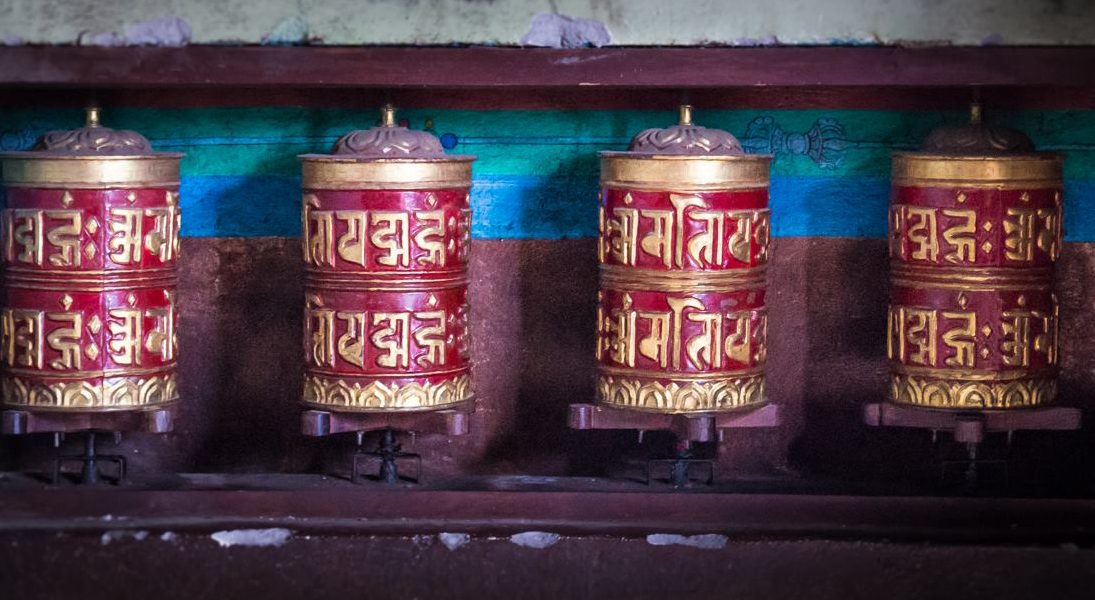
Nepal is home to temples, monasteries, stupas, shrines, prayer wheels, sacred lakes, and pilgrimage destinations belonging to several religious traditions. Sacred places should always be treated with care.
Before entering a temple or monastery, check whether visitors are permitted. Remove your shoes where required, dress appropriately, avoid touching religious objects without permission, and walk respectfully around stupas and other sacred structures.
When visiting Buddhist sites, remember to observe local customs regarding prayer wheels, mani walls, monasteries, and religious ceremonies. Hindu temples may also have specific rules concerning entry and photography. When uncertain, ask a local guide.
C. Refrain From Giving Money to Children
Although giving money to children may seem like a kind gesture, it can unintentionally encourage begging and dependence on tourists. During trekking in Nepal, travelers frequently meet children along popular trails. Instead of distributing money, consider supporting local schools, community projects, or reputable organizations.
If you wish to help a community, responsible support through established local initiatives is generally more beneficial than handing out cash, sweets, or expensive gifts directly to children.
D. Respect for Local Etiquette Earns Respect
Respect works both ways. A traveler who shows genuine interest in Nepalese culture and traditions is likely to receive a warm response from local communities.
Simple actions matter: greet people politely, ask permission before entering private spaces, avoid unnecessary arguments, dress respectfully, and follow local rules. During village-to-village trekking, take time to interact with residents rather than simply passing through with a camera.
Your trekking guide can also explain customs that may not be obvious to international visitors. Listening to local guides is one of the best ways to learn about Nepal local culture, traditional lifestyles, festivals, religion, food, architecture, and community values.
E. Let the Himalayas Change You—Do Not Change Them
The Himalayas are among Nepal’s greatest treasures. Trekking through the Everest region, Annapurna, Langtang, Manaslu, or other mountain areas can be a life-changing experience. The purpose of responsible trekking is not to impose our habits on these fragile environments but to experience them respectfully.
For travelers planning the Everest region, the Everest Three Passes Trek offers an opportunity to experience dramatic Himalayan landscapes while passing through traditional mountain communities. Everest Three Passes Trek
Let the mountains inspire a deeper appreciation for simplicity, community, nature, and cultural heritage. Avoid behaviors that damage landscapes or disrupt local life.
F. Protect the Natural Environment
Responsible trekking means protecting the Himalayan environment. Nepal’s mountain ecosystems are fragile, and increasing tourism can create pressure on forests, water sources, wildlife, trails, and local communities.
Carry your rubbish with you, avoid unnecessary plastic, use designated waste-disposal facilities, and never leave litter along trekking trails. Travelers should follow the principle of “leave no trace” wherever possible.
Environmental protection is an essential part of sustainable tourism in Nepal. A beautiful trekking route should remain beautiful for future generations.
G. Leave the Campsite Cleaner Than You Found It
Camping and trekking in remote parts of Nepal require special responsibility. Before leaving a campsite, check the area carefully for wrappers, bottles, food packaging, batteries, and other waste.
The ideal practice is to leave the campsite cleaner than you found it. Even better, avoid creating unnecessary waste in the first place. Reusable water bottles, refill systems, reusable bags, and environmentally friendly trekking supplies can help reduce the impact of tourism.
H. Limit Deforestation—Make No Open Fires
Nepal’s forests are essential to mountain communities and wildlife. In trekking regions, excessive use of firewood can contribute to deforestation, particularly in areas with high tourist demand.
Trekkers should avoid making open fires and should use designated cooking and heating systems provided by lodges or campsites. Following local regulations helps protect forests and reduces pressure on natural resources.
Responsible travelers should remember that firewood that appears plentiful may have required considerable effort from local communities to collect.
I. Burn Dry Paper and Packets Only Where Appropriate
Waste management can be challenging in remote Himalayan areas. If a local campsite or trekking operation has a specific, safe waste-management system, follow its instructions rather than creating your own disposal method.
Do not burn plastics, batteries, chemical containers, or materials that release harmful fumes. Plastic packaging should be carried out and disposed of through appropriate waste systems. The safest principle is to pack out what you pack in.
J. Keep Local Water Clean and Avoid Pollutants
Mountain streams, springs, rivers, and wells are essential sources of water for local communities, trekkers, livestock, and wildlife. Never throw rubbish, soap, chemicals, or other pollutants into natural water sources.
When washing, follow the instructions provided by your lodge, campsite, or guide. Use environmentally responsible products where possible and keep personal hygiene activities away from drinking-water sources.
Protecting water is particularly important in high-altitude communities where clean water can be difficult to access.
K. Allow Plants to Flourish in Their Natural Environment
The Himalayan landscape contains diverse plant life adapted to challenging environments. Flowers, shrubs, trees, and other vegetation should be left where they grow.
Do not pick wildflowers, cut branches, damage trees, or remove plants as souvenirs. Stay on established trails where practical to reduce erosion and vegetation damage.
This simple practice contributes to Himalayan conservation and helps preserve Nepal’s natural beauty.
A Chance to Witness Multiethnicity: Nepal Local Tradition
One of the most rewarding aspects of visiting Nepal is the opportunity to experience its multicultural society. The country is home to many ethnic and caste communities, each with distinctive languages, cuisines, clothing, architecture, festivals, music, religious practices, and social traditions.
The Newar culture of the Kathmandu Valley, Sherpa culture of the Everest region, Gurung and Magar communities of the Annapurna region, Tamang culture of Langtang, and numerous other Himalayan and hill communities demonstrate the extraordinary cultural diversity of Nepal.
A trekking journey can therefore become much more than a physical adventure. Walking from village to village allows travelers to see traditional houses, terraced farmland, prayer flags, monasteries, temples, local markets, community celebrations, and everyday life.
Experience Nepal With Respect
Do the Namaste and follow local guidelines. Nepalese hospitality is one of the country’s greatest treasures. During every stage of a trek, travelers may encounter people smiling, greeting visitors, offering directions, serving traditional food, or sharing stories about their community.
Take the opportunity to learn rather than simply observe. Ask respectful questions about local traditions. Try traditional Nepalese food. Support locally owned teahouses, guides, porters, handicraft producers, and community-based tourism initiatives. Learn about festivals and religious practices. These small choices can help ensure that tourism contributes positively to local communities.
Ultimately, Nepal local tradition is about respect: respect for people, religion, privacy, customs, cultural identity, wildlife, forests, water, and the mountains themselves. When visitors travel responsibly, they help protect Nepal’s heritage while creating meaningful connections with the people who make the country so special.
Whether your journey involves Everest Base Camp Trekking, Everest Three Passes Trek, Annapurna Circuit Trek, Annapurna Base Camp Trek, Langtang Valley Trek, Manaslu Circuit Trek, Mardi Himal Trek, cultural tours in Kathmandu, Nepal village tours, Himalayan trekking, Buddhist monastery visits, or Nepal cultural tourism, remember that the most valuable souvenir is not something you take home—it is the understanding and appreciation you gain along the way.
Nepal welcomes travelers from around the world. By respecting local traditions and protecting the natural environment, visitors can help ensure that Nepal’s cultural pride, Himalayan landscapes, and traditional communities remain vibrant for generations to come.