Trip overview
Is the Everest Base Camp Trek Safe for Children?
If you are planning to travel to Nepal with your children, the Everest Base Camp Trek can be an extraordinary adventure for the whole family. You will be surrounded by breathtaking Himalayan landscapes, unique Sherpa culture, and unforgettable mountain experiences. Moreover, this trek is much more than a walking journey—it is an opportunity to create lifelong family memories.
At Himalaya View Treks (HVT), we specialize in organizing family-friendly trekking adventures in Nepal. Over the years, we have successfully operated many Everest Base Camp Trek journeys with children. We ensure safety, comfort, and enjoyment for families from around the world.
The highest point reached during the Everest Base Camp Trek is Kala Patthar (5,545 m), which offers one of the most spectacular panoramic views of Mount Everest and the surrounding Himalayan peaks. Many parents often ask, “Can children really complete the Everest Base Camp Trek?” The answer is yes. With proper preparation, a well-designed itinerary, and experienced guides, children can safely and successfully complete this incredible Himalayan adventure.
Our carefully planned 14-day Everest Base Camp Trek itinerary includes enough time for acclimatization. This allows children and adults to adjust gradually to the increasing altitude. We focus on maintaining a comfortable pace, taking regular breaks, and avoiding unnecessary pressure during the trek.
Everest Base Camp Trek Difficulty for Children
The Everest Base Camp Trek is considered a moderate to challenging trekking adventure. Although it does not require technical climbing skills, it involves long walking days, steep ascents, rocky trails, and high-altitude conditions.
For children, the main challenges are the duration of walking, changing weather conditions, and altitude. A typical trekking day involves around 5–6 hours of walking, but with children, we maintain a slower pace and include plenty of rest stops. In addition, our experienced guides carefully monitor the health and energy levels of young trekkers throughout the journey.
Children who are physically active, enjoy outdoor activities, and have some previous hiking experience can usually handle this trek well. However, parents should consider their child’s fitness level, interest in trekking, and ability to adapt to mountain conditions before choosing the Everest Base Camp adventure.
At Himalaya View Treks, we provide child-friendly trekking leaders and experienced porters who understand the needs of families. They help make the journey comfortable, safe, and enjoyable for both parents and children.
Best Time for Everest Base Camp Trek with Kids
Choosing the right season is very important when trekking to Everest Base Camp with children. The best times for a family trek are during the spring and autumn seasons. In these seasons, the weather is stable, the skies are clear, and the mountain views are spectacular.
Spring Season (March to May)
Spring is one of the best seasons for the Everest Base Camp Trek with kids. The weather is generally pleasant, temperatures are comfortable, and the trails are decorated with blooming rhododendron flowers. The clear views of Everest, Lhotse, Ama Dablam, and other Himalayan peaks make this season perfect for a family adventure.
Autumn Season (September to November)
Autumn is considered the best trekking season in Nepal. After the monsoon season, the skies become clear, the trails are dry, and the mountain scenery is at its best. The stable weather conditions make this period highly recommended for families traveling with children.
Winter and Monsoon Considerations
Winter (December to February) is possible for experienced trekkers, but temperatures at higher elevations can become extremely cold, especially for children. The monsoon season (June to August) brings rain, cloudy weather, and slippery trails. Therefore, it is less suitable for a family Everest Base Camp Trek.
Why Choose Everest Base Camp Trek with Kids?
The Everest Base Camp Trek is one of Nepal’s most rewarding family adventures. It offers children the chance to explore the world’s highest mountain region while learning about Himalayan culture and nature.
During the trek, children can experience traditional Sherpa villages, visit ancient monasteries, interact with local communities, and witness the unique lifestyle of people living in the Himalayas. Additionally, they will walk through the beautiful Khumbu Valley, see incredible mountain landscapes, and stand close to the base of the world’s highest peak.
For families looking for shorter and easier trekking options, Nepal also offers several excellent alternatives. The Langtang Valley Trek with Kids provides beautiful mountain scenery and authentic Tamang culture. This trek also gives a less crowded trekking experience. The Poon Hill Family Trek is another great option for younger children. It offers comfortable walking days and breathtaking sunrise views over the Annapurna and Dhaulagiri mountain ranges.
Families who want to experience Everest views with a shorter itinerary can choose the Everest View Trek with Kids. This trek provides amazing views of Mount Everest, Ama Dablam, and other Himalayan giants while reaching a lower altitude.
Family-Friendly Everest Base Camp Trek Highlights
• Specially designed 14-day itinerary with proper acclimatization
• Experienced and child-friendly trekking guides
• Flexible walking schedules with enough rest breaks
• Safe and comfortable trekking pace for families
• Opportunity to explore Sherpa culture and Himalayan traditions
• Stunning views of Everest, Lhotse, Ama Dablam, and other Himalayan peaks
• A meaningful educational experience for children
At Himalaya View Treks, we are passionate about helping families discover the beauty of Nepal’s mountains. Our experienced team has organized family treks throughout the Everest, Annapurna, Langtang, Manaslu, and Ganesh Himal regions. We focus on safety, comfort, and creating unforgettable experiences for parents and children.
Whether you are planning the legendary Everest Base Camp adventure or another Himalayan journey, our Everest Base Camp Trek Booking service provides complete support. This includes itinerary planning, experienced Everest Base Camp Trek guides, permits, accommodation arrangements, and family-friendly trekking solutions.
Nepal is a destination where families can connect with nature, discover new cultures, and create memories that last a lifetime. Book your Everest Base Camp Trek with Kids today and let Himalaya View Treks guide your family through the heart of the Himalayas. This is where adventure, culture, and nature come together.
Short Itinerary
Everest Base Camp Trek with Kids – 14 Days Itinerary
Day 01: Fly to Lukla (2,860 m / 9,184 ft) and Trek to Phakding (2,610 m / 8,562 ft) – 6.2 km, 3–4 hrs
Take a scenic flight to Lukla, then start your trek with an easy descent along the Dudh Koshi River to Phakding.
Day 02: Trek from Phakding to Namche Bazaar (3,440 m / 11,283 ft) – 7.4 km, 5–6 hrs
Walk through pine forests and cross suspension bridges before climbing gradually to Namche Bazaar, the Sherpa capital.
Day 03: Acclimatization Day in Namche (3,440 m / 11,283 ft) – Hike to Everest View Hotel (3,880 m / 13,000 ft)
A rest day for acclimatization. Enjoy a short hike to the Everest View Hotel for panoramic mountain views, then return to Namche.
Day 04: Trek from Namche to Tengboche (3,870 m / 12,684 ft) – 5.9 km, 5–6 hrs
Descend to the river and climb steadily to Tengboche, home to the famous monastery with superb views of Ama Dablam and Everest.
Day 05: Trek from Tengboche to Dingboche (4,400 m / 14,435 ft) – 9.1 km, 6 hrs
Cross through forests and riverside trails before gradually ascending to the Imja Valley and reaching Dingboche.
Day 06: Contingency Day (For Bad Weather or Rest)
A flexible day built into the itinerary that can be used anywhere along the trek if needed due to weather or extra rest.
Day 07: Dingboche Acclimatization Day (4,400 m / 14,435 ft) – Hike to Nagarjun Hill (5,100 m / 16,732 ft), 2–3 hrs
Short hike to Nagarjun Hill for better acclimatization and great views of Makalu and other peaks. Return to Dingboche.
Day 08: Trek from Dingboche to Lobuche (4,900 m / 16,076 ft) – 10 km, 6–7 hrs
Pass through Dughla and memorial sites for climbers, then continue gradually to Lobuche.
Day 09: Trek from Lobuche to Gorakshep (5,180 m / 16,994 ft), then Visit Everest Base Camp (5,364 m / 17,598 ft) – 4 km, 6–8 hrs
Trek to Gorakshep, have a short rest, then continue along the Khumbu Glacier trail to Everest Base Camp. Return to Gorakshep for the night.
Day 10: Contingency Day (For Bad Weather or Rest)
Another buffer day to ensure flexibility and safety for families traveling with kids.
Day 11: Hike to Kala Patthar (5,545 m / 18,192 ft) and Trek to Pheriche (4,320 m / 14,173 ft) – 9.8 km, 5–6 hrs
Early morning hike to Kala Patthar for the best sunrise view of Everest, then descend to Pheriche where the air is thicker.
Day 12: Trek from Pheriche to Namche Bazaar (3,440 m / 11,285 ft) – 14.2 km, 5–6 hrs
Descend through Pangboche and Tengboche, then follow the trail back to Namche.
Day 13: Trek from Namche Bazaar to Lukla (2,800 m / 9,100 ft) – 13.5 km, 6–7 hrs
Retrace your steps along the Dudh Koshi River and return to Lukla. Celebrate the completion of the trek with the team.
Day 14: Fly from Lukla to Kathmandu (1,300 m / 4,265 ft) – 30 min flight
Take a scenic morning flight back to Kathmandu. Free time in the afternoon for shopping, relaxing, or sightseeing.
Included
- Airport pickup and drop as per client’s arrival and departure date
- Hotel- domestic airport- hotel by car/ van, depend on group sizes
- Flight Ticket Lukla - Kathmandu) tickets including airport taxes
- All meals (Breakfast, lunch, and dinner) during your Everest Base Camp Trek
- 21 nights Hotel Accommodation during Everest Base Camp Trek
- Government licensed holder, fluent English Speaking, Familiar HVT guide
- One assistant guide if Group sizes is more than 10 trekkers)
- Strong local Porters for Carry trekker’s luggage One porter every 2 trekkers
- Guide and porter wages including their meals, accommodation, and Salary
- Staff insurance including medication coverage
- Guide and Assistance flight Ticket
- Equipment for the Company staff
- Water purification drop or tablets for safe drinking water
- Sagarmatha National Park entry permit fee
- Khumbu Pashang Lhamu Rural Municipality permits fees
- Seasonal fresh fruits every day during Everest Base Camp trek
- Oximeter to measure Pulse and oxygen level
- Company T-shirt as a Souvenirs, and duffle bag if needed
- Local government, taxes, including official Service Charge
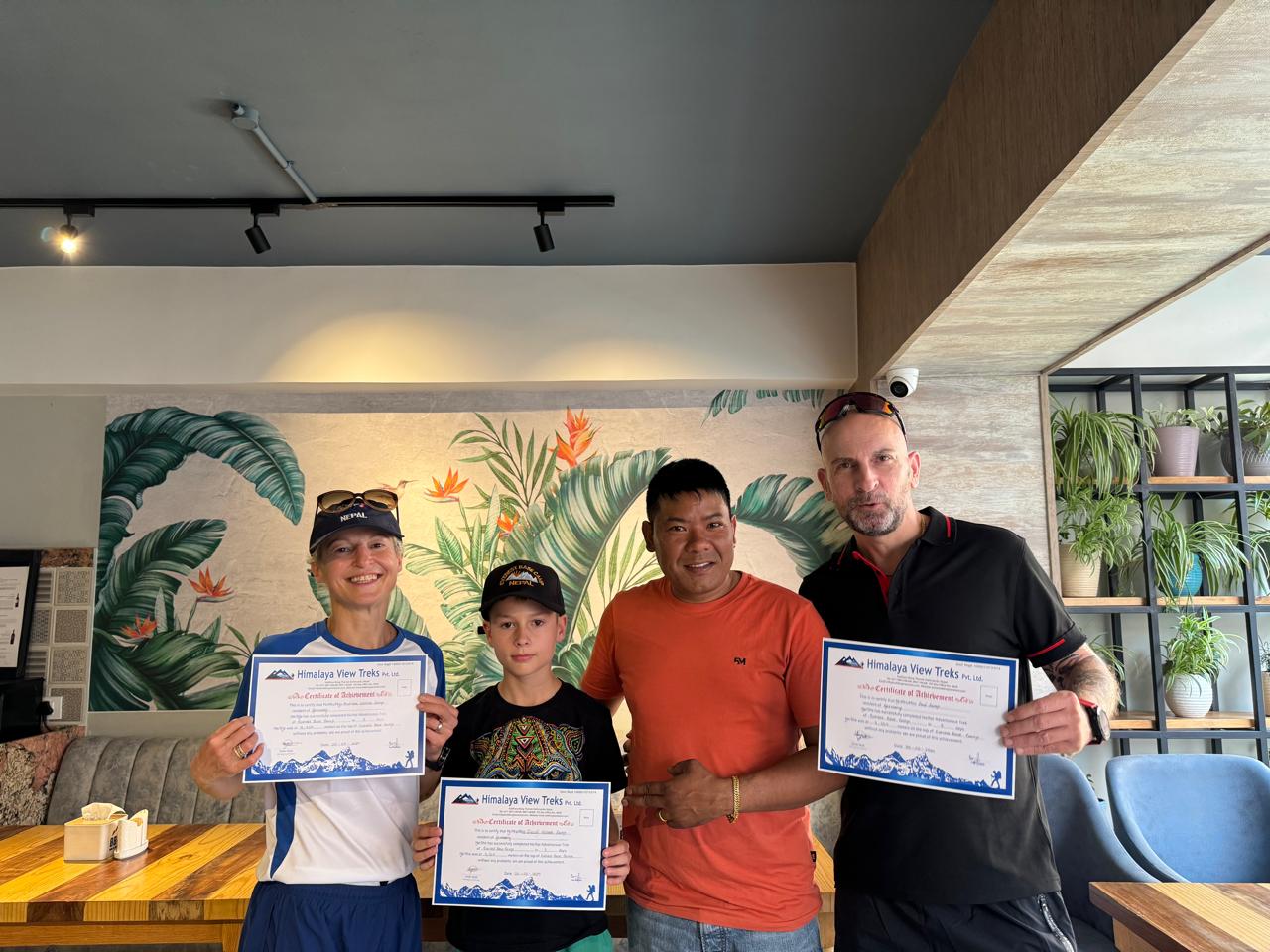
- Trip completion Certificate
Not Included
- Hotel accommodation and meals In Kathmandu.
- Personal expense (shopping, snacks, boil bottle water, hot (tea, coffee) and cold drinks, hot shower, alcohol, Wi-Fi, telephone call, battery charge fee during the Everest base camp Trek)
- Personal clothing and trekking gear
- Personal travel insurance including evacuation coverage (compulsory) up to 6000m)
- Additional costs if delays flights and outside the itinerary
- All the costs and expenses which are not mentioned in includes list.
- Tips for guide and porters. in end of the treks
Useful Info
Useful Information for Everest Base Camp Trek with Kids
Planning the Everest Base Camp Trek with children requires careful preparation, the right itinerary, and an experienced trekking team. With proper planning, this iconic Himalayan journey can become one of the most memorable family adventures. Below are important things parents should know before trekking to Everest Base Camp with kids.
Trek Difficulty
The Everest Base Camp Trek is considered a moderate to challenging high-altitude trek. Although it does not require technical climbing skills, the journey involves long walking days, steep uphill sections, rocky trails, and changing weather conditions.
When trekking with children, the key is maintaining a slow and comfortable pace. Our family-friendly itineraries are designed with shorter walking hours, regular rest breaks, and enough acclimatization time. Children who enjoy outdoor activities, have good basic fitness, and are mentally prepared for a mountain adventure can successfully complete the trek.
Parents should remember that the goal is not speed but enjoying the journey, exploring the Himalayas, and creating unforgettable family memories.
Altitude Considerations
Altitude is one of the most important factors when trekking to Everest Base Camp with children. The highest point of the trek is Kala Patthar (5,545 m), which offers breathtaking views of Mount Everest and the surrounding Himalayan peaks.
Because children may react differently to altitude, proper acclimatization is essential. Our itinerary includes planned rest days in important locations such as Namche Bazaar and Dingboche, allowing the body to adjust gradually to higher elevations.
Parents should learn the common symptoms of altitude sickness, including headache, tiredness, loss of appetite, nausea, dizziness, or difficulty sleeping. Our experienced guides continuously monitor every family member and take necessary action if any health concerns appear.
Best Time to Trek Everest Base Camp with Kids
Choosing the right season can make a significant difference in your family’s trekking experience. The best periods for the Everest Base Camp Trek with children are spring and autumn when weather conditions are stable and mountain views are spectacular.
Spring Season (March to May)
Spring is one of the best times for a family Everest Base Camp adventure. The weather is comfortable, temperatures are warmer, and the trails become colorful with blooming rhododendron flowers. Clear mountain views and pleasant trekking conditions make this season highly recommended for children.
Autumn Season (September to November)
Autumn is considered the best trekking season in Nepal. After the monsoon, the skies are clear, the trails are dry, and visibility is excellent. Families can enjoy stunning views of Everest, Lhotse, Ama Dablam, and other Himalayan peaks.
Winter and Monsoon Seasons
Winter (December to February) brings very cold temperatures, especially at higher elevations, which can be challenging for children. The monsoon season (June to August) brings rainfall, cloudy skies, and slippery trails, making it less suitable for family trekking.
Accommodation During the Trek
Accommodation during the Everest Base Camp Trek is provided in traditional tea houses and mountain lodges. Rooms are generally simple but comfortable, usually offering twin beds with blankets and shared bathroom facilities.
At lower elevations, some lodges may provide rooms with attached bathrooms and better facilities. As you climb higher, accommodations become more basic due to the remote mountain environment.
For children, we recommend bringing a warm sleeping bag suitable for cold temperatures. Extra warm layers and comfortable sleeping arrangements help children rest properly after long trekking days.
Meals During the Trek
Food plays an important role in maintaining energy during a high-altitude trek. Meals are available at local tea houses and include a variety of options suitable for both adults and children.
Common meals include:
• Dal Bhat (traditional Nepali rice and lentil meal)
• Noodles and pasta
• Rice dishes
• Soups and vegetable dishes
• Potatoes and eggs
• Bread, pancakes, and porridge
Vegetarian meals are widely available throughout the trek. We encourage children to eat nutritious meals, drink enough water, and include warm soups and hot drinks to stay hydrated and energized.
Luggage and Porters
Traveling light is important, especially when trekking with children. Each trekker can normally carry around 10–12 kg of personal luggage, while porters carry the main bags.
Children only need to carry a small daypack containing essentials such as:
• Water bottle
• Snacks
• Sunglasses
• Sunscreen
• Personal items
• Small entertainment items
Our experienced porters help make the trek easier by carrying heavy luggage, allowing families to enjoy the journey comfortably.
Experienced Guides and Safety
Safety is our highest priority when organizing Everest Base Camp Trek with kids. We provide experienced, friendly, and knowledgeable trekking guides who understand the needs of family travelers.
Our guides are trained in:
• First aid assistance
• Altitude awareness and prevention
• Emergency response procedures
• Child-friendly trekking management
We maintain a flexible pace and adjust the walking schedule according to the children’s comfort and energy levels. Our goal is to make the trek safe, enjoyable, and stress-free for the entire family.
Packing List for Kids
Packing the right equipment is essential for a comfortable Himalayan adventure. Recommended items include:
• Warm down jacket and thermal layers
• Comfortable trekking shoes with good grip
• Woolen hat, gloves, and warm socks
• Sunglasses and high-SPF sunscreen
• Lightweight backpack
• Reusable water bottle
• Personal medicines
• Favorite snacks or small treats
• Books, cards, games, or activities for evenings
Comfortable clothing and proper gear help children enjoy the trek in different weather conditions.
Emergency and Health Support
Although the Everest Base Camp Trek is a safe adventure when properly planned, families should always be prepared for possible health situations.
If altitude sickness or any serious health issue occurs, our guides will take immediate action, including descending to a lower altitude if necessary. Emergency helicopter evacuation services are available in the Everest region when required.
Parents should bring necessary personal medicines and consult their doctor before the trek regarding high-altitude travel for children.
Travel Insurance
Comprehensive travel insurance is essential for every family member, including children. The insurance should cover high-altitude trekking and emergency helicopter evacuation up to the required altitude.
Having proper insurance provides peace of mind and ensures support during unexpected situations.
Cultural Experience for Children
The Everest Base Camp Trek is not only about mountains; it is also an educational journey. Children have the opportunity to discover Sherpa culture, visit ancient monasteries, explore traditional villages, and learn how people live in the Himalayas.
Meeting local communities and experiencing Himalayan traditions can inspire curiosity, confidence, and appreciation for different cultures. For children, this trek becomes more than an adventure—it becomes a valuable life experience filled with learning and discovery.
With proper preparation, experienced guides, and a family-friendly itinerary, the Everest Base Camp Trek with kids can be a safe, rewarding, and unforgettable journey for the whole family.
FAQs
-
Can kids really trek to Everest Base Camp?
Yes, children can successfully complete the Everest Base Camp trek if the itinerary is well-planned with enough rest and acclimatization days. At Himalaya View Treks, we have guided many families with kids to Base Camp safely.
-
What is the recommended minimum age for kids?
We usually recommend the trek for children above 8 years old who are physically active and enjoy outdoor walking. However, younger children can also join if parents are confident in their stamina and interest.
-
How many hours do we walk per day?
On average, you will walk 5–6 hours per day at a gentle pace. Some days may be shorter, while the longer days include extra breaks to keep kids comfortable.
-
Is it safe for children at high altitude?
Yes, as long as the itinerary includes proper acclimatization. We add rest days in Namche and Dingboche to reduce the risk of altitude sickness. Our guides are experienced in monitoring children and adjusting the pace when needed.
-
What happens if my child feels unwell?
If any child (or parent) shows symptoms of altitude sickness, we will immediately adjust the trek. Options include resting an extra day, descending to a lower altitude, or arranging emergency evacuation if needed. Safety is always the top priority.
-
What type of food is available for kids?
The tea houses on the route offer a variety of meals such as rice, noodles, soups, pasta, eggs, potatoes, pancakes, and more. Vegetarian and simple child-friendly meals are easily available. We encourage children to eat plenty of warm soups and drink fluids.
-
Do kids need to carry their own backpacks?
No. We provide porters to carry the heavy luggage. Children only need to carry a small daypack with water, snacks, and personal items.
-
How cold will it be during the trek?
At higher altitudes, temperatures can drop below -10°C (14°F) at night, especially in spring and autumn. During the day, it can be comfortable (5°C to 15°C / 41°F to 59°F). We recommend warm jackets, gloves, and sleeping bags for children.
-
What is the best time for Everest Base Camp Trek with Kids?
The best seasons are spring (March–May) and autumn (September–November). These months have stable weather, clear mountain views, and comfortable trekking conditions.
-
How do you keep the trek enjoyable for kids?
We make the trek fun by adding short hikes, cultural experiences, interaction with Sherpa children, monastery visits, and plenty of breaks. Our guides are kid-friendly and keep the pace relaxed so children enjoy the journey.
Latest Traveller's Reviews
Travel experiences of our clients who recently returned from their trips.