Trip overview
Nepal Lower Dolpo Trek – Complete Guide to Nepal’s Hidden Himalayan Adventure
The Lower Dolpo Trek is one of Nepal’s most extraordinary trekking adventures. Trek offering an unforgettable journey through remote Himalayan landscapes, ancient Tibetan-influenced villages, high mountain passes, and the breathtaking Shey Phoksundo National Park. Located in the Dolpa District of western Nepal. This hidden gem remains one of the country’s least-visited trekking destinations. And, making it perfect for travelers seeking solitude, pristine nature, and authentic cultural experiences.
Lower Dolpo Trek Overview
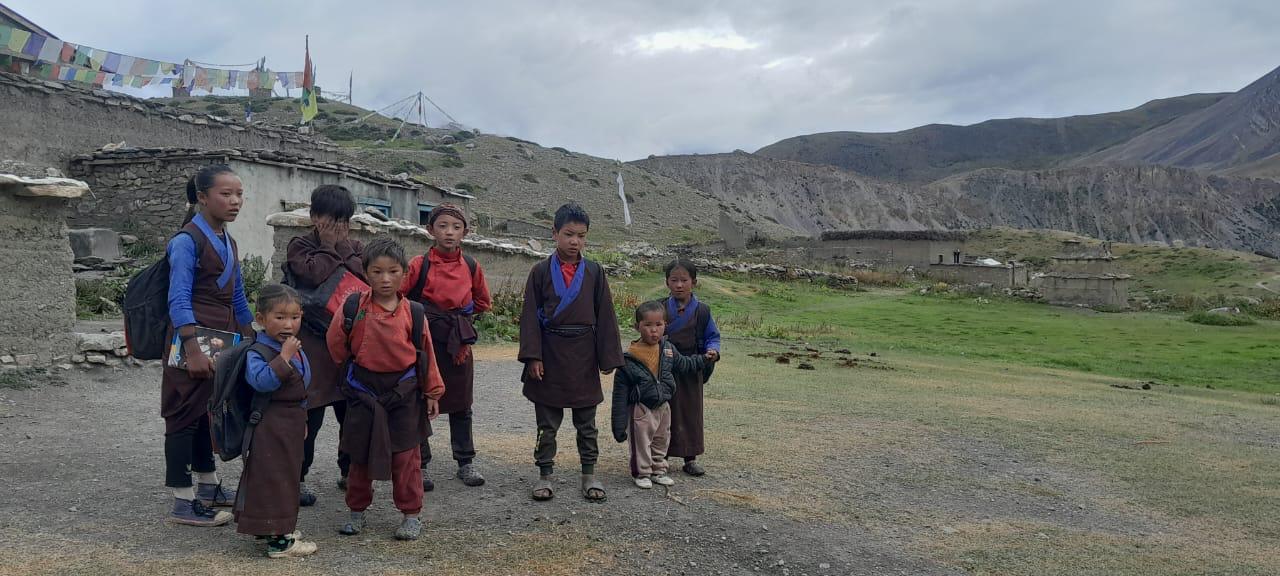
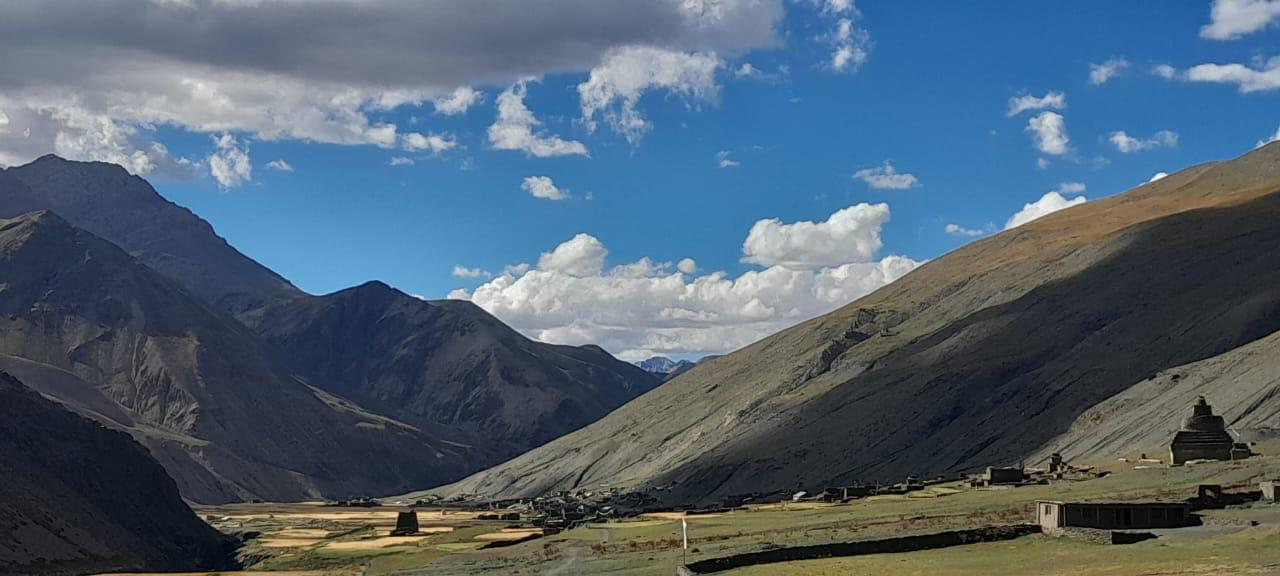
Unlike the popular Everest Base Camp Trek or Annapurna Circuit Trek, the Lower Dolpo Trek takes you far away from busy trekking routes into a region where centuries-old traditions continue to thrive. The people of Dolpo have preserved their unique lifestyle, language, religion, and customs for generations. Along the trail, you’ll discover ancient monasteries, colorful prayer flags, mani walls, traditional stone houses, and warm local hospitality that make every day of the journey truly memorable.
The trek begins with scenic flights from Kathmandu to Nepalgunj and then to Juphal, the starting point of the adventure. From there, the trail follows rivers, lush forests, alpine meadows, dramatic canyons, and remote mountain villages before reaching the spectacular Phoksundo Lake, one of Nepal’s most beautiful natural wonders.
Why Choose the Lower Dolpo Trek?
The Lower Dolpo Trek Nepal is ideal for trekkers looking for a genuine wilderness experience. It combines breathtaking Himalayan scenery with rich cultural heritage and remarkable biodiversity. Since the region receives relatively few visitors each year, you can enjoy peaceful trails and untouched landscapes throughout the trek.
Highlights of the Lower Dolpo Trek include:
* Crystal-clear Phoksundo Lake.
* Beautiful Ringmo Village.
* Crossing the high Numa La Pass (5,310 m).
* Crossing the scenic Baga La Pass (5,070 m).
* Traditional Tibetan Buddhist culture.
* Ancient monasteries and Bon religious heritage.
* Rare Himalayan wildlife.
* Spectacular mountain panoramas.
* Remote valleys and untouched wilderness.
* Shey Phoksundo National Park.
Every day offers something different, from dense pine forests and cascading waterfalls to barren mountain landscapes and snow-covered Himalayan peaks.
Shey Phoksundo National Park
One of the biggest attractions of the Lower Dolpo Trek is trekking through Shey Phoksundo National Park, Nepal’s largest national park. Established in 1984, the park protects a remarkable variety of landscapes ranging from subtropical forests to alpine meadows and high Himalayan deserts.
Wildlife enthusiasts may have the opportunity to spot Himalayan blue sheep, musk deer, Himalayan thar, Himalayan black bear, wolves, foxes, and numerous bird species. The park is also one of Nepal’s most important habitats for the elusive snow leopard, although sightings remain extremely rare.
The park is equally famous for its medicinal plants, unique alpine vegetation, and pristine mountain ecosystems that remain largely untouched by modern development.
Phoksundo Lake – The Jewel of Dolpo
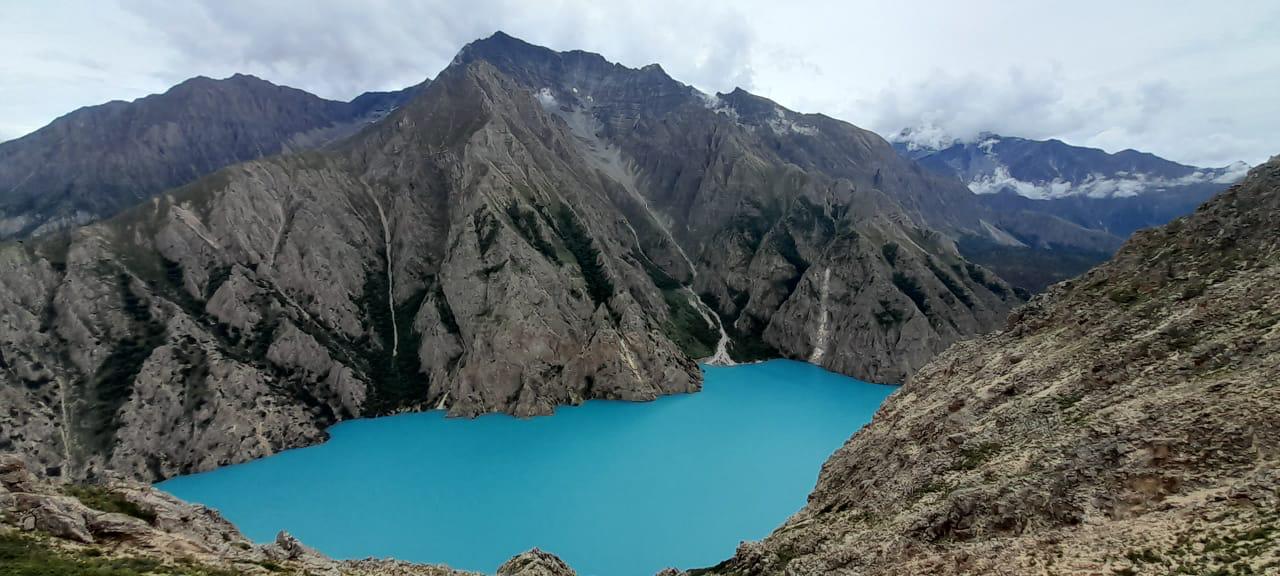
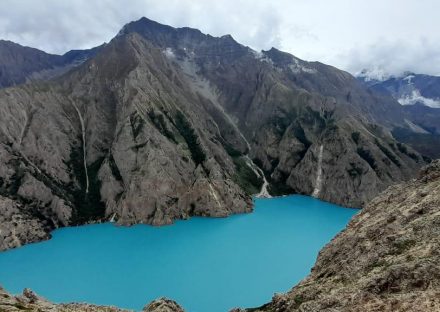
No visit to Lower Dolpo is complete without witnessing the incredible beauty of Phoksundo Lake. Situated at an altitude of approximately 3,611 meters, the lake is renowned for its stunning turquoise-blue water, which changes color depending on sunlight and weather conditions.
Surrounded by steep cliffs, pine forests, and snow-capped mountains, Phoksundo Lake creates one of the most breathtaking landscapes in Nepal. The lake is considered sacred by both Buddhists and followers of the Bon religion, making it an important spiritual destination as well as a natural wonder.
Many trekkers consider spending time beside the peaceful lakeshore to be the highlight of their entire journey.
Experience Authentic Tibetan Culture
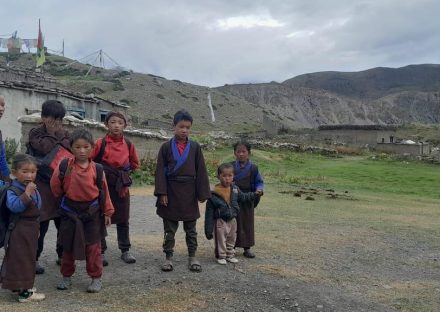
The Lower Dolpo region shares strong historical and cultural connections with Tibet. As a result, local communities continue to practice Tibetan Buddhism alongside the ancient Bon religion, one of the world’s oldest spiritual traditions.
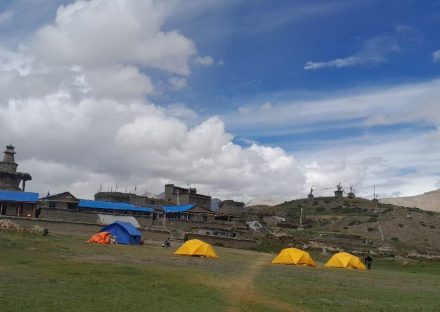
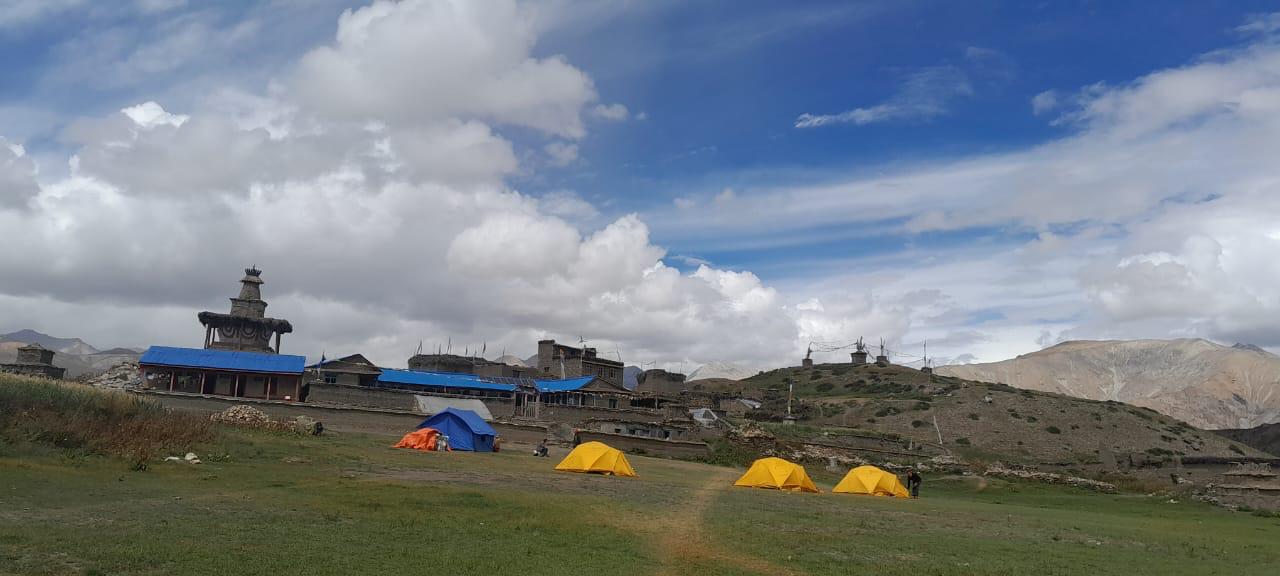
As you trek through villages like Ringmo and Dho Tarap, you’ll encounter centuries-old monasteries, spinning prayer wheels, colorful chortens, and prayer flags fluttering in the mountain breeze. Along the way, you’ll also meet friendly villagers who still live much as their ancestors did.
Furthermore, the hospitality of the Dolpo people adds a special dimension to the journey. As a result, visitors gain a deeper understanding of one of Nepal’s best-preserved Himalayan cultures.
High Mountain Passes
Adventure lovers will enjoy crossing two spectacular Himalayan passes during the trek.
Numa La Pass (5,310 m)
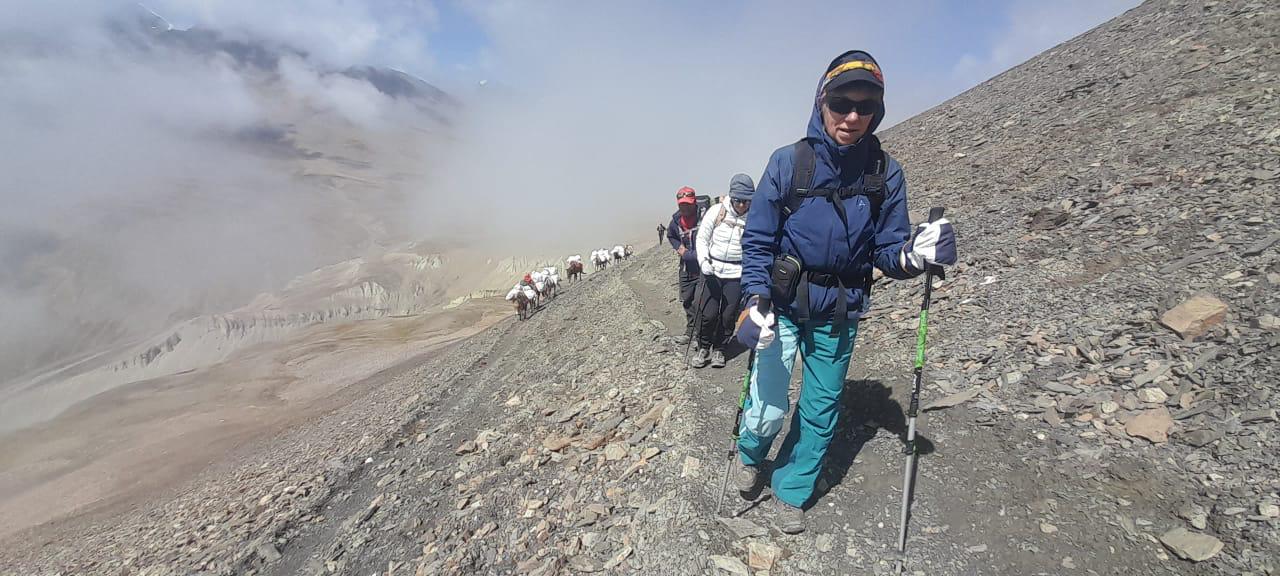
Numa La is the highest point of the Lower Dolpo Trek. Although physically demanding, the pass rewards trekkers with magnificent views of the Dhaulagiri range, Kanjiroba Himal, and the surrounding mountain valleys.
Baga La Pass (5,070 m)
After crossing Numa La, the trail continues over Baga La Pass. This scenic crossing offers dramatic landscapes filled with rocky ridges, alpine grasslands, and distant snow-covered peaks.
Crossing both passes is one of the greatest achievements of the Lower Dolpo Trek and provides unforgettable Himalayan scenery.
Trek Difficulty
The Lower Dolpo Trek is considered a moderate to challenging trek. Daily walking usually ranges from 5 to 8 hours, with several long uphill climbs and high-altitude passes above 5,000 meters.
Previous trekking experience is beneficial but not always essential if you maintain good physical fitness and prepare adequately before the trek.
The remote nature of the region means facilities are limited, adding to the adventure while requiring flexibility and a positive attitude.
Best Time for the Lower Dolpo Trek
The best seasons for the Lower Dolpo Trek are spring and autumn.
Spring (April to June)
During spring, you can enjoy:
- Pleasant temperatures
- Blooming rhododendron forests
- Excellent mountain views
- Clear skies
Autumn (September to November)
Likewise, autumn offers:
- Stable weather
- Crisp mountain air
- Spectacular visibility
- Comfortable trekking conditions
Moreover, Dolpo lies within the Himalayan rain shadow. As a result, the region receives much less rainfall during the summer monsoon than many other trekking areas in Nepal.
Accommodation and Food
Accommodation mainly consists of simple teahouses and community lodges. However, camping may be necessary in more remote sections, depending on your itinerary.
Meals are fresh and nutritious. Popular dishes include Dal Bhat, fried rice, noodles, soups, potatoes, pasta, Tibetan bread, pancakes, eggs, tea, and coffee. Although the facilities are basic, the warm hospitality of local families makes every stay memorable.
Permits Required
Since Lower Dolpo is a restricted trekking region, you will need the following permits:
- Lower Dolpo Restricted Area Permit
- Shey Phoksundo National Park Entry Permit
- TIMS Card (if required under current regulations)
In addition, all trekkers must travel with a licensed guide through a registered trekking company.
Who Is This Trek For?
The Lower Dolpo Trek is ideal for travelers who:
* Prefer remote trekking routes.
* Enjoy authentic cultural experiences.
* Love photography and nature.
* Want fewer crowds.
* Seek challenging Himalayan adventures.
* Appreciate wildlife and national parks.
It is less suitable for first-time trekkers looking for luxury accommodation or easy access to modern facilities.
Why Trek with Himalaya View treks?
At Himalaya View Treks we specialize in providing safe, personalized, and professionally guided trekking experiences across Nepal. Our experienced local guides have extensive knowledge of the Lower Dolpo region, ensuring your journey is both enjoyable and culturally enriching.
We handle all trekking permits, domestic flights, accommodation, transportation, experienced guides, and logistics. You can focus entirely on enjoying your Himalayan adventure. We welcome solo travelers, friends, and private groups. Our team provides reliable service from your arrival in Kathmandu until your trek ends.
Final Thoughts of Lower Dolpo Trek
The Lower Dolpo Trek is one of Nepal’s most rewarding trekking adventures. It offers untouched wilderness, stunning Himalayan scenery, and authentic Tibetan culture. Discover the turquoise waters of Phoksundo Lake. Cross the dramatic Numa La and Baga La passes. Every day brings new landscapes and unforgettable experiences.
If you dream of exploring a hidden Himalayan frontier, the Lower Dolpo Trek is an excellent choice. Enjoy spectacular scenery, rich traditions, and rare wildlife. Create memories that will last a lifetime.
Short Itinerary
Lower Dolpo Trek Itinerary - 14 days
Day 1: Flight to Nepalgunj (150m)
Take a scenic flight to Nepalgunj, a vibrant city in the western lowlands of Nepal. Explore the local market and prepare for the mountain flight the next day. Overnight stay in Nepalgunj.
Day 2: Flight to Juphal (2,320m) and trek to Dunai (2,850m) – 3 hrs
Fly to Juphal, the gateway to Dolpo, and begin your trek with a gentle walk through terraced fields and along the Thuli Bheri River to Dunai, the district headquarters of Dolpa.
Day 3: Dunai to Tarakot (2,540m) – 5 to 6 hrs
Trek through beautiful gorges, riverside trails, and small settlements surrounded by pine forests. Tarakot is a lovely village known for its ancient fortress and monastery.
Day 4: Tarakot to Laini (3,160m) – 6 hrs
Follow the trail along the Bheri River and ascend through terraced fields and traditional villages. Enjoy the peaceful rural lifestyle and mountain views along the way.
Day 5: Laini to Nawarpani (3,545m) – 5 to 6 hrs
The trail passes through gorges and high ridges, offering dramatic landscapes. You’ll see yak caravans and meet friendly locals along the route.
Day 6: Nawarpani to Dho Tarap (4,090m) – 6 hrs
Gradually ascend towards the high valley of Dho Tarap, one of the highest settlements in the world. Explore ancient monasteries and experience the Bon and Buddhist cultures of Dolpo.
Day 7: Acclimatization day at Dho Tarap
Take a rest day to acclimatize. Explore the village, visit monasteries, and interact with the local Dolpo-pa people to learn about their unique lifestyle.
Day 8: Dho Tarap to Numa La Base Camp (4,440m) – 5 hrs
Begin climbing towards the high passes, walking through yak pastures and rugged mountain terrain. Overnight at Numa La Base Camp.
Day 09: Cross Numa La Pass (5,190m) and trek to Pelung Tang (4,465m) – 7 hrs
A challenging but rewarding day as you cross the Numa La Pass with spectacular views of the Dhaulagiri range and surrounding peaks. Descend to Pelung Tang for the night.
Day 10: Cross Baga La Pass (5,070m) and trek to Dajok Tang (4,080m) – 6 hrs
Trek over another high pass, Baga La, which offers panoramic mountain views. Descend to Dajok Tang through alpine meadows and beautiful landscapes.
Day 11: Dajok Tang to Ringmo / Phoksundo Lake (3,600m) – 6 hrs
Walk through lush forests of pine and birch before reaching the enchanting Phoksundo Lake, one of Nepal’s most beautiful alpine lakes. Explore the serene surroundings and enjoy the turquoise waters.
Day 12: Rest day at Phoksundo Lake (3,600m)
Spend a relaxing day exploring around Phoksundo Lake, visiting the nearby monastery, and enjoying the peaceful atmosphere.
Day 13: Phoksundo Lake to Juphal (2,320m) – 7 hrs
Descend through forests and traditional villages, retracing your steps back to Juphal for your final night in the Dolpo region.
Day 14: Flight Juphal – Nepalgunj – Kathmandu
Take an early morning flight to Nepalgunj and then connect to Kathmandu. In the evening, enjoy a farewell dinner and celebrate the completion of your adventure.
Included
- Airport pickup and drop as per the client’s arrival and departure time
- Hotel- domestic airport- hotel by car/ van, depending on group sizes
- Domestic flights (Kathmandu - Lukla - Kathmandu) tickets including airport taxes
- All meals (Breakfast, lunch, and dinner) during your Dolpo Trek
- 13 nights of Hotel Accommodation during the Dolpo Trek
- Government licensed holder, fluent English Speaking, Familiar HVT Leader guide
- Strong local Porters for Carry trekker’s luggage One porter every 2 trekkers
- Staff insurance including medication coverage
- Assistant guide if the Group size is more than 10 trekkers)
- Guide and e Assistance both ways Lukla flight Ticket
- National Park conservation and special trekking permits fees.
- Trekker’s information management system (TIM’s card)
- Seasonal fresh fruits every day during your Dolpo trek
- Water purification drops or tablets for safe drinking water
- Oximeter to measure Pulse and oxygen level
- Himalaya View Treks Company T-shirt as a Souvenirs and duffel bag if you needed
- Safe storing facilities at company store during the trek
- Local government, taxes, including official Service Charge
- Trip completion Certificate if you
Not Included
- Hotel accommodation and meals In Kathmandu
- Personal expenses (shopping, snacks, boil bottled water, hot (tea, coffee) and cold drinks, hot shower, alcohol, Wi-Fi, telephone call, battery charge fee during the Everest base camp Trek)
- Personal clothing and trekking gear
- Sleeping bag and down jacket available for rent in our store
- Personal travel insurance including evacuation coverage (compulsory) up to 6000m)
- Additional costs if delays flights and outside the itinerary
- Tips for Guide and Porters at the end of the treks
Useful Info
Lower Dolpo Trek – Trip Highlights


FAQs
-
What is the best time to do the Lower Dolpo Trek?
The ideal time is spring (April–June) and autumn (September–November). These seasons offer clear skies, moderate temperatures, and beautiful landscapes. trekking in this reason also possible during the monsoon.
-
What is the difficulty level of the trek?
The trek is moderate to challenging, suitable for fit and adventurous trekkers. High passes and long walking days require good stamina.
-
How long is the Lower Dolpo Trek?
The standard itinerary is 15 days, including flights, acclimatization, and trekking to Phoksundo Lake and back. Shorter or customized itineraries can also be arranged.
-
Do I need a special permit for Dolpo?
Yes, trekkers need Upper Dolpo/Lower Dolpo Restricted Area Permits and Shey Phoksundo National Park entry permits, which we arrange as part of the trekking package.
-
What kind of accommodation is available?
Accommodation is mostly tea houses and guesthouses along the trail. Luxury camping options are available in some areas.
-
Is it necessary to hire a guide or porter?
Yes, it is highly recommended to hire experienced guides and porters due to the remote location, cultural knowledge, and safety requirements.
-
What should I pack for the trek?
Essentials include warm clothing, trekking boots, sleeping bag, trekking poles, water purification, and first aid kit. A detailed packing list is provided upon booking.
-
Is there mobile network or internet along the trek?
Mobile coverage is very limited, and internet access is generally available only in some villages with satellite connections.
-
Are flights to Juphal reliable?
Flights are weather-dependent, especially during monsoon and winter. Delays or rescheduling may occur, so flexibility is advised.
-
Can the itinerary be customized?
Yes, we can redesign the itinerary to include other remote villages, high passes, or longer stays at Phoksundo Lake according to your preference
Latest Traveller's Reviews
Travel experiences of our clients who recently returned from their trips.