Trip overview
Tiji Festival Trek – Experience the Sacred Festival of Upper Mustang
The Tiji Festival Trek offers a unique opportunity to explore the remote landscapes, ancient villages, Tibetan Buddhist culture, and historic monasteries of Upper Mustang. During the trek, you can witness the spectacular Tiji Festival in Lo Manthang. This special trek combines Himalayan adventure with one of the most important cultural celebrations in the Mustang region.
Held annually in the historic walled city of Lo Manthang, the Tiji Festival is a three-day Buddhist celebration. It features sacred masked dances, traditional music, prayers, colorful costumes, and religious ceremonies. The festival represents the triumph of positive forces over negativity. It is deeply connected with the spiritual traditions of the people of Upper Mustang. Nepal Tourism Board describes Tiji, also known as Tenchi, as a sacred Vajrayana Buddhist ritual associated with Vajrakila. It also includes prayers for peace, prosperity, and harmony.
Why Choose the Tiji Festival Trek?
The Tiji Festival Trek is ideal for travelers who want to experience more than the traditional Himalayan trekking routes. Upper Mustang has a distinctive landscape shaped by wind and erosion. You will see barren cliffs, deep valleys, dramatic rock formations, ancient settlements, and snow-covered mountains in the distance.
The journey begins in the lower Mustang region before entering the restricted Upper Mustang area. As you travel toward Lo Manthang, the landscape and culture gradually change. Traditional stone villages, mani walls, chortens, prayer flags, caves, and Buddhist monasteries create a fascinating cultural journey.
The highlight of the trek is reaching Lo Manthang in time for the Tiji Festival. You can spend several days exploring the ancient city and observing the festival ceremonies. While there, you can learn about local traditions from your guide and the people of Mustang.
Tiji Festival in Lo Manthang
Tiji Festival takes place in the historic settlement of Lo Manthang and lasts for three days. Monks perform traditional masked dances accompanied by drums, horns, chanting, and religious rituals. The performances have deep spiritual meaning and form an important part of the cultural heritage of Upper Mustang.
The festival is not simply a performance for visitors. It remains an important religious occasion for local communities. Residents from surrounding villages travel to Lo Manthang to participate in prayers, celebrations, and traditional activities.
Festival dates change each year according to the Tibetan lunar calendar. Therefore, travelers should confirm the exact dates before planning their trek.
Explore the Walled City of Lo Manthang
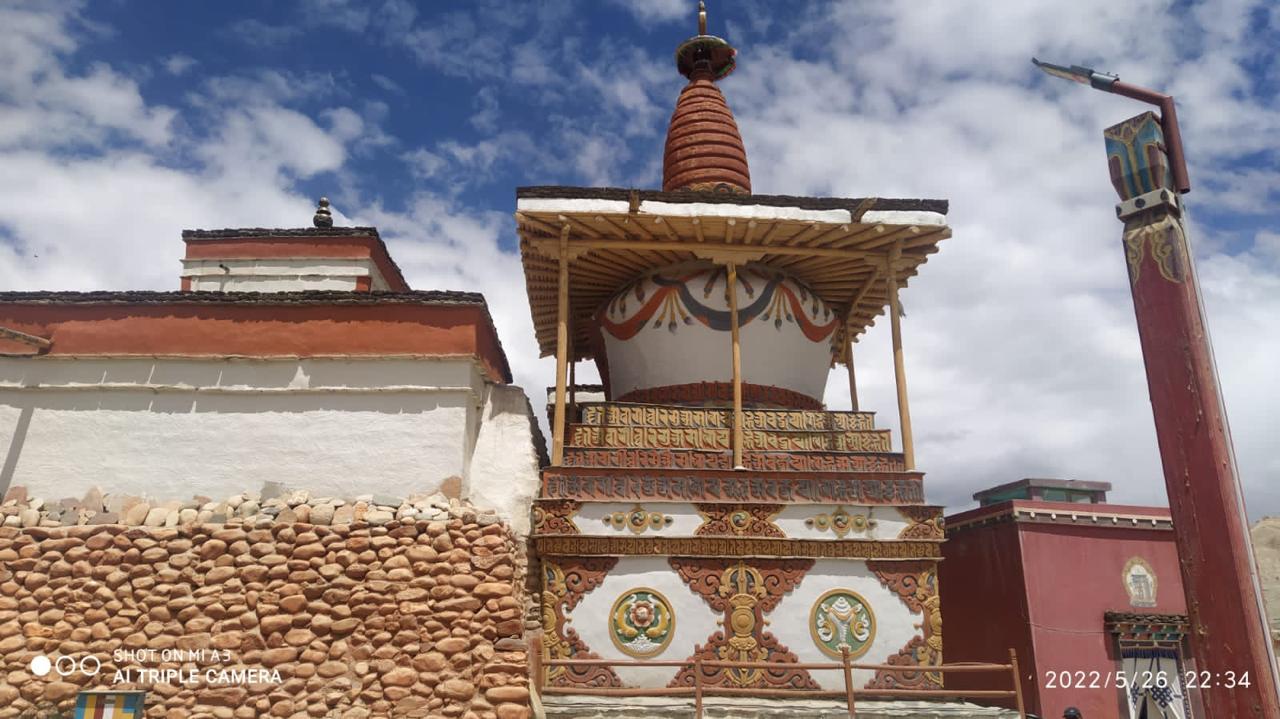
Lo Manthang is the cultural heart of Upper Mustang and one of the most fascinating destinations in the Himalayas. The historic settlement is surrounded by traditional walls and contains narrow alleys, old houses, monasteries, courtyards, and religious structures.
While staying in Lo Manthang, take time to walk through the old town and observe the traditional architecture. The surrounding area also provides opportunities to explore nearby villages and monasteries. These places reflect the long history of Tibetan Buddhist culture in Mustang.
The peaceful atmosphere of Lo Manthang contrasts strongly with the rugged landscapes outside the settlement. Therefore, the town is an important cultural highlight of the trek.
Surrounding Attractions of Upper Mustang
The Tiji Festival Trek allows you to explore several remarkable places around Lo Manthang and along the Upper Mustang trail.
Chhoser and the Ancient Cave Settlements:
The Chhoser area is known for its dramatic cliffs and ancient cave settlements. These caves are carved into the surrounding rock. They provide an insight into the region’s fascinating history and traditional way of life.
Namgyal and Other Monasteries:
Upper Mustang contains numerous monasteries and religious sites. Visiting these places gives trekkers an opportunity to learn about Tibetan Buddhist traditions and the spiritual heritage of the region.
Ghar Gompa:
Ghar Gompa is one of the important religious sites in Mustang. Its traditional architecture and spiritual atmosphere make it a worthwhile stop while exploring the region.
Tsarang Village:
Tsarang, also known as Charang, is an important settlement on the route to Lo Manthang. The village features traditional houses, Buddhist religious sites, and striking surrounding landscapes. Its historic atmosphere makes it one of the memorable stops on the trek.
Ghami Village and Mani Wall:
Ghami is another traditional Mustang settlement surrounded by dramatic cliffs and dry mountain landscapes. The village is famous for its long mani wall, decorated with Buddhist prayer stones.
Kagbeni:
The trek begins in the wider Mustang region around Kagbeni, an atmospheric village located near the entrance to Upper Mustang. Its narrow lanes, traditional houses, monasteries, and location beside the Kali Gandaki River make it an excellent introduction to Mustang’s culture.
Landscapes and Himalayan Views
Upper Mustang is famous for its high-altitude desert landscape. Unlike the lush green scenery found on many lower-altitude trekking routes in Nepal, Mustang features dry valleys, colorful cliffs, eroded rock formations, and wide open spaces.
Throughout the trek, you can enjoy views of dramatic Himalayan peaks and the surrounding Trans-Himalayan landscape. The contrast between snow-covered mountains and the dry terrain gives Upper Mustang its distinctive character.
The region lies in the rain shadow of the Himalayas, which contributes to its dry climate and unusual landscape. This makes the Tiji Festival Trek especially attractive for travelers looking for a different side of the Nepal Himalayas.
Best Time for the Tiji Festival Trek
The best time for this trek is the period surrounding the annual Tiji Festival, generally during the spring season. The exact festival dates vary each year according to the Tibetan calendar.
Spring also provides favorable conditions for exploring Upper Mustang, with generally dry conditions and good visibility. Because the festival attracts visitors and local pilgrims, travelers should arrange permits, accommodation, transportation, and guides well in advance.
Experience the Culture of Upper Mustang
The Tiji Festival Trek is more than a trekking adventure. It provides an opportunity to meet local people, observe traditional lifestyles, visit historic monasteries, and experience a culture strongly influenced by Tibetan Buddhism.
Travelers should respect local customs during the festival and when visiting monasteries or religious sites. Ask permission before photographing people, monks, or religious ceremonies, and follow the guidance of your trekking guide.
Book Your Tiji Festival Trek
The Tiji Festival Nepal Trek combines the adventure of trekking through Upper Mustang with the cultural experience of witnessing one of the region’s most important annual festivals. From Kagbeni and the Kali Gandaki valley to the ancient villages of Ghami and Tsarang and the historic walled city of Lo Manthang, every stage of the journey offers something different.
With dramatic Himalayan landscapes, ancient monasteries, traditional villages, fascinating cave settlements, and the colorful three-day Tiji Festival, this trek offers an unforgettable way to discover the hidden cultural and natural treasures of Upper Mustang.
Join Himalaya View Treks for the Tiji Festival Trek and experience the landscapes, traditions, spirituality, and hospitality of Mustang on a memorable journey through one of Nepal’s most distinctive Himalayan regions.
Short Itinerary
Tiji Festival 2027 - 15 Days Itinerary
Day 1: Fly from Kathmandu to Pokhara (823m) Take a short flight from Kathmandu to Pokhara and enjoy the day exploring this beautiful lakeside city, preparing for the trek.
Day 2: Fly from Pokhara to Jomsom (2,720m) and Trek to Kagbeni (2,810m) Flight Duration: 20 minutes, Trek Duration: 3–4 hours, Fly to Jomsom, the gateway to Upper Mustang. From Jomsom, start trekking along the Kali Gandaki River valley to Kagbeni, a charming village at the entrance to Upper Mustang.
Day 3: Kagbeni to Chele (3,050m)Trek Duration: 5–6 hours, Description: Enter the restricted area of Upper Mustang. Trek through narrow gorges, ancient caves, and barren landscapes, passing small villages and reaching Chele.
Day 4: Chele to Syangboche (3,800m) Trek Duration: 6–7 hours. Cross several passes, including Taklam La (3,624m), with views of Tilicho Peak and Yakawa Kang. Pass through villages like Samar and descend into Syangboche.
Day 5: Syangboche to Ghami (3,520m) Trek Duration: 5–6 hours, Continue through desert-like terrain and cross the Yamda La (3,850m). Pass through picturesque villages, barley fields, and mani walls to reach Ghami.
Day 6: Ghami to Tsarang (3,560m) Trek Duration: 4–5 hours, Description: Cross the Ghami La Pass and trek along one of the longest mani walls in Nepal. The trail descends to Tsarang, a village with an ancient palace and red gompa (Buddhist monastery).
Day 7: Tsarang to Lo Manthang (3,840m) Trek Duration: 4–5 hours, Trek through arid landscapes and cross the Lo La Pass (3,950m). Descend into the walled city of Lo Manthang, the capital of the former Kingdom of Mustang, known for its ancient palaces and monasteries.
Day 8-10: Tiji Festival in Lo Manthang, Spend three days in Lo Manthang, fully immersed in the Tiji Festival. Watch monks in colorful costumes and masks perform sacred cham dances that depict the victory of good over evil. Visit local monasteries, explore the ancient city, and interact with locals.
Day 11: Lo Manthang to Dhakmar (3,810m) Trek Duration: 6–7 hours, Begin the return journey via an alternate route. Trek through colorful landscapes, passing the Ghar Gompa, one of the oldest monasteries in Mustang, and reach Dhakmar.
Day 12: Dhakmar to Ghiling (3,806m) Trek Duration: 5–6 hours, Continue descending along the rugged trails, enjoying views of unique rock formations and red cliffs. Reach the traditional village of Ghiling.
Day 13: Ghiling to Chhuksang (2,920m) Trek Duration: 5–6 hours, Trek back through familiar trails, descending steadily with views of Nilgiri and other peaks. Reach the riverside village of Chhuksang.
Day 14: Chhuksang to Jomsom (2,720m) Trek Duration: 6–7 hours, the final day of trekking takes you back to Jomsom. Enjoy the beautiful scenery along the Kali Gandaki River before reaching Jomsom.
Day 15: Fly from Jomsom to Pokhara and Return to Kathmandu, Fly back to Pokhara from Jomsom, then continue to Kathmandu, concluding your journey.
Included
- Kathmandu to Pokhara and Pokhara to Kathmandu by Tourist bus
- Both way flight tickets Pokhara / jomsom / pokhara
- TIM’s card permit, ACAP permit, and Uper Mustang special trekking permit
- Water purification drop or tablets for safe drinking water
- Two night hotel in Pokhara
- Company T-shirt as a Souvenirs, and duffle bag if needed
- Government licensed holder, fluent English Speaking Familiar Himalaya view Treks guide, 1 assistant guide if Group sizes is more than 10 trekkers) one guide lead up to 10 trekkers.
- Strong local Porters for Carry trekker’s luggage, One porter every 2 trekkers, Porter carry maximum 20 Kg. 10 Kg per trekkers.
- All meals (Breakfast, lunch, and dinner) during your Upper Mustang Trek with 14 nights Hotel Accommodation
- Cost Includes Guides and porters meals, accommodation, Salary, insurance, transportation, and needed equipment for the Trekking
- Seasonal fresh fruits every day during Mustang Trek
- Local government, taxes, including official Service Charge
- Oximeter to measure Pulse and oxygen level
- Trip completion Certificate
Not Included
- Hotel accommodation and meals In Kathmandu and Pokhara
- Personal expense (shopping, snacks, boil bottle water, hot (tea, coffee) and cold drinks, hot shower, alcohol, Wi-Fi, telephone call, battery charge fee during the Mustang Trek)
- Personal clothing and trekking gear
- Personal travel insurance including evacuation coverage (compulsory) up to 6000m)
- Additional costs if delays flights and outside the itinerary
- All the costs and expenses which are not mentioned in includes list.
- Tips for guide and porters in end of the treks
Useful Info
Useful Information for Tiji Festival Trek
Restricted Area Permit
Upper Mustang is a restricted trekking region, so travelers need the required special trekking permit before entering the area. You also need the applicable conservation-area permit. Our team can arrange the necessary permits and paperwork before the trek begins.
Best Time to Trek
The Tiji Festival takes place in spring, usually around April or May, depending on the Tibetan lunar calendar. Spring offers generally favorable conditions for trekking through Upper Mustang, with dry trails and good visibility. Since the festival dates change each year, check the confirmed dates before making your travel arrangements.
Physical Fitness and Preparation
The Tiji Festival Trek involves several hours of walking each day on uneven mountain trails. You do not need advanced mountaineering skills, but good physical fitness helps you enjoy the trek comfortably. Regular walking, hiking, or other endurance activities before your trip can help prepare you for the journey.
Altitude and Acclimatization
The trek reaches high elevations, and you should allow your body enough time to adjust. Walk at a comfortable pace, stay hydrated, eat regular meals, and tell your guide if you feel unwell. Your guide will monitor the group and help manage the itinerary according to local conditions.
Weather and Temperature
Upper Mustang has a dry, high-altitude climate. Days can feel sunny and warm, while mornings and evenings can become cold. Strong winds are also common, particularly in exposed valleys and mountain passes. Pack clothing that allows you to add or remove layers as temperatures change.
Accommodation
You will stay mainly in local teahouses, lodges, or guesthouses during the trek. Accommodation becomes more basic in remote villages. Rooms are generally simple, and some lodges may have shared bathroom facilities. Booking accommodation early is particularly important during the Tiji Festival because many visitors travel to Lo Manthang during this period.
Food and Drinking Water
Local lodges provide a variety of meals, including traditional Nepali and Tibetan-influenced dishes, rice, noodles, soups, potatoes, vegetables, and dal bhat. Carry a reusable water bottle and use safe drinking water. You can use treated, filtered, or boiled water along the route.
Transportation
The journey normally involves transportation between Kathmandu, Pokhara, and the Mustang region, followed by trekking through Upper Mustang. Flights and road transportation can sometimes change because of weather and local conditions. Keeping some flexibility in your schedule is recommended.
Festival Etiquette
The Tiji Festival is an important religious and cultural event, not simply a tourist attraction. Dress respectfully, follow local instructions, and avoid disturbing religious ceremonies. Always ask permission before photographing people, monks, or religious activities. Follow your guide's advice when visiting monasteries and other sacred places.
Internet and Mobile Connectivity
Internet and mobile connectivity can be limited or unreliable in remote sections of Upper Mustang. Do not depend entirely on a mobile connection during the trek. Inform family or friends about your itinerary before leaving and enjoy the opportunity to disconnect from everyday life.
Electricity and Charging
Electricity is available at many lodges, but charging facilities can be limited in remote villages and may involve an additional charge. Carry a power bank so you can keep essential devices charged throughout the trek.
Travel Insurance
Travel insurance is strongly recommended for the Tiji Festival Trek. Your policy should cover trekking at the maximum altitude of your itinerary and include emergency evacuation and medical expenses where appropriate. Check the terms of your policy carefully before departure.
Responsible Travel
Upper Mustang has a fragile mountain environment and a rich cultural heritage. Help protect the region by avoiding single-use plastics, carrying rubbish until you find an appropriate disposal point, respecting monasteries and cultural sites, and supporting local businesses whenever possible.
Cash and Expenses
Carry enough Nepalese currency for personal expenses because ATMs and reliable card-payment facilities may not be available throughout Upper Mustang. You should budget separately for drinks, snacks, charging, Wi-Fi, tips, souvenirs, and other personal expenses.
Festival Dates and Booking
Tiji Festival dates change every year according to the Tibetan lunar calendar. Because accommodation and transportation can become busy during the festival period, we recommend booking your trek well in advance. Contact us for the confirmed festival dates, current permit requirements, itinerary, and availability for your preferred travel period.
FAQs
-
What is the Tiji Festival Trek?
The Tiji Festival Trek is a cultural trekking journey through Upper Mustang that allows travelers to explore the region's ancient villages, monasteries, dramatic landscapes, and traditional Tibetan Buddhist culture. The main highlight is the three-day Tiji Festival held in Lo Manthang.
-
When is the Tiji Festival held?
The Tiji Festival takes place annually in Lo Manthang, but the exact dates change each year according to the Tibetan lunar calendar. Travelers should confirm the festival dates for their intended trekking year before booking flights, accommodation, and permits.
-
How many days does the Tiji Festival Trek take?
Our standard Tiji Festival Trek takes approximately 15 days, including travel between Kathmandu, Pokhara, and the Mustang region. The exact duration can vary depending on transportation schedules, weather, flight conditions, and the itinerary selected.
-
What is the highest altitude reached during the Tiji Festival Trek?
The trek reaches around 3,950 meters at Lo La Pass before descending toward Lo Manthang. Although the maximum altitude is lower than many popular Himalayan treks, the dry high-altitude environment and several consecutive trekking days require good preparation.
-
How difficult is the Tiji Festival Trek?
The Tiji Festival Trek is generally considered a moderate to challenging trek. You will walk for several hours on rugged mountain trails and travel through high-altitude desert terrain. Previous trekking experience is helpful, but travelers with good fitness and proper preparation can complete the trek with the support of an experienced guide.
-
What is the best time for the Tiji Festival Trek?
Spring, particularly April and May, is the best period for the Tiji Festival Trek because the festival takes place during this season. Spring generally offers favorable trekking conditions and good mountain visibility. Since the festival dates vary each year, plan your itinerary around the confirmed festival schedule.
-
Do I need a special permit for the Tiji Festival Trek?
Yes. Upper Mustang is a restricted trekking area, so trekkers need the required restricted-area permit as well as the applicable conservation-area permit. Your trekking agency can arrange the necessary permits and explain the current requirements before departure.
-
Where does the Tiji Festival Trek start?
The trekking section normally begins around Jomsom and Kagbeni after traveling from Kathmandu through Pokhara. From Kagbeni, the route continues toward Chele, Syangboche, Ghami, Tsarang, and finally Lo Manthang.
-
What can I see during the trek besides the Tiji Festival?
The trek offers much more than the festival. You can explore Kagbeni, Ghami, Tsarang, Lo Manthang, ancient monasteries, traditional villages, mani walls, dramatic cliffs, high-desert valleys, and ancient cave settlements. The journey also provides views of the surrounding Himalayan peaks.
-
What happens during the Tiji Festival?
The festival features traditional Buddhist rituals, prayers, music, and masked dances performed by monks. The ceremonies have religious and cultural significance for the people of Upper Mustang. Visitors should observe the ceremonies respectfully and follow local customs when taking photographs or entering religious sites.
-
Is the Tiji Festival Trek suitable for first-time trekkers?
Yes, it can be suitable for reasonably fit first-time trekkers if they prepare properly and follow the recommended itinerary. The trek involves several days of walking at altitude, so regular walking and fitness preparation before the trip can make the experience more comfortable.
-
What type of accommodation is available?
Accommodation is generally provided in local teahouses, lodges, or guesthouses along the route. Facilities become simpler in remote areas of Upper Mustang. Rooms are generally basic, while meals provide a combination of local and commonly available trekking foods.
-
What kind of food is available during the trek?
You can find traditional Nepali and Tibetan-influenced dishes as well as common trekking meals. Dal bhat, noodles, soups, potatoes, rice, vegetables, and other simple meals are commonly available. Food choices can be more limited in remote parts of Upper Mustang.
-
Is the Tiji Festival Trek available as a private trek?
Yes. You can arrange the trek as a private trip for individuals, couples, families, or small groups. A private itinerary also provides more flexibility when planning transportation, accommodation, walking pace, and additional exploration around Lo Manthang.
-
What should I pack for the Tiji Festival Trek?
Pack warm layers, comfortable trekking shoes, a waterproof jacket, sun protection, gloves, a hat, a sleeping bag suitable for cold conditions, a reusable water bottle, personal toiletries, and other essential trekking equipment. Your trekking agency can provide a detailed packing list before departure.
-
Can flights to Jomsom be delayed or cancelled?
Yes. Flights between Pokhara and Jomsom depend on weather and operating conditions. Strong winds, poor visibility, or other weather conditions can affect flight schedules. It is wise to keep some flexibility in your itinerary and follow your guide's advice if transportation plans change.
-
Why should I book the Tiji Festival Trek with a local trekking agency?
A local trekking agency can help organize restricted-area permits, transportation, accommodation, guides, porters, and the festival itinerary. Local guides also provide valuable information about Mustang's culture, monasteries, traditions, and local communities, helping you experience the region respectfully and comfortably
Latest Traveller's Reviews
Travel experiences of our clients who recently returned from their trips.